
Cold-Pressed Oils vs Refined Oils: What’s the Difference?
Cooking oils are an essential part of every kitchen, yet many people are unaware of how different extraction methods impact nutrition, taste, and overall health. Understanding the difference between cold-pressed oils and refined oils can help you make better, more informed choices for everyday cooking.
What Are Cold-Pressed Oils?
Cold-pressed oils are extracted from seeds or nuts using traditional mechanical methods, without applying heat or chemical solvents. This process helps preserve the oil’s natural nutrients, flavor, and aroma.
Often referred to as Kachi Ghani oils, cold-pressed oils are minimally processed and closest to their natural form.
Key characteristics:
- Extracted without heat or chemicals
- Retain natural antioxidants and nutrients
- Rich aroma and authentic taste
- Slightly darker color and thicker texture
What Are Refined Oils?
Refined oils undergo multiple processing steps, including high heat, chemical solvents, bleaching, and deodorizing. These processes increase shelf life and produce a neutral-tasting oil, but often at the cost of nutritional value.
Key characteristics:
- Highly processed
- Neutral taste and lighter color
- Longer shelf life
- Reduced natural nutrients
Nutritional Differences
One of the biggest differences between cold-pressed and refined oils lies in their nutritional content.
Cold-Pressed Oils:
- Retain vitamins like Vitamin E
- Rich in natural antioxidants
- Contain healthy fats in their natural form
Refined Oils:
- Lose nutrients during processing
- May contain trace chemical residues
- Primarily provide calories with minimal nutrition
Flavor & Cooking Experience
Cold-pressed oils enhance food with their distinct aroma and taste, making them ideal for traditional cooking and everyday meals. Refined oils, while versatile, often lack flavor and character.
Cold-pressed oils work well for:
- Indian cooking
- Traditional recipes
- Everyday sautéing and tempering
Refined oils are often chosen for:
- High-heat frying
- Neutral-tasting dishes
Health Benefits of Cold-Pressed Oils
Regular use of cold-pressed oils may support:
- Better digestion
- Improved heart health
- Reduced intake of artificial additives
- Balanced fat consumption
Because they are naturally extracted and free from preservatives, cold-pressed oils align well with clean eating and wellness-focused lifestyles.
Which One Should You Choose?
While refined oils may offer convenience and longer shelf life, cold-pressed oils offer superior nutrition, taste, and authenticity. For everyday cooking and health-conscious households, cold-pressed oils are often the better choice.
Pure Oils You Can Trust
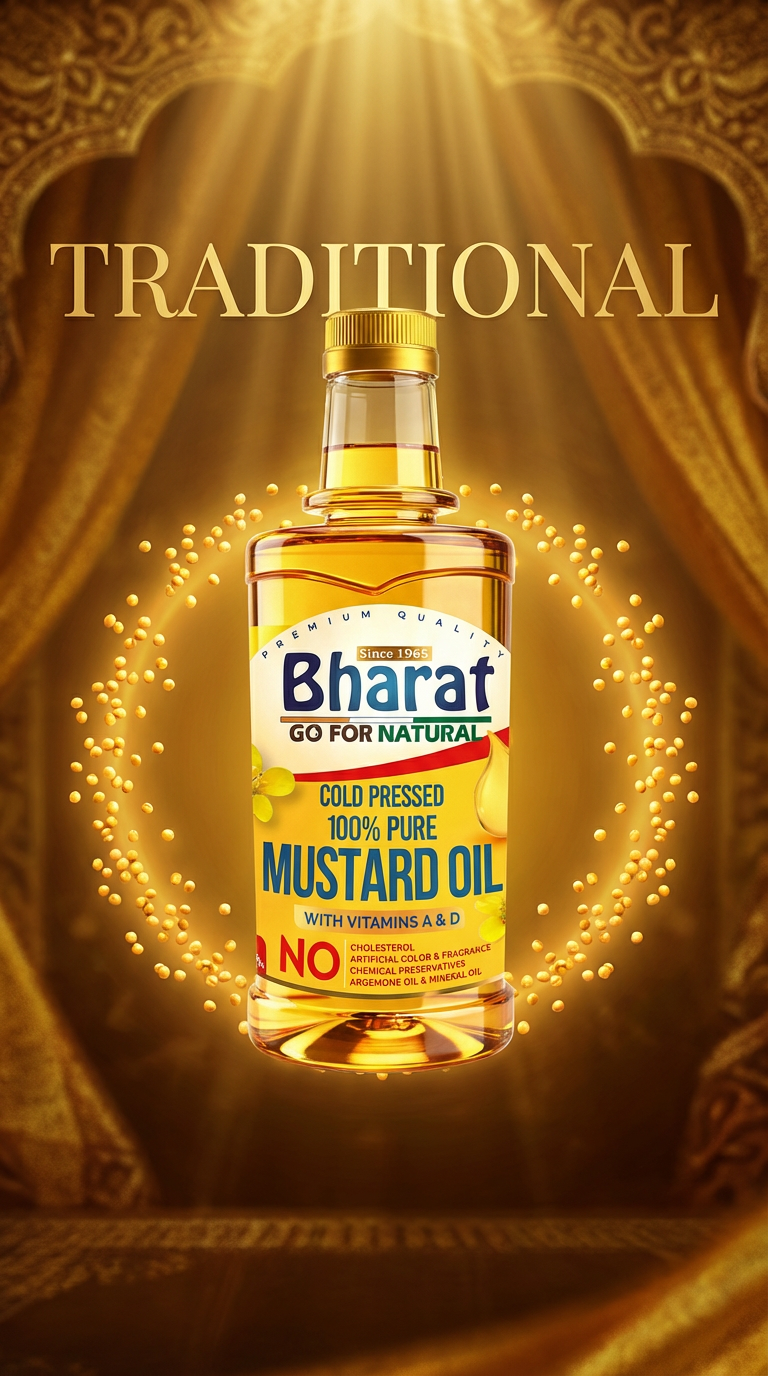
Brands like Bharat Oils, distributed by Bagason, offer a premium range of 100% cold-pressed mustard, groundnut, sesame, and coconut oils—naturally extracted, preservative-free, and made using traditional methods.
The Bottom Line
When it comes to cooking oils, how the oil is made matters. Choosing cold-pressed oils means choosing purity, nutrition, and flavor—bringing you one step closer to healthier, more mindful cooking.