
Hydration Tips for Hot Climates: Staying Healthy in the Heat
Living in a hot climate places extra demands on the body. High temperatures and humidity increase sweat loss, making dehydration a common yet often overlooked issue. Proper hydration isn’t just about comfort—it’s essential for energy, focus, digestion, and overall health.
Here are practical hydration tips to help you stay refreshed and healthy, even in extreme heat.
1. Don’t Wait Until You Feel Thirsty
Thirst is often a late sign of dehydration. In hot climates, your body loses fluids quickly, so it’s important to drink fluids consistently throughout the day, not just when you feel thirsty.
Tip: Keep a water bottle with you and take small, frequent sips.
2. Replace Electrolytes, Not Just Water
Sweating causes the body to lose essential electrolytes like sodium, potassium, and magnesium. Drinking only water may dilute these minerals and reduce hydration efficiency.
Tip: Include electrolyte drinks or oral rehydration solutions during active days or extended outdoor exposure.
3. Choose Natural Hydration Sources
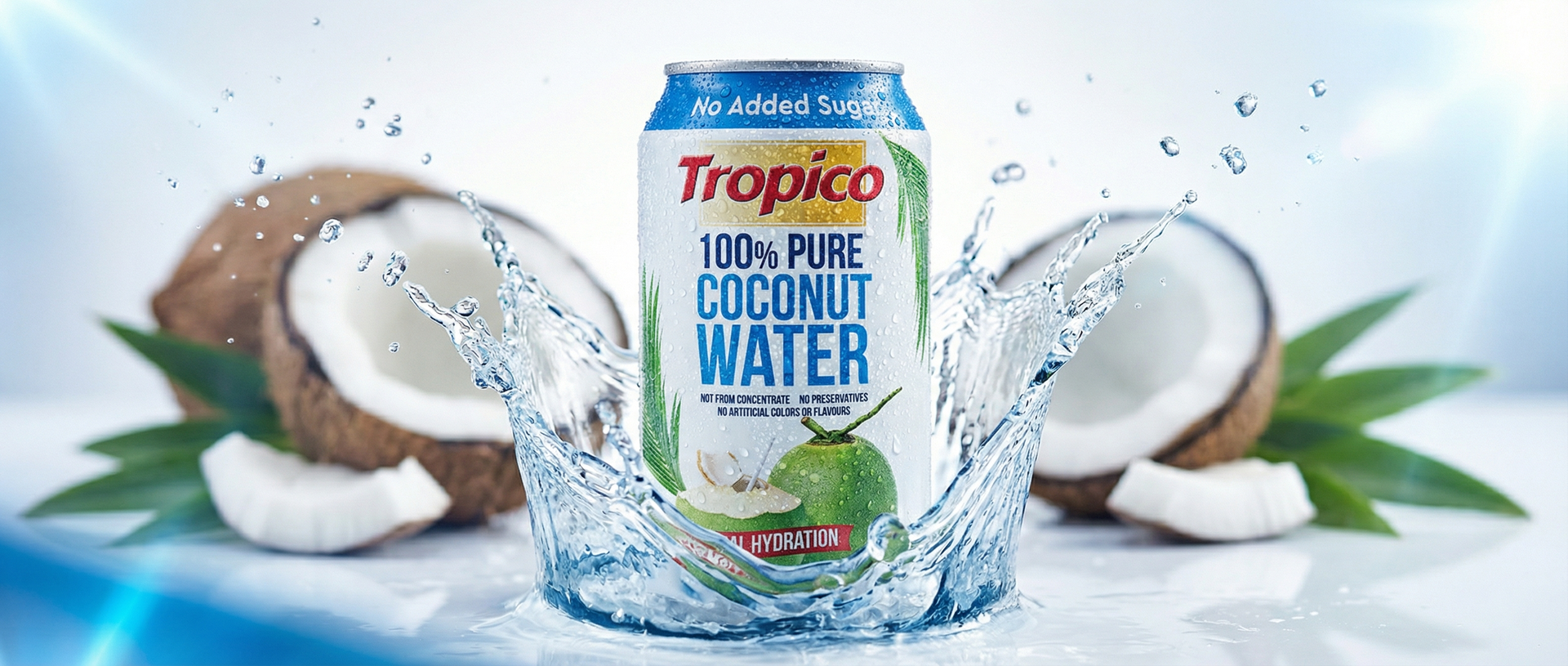
Natural beverages such as coconut water provide hydration along with essential electrolytes, making them ideal for hot climates. They are light, refreshing, and easy to digest.
Tip: Opt for drinks with no added sugars or artificial ingredients.
4. Eat Water-Rich Foods
Hydration doesn’t only come from drinks. Fruits and vegetables with high water content can significantly support fluid intake.
Examples include:
- Watermelon
- Cucumber
- Oranges
- Tomatoes
- Berries
These foods also provide vitamins and antioxidants that support overall wellness.
5. Limit Dehydrating Beverages
Caffeinated drinks, sugary sodas, and alcohol can contribute to dehydration, especially in hot weather.
Tip: Balance these with water or electrolyte-based drinks to maintain hydration levels.
6. Hydrate Before, During & After Physical Activity
Exercise in hot climates accelerates fluid loss. Proper hydration before and after activity helps prevent fatigue, dizziness, and muscle cramps.
Tip: Use an isotonic hydration drink for faster fluid absorption during workouts.
7. Adjust Hydration for Daily Routines
Long commutes, outdoor work, fasting, or travel can increase dehydration risk. Plan hydration around your daily schedule.
Tip: Set hydration reminders or carry ready-to-drink options when on the move.

8. Watch for Signs of Dehydration
Common signs include:
- Fatigue
- Headaches
- Dry mouth
- Muscle cramps
- Dizziness
Early hydration can prevent these symptoms from affecting your health and productivity.
Hydration as a Daily Wellness Habit
In hot climates, hydration is not optional—it’s a daily wellness priority. Combining water with electrolytes, natural beverages, and mindful habits helps the body function at its best.
Trusted hydration solutions like Hydralyte and natural options such as coconut water make staying hydrated easier and more effective, no matter how high the temperature rises.