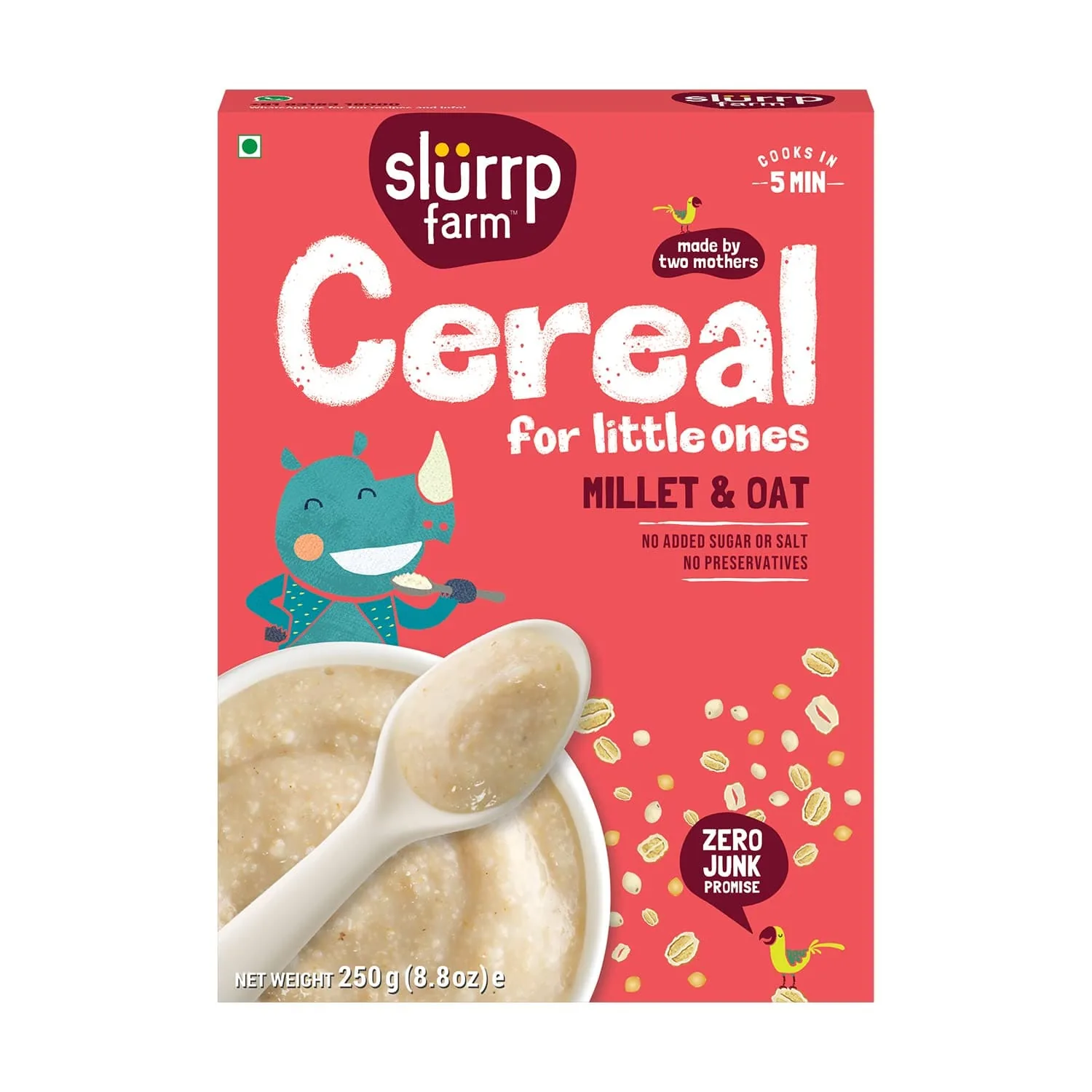
The culinary landscape of the Middle East is currently witnessing a significant shift as parents increasingly prioritise nutrient density over mere convenience. Among the various grains gaining traction, millet has emerged as a powerhouse of nutrition, reclaiming its status as a vital component of a child's diet. This ancient grain, which has sustained civilisations for millennia, is being rediscovered for its exceptional ability to support the rapid growth and developmental needs of young children. As a millet superfood kids UAE parents are increasingly turning to, it offers a unique combination of minerals, vitamins, and proteins that are often lacking in modern, highly processed diets.

Millet's Remarkable Nutritional Profile: From Ancient Staple to Modern Superfood
For thousands of years, millets were the primary grains consumed across Asia and Africa. They were valued for their resilience in harsh climates and their ability to provide sustained energy. However, the green revolution of the 20th century led to a global dominance of wheat and rice, pushing these hardy grains to the periphery. Today, the narrative is changing. Health experts and nutritionists are highlighting millet as a superior alternative to refined cereals due to its concentrated nutrient profile. Unlike polished rice or processed wheat, millets are typically consumed as whole grains, ensuring that the bran, germ, and endosperm remain intact. This preservation of the grain's natural structure ensures that millet nutrition children receive is of the highest possible quality, providing a rich source of B vitamins, magnesium, and antioxidants that support everything from cognitive function to immune health.
Types of Millet in Children's Food: Foxtail, Ragi, Bajra, and Jowar
Understanding the variety of millets is essential for parents looking to optimise their child's nutrition. Each type offers a distinct set of benefits:
- Finger Millet (Ragi): Perhaps the most famous of the group for paediatric nutrition, ragi is an extraordinary source of calcium. It contains approximately 344mg of calcium per 100g, which is significantly higher than any other cereal. This makes it indispensable for bone development in growing toddlers.
- Foxtail Millet: This variety is particularly rich in iron and copper. It helps in strengthening the immune system and is known for its high antioxidant activity, which protects young cells from oxidative stress.
- Pearl Millet (Bajra): Known for its high energy content, bajra is also rich in magnesium and zinc. It contains about 8mg of iron per 100g, making it an excellent dietary tool to combat anaemia.
- Sorghum (Jowar): Jowar is packed with essential vitamins like niacin, riboflavin, and thiamine. It also contains high levels of potassium and phosphorus, which are crucial for heart health and cellular repair.
By incorporating a variety of these grains, parents can ensure a broad spectrum of millet health benefits UAE families can rely on for holistic growth.
Protein in Millet: Comparing with Wheat and Rice
Protein is the building block of life, and for children between the ages of 1 and 10, adequate protein intake is non-negotiable. While wheat and rice are common sources of carbohydrates, their protein quality and quantity often fall short when compared to millets. Pearl millet, for instance, contains about 11g of protein per 100g, while foxtail millet offers around 12.3g. In contrast, white rice typically provides only about 7g. Furthermore, the amino acid profile of millets is more balanced. While no single grain provides all essential amino acids in perfect proportions, millets are particularly rich in methionine and cysteine, which are often limited in other cereal grains. When considering millet vs wheat children dietary choices, millets provide a more robust protein foundation that supports muscle development and tissue repair without the heavy gluten load associated with wheat.
Fibre Content and Digestive Health
Digestive issues, including constipation and irregular bowel movements, are common complaints among parents of young children. Millets are an exceptional source of dietary fibre, both soluble and insoluble. Finger millet contains about 11.5g of fibre per 100g, whereas refined wheat flour contains less than 3g. This high fibre content acts as a prebiotic, nourishing the healthy bacteria in a child's gut microbiome. A healthy gut is directly linked to a stronger immune system and better nutrient absorption. By promoting regular digestion, Slurrp Farm millet UAE products help maintain a comfortable and efficient digestive tract, ensuring that children feel energetic and light throughout the day.
Iron and Calcium: Addressing Common Deficiencies in the UAE
In the UAE, lifestyle factors and dietary habits can sometimes lead to deficiencies in key minerals like iron and calcium. Calcium is vital for the skeletal structure, especially during the growth spurts common in the primary school years. With ragi providing over 300mg of calcium per 100g, it serves as a natural supplement for children who may be lactose intolerant or simply need an extra boost. Similarly, iron deficiency remains a global concern for childhood development. Iron is necessary for the production of haemoglobin and for brain development. Pearl millet and foxtail millet provide significantly more iron than conventional rice-based meals. Using these grains regularly is a proactive way to ensure that children meet their daily mineral requirements through whole foods rather than synthetic supplements.
Low Glycaemic Index: Sustained Energy for Active Kids
Modern snacks are often loaded with simple sugars that lead to rapid glucose spikes followed by inevitable energy crashes. This cycle can affect a child's concentration levels and mood. Millets have a low glycaemic index (GI), meaning they are digested and absorbed more slowly. This results in a steady release of glucose into the bloodstream. Whether a child is heading to a football match or sitting through a long morning of lessons, the complex carbohydrates in millets provide the "slow-burn" energy they need. This steady energy supply is one of the primary benefits of millet for kids, as it supports sustained mental focus and physical endurance without the irritability associated with sugar fluctuations.
Millet and Gluten: Natural Suitability for Sensitive Systems
There is often confusion regarding grains and gluten. It is important to clarify that millet gluten free kids can safely consume these grains as they are taxonomically different from wheat, barley, and rye. For children with non-celiac gluten sensitivity or those whose parents prefer a low-gluten lifestyle, millets are the perfect solution. They provide the texture and versatility of traditional grains without the inflammatory potential of gluten. However, it is vital to note that while the grain itself is naturally gluten-free, cross-contamination can occur during processing in facilities that also handle wheat. Reputable brands like Slurrp Farm take great care in their sourcing and production to maintain the integrity of their gluten-free offerings, making them a safe choice for sensitive young digestive systems.
Traditional Roots: The Cultural Wisdom of Millet
The use of millets for children is not a new concept but rather a revival of ancient wisdom. In Indian households, ragi porridge (ragi kanchi) has been the traditional first food for infants for generations. Mothers would slow-cook sprouted ragi flour with water or milk to create a nutrient-dense, easily digestible meal. Similarly, bajra rotis and jowar bhakris have long been staples in rural communities known for their physical strength. This cultural validation provides a sense of security for expat parents in the UAE. They are not following a passing trend but are instead returning to a proven nutritional framework that has supported healthy childhoods for centuries. Bringing these traditions into a modern context allows parents to bridge the gap between heritage and contemporary convenience.
The Modern Challenge: Overcoming Refined Grain Dominance
Despite the known benefits, the primary obstacle for parents is often the "fussiness" of children accustomed to the soft texture and sweet taste of refined flour products. Refined grains are stripped of their nutrients but are engineered to be hyper-palatable. Breaking this cycle requires a transition to whole grains that are prepared in a way that appeals to a child's palate. The challenge lies in making millet for toddlers UAE children will actually enjoy, moving away from the perception of millet as a "boring" health food and transforming it into something exciting and delicious.
How Slurrp Farm Makes Millet Enjoyable
This is where innovation meets nutrition. Slurrp Farm UAE Bagason distribution has introduced a range of products designed specifically to solve the "healthy vs. tasty" dilemma. By combining various millets with natural sweeteners like jaggery or fruit powders and adding cocoa or real spices, they have created a product line that children genuinely crave. Their approach focuses on "zero compromise" — no refined flour (maida), no trans fats, and no artificial preservatives. By using pressure-popping technology for snacks and carefully calibrated baking for cookies, they maintain the nutritional integrity of the grain while achieving the textures that children love. This innovation ensures that the transition to a millet-based diet is seamless and positive for the whole family.
Slurrp Farm Millet Products for Different Age Groups
As children grow, their snack preferences and nutritional needs evolve. Slurrp Farm caters to every stage:
- For Toddlers: Puffed snacks and cereals are ideal. These are easy to chew and dissolve quickly, providing a safe way to introduce foxtail and jowar. The millet pancakes cookies UAE parents choose often start with these gentle introductions.
- For School-Aged Children: This group requires portable, energy-dense options. Millet-based cookies made with real butter and no palm oil serve as excellent lunchbox additions.
- For Older Kids: Savoury millet puffs and chips provide a healthier alternative to traditional potato chips, offering the crunch they desire with the protein and fibre they need.
By offering variety, parents can keep the diet interesting while consistently delivering high-quality nutrition.
Bringing Millet Back to the Table
Reintroducing millets into your child's diet is one of the most impactful health decisions a parent can make. In a region as dynamic as the UAE, ensuring our children have a strong nutritional foundation is paramount for their future success and well-being. By choosing whole, ancient grains over processed alternatives, we provide them with the essential tools for growth, immunity, and sustained energy. Exploring the full range of healthy options at Bagason allows parents to discover how easily these superfoods can fit into a busy, modern lifestyle. It is time to move beyond the limitations of refined grains and embrace the diverse, nutrient-rich world of millets, ensuring our children thrive on the very best that nature has to offer.