How FMCG Distribution Works in Abu Dhabi
Abu Dhabi is the UAE's capital and its largest emirate by area, but its FMCG distribution landscape differs from Dubai in several important ways. Understanding these differences matters for any brand seeking comprehensive UAE coverage — because a distribution strategy optimised for Dubai may not translate directly to Abu Dhabi's unique market dynamics.
The Co-operative Society Channel
Perhaps the most distinctive feature of Abu Dhabi's retail landscape is the prominence of co-operative societies — government-backed retail networks like Abu Dhabi Co-operative Society (ADCOOP) that operate dozens of stores across the emirate. These co-ops serve a dual role as both commercial retailers and community institutions, offering competitive pricing and focusing on essential products. For FMCG distributors, co-operative accounts represent significant volume but operate with different procurement processes than private-sector supermarkets.
ADFSA: A Different Regulatory Authority
While Dubai Municipality oversees food safety in Dubai, Abu Dhabi has its own authority — the Abu Dhabi Agriculture and Food Safety Authority (ADFSA). Product registrations approved by Dubai Municipality are not automatically valid in Abu Dhabi and vice versa, though the underlying GSO standards are the same. Brands and distributors need to ensure their products are registered with ADFSA for legal sale in Abu Dhabi. Working with a distributor experienced across both emirates simplifies this dual-registration process.
Geographic Coverage: From City Centre to Al Ain
Abu Dhabi emirate stretches far beyond its urban core. Al Ain — the UAE's fourth-largest city — sits near the Oman border and has its own distinct retail ecosystem with a large residential population. The Western Region, including Ruwais and Liwa, has smaller but significant distribution needs, particularly for worker accommodation supply. Covering Abu Dhabi emirate comprehensively means maintaining delivery routes that span considerable distances.
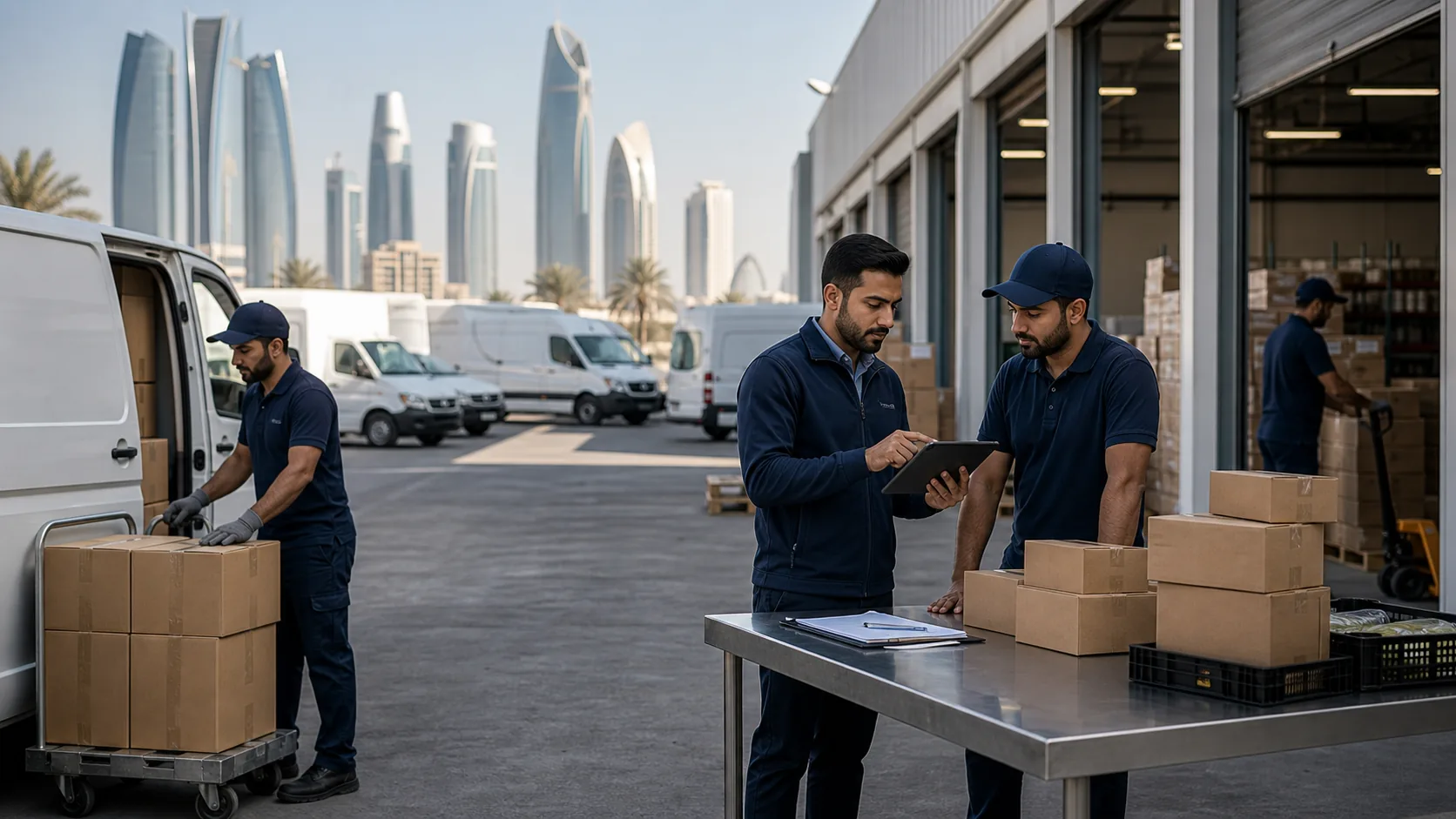
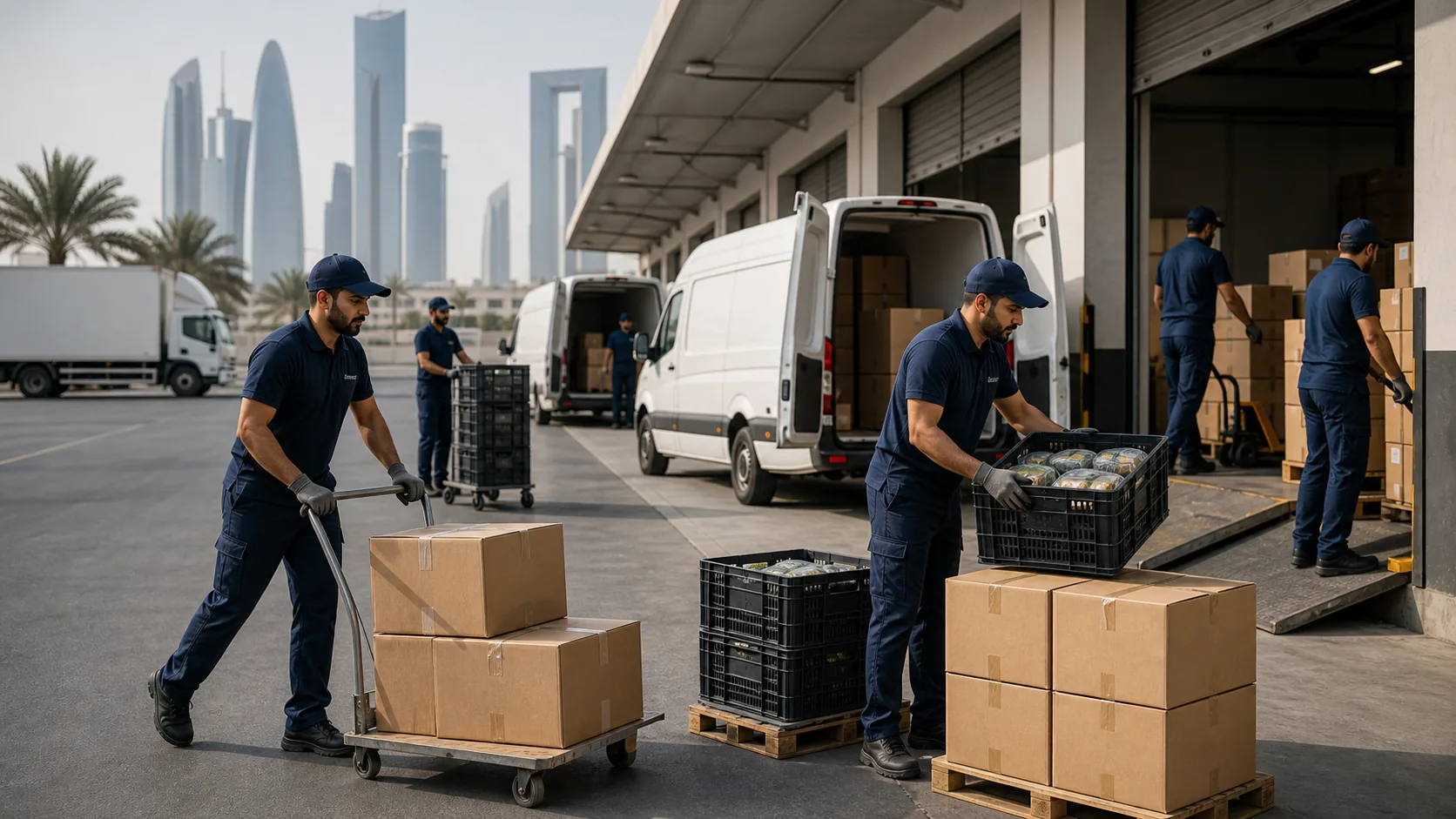
Most established Dubai-based distributors maintain dedicated Abu Dhabi routes, with the 90-minute E11 highway corridor making daily cross-emirate operations practical. Bagason Group's delivery network covers Abu Dhabi city, Al Ain and the western areas through structured route plans that ensure consistent service frequency.
The HORECA Opportunity
Abu Dhabi's hospitality sector — anchored by premium developments on Saadiyat Island, Yas Island and the Corniche — represents significant FMCG demand. The emirate's positioning as a cultural and events destination, with Louvre Abu Dhabi, Formula 1 and international conferences drawing millions of visitors, creates sustained demand for food service distribution.
If your brand needs distribution coverage across Abu Dhabi, Bagason Group can discuss how our existing infrastructure serves the capital emirate.
Frequently Asked Questions
Q: How does food distribution in Abu Dhabi differ from Dubai?
A: Abu Dhabi has a stronger co-operative society channel (ADCOOP stores) and more government-linked procurement. ADFSA regulates food safety rather than Dubai Municipality. The market is geographically larger but less dense than Dubai.
Q: Can a Dubai-based distributor effectively cover Abu Dhabi?
A: Yes. Most established Dubai distributors maintain dedicated Abu Dhabi delivery routes. The 90-minute drive between the cities, combined with the E11 highway infrastructure, makes cross-emirate distribution practical and common.
Q: What retail channels are strongest in Abu Dhabi?
A: Co-operative societies, Lulu hypermarkets, Carrefour*, and,dominate modern trade. Traditional groceries serve large expatriate communities, particularly in Mussafah and the worker accommodation areas.
Sources and References
This article draws on publicly available government data, industry body reports, and Bagason Group operational experience. All figures are estimates and should be treated as directional.
- UAE Ministry of Economy — National economic indicators and trade data
- Dubai Chambers — Dubai Economic Report
- UAE Federal Competitiveness and Statistics Centre (FCSA) — Consumer spending and trade statistics
- Gulfood — Industry Insights and Market Reports
- UAE Ministry of Human Resources (MOHRE) — Labour and workplace regulations
- Bagason Group — Internal distribution operations and market coverage data