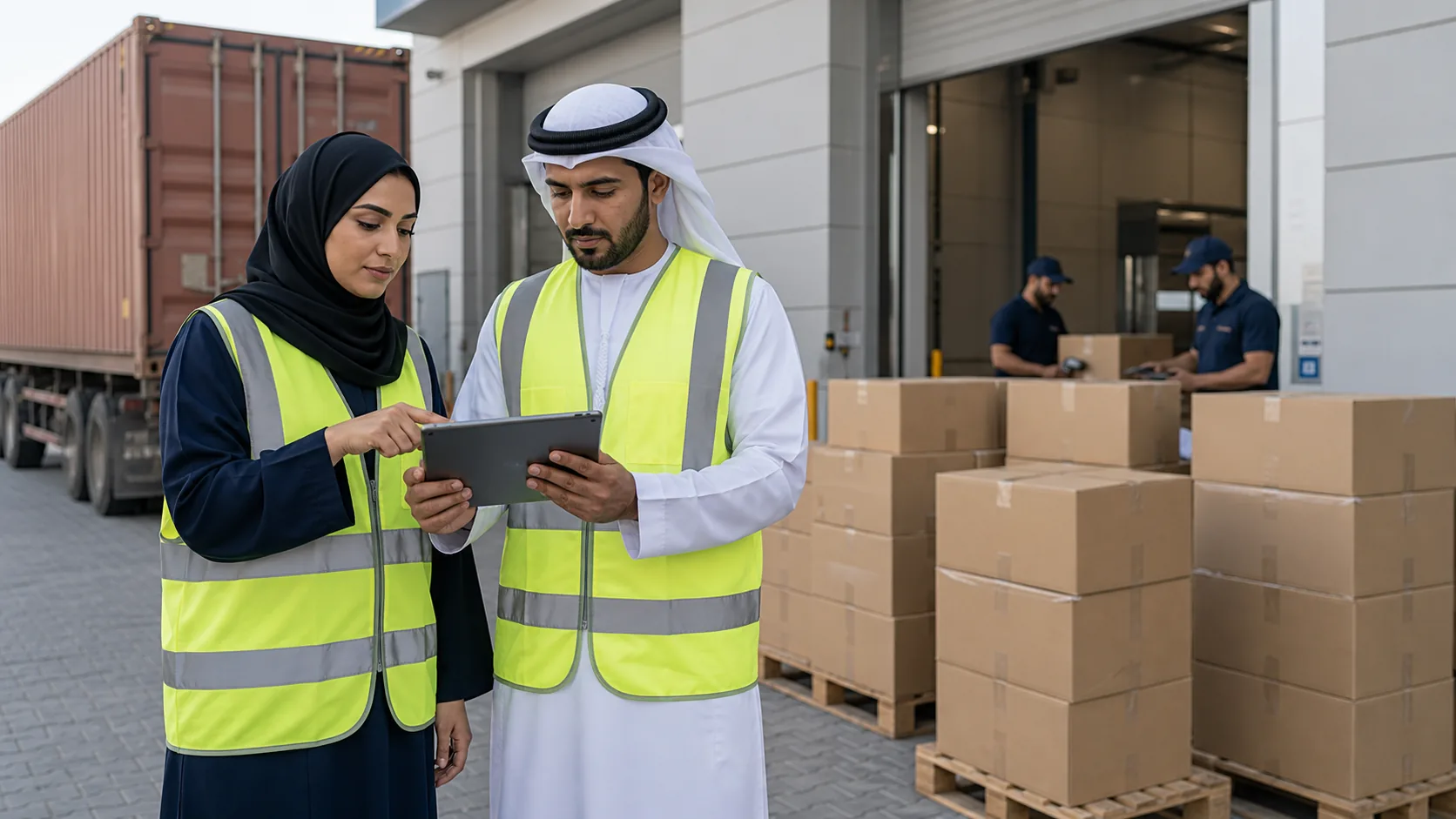
Launching Your Brand in the UAE: A Practical Roadmap
The UAE is one of the most attractive FMCG markets in the Middle East — high consumer spending, a diverse population hungry for international products, and a strategic location that serves as a springboard into the wider GCC. But for international brands, the journey from "we want to sell in the UAE" to actually having products on shelves involves navigating regulations, finding the right local partner, and adapting your approach to a unique retail landscape.
This guide provides a realistic, step-by-step roadmap based on what we see working at Bagason Group, where we have helped numerous international brands establish and grow their presence across the UAE and GCC.
Step 1: Understand the Regulatory Landscape
Before a single unit of your product enters the UAE, you need to clear several regulatory hurdles. The key authorities are the Emirates Authority for Standardization and Metrology (ESMA), which sets product standards, local municipality food control departments (Dubai Municipality, Abu Dhabi Agriculture and Food Safety Authority, etc.), and the Federal Customs Authority for import procedures.
Food products must meet UAE.S/GSO standards, which are aligned with Gulf-wide specifications. Key requirements include product registration with the relevant municipality, Arabic labelling on all consumer-facing packaging, halal certification for meat products and any items containing animal-derived ingredients, shelf life requirements (many categories require a minimum remaining shelf life at the point of import), and nutritional information panels compliant with GSO standards. Non-compliance at any step can result in shipments being held at port — an expensive and time-consuming problem.
Step 2: Adapt Your Packaging for the UAE Market
Even if your product is successful in other markets, it will likely need packaging adjustments for the UAE. Arabic text must appear on the label alongside English (and any other languages). Ingredient lists, nutritional facts, allergen warnings, and storage instructions all need Arabic translations. Country of origin must be clearly displayed, and barcode formats need to be compatible with UAE retail scanning systems.
Many brands underestimate the time and cost involved in label adaptation. Budget at least 4 to 6 weeks for translation, design revision, and approval before your first production run for the UAE market.
Step 3: Find the Right Distribution Partner
Unless you plan to establish your own UAE entity — which involves significant investment and local sponsorship — you will need a distribution partner. The right distributor provides not just logistics but market access, retail relationships, and local expertise. When evaluating potential partners, consider their geographic coverage across the emirates, their strength in your target channels, their existing brand portfolio and whether it complements yours, and their willingness to invest sales resources in building your brand rather than just passively distributing it.
A good rule of thumb: if a distributor is genuinely interested in your brand, they will ask detailed questions about your marketing plans, pricing strategy, and competitive positioning — not just your margins.
Step 4: Plan Your Go-to-Market Strategy
A common mistake is treating the UAE launch as simply a logistics exercise: ship product, list in stores, wait for sales. Successful market entries require a clear pricing strategy that accounts for import duties, distributor margins, and competitive shelf prices, an initial promotional plan to drive trial (sampling, introductory pricing, display promotions), a realistic timeline that accounts for listing lead times in modern trade (which can be 6 to 12 weeks for major chains), and digital visibility through your distributor's channels and your own brand presence.
The UAE consumer is highly connected and brand-aware. They research products online, compare options, and are influenced by social media. A pure push strategy without any pull activity will struggle.
Step 5: Monitor, Learn, and Adapt
The first 6 to 12 months in the UAE market are a learning period. Sales patterns may differ from your expectations. A product that sells well in Europe might underperform in the UAE if it does not resonate with the expatriate communities that make up the majority of the population. Conversely, flavours and formats you never considered may find unexpected demand.
Work closely with your distributor to review sales data regularly, identify which channels and outlets are performing, and adjust your assortment and promotional strategy accordingly. The brands that succeed long-term in the UAE are those that treat it as a dynamic market requiring continuous attention, not a set-and-forget export destination.
Ready to explore what a UAE market entry looks like for your brand? Get in touch with Bagason Group to discuss your products and objectives.
Frequently Asked Questions
Q: How much does it cost to enter the UAE FMCG market?
A: Costs vary widely depending on product category and ambition. At minimum, budget for product registration fees, label adaptation, initial stock shipment, and promotional support. A realistic entry budget for a small to mid-sized brand ranges from $30,000 to $100,000 covering the first year of operations including stock investment.
Q: Do I need a local sponsor or agent to sell FMCG products in the UAE?
A: If you work through a UAE-based distributor, you do not need to establish your own local entity. The distributor imports and sells under their trade licence. If you want to set up your own company, free zone entities allow 100% foreign ownership, though mainland entities may require a local service agent depending on the structure.
Q: What are the most in-demand FMCG product categories in the UAE right now?
A: Health and wellness products, plant-based alternatives, ethnic and specialty foods, premium snacking, and functional beverages are all experiencing strong growth. The UAE consumer is adventurous and willing to try new products, particularly those with clear health benefits or unique positioning.
Sources and References
This article draws on publicly available government data, industry body reports, and Bagason Group operational experience. All figures are estimates and should be treated as directional.
- UAE Ministry of Economy — National economic indicators and trade data
- Dubai Chambers — Dubai Economic Report
- UAE Federal Competitiveness and Statistics Centre (FCSA) — Consumer spending and trade statistics
- Gulfood — Industry Insights and Market Reports
- UAE Ministry of Human Resources (MOHRE) — Labour and workplace regulations
- Bagason Group — Internal distribution operations and market coverage data