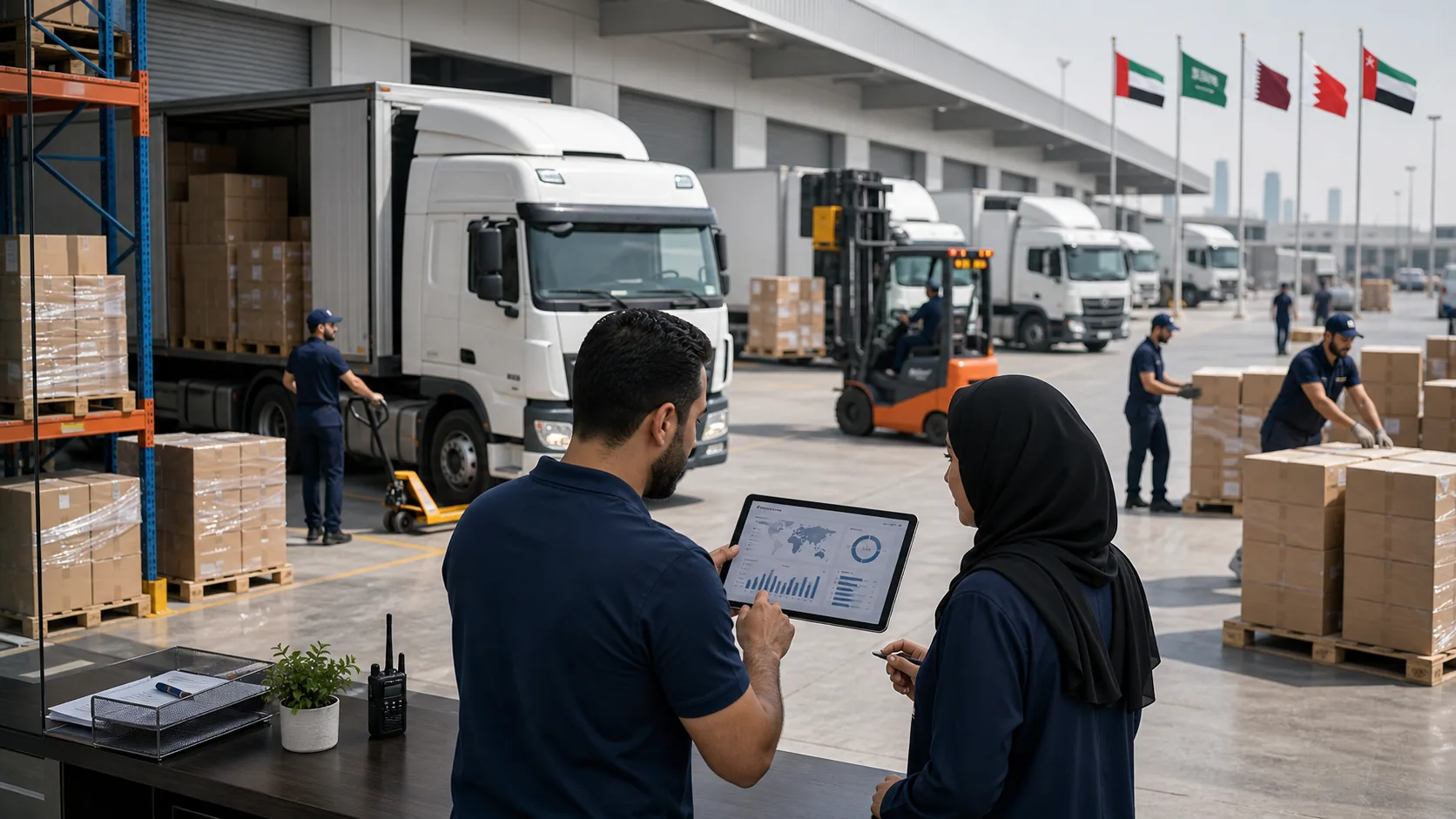
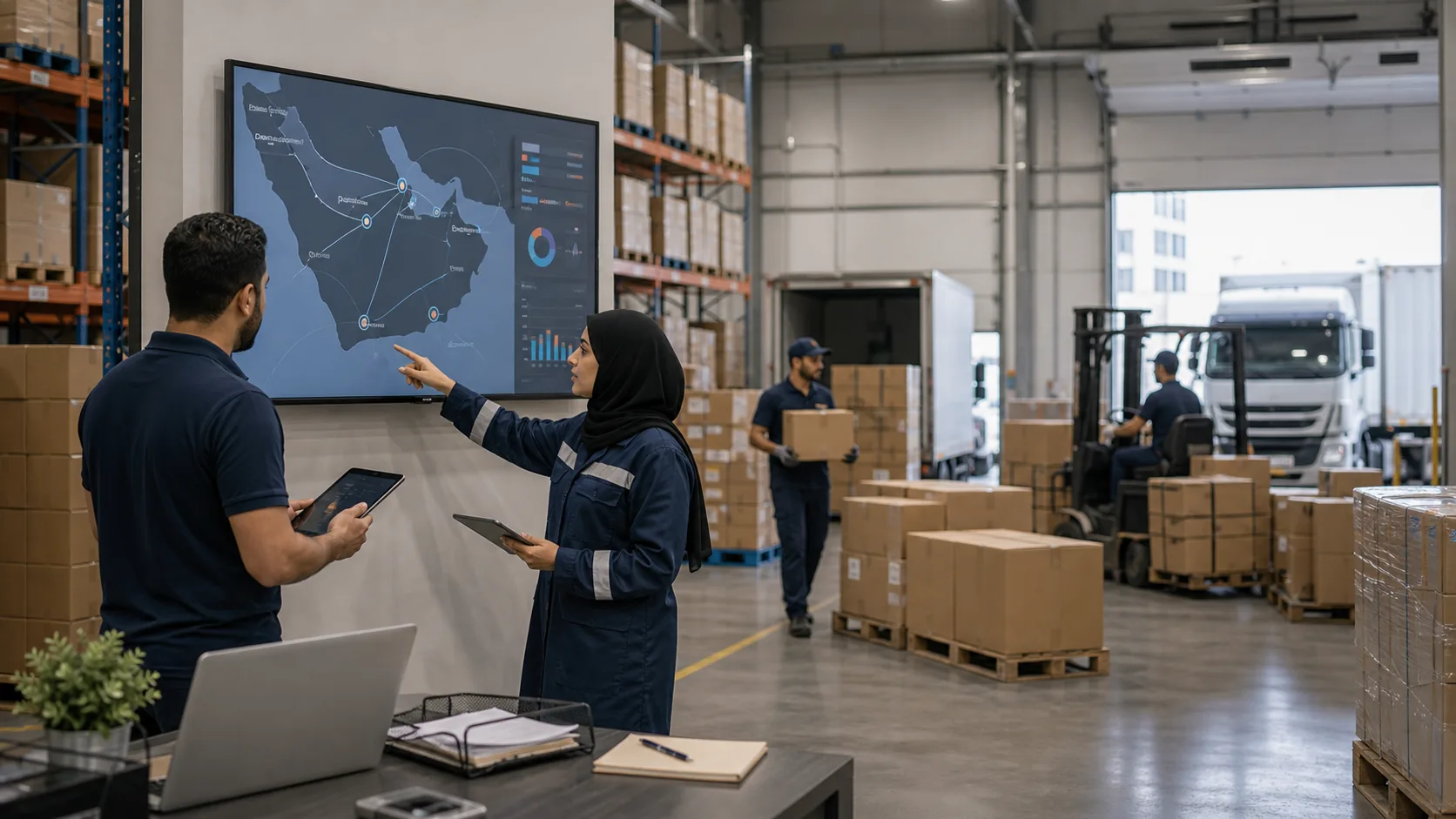
The GCC FMCG Market: A Region of Scale and Opportunity
The Gulf Cooperation Council countries — Saudi Arabia, UAE, Qatar, Kuwait, Bahrain, and Oman — represent one of the world's most concentrated pockets of consumer spending power. With a combined population approaching 60 million, high urbanisation rates, and GDP per capita figures among the highest globally, the GCC is a magnet for FMCG brands seeking growth beyond saturated Western markets.
For distributors and brands already operating in the UAE, the question is not whether to look at the broader GCC — it is how to do so efficiently. This overview examines where the opportunities lie and how the distribution landscape differs across the region.
Saudi Arabia: The Largest Prize
Saudi Arabia accounts for roughly half of the entire GCC's FMCG consumption. With a population exceeding 35 million and Vision 2030 driving massive investments in entertainment, tourism, and retail infrastructure, the kingdom's consumer market is transforming. The development of mega-projects like NEOM and the expansion of modern retail across tier-two and tier-three cities are creating new distribution needs.
However, Saudi distribution is complex. The country's sheer geographic size — over 2 million square kilometres — means that national coverage requires regional warehouse locations and extensive fleet operations. Many brands use a UAE-based distributor for initial GCC entry, leveraging existing logistics infrastructure for re-export to Saudi before establishing dedicated in-country distribution.
Qatar, Kuwait, and Bahrain: Compact but Premium
These three markets are small in population but high in per-capita spending. Qatar's consumer base, boosted by the legacy of the 2022 World Cup infrastructure, demands premium products and is heavily influenced by modern retail. Kuwait has a well-developed supermarket sector and a population with strong brand loyalty. Bahrain serves as a weekend shopping destination for Saudi consumers, creating unique cross-border demand patterns.
For brands and distributors, these markets are often served through re-export from the UAE. A shipment arriving at Jebel Ali Port can be cleared, warehoused, and re-exported to Doha, Kuwait City, or Manama within days — making the UAE the natural staging point for Gulf-wide distribution.
Oman: The Emerging Opportunity
Oman's FMCG market is smaller but growing steadily. The country's tourism push, population growth, and increasing urbanisation around Muscat are driving retail expansion. Oman's distribution landscape is less consolidated than the UAE's, creating opportunities for distributors willing to invest in building coverage.
The geographic proximity to the UAE — the Muscat-Dubai corridor is well-established — makes Oman a natural first step for UAE-based distributors looking to expand regionally. At Bagason Group, our export operations already support brand partners who want to extend their UAE success into neighbouring Gulf markets.
The UAE as the GCC Gateway
The UAE's position as a GCC distribution hub is reinforced by world-class port infrastructure (Jebel Ali is the region's largest port), extensive air cargo capacity through Dubai and Abu Dhabi, free zone structures that simplify re-export operations, and an established ecosystem of distributors, freight forwarders, and logistics providers.
For international brands, the most efficient GCC market entry strategy often starts with establishing strong distribution in the UAE, proving the product in a competitive and diverse market, and then leveraging that same infrastructure and distribution partner to expand across the Gulf.
Interested in exploring GCC distribution for your brand? Contact Bagason Group to discuss regional expansion from our UAE base.
Frequently Asked Questions
Q: Which GCC country has the fastest-growing FMCG market?
A: Saudi Arabia is experiencing the fastest absolute growth, driven by Vision 2030 investments, population growth, and retail modernisation. In percentage terms, Qatar and Oman are also showing strong growth trajectories, albeit from a smaller base.
Q: Can I use the same product labels for all GCC countries?
A: GCC countries follow harmonised GSO labelling standards, which simplifies multi-country compliance. However, individual country requirements do exist — for example, specific municipality registration processes and additional local language requirements in some markets. Working with an experienced distributor helps navigate these nuances.
Q: Is it better to have one distributor for the entire GCC or separate distributors per country?
A: Both models work. A single UAE-based distributor managing re-export to other GCC markets offers simplicity and lower coordination costs. However, as volume grows in specific countries, dedicated local distributors with in-country warehousing and sales teams may deliver better market penetration.
Sources and References
This article draws on publicly available government data, industry body reports, and Bagason Group operational experience. All figures are estimates and should be treated as directional.
- UAE Ministry of Economy — National economic indicators and trade data
- Dubai Chambers — Dubai Economic Report
- UAE Federal Competitiveness and Statistics Centre (FCSA) — Consumer spending and trade statistics
- Gulfood — Industry Insights and Market Reports
- UAE Ministry of Human Resources (MOHRE) — Labour and workplace regulations
- Bagason Group — Internal distribution operations and market coverage data