Why ERP Integration Is the Dividing Line Between Leading and Lagging Distributors
In a market where distributors manage hundreds of product lines, thousands of retail accounts, and daily delivery schedules across multiple emirates, the difference between a well-run operation and a chaotic one often comes down to a single factor: how well their technology systems are integrated.
An Enterprise Resource Planning (ERP) system connects every function of a distribution business — purchasing, warehousing, sales, delivery, and finance — into one platform. When these systems work together, information flows in real time: a sale recorded in the field instantly updates inventory, triggers a reorder if stock falls below threshold, updates the delivery schedule, and feeds into financial reporting. Without integration, the same information must be manually entered across multiple systems, creating delays, errors, and blind spots.
What a Modern Distribution ERP Actually Does
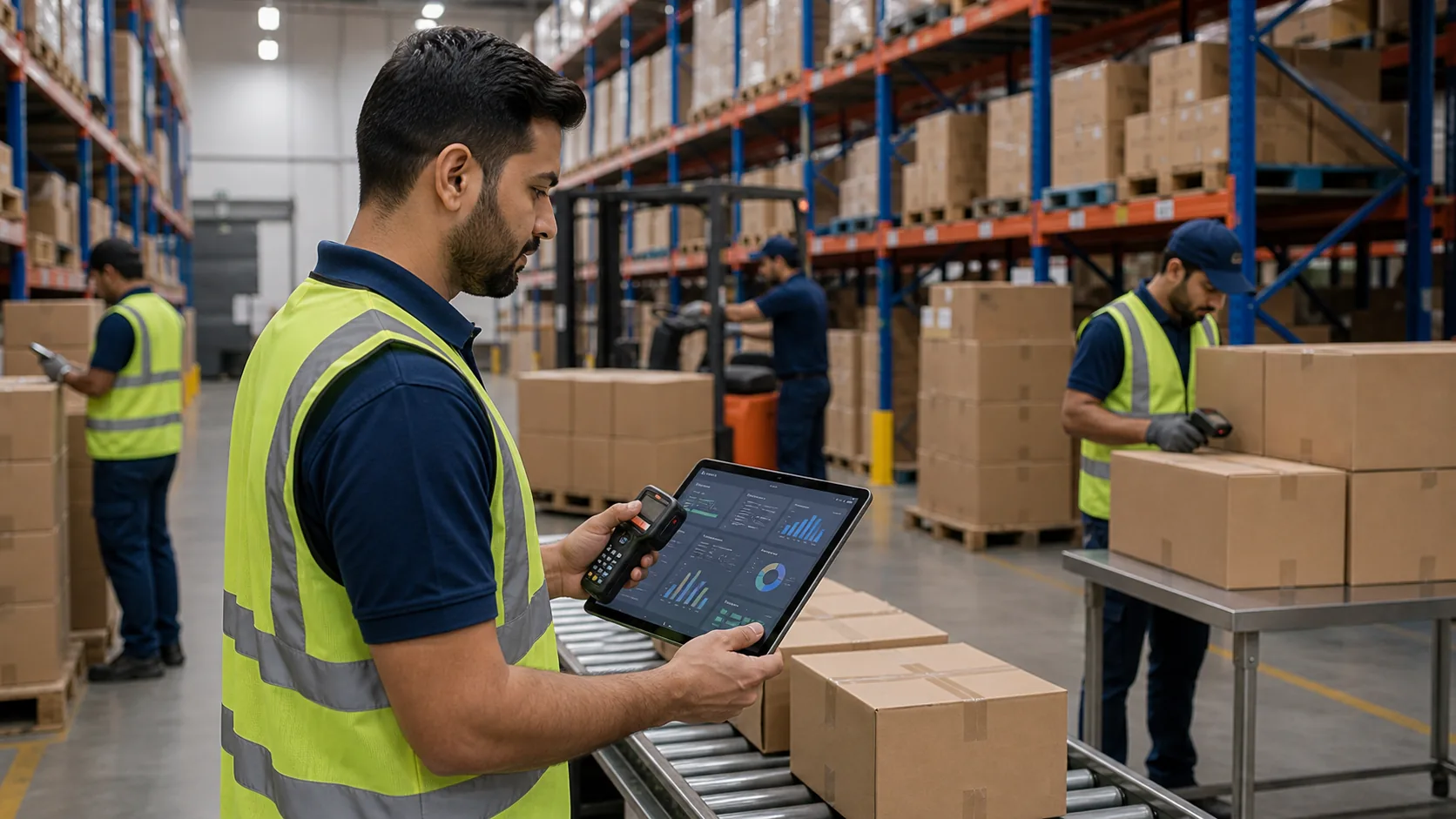
For FMCG distribution specifically, an effective ERP platform provides real-time inventory visibility across all warehouse locations and temperature zones, automated procurement triggers that generate purchase orders when stock hits reorder points, sales force automation that equips field teams with mobile tools for order entry, customer data, and route management, delivery management that tracks every shipment from warehouse pick to customer signature, and financial integration that handles invoicing, credit management, and accounts receivable without manual reconciliation.
At Bagason Group, we run our entire operation on Odoo 18 Enterprise — an integrated ERP that connects our warehouse operations, sales teams, delivery fleet, and accounting into a single system. This means when a van salesman enters an order at a baqala in Deira, the inventory is updated immediately, and by the time the vehicle returns to base, the system has already flagged any items needing replenishment.
The Brand Partner Advantage
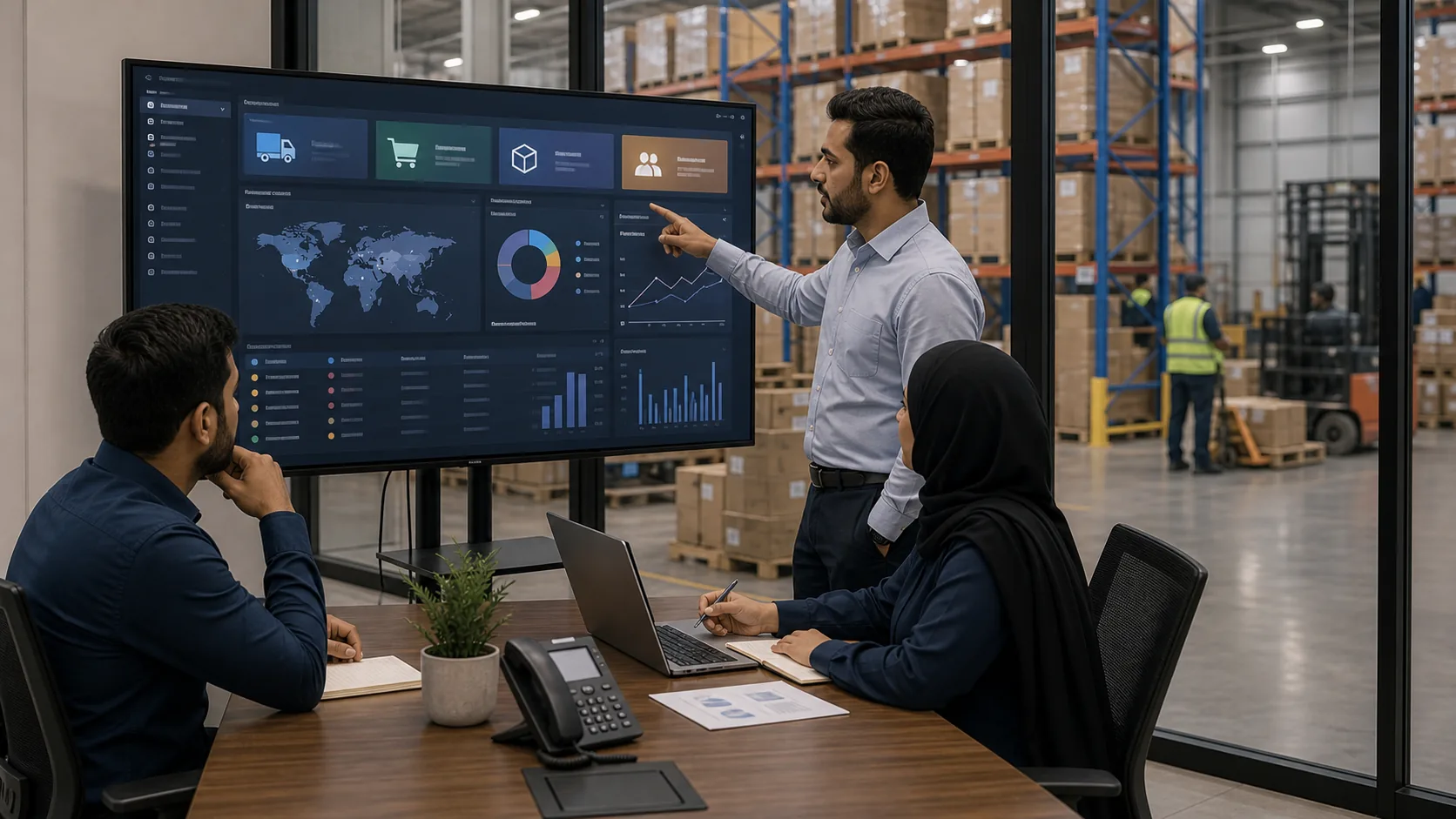
For the brands we distribute, ERP integration means transparency. Our brand partners can see how their products are performing — by channel, by outlet, by geography — without waiting for monthly spreadsheets. Sales data flows from the field into reports that brand managers can act on in near-real-time, enabling faster decisions on promotions, assortment adjustments, and stock allocation.
This level of visibility is increasingly the expectation rather than the exception. Brands evaluating potential distributors should ask specifically about system capabilities, reporting access, data integration options. A distributor who cannot provide timely, granular sales data is operating with a significant handicap.
From Reactive to Predictive
The next evolution beyond basic ERP integration is predictive capability. By analysing historical sales patterns, seasonal trends, and external factors like promotional calendars and Ramadan demand cycles, advanced ERP systems can forecast future demand with increasing accuracy. This shifts the distribution model from reactive — responding to stockouts after they happen — to predictive — pre-positioning inventory before demand materialises.
For a market like the UAE where seasonal demand swings are significant and consumer preferences shift rapidly, this predictive capability translates directly into fewer stockouts, less waste, and better service levels for retailers.
Want to understand how technology-driven distribution can benefit your brand? Contact Bagason Group to see our systems in action.
Frequently Asked Questions
Q: What ERP systems do UAE FMCG distributors typically use?
A: Leading UAE distributors use platforms like Odoo, SAP Business One, Oracle NetSuite, and Microsoft Dynamics. The choice depends on company size, complexity, and integration needs. Bagason Group operates on Odoo 18 Enterprise.
Q: How does ERP improve FMCG distribution efficiency?
A: ERP connects warehouse, sales, delivery, and finance into one system — eliminating data silos, enabling automated reordering, real-time stock tracking, and instant sales reporting for brand partners.
Q: Can brand partners access distributor ERP data?
A: Yes. Modern distributors provide brand partners with reporting dashboards or regular data exports showing sales by channel, inventory levels, and delivery performance.