Supplying Dubai's Hospitality Sector: How HORECA Distribution Works
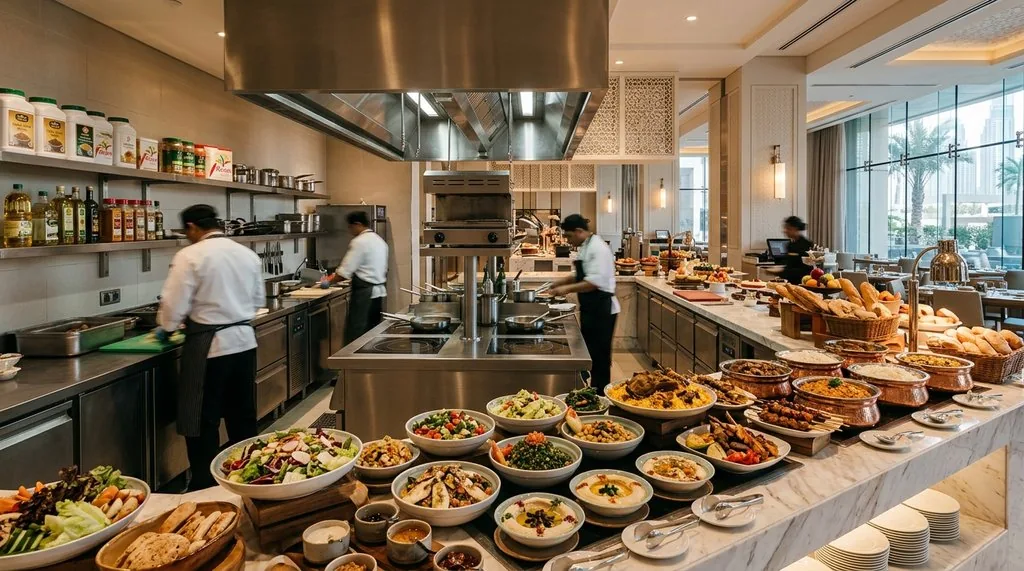
Dubai is home to one of the world's most concentrated hospitality markets — over 700 hotels, thousands of restaurants ranging from street food to Michelin-starred dining, and a catering industry that serves everything from corporate events to airline meals. Supplying this sector requires a distribution approach that is fundamentally different from retail.
HORECA — hotels, restaurants, and catering — is a channel where reliability is not just preferred, it is existential. A hotel kitchen that runs out of a key ingredient cannot simply put up an "out of stock" sign. A restaurant that cannot serve its signature dish loses revenue and reputation. For FMCG distributors, serving HORECA means operating at a higher standard of urgency and consistency.
How HORECA Ordering Differs from Retail
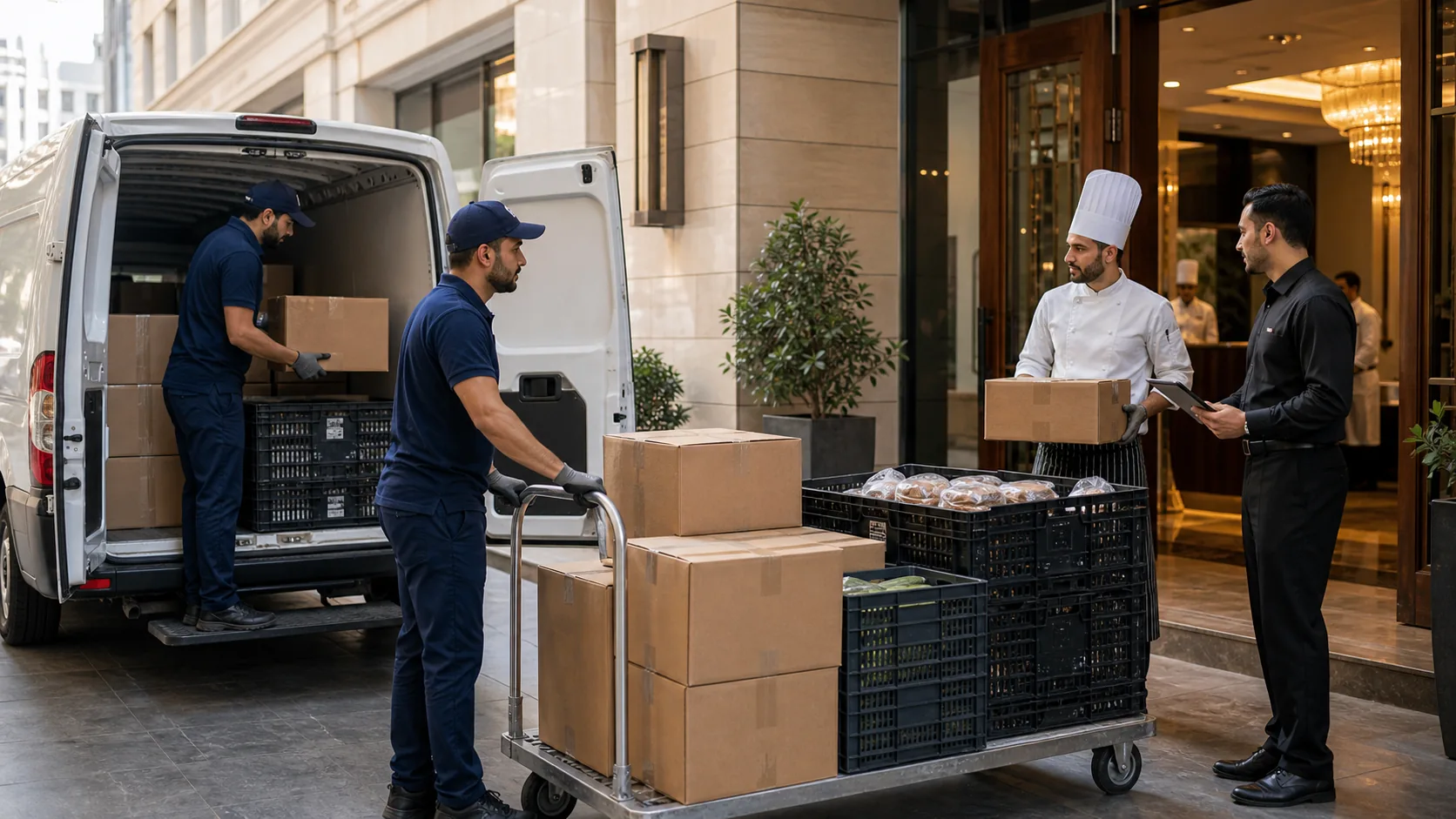
Retail distribution follows predictable patterns — stores reorder on fixed schedules, promotions are planned weeks in advance, and demand can be forecasted with reasonable accuracy. HORECA operates differently. Orders are driven by bookings and covers, which fluctuate daily. Emergency orders for unexpected demand are common and expected. Pack sizes and specifications differ from retail — a restaurant needs 5-litre cooking oil, not the 750ml bottle on supermarket shelves. Delivery timing is critical — many kitchens need early morning delivery to prep for lunch service.
Distributors serving HORECA need the operational flexibility to handle these dynamics without letting their retail operations suffer. This typically means dedicated HORECA sales teams, separate order processing workflows, and delivery vehicles that can be dispatched on shorter lead times.
Product Requirements for Food Service
The product mix for HORECA distribution is distinct. While there is overlap with retail products, many food service requirements are specific: larger pack sizes and bulk formats, ingredients rather than finished consumer products (flour, oil, sauces in commercial quantities), and speciality items that may not have a retail equivalent. Bagason's product portfolio includes products across categories that serve both retail and food service channels, from premium cooking ingredients to beverages and pantry staples used in commercial kitchens.
Quality Standards in Hospitality Supply
Dubai's hospitality industry operates under stringent food safety requirements enforced by Dubai Municipality's Food Control Department. Distributors supplying the HORECA channel must maintain full traceability from source to delivery, adhere to cold chain requirements that are often stricter than retail standards, provide documentation including certificates of origin, health certificates, and halal certificates, and support hotel and restaurant audit requirements by maintaining accessible compliance records.
Five-star hotel groups often conduct their own supplier audits, inspecting distributor warehouses and reviewing quality management systems before approving them as vendors. A distributor's ability to pass these audits determines their access to the premium end of Dubai's hospitality market.
The Opportunity for Brands
For FMCG brands, the HORECA channel offers distinct advantages: higher volumes per account, brand visibility through professional kitchens (chefs often develop brand loyalty for their preferred ingredients), and a less price-sensitive environment compared to retail. However, accessing this channel typically requires a distributor with established HORECA relationships and the operational capability to meet food service demands.
If your brand has products suited to the food service market and you are looking for HORECA distribution in Dubai, we can discuss how Bagason's existing hospitality channel coverage can help you reach this valuable segment.
Frequently Asked Questions
Q: How large is Dubai's HORECA sector?
A: Dubai's food service sector includes over 700 hotels, thousands of restaurants and cafes, and hundreds of catering companies. The sector employs tens of thousands of food service professionals and represents billions of dirhams in annual food procurement.
Q: Do HORECA customers pay differently than retail customers?
A: Generally yes. HORECA accounts typically operate on longer credit terms than retail, often 30 to 60 days. Payment reliability varies by segment — five-star hotel chains are typically reliable payers, while smaller independent restaurants may require closer credit management.
Q: Can a retail-focused FMCG brand also sell through HORECA?
A: Absolutely. Many retail products have direct applications in food service, and some brands develop food service-specific pack sizes or formulations. A distributor with presence in both channels can advise on how to adapt your offering for HORECA while maintaining your retail presence.
Sources and References
This article draws on publicly available government data, industry body reports, and Bagason Group operational experience. All figures are estimates and should be treated as directional.
- UAE Ministry of Economy — National economic indicators and trade data
- Dubai Chambers — Dubai Economic Report
- UAE Federal Competitiveness and Statistics Centre (FCSA) — Consumer spending and trade statistics
- Gulfood — Industry Insights and Market Reports
- UAE Ministry of Human Resources (MOHRE) — Labour and workplace regulations
- Bagason Group — Internal distribution operations and market coverage data