Inside Ramadan: The Biggest Season in UAE FMCG Distribution
Ramadan is the defining period in the UAE's FMCG calendar. Consumption patterns shift dramatically, demand for specific product categories surges, and the pressure on distribution networks intensifies to a level unmatched by any other time of year. For distributors, Ramadan is not just a busy period — it is a test of operational capability that determines retailer confidence for the year ahead.
Getting Ramadan right requires planning that begins months before the first day of fasting. Here is what that preparation actually looks like from inside a distribution operation.
Demand Forecasting: The Foundation of Ramadan Readiness
Ramadan demand is predictable in its patterns but varies in magnitude each year. Certain categories see dramatic increases: dates, nuts, and dried fruits see consumption spikes of 200% or more. Cooking staples like rice, cooking oil, ghee, and flour surge as families prepare elaborate iftar meals. Beverages — juices, flavoured milks, and hydration drinks — see massive uptake as consumers break their fast. Sweets, dessert ingredients, and confectionery peak as gifting traditions drive additional volume.
At Bagason Group, our demand planning for Ramadan draws on historical sales data from previous years, adjusted for factors like Ramadan's shifting position in the calendar (which affects daylight fasting hours and therefore consumption intensity) and population growth trends in the UAE.
Inventory Buildup: Stocking for the Surge
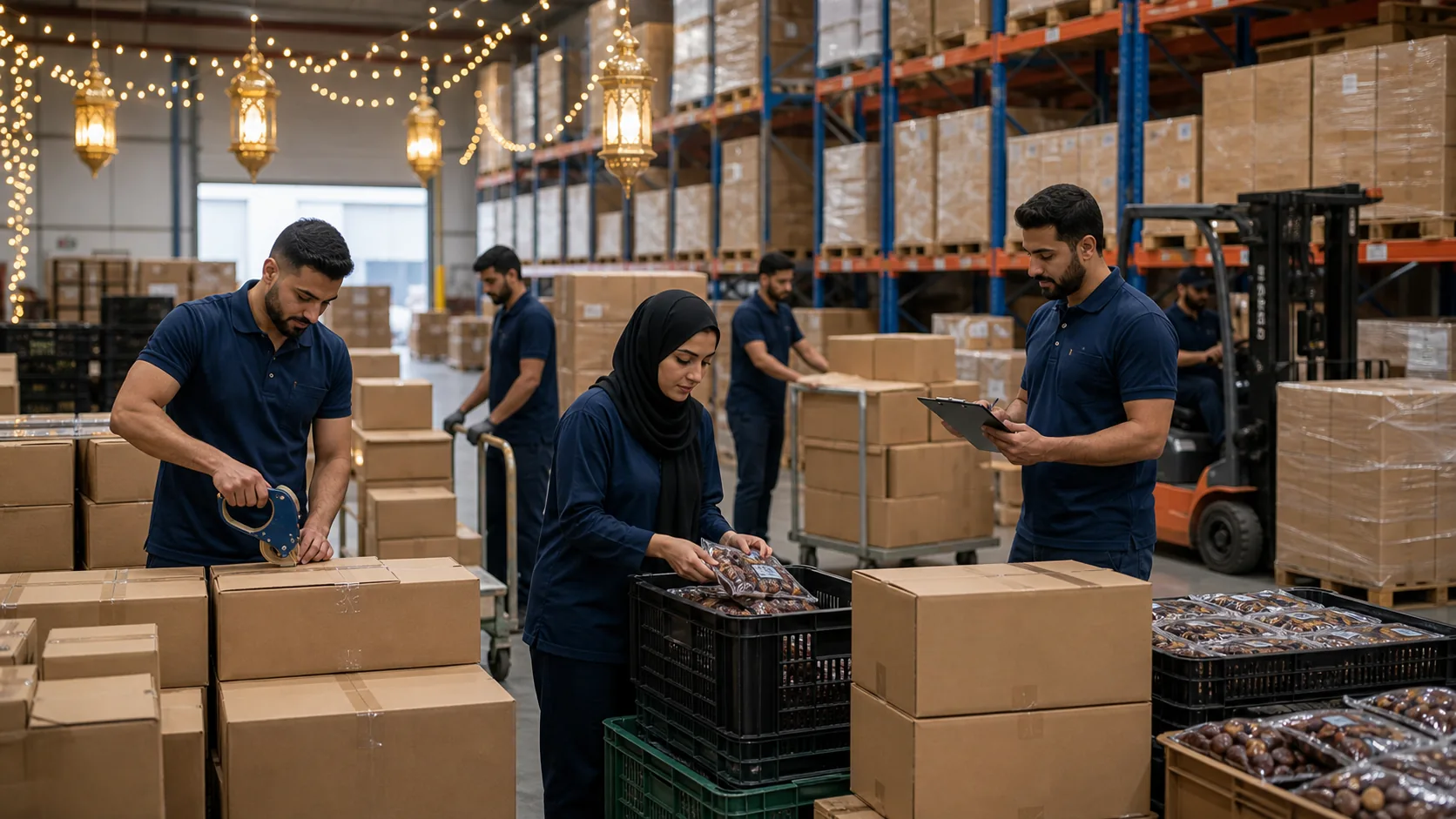
For a distributor managing 700+ product lines, Ramadan inventory preparation means coordinating with brand principals 8 to 12 weeks in advance to secure additional stock, expanding warehouse utilisation across all available pallet positions, pre-positioning high-demand SKUs in accessible pick locations for faster fulfilment, and ensuring that seasonal and Ramadan-specific products (special gift packs, seasonal flavours) arrive on time for pre-Ramadan retail setup.
The logistics of this buildup are significant. Container bookings need to be made early as shipping capacity tightens before Ramadan across the region. Warehouse receiving schedules need to accommodate higher inbound volumes without disrupting ongoing outbound operations.
Distribution Operations During Ramadan
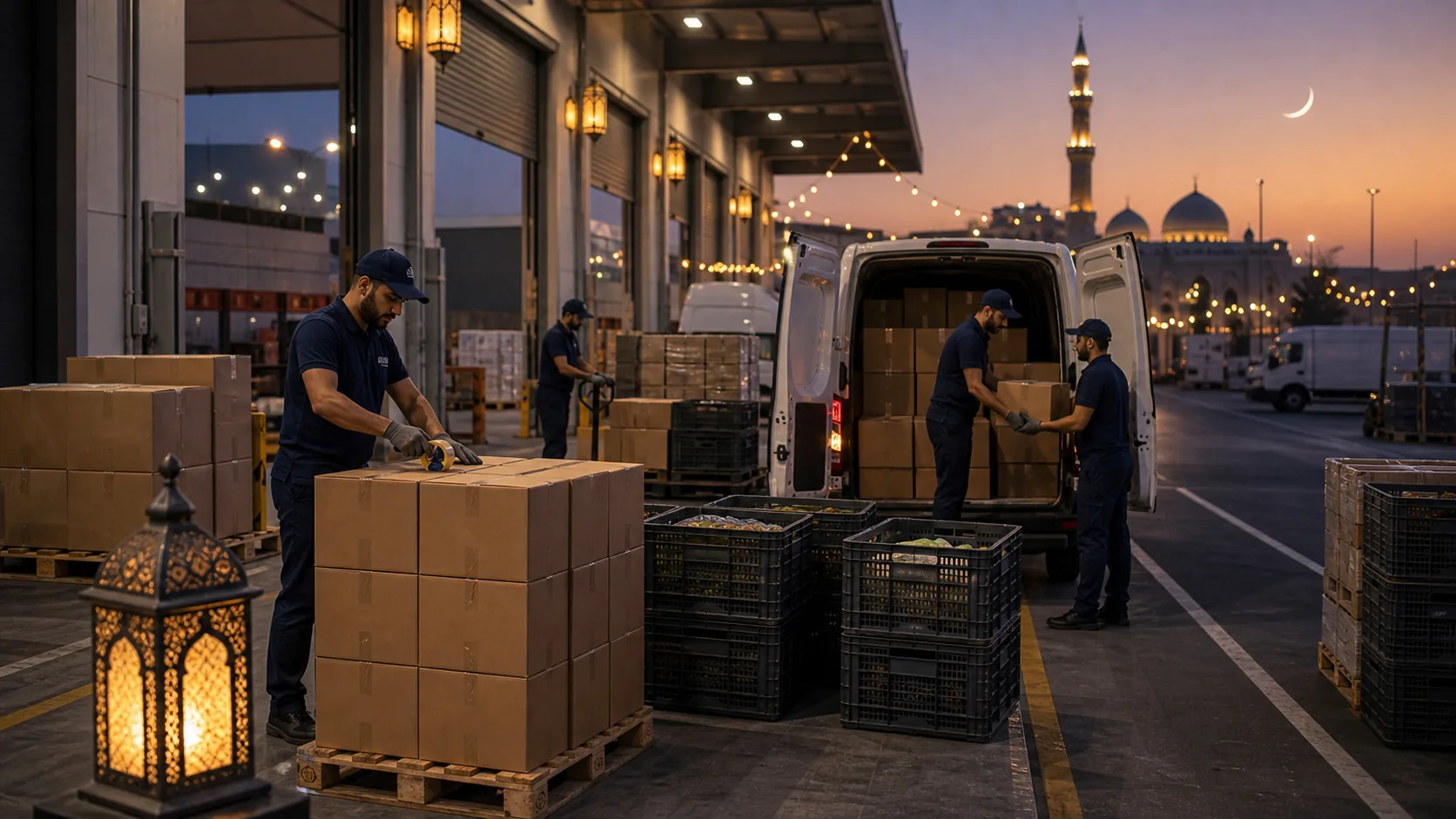
Once Ramadan begins, the distribution operation shifts to a different rhythm. Delivery schedules adjust to accommodate altered retail operating hours — many stores stay open later at night while reducing daytime hours. Order frequencies increase as retailers replenish faster-moving stock more often. Van sales routes are rebalanced to prioritise outlets with the highest seasonal demand, and promotional displays and point-of-sale materials need to be installed and maintained across thousands of retail touchpoints.
The workforce challenge is also real. With shorter working hours during Ramadan (as mandated by UAE labour law) and many employees observing the fast, maintaining the same output with reduced operational time requires careful shift planning and often additional temporary staff.
Post-Ramadan: Eid and the Transition
The end of Ramadan brings Eid al-Fitr, which triggers another distinct demand pattern. Gift-oriented products — chocolate boxes, premium sweet assortments, and personal care gift sets — see a short but intense spike. The transition from Ramadan to Eid requires rapid assortment adjustment in stores, and distributors need to manage the wind-down of Ramadan-specific inventory while ramping up Eid products.
The best distributors view Ramadan not as a single event but as a three-phase operation: pre-Ramadan buildup, the month itself, and the Eid transition — each requiring distinct planning and execution.
Planning your Ramadan distribution strategy? Connect with Bagason Group to ensure your products are on shelves before the first iftar.
Frequently Asked Questions
Q: How far in advance should brands plan for Ramadan distribution in the UAE?
A: Planning should begin at least 3 to 4 months before Ramadan starts. This allows time for demand forecasting, production scheduling, shipping, and pre-positioning inventory. For brands introducing Ramadan-specific products, an even earlier start — 5 to 6 months — is advisable.
Q: Which FMCG categories see the biggest demand increase during Ramadan in the UAE?
A: Dates, nuts, and dried fruits consistently show the largest percentage increases, often exceeding 200%. Cooking staples like rice, oil, and flour see significant lifts as well. Beverages, dairy products, and confectionery also experience substantial seasonal demand increases.
Q: Do delivery schedules change during Ramadan in the UAE?
A: Yes. Retail operating hours shift during Ramadan, with many stores extending evening and night hours while reducing afternoon operations. FMCG distributors adjust delivery schedules accordingly, often adding early morning and late evening delivery windows to match retailer availability.
Sources and References
This article draws on publicly available government data, industry body reports, and Bagason Group operational experience. All figures are estimates and should be treated as directional.
- UAE Ministry of Economy — National economic indicators and trade data
- Dubai Chambers — Dubai Economic Report
- UAE Federal Competitiveness and Statistics Centre (FCSA) — Consumer spending and trade statistics
- Gulfood — Industry Insights and Market Reports
- UAE Ministry of Human Resources (MOHRE) — Labour and workplace regulations
- Bagason Group — Internal distribution operations and market coverage data