Why Sustainability Is Becoming a Business Imperative in UAE Distribution
Sustainability in FMCG distribution has shifted from a corporate-social-responsibility checkbox to a genuine business driver. Consumer preferences are evolving, government regulations are tightening, and brand partners increasingly evaluate distributors on their environmental performance alongside commercial capabilities.
Reducing Food Waste: The Biggest Impact Area
Food waste in the distribution chain — products that expire in warehouses, get damaged during handling, or are returned unsold — represents both environmental harm and financial loss. Leading distributors are tackling waste through better demand forecasting that aligns purchasing with actual sales velocity, strict FIFO enforcement that prevents products from aging in warehouses, dynamic stock allocation that moves slower-selling products to higher-velocity outlets before they approach expiry, and surplus donation programs that redirect near-expiry but safe-to-consume products to food banks and charitable organisations.
Fleet Efficiency and Emissions
Distribution fleets are a significant contributor to emissions. Route optimisation technology — which is also a core efficiency driver — directly reduces fuel consumption and emissions by minimising unnecessary kilometres driven. Vehicle maintenance programs ensure engines run cleanly, and some UAE distributors are beginning to incorporate electric or hybrid vehicles for urban delivery routes.
Warehouse Energy Management
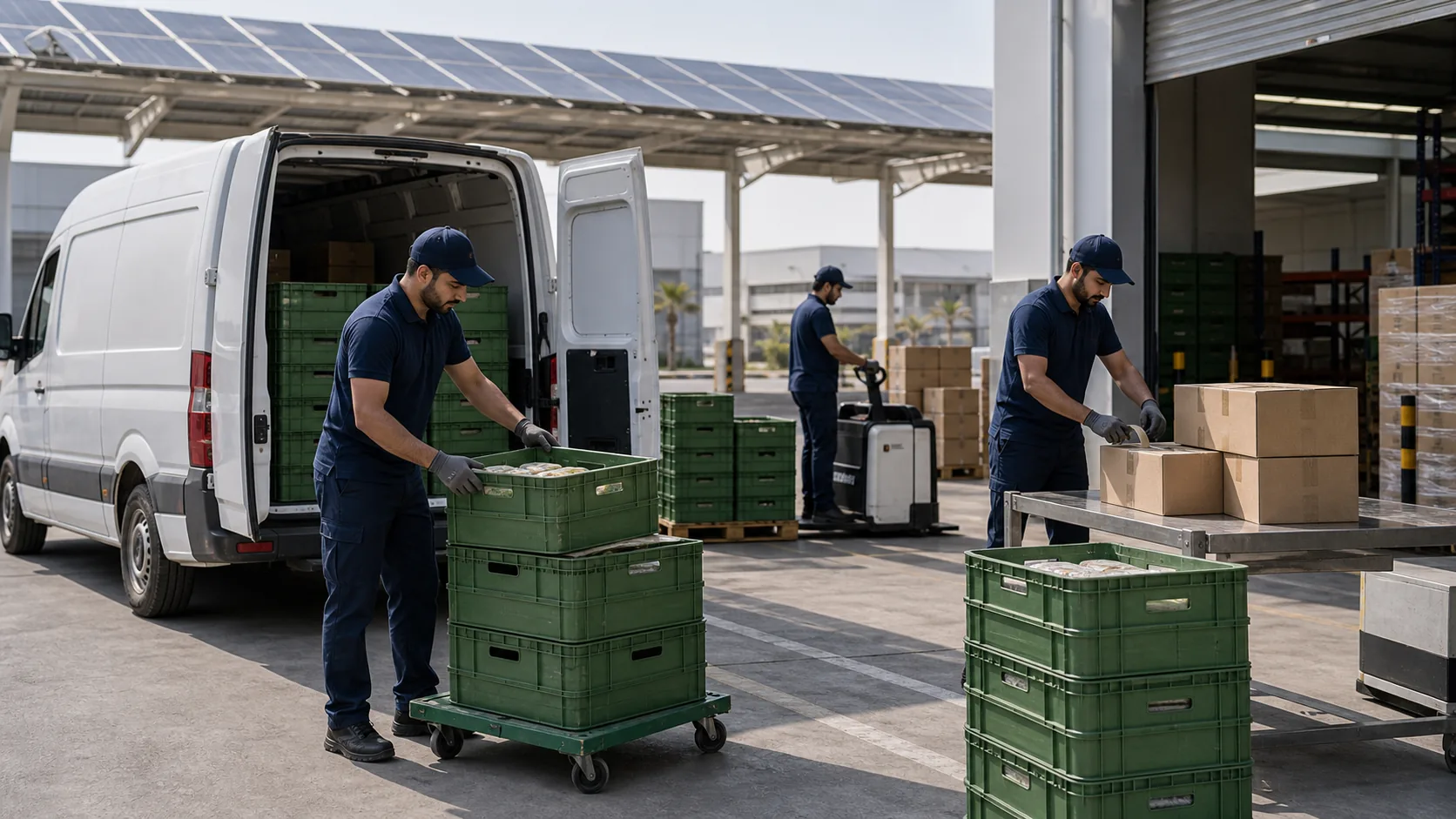
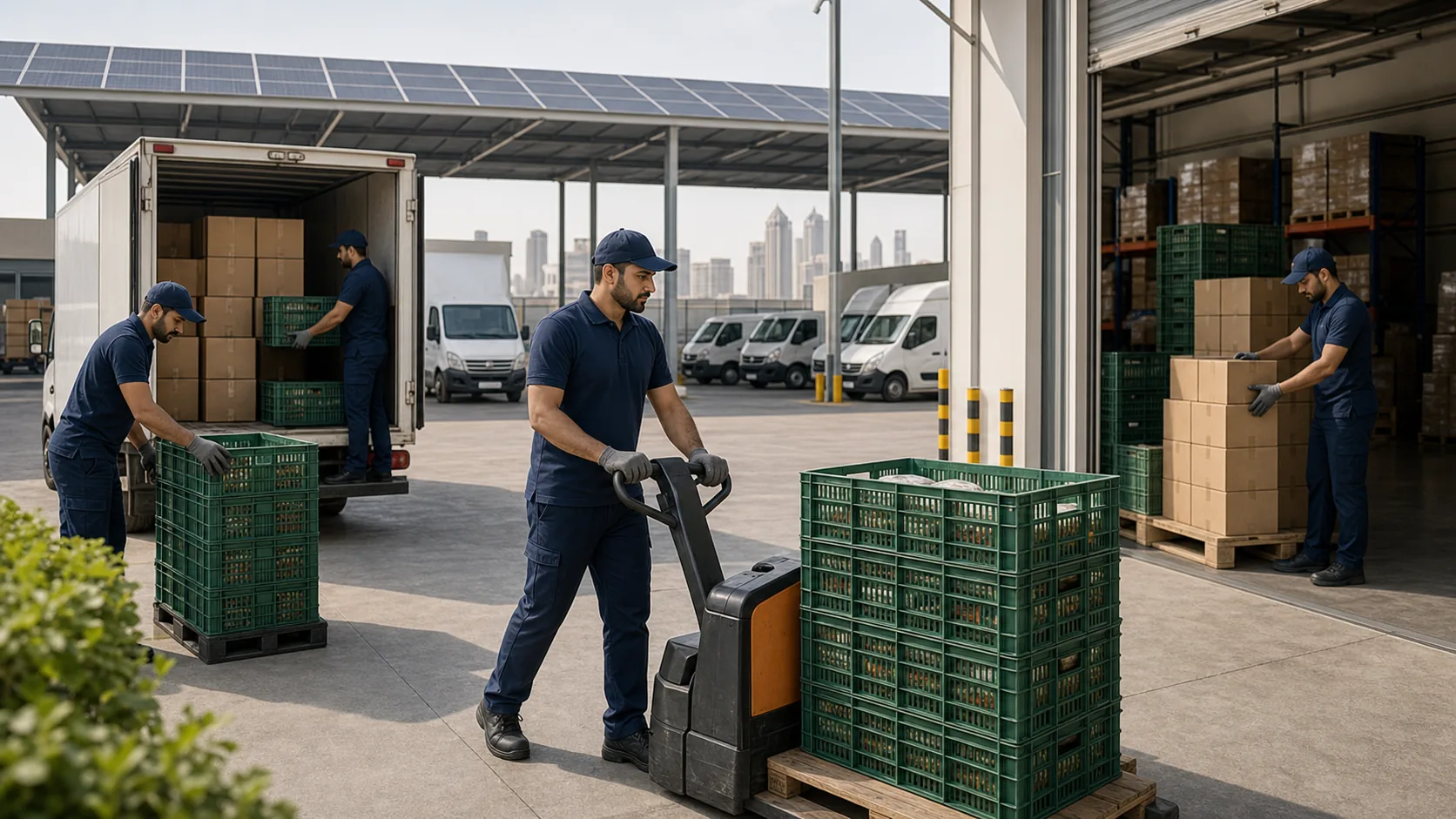
FMCG warehouses, particularly those with extensive cold chain infrastructure, consume significant energy. Solar panel installations on warehouse roofs are increasingly common in the UAE's abundant-sunshine environment. Energy-efficient cooling systems, LED lighting, and smart building management systems all contribute to reducing the environmental footprint of warehouse operations.
The UAE Policy Context
The UAE's Net Zero 2050 strategy signals a clear direction of travel for all industries, including food distribution. Brands choosing distribution partners should consider sustainability capability as a forward-looking indicator — distributors investing in sustainable practices today will be better positioned for the regulatory environment of tomorrow.
Interested in how Bagason Group approaches sustainable distribution? Get in touch to learn more about our operations and environmental initiatives.
Frequently Asked Questions
Q: What sustainability regulations affect FMCG distribution in the UAE?
A: The UAE's Net Zero 2050 strategy and Emirates Green Development Council are driving regulatory evolution. Extended Producer Responsibility (EPR) for packaging is under development, and food waste reduction targets are being incorporated into municipal regulations.
Q: How can FMCG distributors reduce food waste?
A: Better demand forecasting, strict FIFO enforcement, shorter order-to-delivery cycles, dynamic pricing for near-expiry products, and donation programs for surplus stock that is still safe to consume all contribute to waste reduction.
Q: Do UAE consumers care about sustainability in FMCG?
A: Yes and increasingly so, particularly among younger demographics and higher-income consumers. Products with clear sustainability credentials, eco-friendly packaging, and transparent sourcing are gaining market share across categories.
Sources and References
This article draws on publicly available government data, industry body reports, and Bagason Group operational experience. All figures are estimates and should be treated as directional.
- UAE Ministry of Economy — National economic indicators and trade data
- Dubai Chambers — Dubai Economic Report
- UAE Federal Competitiveness and Statistics Centre (FCSA) — Consumer spending and trade statistics
- Gulfood — Industry Insights and Market Reports
- UAE Ministry of Human Resources (MOHRE) — Labour and workplace regulations
- Bagason Group — Internal distribution operations and market coverage data