The AI Revolution Reaching FMCG Warehouses and Delivery Fleets
Artificial intelligence and automation are no longer futuristic concepts for FMCG distribution — they are operational realities that are reshaping how products move from manufacturers to consumers across the Middle East. From demand prediction algorithms that anticipate sales before they happen to robotic picking systems that fulfil orders faster than human teams, the technology transformation is underway.
AI-Powered Demand Forecasting
Traditional demand forecasting relies on historical sales data and manual adjustments for seasonality. AI-driven forecasting adds layers of intelligence: it analyses sales patterns alongside external factors like weather, events, religious calendar periods, social media trends, and competitor activity to generate more accurate predictions. For a UAE distributor managing hundreds of SKUs across multiple channels, even a modest improvement in forecast accuracy translates into millions of dirhams saved through reduced waste and fewer stockouts.
Warehouse Automation
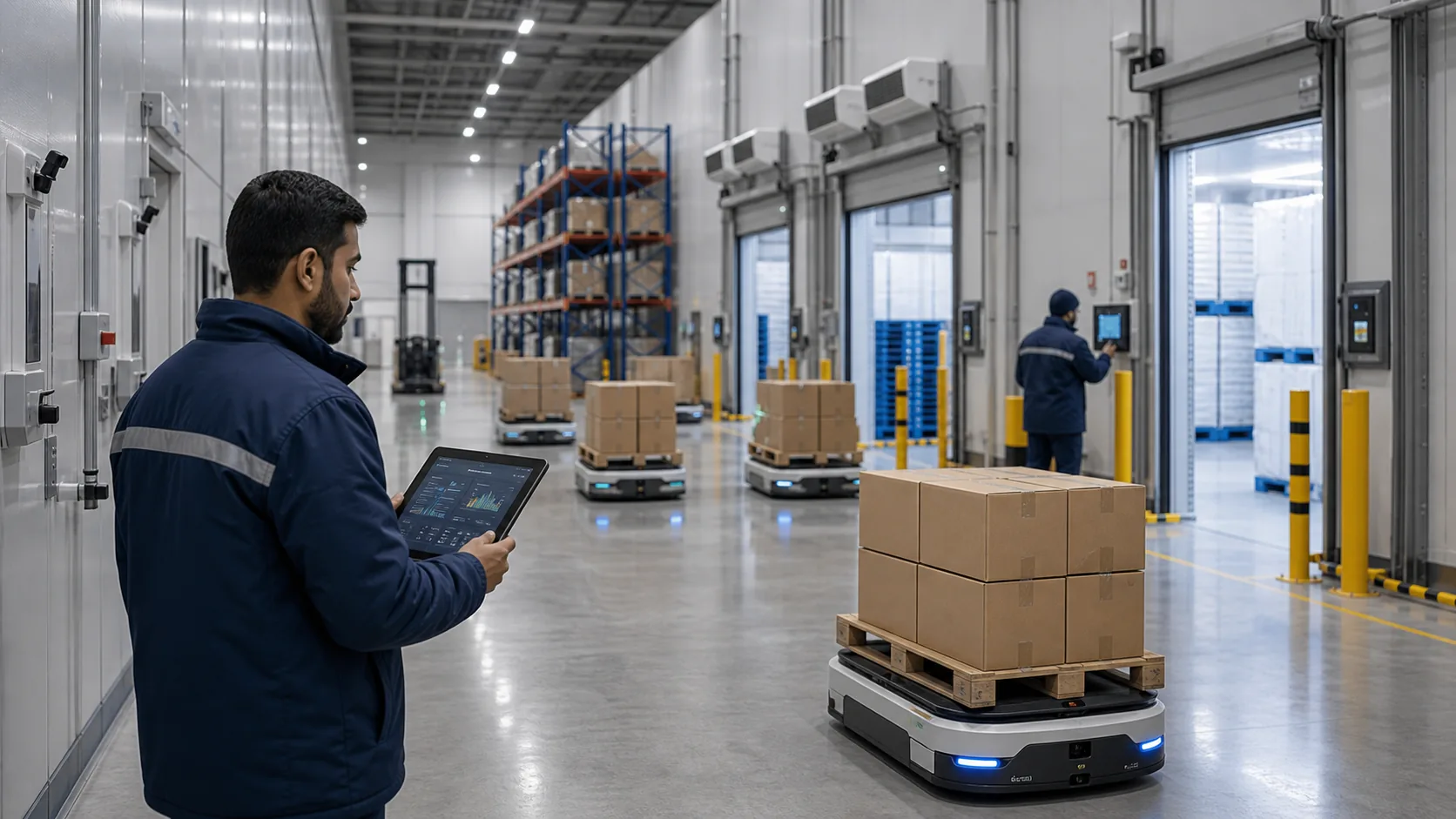
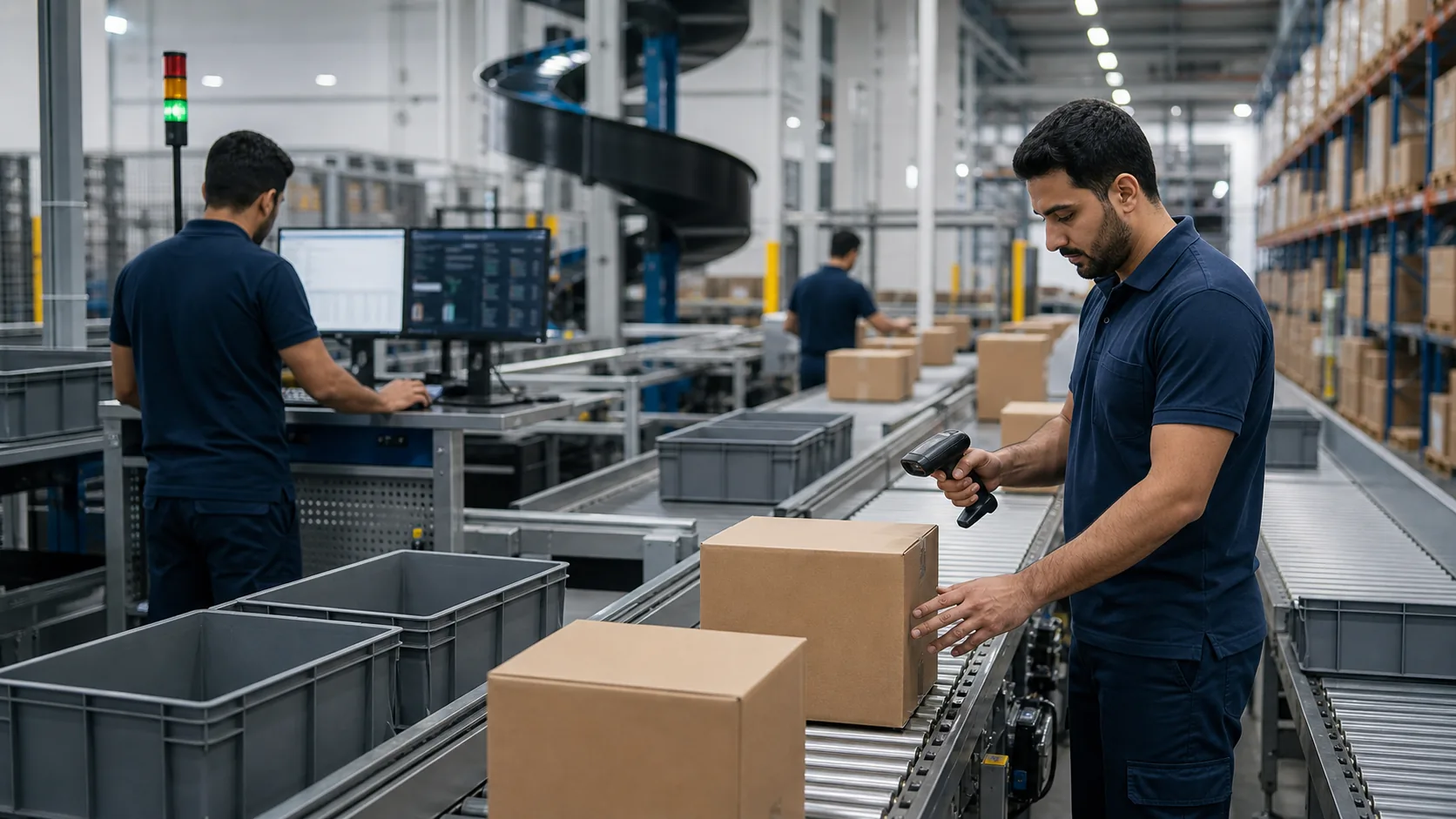
Robotic picking systems, automated storage and retrieval systems (ASRS), and conveyor-based sorting are being adopted by larger distribution operations in the region. These technologies increase throughput, reduce picking errors, and enable 24-hour warehouse operations. While fully automated warehouses remain rare in the UAE FMCG sector, partial automation — particularly for high-velocity SKU picking — is becoming standard among leading distributors.
Route Optimisation Algorithms
AI-driven route optimisation goes beyond simple GPS navigation. These systems consider vehicle capacity, delivery time windows, traffic predictions, fuel efficiency, and customer priority to generate optimal delivery routes daily. The result is fewer kilometres driven, more deliveries per vehicle per day, and lower operational costs.
Accessible Technology for Mid-Sized Distributors
The democratisation of AI through cloud platforms and integrated ERP systems means these capabilities are not restricted to multinational giants. Mid-sized distributors like Bagason Group can implement AI-powered forecasting, route optimisation, and automated inventory management through their existing technology platforms, making intelligent distribution accessible without massive capital expenditure.
Want to work with a technology-forward distributor? Contact Bagason Group to learn about our digital capabilities.
Frequently Asked Questions
Q: How are UAE FMCG distributors using AI today?
A: Current applications include AI-powered demand forecasting that predicts stock requirements, route optimisation algorithms that reduce delivery costs, and automated inventory management systems that trigger reorders based on real-time sales data.
Q: Will warehouse automation replace human workers in FMCG distribution?
A: Automation augments rather than replaces human workers. Automated storage and retrieval systems handle repetitive tasks, while human expertise remains essential for quality judgement, customer relationships, and exception handling.
Q: Is AI adoption realistic for mid-sized distributors in the UAE?
A: Yes. Cloud-based AI tools and integrated ERP platforms have made these technologies accessible beyond large enterprises. Mid-sized distributors can implement demand forecasting, route optimisation, and automated reporting without massive capital investment.
Sources and References
This article draws on publicly available government data, industry body reports, and Bagason Group operational experience. All figures are estimates and should be treated as directional.
- UAE Ministry of Economy — National economic indicators and trade data
- Dubai Chambers — Dubai Economic Report
- UAE Federal Competitiveness and Statistics Centre (FCSA) — Consumer spending and trade statistics
- Gulfood — Industry Insights and Market Reports
- UAE Ministry of Human Resources (MOHRE) — Labour and workplace regulations
- Bagason Group — Internal distribution operations and market coverage data