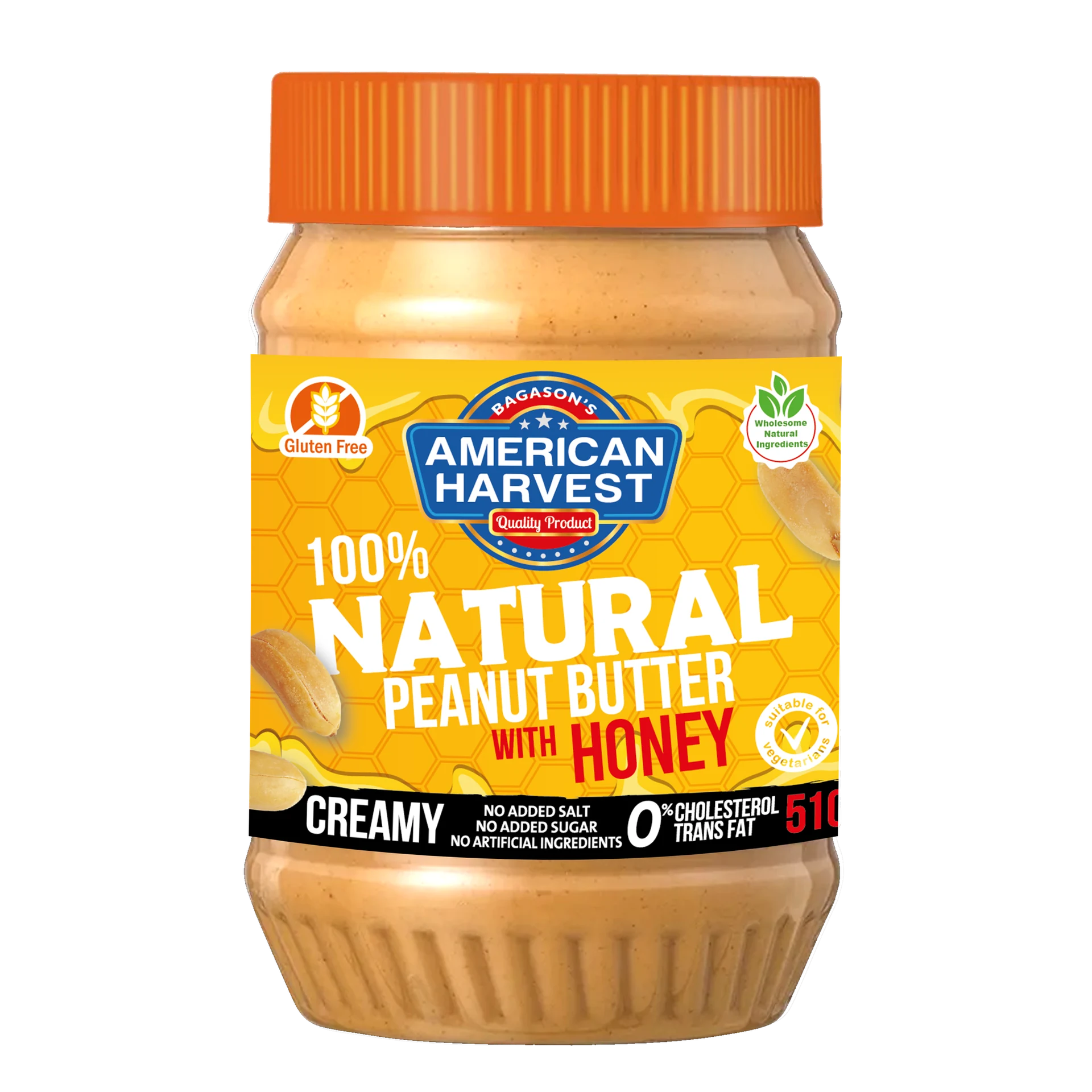
Finding a single food item that offers a balance of macronutrients, essential minerals, and long lasting energy is rare. Natural peanut butter stands out as one of the most nutritionally complete pantry staples because it provides a dense concentration of plant based proteins, heart healthy fats, and dietary fibre in every serving. For many households across the Emirates, it has transitioned from a simple spread to a functional food used to enhance athletic performance and daily wellness. The versatility of this nut butter allows it to integrate seamlessly into various dietary patterns, whether one is following a high protein regimen or a plant based lifestyle.

The Vital Difference Between Natural and Commercial Varieties
Selecting the right jar requires a close look at the ingredients list. Conventional or commercial peanut butters often contain additives designed to improve shelf life and prevent oil separation. These typically include hydrogenated vegetable oils, which are source of trans fats, and significant amounts of refined sugar and salt. In contrast, natural peanut butter benefits UAE consumers by offering a product that consists solely of roasted peanuts. When the oil rises to the top of a natural jar, it is a sign of purity, indicating that no emulsifiers have been added to keep the mixture permanently smooth. Avoiding these unnecessary additives ensures that you are consuming a nutrient dense whole food rather than a processed confection.
Protein Content and Amino Acid Profile
Peanut butter is an exceptional source of plant based protein, providing approximately 7 to 8 grams per two tablespoon serving. This peanut butter protein UAE enthusiasts rely on is essential for muscle repair and the maintenance of lean body mass. While peanuts are technically legumes, their amino acid profile is robust. They are particularly high in arginine, an amino acid that supports healthy blood flow and cardiovascular function. To create a complete protein profile containing all nine essential amino acids, many people pair peanut butter with whole grain bread or oats, as the methionine found in grains complements the lysine and other amino acids in peanuts. This makes it a foundational component for those looking to meet their daily protein requirements without relying solely on animal sources.
Healthy Fats and Heart Health
The fat content in natural peanut butter is often misunderstood due to its caloric density. However, roughly 80 percent of the fats found in peanuts are unsaturated. Specifically, it is rich in monounsaturated fats, particularly oleic acid, which is the same heart healthy fat found in olive oil. These fats are known to help maintain healthy cholesterol levels by supporting HDL (good cholesterol) while managing LDL (bad cholesterol). Because it is a peanut butter no added sugar variety, the focus remains on these beneficial lipids that provide sustained energy and support the absorption of fat soluble vitamins like A, D, E, and K. Replacing saturated fats in the diet with the monounsaturated fats found in peanuts is a research backed strategy for long term cardiovascular health.
Comprehensive Micronutrient Profile
Beyond the macronutrients, a standard serving of natural peanut butter is a powerhouse of vitamins and minerals. It is an excellent source of vitamin E, a potent antioxidant that protects cells from oxidative stress and supports skin health. It also provides significant amounts of B vitamins, particularly niacin (B3), which is crucial for energy metabolism and nerve function. The mineral content is equally impressive, featuring magnesium for bone health and muscle function, phosphorus for cellular repair, and potassium to help balance sodium levels in the body. Detailed peanut butter nutrition facts show that these micronutrients work synergistically to support the immune system and metabolic efficiency, making it far more than just a source of calories.
Fibre Content for Satiety and Digestion
Each serving of natural peanut butter provides about 2 grams of dietary fibre. While this may seem modest, it contributes significantly to the daily goal of 25 to 30 grams when combined with fruits or whole grains. This fibre plays a dual role: it supports a healthy gut microbiome by acting as a prebiotic and it slows down the digestion process. This slower transit time through the digestive tract helps you feel fuller for longer, which is a key factor in preventing overeating later in the day. For those seeking healthy peanut butter UAE options, the inclusion of natural fibre without the interference of added sugars ensures that digestive health remains a priority.
Blood Sugar Management and Glycaemic Index
Natural peanut butter has a low glycaemic index (GI), meaning it causes a slow and steady rise in blood glucose rather than a sharp spike. This is due to its high fat and protein content, which buffers the absorption of carbohydrates. When consumed with a carbohydrate source, such as an apple or a slice of toast, the peanut butter reduces the overall glycaemic load of the snack. This makes it an ideal choice for individuals monitoring their blood sugar levels or those looking to avoid the energy crashes associated with high sugar snacks. The stability provided by this nutrient balance supports consistent energy levels throughout the working day or during long periods of activity.
The Role of Peanut Butter in Weight Management
It might seem counterintuitive to use a calorie dense food for weight control, but peanut butter for weight loss is a concept supported by satiety research. The combination of protein, fat, and fibre creates a high level of satisfaction that can reduce the desire for processed snacks between meals. Studies have shown that people who regularly include nuts and nut butters in their diets tend to have a lower Body Mass Index (BMI) and better weight maintenance over time compared to those who do not. The key is portion control; because natural peanut butter is so satisfying, a small amount goes a long way in curbing hunger and providing the sensory pleasure that makes a healthy diet sustainable.
Sports Nutrition and Recovery
Athletes and active individuals often use peanut butter as a primary fuel source. Its high caloric density provides the energy needed for endurance activities, while the protein content supports muscle protein synthesis after a workout. Many runners and cyclists in the UAE incorporate it into their pre race meals to ensure a slow release of energy. Post exercise, the potassium and magnesium help replenish electrolytes lost through sweat, and the healthy fats support the hormonal health necessary for recovery. Its shelf stability also makes it a convenient snack to carry in a gym bag or on a hiking trip, providing a reliable source of American Harvest peanut butter UAE quality nutrition whenever it is needed.
5 Practical Ways to Use Peanut Butter in a UAE Household
1. Enhanced Breakfast Bowls
Incorporate a generous dollop into your morning oats or a smoothie bowl. This peanut butter breakfast UAE habit adds creaminess and ensures you start the day with a balance of slow release carbohydrates and protein.
2. Natural Fruit Dip
Slice local dates or crisp apples and use peanut butter as a dip. The saltiness of the peanuts perfectly complements the natural sweetness of the fruit, creating a nutrient dense afternoon snack for children and adults alike.
3. Savoury Satay Sauces
Peanut butter is not just for sweet dishes. Mix it with soy sauce, lime juice, and a hint of chilli to create a healthy dressing for grilled chicken or tofu skewers, bringing a rich depth of flavour to evening meals.
4. High Protein Smoothies
Blend a tablespoon into a post workout shake with banana, spinach, and almond milk. It provides a thick texture and masks the taste of greens, making it an easy way to boost your daily nutrient intake.
5. Home Made Energy Bites
Combine peanut butter with rolled oats, seeds, and a touch of honey. Roll them into small balls for a portable, healthy nut butter UAE based snack that requires no baking and stays fresh in the fridge for a week.
Peanut Allergy Awareness and Safety
While the benefits are extensive, it is vital to acknowledge that peanuts are one of the most common allergens. For households with young children, introducing peanut products should be done according to the latest paediatric guidelines, which often suggest early introduction under specific conditions to reduce the risk of developing an allergy. Always ensure that peanut butter is stored securely and that surfaces are cleaned after use if someone in the household has a known sensitivity. Education on reading labels is also important, as many processed foods may contain traces of nuts even if they are not a primary ingredient.
The American Harvest Standard of Purity
At the heart of a clean pantry is the quality of the ingredients used. American Harvest foods UAE consumers trust are built on the principle of minimal intervention. This natural peanut butter contains no hydrogenated oils, no added salt, and absolutely no sugar. By sourcing only the highest quality peanuts and roasting them to perfection, the brand ensures that the natural oils and flavours are preserved. This commitment to purity means that you are getting a product that aligns with the strictest nutritional goals, whether you are an athlete or a parent looking for the best for your family. As a premier distributor, Bagason Middle East ensures these high quality staples are accessible to everyone across the region.
Sustainable Nutrition Habits for the Future
Integrating natural peanut butter into your daily routine is a simple yet powerful way to improve your overall nutritional profile. Its long shelf life and high nutrient density make it a sustainable choice for busy modern lives. By moving away from commercial varieties laden with additives and choosing a pure, roasted peanut spread, you are making a conscious decision to support your heart, muscles, and metabolic health. Whether it is spread on toast, blended into a drink, or eaten straight from the spoon, natural peanut butter remains a timeless and essential component of a balanced, wholesome diet.