The aroma of a freshly opened jar of achar is a sensory anchor for millions of South Asians living across the Emirates. For generations, the tradition of pickle making has been far more than a method of food preservation: it has served as a cultural cornerstone, connecting families to the seasonal rhythms of their ancestral lands. In the diverse culinary landscape of the United Arab Emirates, where modern convenience often dictates dining habits, the enduring presence of traditional Indian pickles speaks to their deep-rooted significance. These condiments have survived centuries of shifting dietary trends because they offer a unique combination of intense flavour, nostalgia, and functional health benefits that modern processed foods struggle to replicate.

The Place of Pickles in Indian Food Culture
In the traditional Indian household, the annual ritual of pickle making was a communal event, often led by the matriarchs of the family. As summer reached its peak, baskets of raw mangoes, lemons, and chillies were cleaned, sliced, and laid out on sun-drenched rooftops to dry. This practice was born out of necessity: a way to capture the essence of seasonal produce and ensure its availability during the leaner months. However, pickles evolved to become much more than a survival food. They became the "soul" of the meal, capable of transforming a simple bowl of dal and rice into a feast. The complexity of a well-made pickle, with its balance of salt, acid, heat, and spice, provides the necessary contrast to the milder flavours of staple grains. Even as many families move toward faster, more globalised diets, the familiar tang of an authentic Indian achar UAE remains a non-negotiable component of the dining table, grounding the expat experience in a sense of home and heritage.
What Makes a Pickle Natural
Understanding the distinction between a natural pickle and its mass-produced commercial counterpart is essential for the health-conscious consumer. A truly natural pickle relies on time-honoured techniques rather than chemical interventions. In a traditional setting, the preservation is achieved through a delicate balance of salt, acidity from the fruit itself or natural citrus, and high-quality oils. Commercially processed pickles often take shortcuts to extend shelf life and reduce production costs, frequently employing synthetic vinegar, artificial colours, and chemical preservatives like sodium benzoate. Natural Indian pickles UAE, such as those in the India Mills range, are defined by their reliance on whole spices and sun-ripening processes. These methods allow the flavours to develop slowly and deeply, resulting in a texture and taste profile that is vibrantly alive. When you choose a natural pickle, you are opting for a "clean label" product where every ingredient serves a dual purpose of flavour and preservation, free from the hollow additives found in industrial alternatives.
Traditional Oil-Preservation and Fermentation Methods
The science behind traditional Indian pickle making is a masterclass in ancient food technology. Unlike Western-style pickles that often submerge vegetables in a boiling vinegar brine, Indian achar typically utilises oil-preservation and lacto-fermentation. The process begins with the "curing" of the main ingredient, usually mango or lime, with salt and turmeric. This draws out moisture and creates an environment where beneficial bacteria can thrive while harmful pathogens are suppressed. Spices like mustard seeds and fenugreek are added, contributing not just flavour but also antimicrobial properties. Finally, a layer of oil, often mustard or sesame, is used to seal the mixture. This oil barrier is crucial as it prevents oxygen from reaching the produce, thereby inhibiting the growth of aerobic moulds. Over several weeks, the ingredients undergo a slow transformation, mellowing the harshness of the raw spices and developing the characteristic "tang" that defines a high-quality ferment. This slow-cured approach ensures that the vitamins and enzymes within the vegetables are preserved rather than destroyed by high-heat processing.
Gut Health and Probiotics: The Research
Modern nutritional science is finally catching up with what traditional wisdom has known for centuries: fermented foods are vital for a healthy microbiome. The pickle health benefits gut enthusiasts often discuss stem from the natural fermentation process that occurs during the curing stage. When pickles are prepared without the use of heat or harsh chemical vinegars, they become a source of lactic acid bacteria. These probiotics are instrumental in maintaining a balanced gut flora, which is linked to improved digestion, stronger immunity, and even better mental clarity. Furthermore, the spices used in traditional recipes, such as asafoetida (hing), cumin, and fennel, are well-documented carminatives that aid in the breakdown of complex carbohydrates and proteins. For the South Asian expat in the UAE, incorporating a small portion of naturally made pickle into a meal is an effortless way to introduce these "good bacteria" into the diet, supporting metabolic health in a way that processed condiments cannot.
The Condiment Role of Pickles in the Indian Meal
In the architecture of a South Asian meal, the pickle is a powerful accent, meant to be consumed in small, concentrated amounts. It is not a side vegetable but a potent catalyst for flavour. A tiny morsel of lime pickle can cut through the richness of a buttery paratha, while a spoonful of spicy mango achar provides the necessary "kick" to a cooling bowl of curd rice. Regional traditions dictate specific pairings: in the South, the fiery and oil-rich avakai is the perfect companion to steamed rice and ghee, whereas in the North, a mixed vegetable pickle often accompanies hearty winter stews. Because of their high salt and oil content, portion control is key. When used correctly as a condiment, pickles stimulate the salivary glands and prepare the digestive system for the meal ahead. This ritual of pairing specific pickles with certain grains or lentils is a sophisticated culinary practice that balances the six tastes (rasas) of Ayurveda, ensuring a satisfying and nutritionally complete dining experience.
India Mills Mango Pickle: Varieties and Authenticity
Mango pickle is the undisputed king of the achar world, and the India Mills range offers varieties that cater to diverse regional palates. Their Mango Thokku is a South Indian speciality, featuring finely grated mango cooked down with spices until it reaches a jam-like consistency. It is tangy, slightly spicy, and incredibly versatile, making it an excellent choice for those who prefer a smoother texture. On the other hand, the more traditional sliced mango pickles feature firm, chunky pieces of fruit that have absorbed the surrounding spice oil while maintaining a satisfying bite. The aroma is dominated by the pungency of mustard and the earthy warmth of fenugreek. What makes a mango pickle UAE authentic is the quality of the raw mango used; it must be sufficiently tart and firm to withstand the curing process. India Mills ensures this authenticity by using traditional recipes that allow the natural tartness of the mango to shine through, balanced by a sophisticated blend of aromatics.
India Mills Garlic Pickle: Flavour and Heat
For those who crave bold, pungent flavours, the garlic pickle is a standout choice. This pickle features whole cloves of garlic that have been softened through the pickling process, losing their raw "bite" and developing a rich, mellow sweetness that is perfectly complemented by a spicy, oil-based gravy. The heat level is typically moderate to high, provided by a blend of red chilli powder and other warming spices. In Indian tradition, garlic is prized for its medicinal properties, including its ability to support cardiovascular health and boost the immune system. The India Mills Garlic Pickle is particularly effective when paired with milder dishes like plain moong dal or simple rotis, where its intense flavour profile can take centre stage. Its deep amber colour and aromatic oil make it an appetising addition to any meal, providing a savoury depth that is reminiscent of home-cooked village recipes.
India Mills Red Chilli Pickle: Heat and Versatility
The red chilli pickle UAE is designed for the true spice enthusiast. Made using plump, vibrant red chillies, this pickle is a masterclass in balancing heat with flavour. It is not merely "hot": it is aromatic and deeply savoury, thanks to the addition of spices like mustard and fennel. The texture of the chilli skin remains slightly firm, while the interior becomes infused with the spiced oil. Beyond its role as a table condiment, this pickle is an incredible tool for the modern cook. A small amount of the pickling oil can be used to temper a dal, or the chillies themselves can be chopped up and added to a marinade for grilled meats. It provides an instant infusion of "achar" flavour to any dish, making it a staple for those who want to add a spicy, traditional touch to their contemporary UAE kitchen.
India Mills Mango Avakai: The Andhra Tradition
Few pickles command as much respect as the Andhra Avakai. This iconic South Indian preparation is famous for its fiery heat, its thick, grainy spice paste, and its use of large, unpeeled mango chunks. The inclusion of the mango stone (the inner shell) during the pickling process is a traditional touch that adds a unique character to the pickle. The avakai mango pickle from India Mills stays true to this rigorous tradition, using a potent combination of mustard powder (ava), red chilli, and oil. The result is a pickle that is intense, salty, and incredibly aromatic. It is traditionally eaten by mixing a small amount with hot steamed rice and a generous drizzle of ghee, a combination that is considered the ultimate comfort food for many South Asians. Its distinctive flavour profile, characterised by the sharp hit of mustard, makes it a must-have for anyone seeking an authentic taste of the Telugu culinary heritage.
India Mills Lime Pickle and Mix Veg
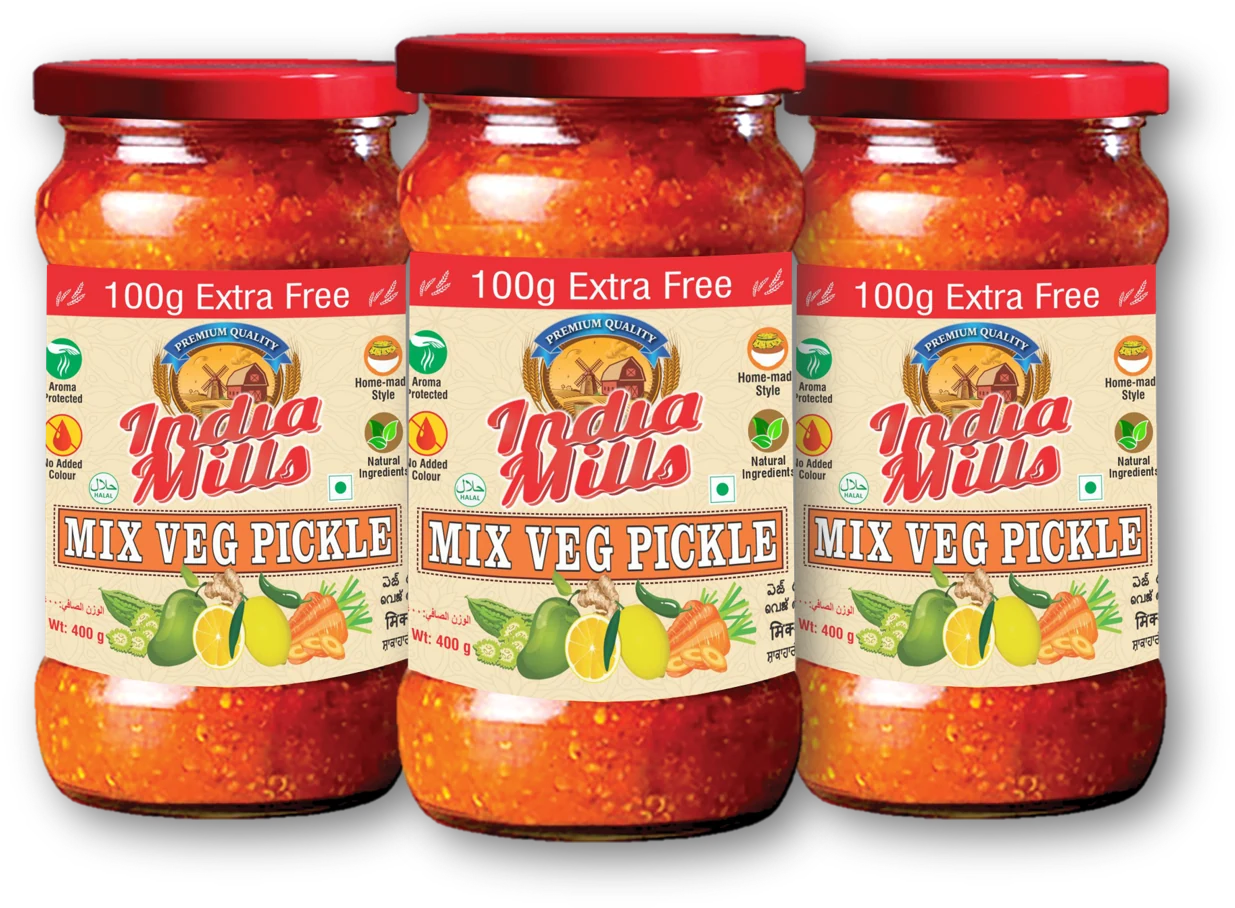
While mango and garlic offer intensity, the lime and mixed vegetable pickles provide a different kind of balance. The India Mills Lime Pickle is a refreshing, citrusy condiment that works as a perfect palate cleanser. The lime skins are cured until they are soft and translucent, resulting in a flavour that is sharply sour with a subtle bitter undertone that is highly addictive. It is often recommended for settling the stomach after a heavy meal. In contrast, the Mixed Vegetable Pickle is a medley of textures and flavours, often featuring carrots, cauliflower, and green chillies. It is the most "approachable" of the pickles, offering a balanced taste that isn't dominated by a single ingredient. For a quick lunch in the UAE, a few pieces of mix veg pickle can brighten up a simple vegetable pulao or a store-bought wrap, providing a much-needed hit of acidity and spice.
How to Use Pickles Beyond the Plate
While the traditional way to enjoy an authentic Indian achar UAE is as a side to rice or roti, these flavour-dense jars have immense potential in modern fusion cooking. The spiced oil found at the top of a pickle jar is a "liquid gold" that can be used to elevate salad dressings or as a finishing oil for roasted vegetables.
- Marinades: Use the paste from a garlic or red chilli pickle to rub onto chicken or paneer before grilling.
- Dressings: Whisk a teaspoon of lime pickle into olive oil and honey for a zesty, Indian-inspired vinaigrette.
- Sandwiches and Wraps: Swap out standard mayo or mustard for a thin layer of mango thokku to add an instant punch of flavour.
- Hummus: Stir a spoonful of spicy pickle into a bowl of hummus for a Middle Eastern-South Asian fusion dip.
Storing Indian Pickles in the UAE Climate
The warm and humid climate of the UAE requires careful attention to how you store your India Mills UAE Bagason products. To maintain the quality and longevity of your natural pickles, follow these essential hygiene rules:
- Oil Coverage: Always ensure that the top layer of the pickle is completely submerged in oil. If the oil level drops, you can top it up with a little warm, cooled mustard or sesame oil. This acts as a natural seal against mould.
- The Dry Spoon Rule: Never, under any circumstances, use a wet spoon to take out pickle. Even a single drop of water can introduce bacteria and cause the entire jar to spoil. Always use a clean, bone-dry stainless steel or wooden spoon.
- Temperature Control: While traditional pickles were often kept in ceramic jars in a cool corner of the pantry, the intense heat in the UAE means that refrigeration is often the safest bet once a jar has been opened. This helps preserve the vibrant colour and prevents the oil from becoming rancid.
- Avoid Direct Sunlight: Once the initial sun-curing process is complete, keep your jars in a dark cupboard to prevent the spices from losing their potency.
Keeping Food Traditions Alive
In the fast-paced, high-tech environment of the modern UAE, it is easy to lose touch with the slow, deliberate traditions of our past. However, choosing to include natural, traditionally made pickles in our diet is a simple act of cultural preservation. It is a way to honour the craftsmanship of earlier generations while also making a conscious choice for our health. Brands like India Mills UAE Bagason bridge the gap between tradition and the modern pantry, offering authentic flavours that fit into a contemporary lifestyle. By understanding the science of fermentation, the benefits of clean ingredients, and the art of pairing, we can ensure that these ancient condiments remain a vibrant and relevant part of our diet for years to come. Whether you are an expat longing for a taste of home or a food lover exploring new horizons, a jar of natural Indian pickle is a testament to the fact that some things are simply too good to be left behind.