A good kheer recipe is one of those things every UAE household seems to have an opinion about. Grandmothers guard their ratio of milk to rice like a family secret, aunties argue over cardamom versus saffron, and everyone agrees the pot needs constant stirring. As Diwali week approaches and the evenings finally cool down, milk desserts move to the center of the table again: kheer simmering on the stove, a mug of hot chocolate warming cold hands, small milk sweets passed around after dinner.
This guide walks through a full kheer recipe using Nutrizain rice as the base, a simple hot chocolate you can make on a weeknight, and a few milk dessert recipes that round out a festive spread. Use it as a working kitchen plan for the next few weeks, not a lecture on tradition.
You won't need any specialty equipment for it. A heavy-bottomed pan, a wooden spoon, and a bit of patience get you most of the way there.
Why milk desserts belong on the festive table
The festive desserts Indian households make in October and November tend to share one thing: milk, reduced slowly until it thickens and turns faintly golden. That slow reduction is what gives kheer, rabri, and basundi their body and their gentle sweetness. It also happens to suit the UAE calendar well, since Diwali usually lands right when the weather turns cool enough to enjoy standing over a hot stove again.
There's also a practical side to this. Milk-based sweets travel well between homes, hold up in a fridge for a couple of days, and reheat without much fuss. That makes them a natural choice for the round of visiting, gifting, and hosting that fills up a typical festive week in Dubai, Sharjah, or Abu Dhabi.
Here's the thing about hosting during Diwali week specifically: everyone is juggling office parties, family visits, and school events at once. A dessert that can sit on the counter, get reheated in ten minutes, and please three generations at the same table earns its place. Kheer does exactly that.
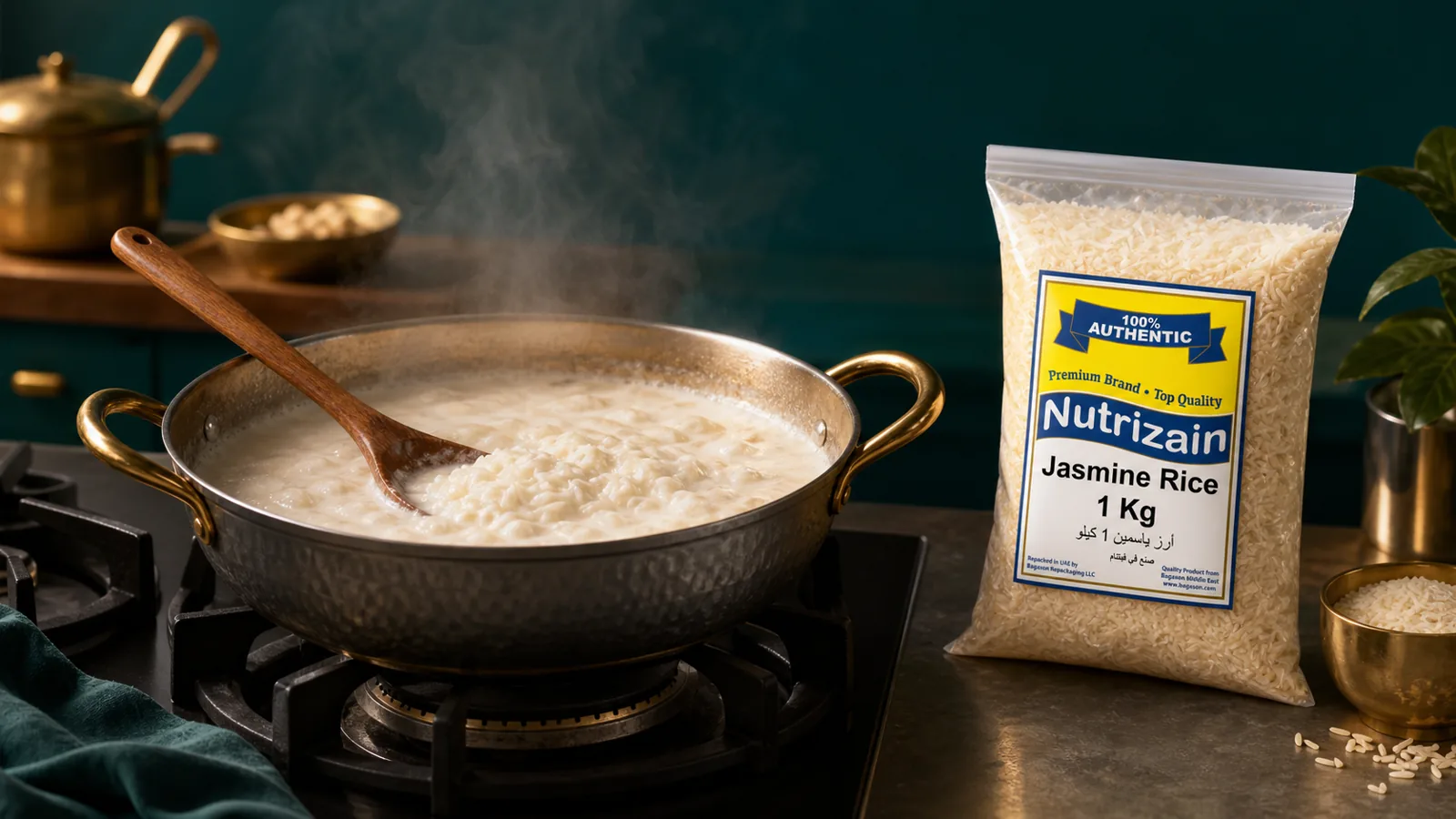
The kheer recipe: a Diwali classic done right
This kheer recipe uses Nutrizain rice, which holds its shape well during a long simmer without turning to mush. That matters more than people expect. Rice that breaks down too fast gives you a thick, starchy pudding instead of the loose, creamy consistency good kheer is known for.
Serves 6 as a dessert course, with enough for seconds.
Ingredients
- 1/2 cup Nutrizain rice, rinsed and soaked for 20 minutes
- 1.5 litres full-fat milk
- 3/4 cup sugar, or to taste
- 4-5 green cardamom pods, lightly crushed
- A pinch of saffron strands, soaked in 2 tablespoons warm milk
- 2 tablespoons ghee
- 15 cashews, halved
- 15 almonds, slivered
- 1 tablespoon raisins
Method
- Warm the ghee in a heavy-bottomed pan over low heat. Add the cashews, almonds, and raisins, and toast for two minutes until the nuts turn golden. Set them aside on a plate.
- In the same pan, pour in the milk and bring it to a gentle boil over medium heat, stirring so it doesn't catch at the bottom.
- Drain the soaked rice and add it to the milk. Lower the heat so the milk holds a slow simmer, not a rolling boil.
- Cook uncovered for 35-40 minutes, stirring every few minutes and scraping the sides of the pan back into the pot. The rice should soften completely and the milk should reduce by close to half.
- Stir in the sugar, crushed cardamom, and saffron milk. Cook for another 8-10 minutes, until the kheer coats the back of a spoon.
- Turn off the heat and fold in most of the toasted nuts and raisins, keeping a few back for garnish.
- Let the kheer rest for at least 20 minutes before serving. It thickens further as it cools, so loosen it with a splash of warm milk if needed.
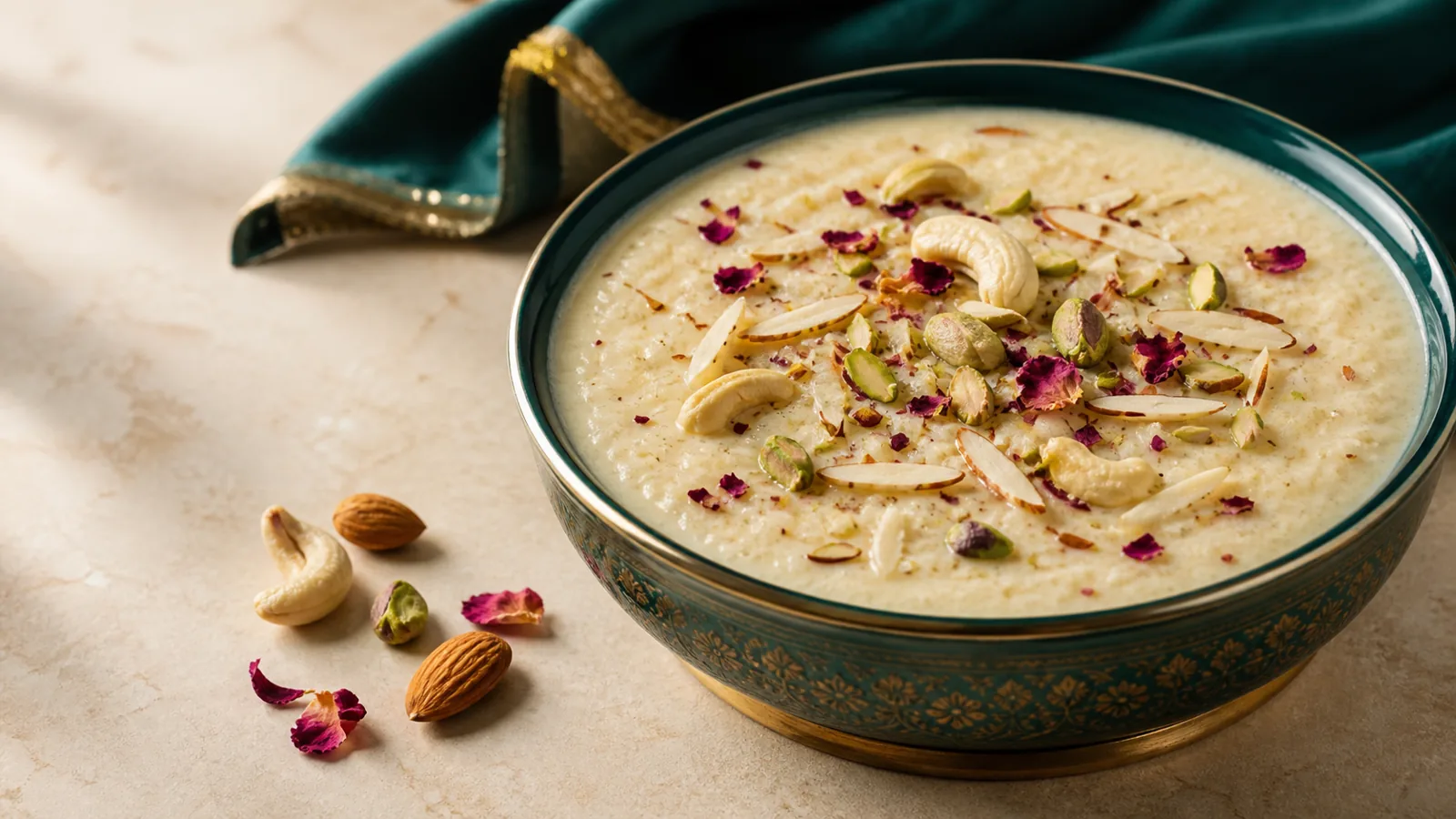
- Serve warm or chilled, topped with the reserved nuts and a few extra saffron strands.
If there's one rule to remember, it's this: never rush the reduction. Kheer that's boiled hard for 15 minutes tastes thin and grainy compared to the same rice and milk simmered gently for closer to 45. Low heat and a longer stretch of stirring is the whole trick.
Picking the right rice for a rice pudding recipe
Kheer is the Indian branch of a much wider family of rice pudding recipes that stretches across South Asia, the Gulf, and beyond. The rice you choose changes the texture more than any other ingredient. Short-grain and broken rice varieties release more starch and give a thicker, more porridge-like result. Aged long-grain rice, including Nutrizain, tends to stay more distinct, so each grain is visible in the finished bowl rather than dissolving into the milk.
If you prefer a thicker, more rustic-style pudding, you can swap in broken rice or reduce the milk for a longer stretch. If you want the lighter, more elegant kheer served at Diwali dinners, stick with the method above and resist the urge to add flour or cornstarch as a shortcut. It works, but it changes the dessert into something closer to a starch-thickened pudding than a proper kheer.
Some cooks also swap rice for vermicelli, which gives you a version closer to a milk-based payasam. The method stays nearly identical: toast the vermicelli lightly in ghee first, then simmer it in milk the same way you would the rice.
Common kheer mistakes and easy fixes
Even an experienced cook can run into trouble with kheer, usually for one of a handful of reasons. Knowing what went wrong saves you from tossing a pot and starting over.
- Milk catches at the bottom: this happens when the heat is too high or the pan is too thin. Switch to a heavy-bottomed pan and stir every couple of minutes, especially in the last stretch once the milk has reduced.
- Kheer turns out thin: the milk hasn't reduced enough. Give it another 10-15 minutes on low heat rather than adding cornstarch, which changes the texture and dulls the flavor.
- Rice turns to mush: the grains cooked too long at too high a heat, or the rice itself was a soft, quick-cooking variety. Aged, longer-grain rice like Nutrizain is more forgiving here.
- Milk splits or curdles: usually caused by adding something acidic, such as fruit, too early. Add sugar only once the rice is fully cooked, and keep fruit garnishes for the very end, if at all.
- Kheer tastes flat: cardamom and saffron lose their punch if added too early and boiled hard for too long. Stir them in during the last ten minutes so their aroma stays intact.
A quick taste test around the halfway mark tells you a lot. If the milk already smells faintly of cardamom and coats a spoon in a thin layer, you're on the right track.
Homemade hot chocolate for cooler evenings
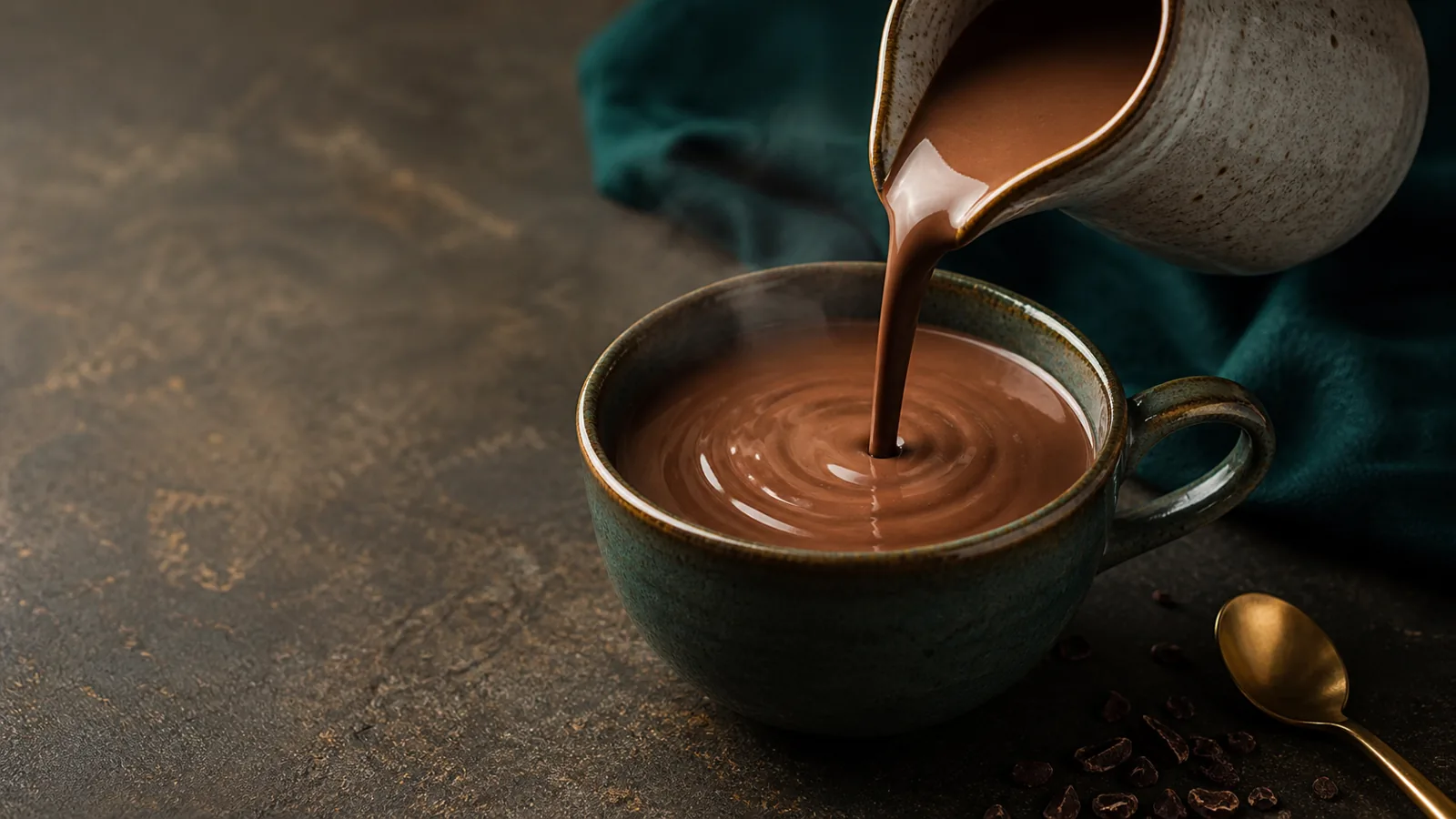
Once the kheer is done, a mug of homemade hot chocolate makes a good follow-up on a cooler evening, especially once the after-dinner crowd has thinned out and it's just family left at the table. This version skips the sachets and builds the drink from milk, cocoa, and a little patience.
- 2 cups full-fat milk
- 2 tablespoons cocoa powder
- 2 tablespoons sugar, adjusted to taste
- A small pinch of salt
- 50g dark chocolate, chopped
- 1/4 teaspoon vanilla extract
Whisk the cocoa, sugar, and salt with a few tablespoons of the milk first, so you get a smooth paste with no lumps. Warm the rest of the milk in a saucepan over medium-low heat, then stir in the cocoa paste. Add the chopped dark chocolate and keep stirring until it melts fully into the milk. Take the pan off the heat, stir in the vanilla, and pour into mugs.
For a festive touch, some households add a spoonful of a Girnar instant premix to a base of warm milk instead, which is a quicker route on a busy weeknight when there's no time to melt chocolate from scratch. Either way, the drink pairs well with the kheer above or with simple biscuits after dinner.
Hot chocolate variations worth trying
Once the basic method is down, it's easy to change the drink up depending on who's asking for a mug. A few small swaps go a long way.
- Cinnamon and clove: add a cinnamon stick and one clove while warming the milk, then strain them out before adding the chocolate. This gives the drink a slightly spiced, wintery edge.
- Orange peel: a strip of orange zest, added and removed the same way, pairs well with dark chocolate and works nicely after a heavier dinner.
- Extra creamy version: replace half a cup of the milk with cream for a thicker, richer mug, best kept for a slow weekend evening rather than a school night.
- Mild chili kick: a tiny pinch of chili powder or cayenne stirred in at the end gives the drink some warmth on the back of the throat, a trick borrowed from Mexican hot chocolate.
Kids usually prefer the plain version without spice, so it helps to make the base first and stir extras into individual mugs rather than the whole pot.
Milk dessert recipes beyond kheer
Kheer gets most of the attention during Diwali week, but plenty of other milk dessert recipes deserve a spot in regular rotation. A short list of milk sweets can round out a dessert spread without adding hours of cooking.
- Rabri: milk reduced until it thickens into folds of cream, sweetened lightly and served chilled with a scattering of pistachio.
- Basundi: similar to rabri but slightly looser, often flavored with cardamom and a few strands of saffron.
- Doodh peda: milk solids cooked down with sugar until they can be shaped into small discs, a common gifting sweet during Diwali.
- Kalakand: a grainy, fudge-like milk sweet cut into squares, popular for festival trays.
All four share the same basic idea as kheer: reduce milk slowly, add sugar toward the end, and let patience do most of the work. If you already have the technique down for kheer, these other milk sweets are a small step away rather than a whole new skill.
Building a festive dessert table without the stress
Hosting during Diwali week in the UAE usually means feeding a mix of guests across a few evenings, not just one big dinner. A dessert table that leans on milk-based sweets works in your favor here, since most of them can be made a day ahead and reheated or served chilled.
A few practical habits make the week easier. Make the kheer the night before and refrigerate it, since the flavor deepens after a night's rest. Keep a batch of toasted nuts on hand so garnishing takes seconds rather than minutes. And if hot chocolate is on the menu for a family movie night, warm the milk base early and keep it on low heat rather than reheating from cold each time someone wants a cup.
What's more, most of these desserts use pantry staples you likely already stock for regular cooking: milk, rice, sugar, and a few spices. There's no need for a special shopping trip unless you're out of good rice or fresh milk.
Serving and storing your desserts
Kheer keeps well in the fridge for up to three days in a sealed container. It thickens as it sits, so add a splash of warm milk before serving to bring it back to a pourable consistency. The hot chocolate is best made fresh, though the dry mix of cocoa, sugar, and salt can be pre-blended and stored in a jar for quick use on busy nights.
Doodh peda and kalakand both hold up at room temperature for a day and refrigerated for closer to a week, which makes them convenient for gifting to neighbors or coworkers during the festival. Rabri and basundi are best kept chilled and eaten within two to three days.
If you're new to any of these milk desserts, start with the kheer above. Once you've got a feel for how milk behaves as it reduces, thickens, and turns that pale golden color, the rest of the family of desserts becomes much easier to attempt.
Key takeaways
- A good kheer recipe rewards patience: simmer gently for 35-45 minutes rather than boiling hard.
- Nutrizain rice holds its shape well, giving a rice pudding with distinct grains rather than a mushy texture.
- Hot chocolate made from milk, cocoa, and dark chocolate takes about ten minutes and needs no special equipment.
- Rabri, basundi, doodh peda, and kalakand share the same reduce-and-sweeten technique as kheer.
- Most milk desserts can be made a day ahead, which helps during a busy Diwali week of hosting and visiting.
The festive desserts Indian families have made for generations don't need much beyond good milk, a bit of rice or cocoa, and time on a low flame. Try the kheer this week, keep the hot chocolate for a quieter evening, and build the rest of the dessert table from there. For more seasonal recipes and kitchen ideas from Bagason, visit our blog, or head to our homepage to see the brands behind these recipes. If you have questions about any of the products mentioned, feel free to get in touch with our team.
Frequently asked questions
What type of rice works best for a kheer recipe?
Aged, long-grain rice such as Nutrizain holds its shape well during a long simmer, so the grains stay distinct rather than dissolving into the milk. Short-grain or broken rice releases more starch and gives a thicker, more porridge-like result. Either works, depending on whether you want a lighter kheer or a heartier pudding.
How long should kheer simmer?
Plan on 35-45 minutes of gentle simmering after the rice goes into the milk, stirring every few minutes so nothing catches at the bottom. Boiling it hard to save time usually leaves the kheer thin and grainy instead of creamy. Low heat and patience matter more than any single ingredient in the recipe.
Can I make kheer a day ahead for a Diwali dinner?
Yes, and many cooks prefer it that way, since the flavor settles and deepens overnight in the fridge. Store it in a sealed container for up to three days. Before serving, stir in a splash of warm milk to loosen the texture, as kheer thickens noticeably once chilled.
What's the difference between kheer and rabri?
Both start from reduced, sweetened milk, but kheer includes rice cooked directly in the milk, while rabri is made from milk alone, reduced until it forms thick folds of cream. Rabri has a denser, richer texture and is usually served in smaller portions than a bowl of kheer.
Can I make homemade hot chocolate without melting chocolate?
Yes. Whisk cocoa powder, sugar, and a pinch of salt into warm milk for a simpler version, or stir in a spoonful of an instant premix such as Girnar's for a quicker option on a busy evening. Melting in some dark chocolate gives a richer, glossier drink if you have a little extra time.
What other milk sweets pair well with kheer at a Diwali gathering?
Doodh peda and kalakand are easy to prepare ahead and hold up well for a day or two, making them convenient additions to a dessert table alongside kheer. Rabri and basundi are good chilled options if you want variety in both temperature and texture across the spread.