Walk a modern trade aisle in Dubai this year and you'll notice something odd: a chilli-honey crisp sitting two shelves above a za'atar-dusted cracker, both aimed at the same shopper on the same Tuesday run. That mix is a fair snapshot of food flavour trends 2026 UAE shoppers are actually chasing, a blend of imported heat-and-sweet combinations sitting beside flavours this region has known for generations. Neither side is winning. They're sitting on the same shelf, sometimes in the same basket.
We distribute and market food across all seven emirates, moving close to 700 SKUs from roughly seventeen brands through modern trade, traditional trade, HORECA and e-commerce. That gives our merchandisers and category teams a fairly wide window into what shoppers actually pick up, not just what a trend report claims they should want. This piece walks through the flavour directions we're seeing land on UAE shelves this year, where they overlap with flavours that never left the region in the first place, and what that mix of food flavour trends 2026 UAE brands are watching should mean for anyone planning a range for the year ahead.
None of what follows is a health claim or a nutrition promise. It's a read on taste, texture and how flavour ideas move between cuisines, told from the distribution side of the business rather than a lab or a marketing deck.
Why Food Flavour Trends 2026 UAE Shelves Look So Mixed
The UAE grocery shelf has always had to serve more than one palate at once. A single Carrefour or Lulu branch in Dubai or Abu Dhabi might stock a South Asian snack aisle, a Levantine bakery section, a Filipino condiments shelf and a Western breakfast cereal run, all within a hundred metres of each other. That's not new. What's changed is how much traffic now moves between those sections in one shopping trip. A shopper who grew up on tamarind chutney is now just as likely to pick up a Korean-style gochujang sauce as a shopper raised on ranch dressing is to reach for a za'atar manakish mix. Global flavour movements, the ones showing up on packaging from Seoul to São Paulo, land in the UAE fast because the retail infrastructure here is built to carry international ranges from day one. At the same time, flavours that are native to this region, the sumac, the saffron, the date molasses, never needed a trend cycle to earn their place. They've been on the shelf all along, and this year they're getting louder rather than fading into the background next to newer imports.
A category buyer reading that shouldn't treat 2026 as a choice between "global" and "local" flavour bets. It's closer to reading two currents running through the same water and figuring out where they cross. A swicy chilli-caramel popcorn and a harissa-spiked hummus can both do well on the same promotional end cap if the buyer understands what each one is actually offering a shopper, rather than treating them as competing categories.
Swicy: Why Sweet and Spicy Keeps Showing Up Together
Swicy, the shorthand for sweet and spicy combined in one product, has moved well past sauces and marinades. It now shows up in snack seasonings, drink syrups, spreads and even bakery glazes. The appeal is fairly simple once you sit with it: sweetness gives a product an easy, familiar entry point, and heat gives it a longer, more memorable finish. One flavour note opens the door, the other one makes you remember the product later.
In the UAE this pairing has an easier landing than it might elsewhere, because sweet-and-spicy is not actually a foreign idea here. A mango pickle with a chilli kick, or a date-and-chilli chutney served alongside a savoury snack at a family gathering, has been doing this exact job at the table for years. Swicy sweet and spicy products from global brands aren't introducing a brand-new taste concept so much as putting a familiar contrast into a new packaged format: a chip, a nut mix, a sauce bottle.
What this looks like on shelf
A few patterns stand out in how swicy products are being merchandised locally.
- Honey-chilli and hot-honey variants sitting next to plain honey on the same shelf, rather than being filed under a separate "world foods" section.
- Chilli-caramel and spiced toffee notes appearing in confectionery and popcorn, aimed at a shopper who wants something beyond straight sugar.
- Mango-chilli and tamarind-chilli combinations bridging the gap between a South Asian pantry shopper and a Western snacking shopper, since both recognise the base flavours even if the packaging looks new.
The practical lesson for distributors and brand teams is that swicy doesn't need to be pitched as an exotic new category. It sells better when it's placed near a flavour shoppers already trust, with the heat framed as an extra layer rather than the headline.
Charred and Smoky Flavours Are Having a Moment
Alongside swicy, a second global direction has been gaining shelf space: charred, smoky and grilled flavour notes applied to products that never went near an open flame. Smoked paprika seasoning on crisps, char-grilled marinades in ready sauces, smoky barbecue notes in nut mixes and even smoked salt finishing blends have all picked up momentum. Part of the appeal is straightforward. A charred or smoky note signals "cooked with effort" even on a product that took thirty seconds to prepare, and that signal matters to a shopper who wants a home-cooked feel without the actual grill time.
This lands differently across UAE households depending on the cuisine already in play. A household that grills meat regularly, whether that's a weekend barbecue tradition or a rotisserie habit picked up from local shawarma and grill culture, already has a reference point for smoky flavour and adopts packaged versions of it quickly. A household built around steamed, boiled or stir-fried staples has less of a built-in reference point, so smoky seasonings tend to land there as an occasional treat flavour rather than an everyday one.
Where charred meets regional cooking
There's also a quieter overlap here. Grilled and charred flavour profiles sit comfortably next to a Middle Eastern grill tradition that already prizes smoke and char, whether that's a mixed grill platter, charcoal-cooked kebab, or a smoky baba ghanoush. A packaged product carrying a charred note doesn't need to explain itself to a shopper who already associates smoke with a proper meal. That's one reason this particular global trend has had an easier landing in the UAE than in markets without a strong grill culture of their own.
Cross-Cultural Comfort Food: When Global and Local Meet on One Plate
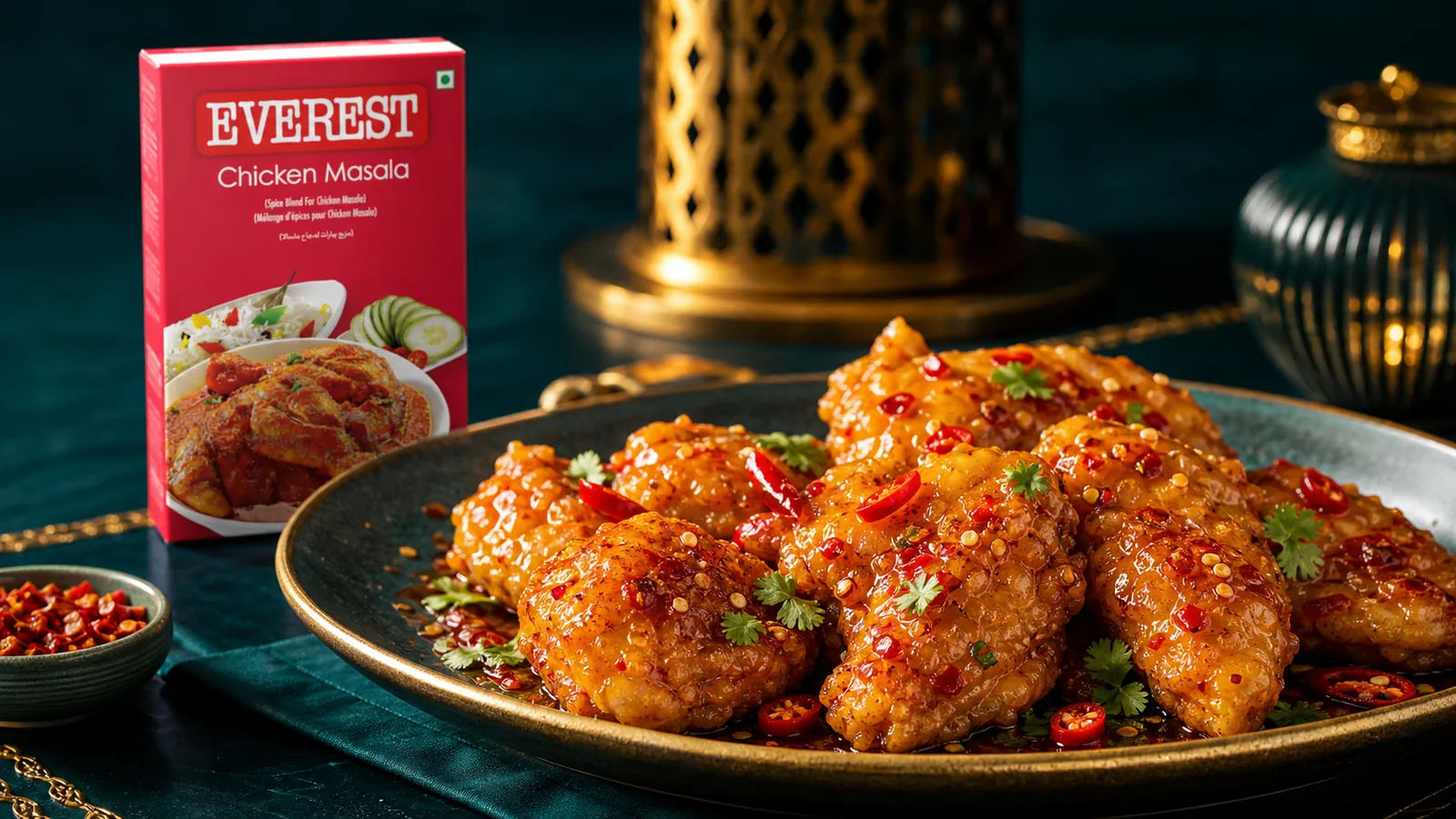
Comfort food used to mean one thing per household: a specific dish from a specific home country, made a specific way. That's shifting. What's showing up more often now is comfort food that deliberately borrows from two or more culinary traditions at once, a mac and cheese with a chilli-garam-masala finish, a shawarma-spiced fried chicken, a paratha wrap filled with a Korean-style bulgogi filling. None of this is fusion for novelty's sake. It reflects a shopper base that genuinely eats across cuisines in a normal week, not just on special occasions.
The UAE is a natural home for this kind of flavour crossover. A household might have Filipino, South Asian and Emirati influences under one roof through friendships, workplaces and neighbours, and that mixing shows up on the plate long before it shows up on a product label. Brands that build cross-cultural comfort flavours into a packaged product, rather than leaving that blending entirely to home cooks, are catching up to something the market was already doing.
A practical note for category planning
For a retail buyer, cross-cultural comfort products tend to perform best when they're framed around a familiar format rather than an unfamiliar name. A wrap, a noodle pot, or a rice bowl with a cross-cultural filling gives a shopper an easy way in, since the format itself is already understood even if the flavour combination inside is new. Products that lead with an invented fusion name, without a familiar format backing it up, tend to ask more of a first-time buyer than most are willing to give on a routine grocery run.
Refreshment Flavours Built for a Hot Climate
Heat shapes flavour preference here in a way that's easy to underestimate from outside the region. Cooling, refreshing flavour notes, mint, cucumber, watermelon, rose, tamarind, hold a permanent place on UAE shelves that has little to do with any passing trend and everything to do with the actual weather nine months of the year.
What's new in 2026 is how far those cooling notes have travelled beyond drinks. Cucumber-mint isn't just a beverage flavour anymore; it's showing up in yoghurt dips, chip seasonings and even confectionery. Rose and cardamom notes, long associated with desserts and milk drinks in South Asian and Gulf kitchens, are appearing in savoury snack seasonings and iced tea blends aimed at a broader audience than the traditional dessert shopper.
- Tamarind-based sodas and mocktail mixers moving from a niche South Asian shelf into general beverage sets.
- Cucumber-mint and watermelon-mint flavour notes crossing from drinks into ready-to-eat chilled snacks.
- Rose, saffron and cardamom notes appearing in confectionery and premium ice-cream ranges well outside their traditional dessert-only slot.
For a distributor working through summer months when foot traffic in some categories slows, refreshment-led flavours are one of the more reliable bets in the range, since the underlying demand is tied to climate rather than a passing headline.
Savoury Wellness as a Flavour Story, Not a Health Claim
Savoury wellness is one of the more talked-about directions this year, so it helps to be precise about what it actually describes. It's a flavour profile, not a nutrition claim. This kind of product typically leans on herbs, spices, fermented notes and umami depth to build flavour, rather than leaning on sugar or a heavy salt hit. Roasted garlic and herb, miso-inspired savoury blends, nutritional-yeast-style cheesy notes, and a deep umami mushroom seasoning are all common examples, applied to a snack or a sauce. The word "wellness" here describes how a product tastes and how it's positioned on shelf, not a promise about what it does inside the body.
This flavour direction has picked up real traction in the UAE among shoppers looking for savoury snacking options that feel lighter on the palate than a heavily salted or sugared alternative, without asking them to give up flavour intensity. A spiced roasted-chickpea snack, a herb-and-garlic seasoned nut mix, or a tahini-based dip with a smoky finish all fit this space comfortably, and all of them lean on ingredients that are already familiar across regional kitchens: chickpeas, tahini, roasted nuts, garlic, sumac. That familiarity is part of why the trend has landed so smoothly here. Shoppers aren't being asked to adopt a new ingredient, just a new framing of ingredients they already know.
What buyers should keep in mind
These products tend to do best when merchandised on flavour and format rather than any efficacy claim on the pack. A crunchy, herb-forward chickpea snack sells on crunch and taste first. Keeping the framing there, rather than drifting into a structure-function claim about digestion or immunity, keeps the product honest and keeps a retailer's compliance team comfortable.
MENA-Native Flavours Are Holding Their Ground
Global flavour movements get most of the attention in trend write-ups, but the flavours that define this region never went anywhere. Several are gaining fresh visibility this year rather than losing ground to imported trends. Any honest look at MENA flavour trends has to start here, not with what's been imported.
Za'atar and sumac
Za'atar, the herb, sesame and sumac blend at the centre of Levantine cooking, has moved well beyond the bakery aisle. It's now finishing hummus, seasoning roasted vegetables, and appearing as a topping on packaged crackers and flatbreads aimed at a general grocery shopper, not just a Levantine household. Sumac's tart, citrus-adjacent note is doing similar work, showing up as a finishing sprinkle on salads, dips and even some snack seasonings that want a bright top note without adding actual lemon juice to a shelf-stable product.
Tamarind
Tamarind sits at an interesting crossing point this year. It's a MENA and South Asian pantry staple with deep roots in Gulf and Indian cooking, and it's also the sour-sweet backbone that global sauce and snack brands increasingly reach for when they want a tangy note that isn't plain vinegar or citrus. That dual identity means tamarind flavour products can sit comfortably in more than one shelf section at once.
Date
Date flavour, whether as molasses, paste or whole fruit, remains one of the steadiest flavour categories on any UAE shelf, present year-round and especially prominent around Ramadan. What's shifted is where date flavour turns up outside its traditional dessert and confectionery slot: date-sweetened sauces, date syrup as a topping alternative, and date notes blended into savoury glazes for meat and vegetables.
Saffron and cardamom
Saffron and cardamom have always carried a premium, celebratory association in Gulf and South Asian kitchens alike, showing up in milk drinks, rice dishes and festive sweets. This year both are appearing more often in everyday formats too, a cardamom note in a regular breakfast item, a light saffron thread in a mid-tier confectionery line, extending flavours that used to be reserved for special occasions into daily eating.
Harissa
Harissa, the North African chilli paste, has been picking up shelf space beyond its traditional Maghrebi base, turning up in ready sauces, marinades and even as a seasoning on packaged snacks aimed at a shopper who wants heat with genuine depth rather than a flat chilli burn. It fits neatly alongside the swicy and charred directions already covered, since harissa carries both heat and a smoky, roasted undertone in one paste.
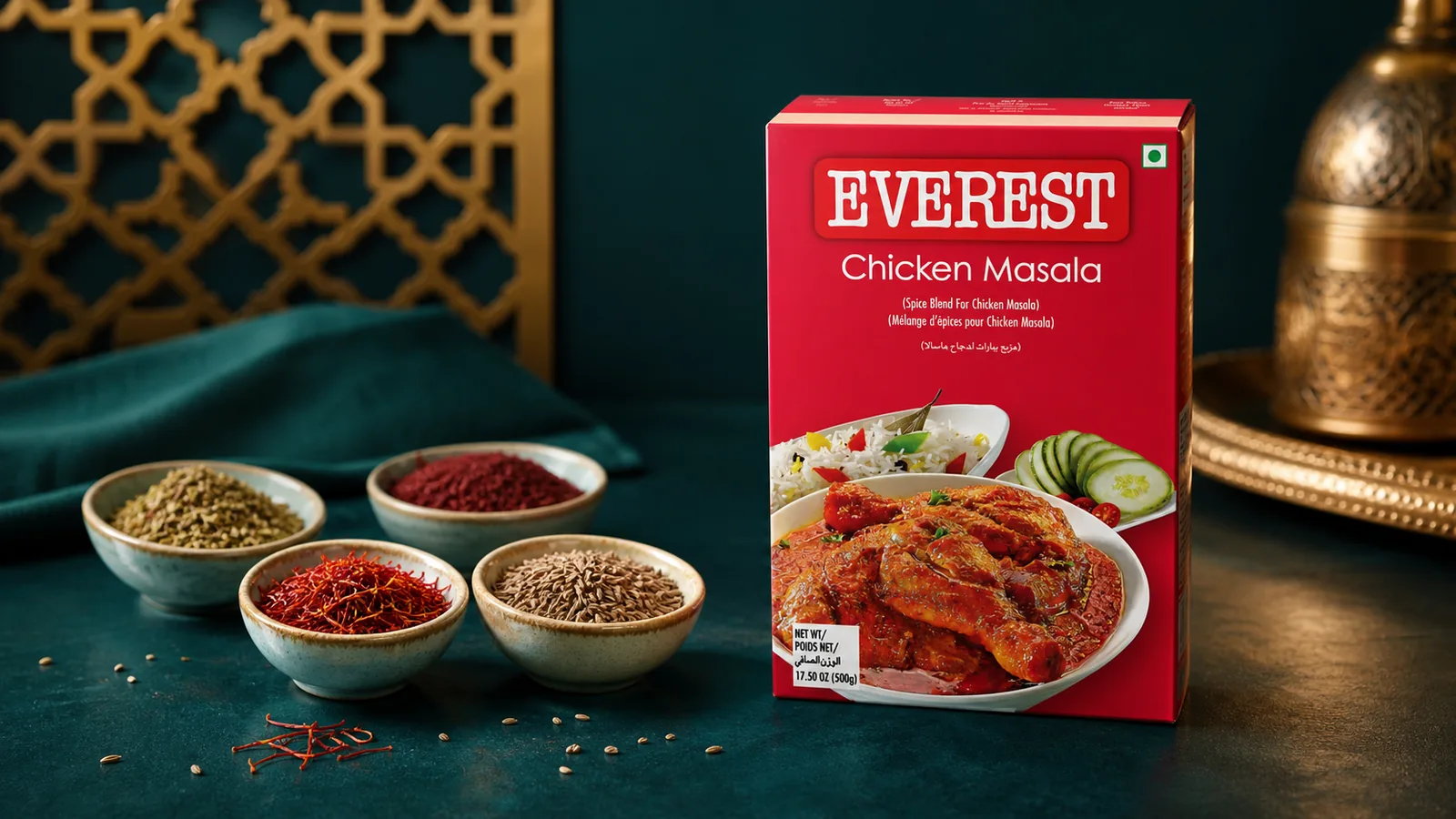
Everest, one of the spice brands we distribute across the UAE, sits right at the centre of this MENA-and-South-Asian overlap. A pantry that already stocks Everest garam masala or a chana masala blend is one flavour step away from reaching for za'atar or sumac on the same shelf, since the underlying habit, reaching for a spice blend to finish a dish rather than building flavour from raw ingredients each time, is already established in that household.
Functional Snack Flavours Reshaping the GCC Snack Aisle
Functional snack flavours that GCC shoppers are responding to this year lean heavily on ingredients associated with fibre, protein or plant-forward eating, dressed up in flavour profiles that don't feel clinical. A high-fibre cracker with a za'atar or smoked paprika finish reads as a different product on shelf than the same cracker marketed purely on its fibre content. The flavour does the selling; the format quietly carries the rest.
What's notable in the GCC specifically is how functional snacking formats have absorbed regional flavour cues rather than importing a flat, one-size-fits-all flavour set from Western functional snacking ranges. A protein-forward namkeen mix with a South Asian spice profile, a lentil-based crisp finished with sumac, or a chickpea puff carrying a harissa note all sit inside this functional space while still tasting recognisably local. Bikaji, a namkeen and snacks brand we distribute, is a useful example of how this plays out in practice: a lentil or gram-flour-based snack built on a traditional Indian namkeen recipe already carries the kind of protein-and-fibre profile that functional snacking brands are chasing, without needing a single new ingredient added to get there. The flavour work, cumin, chilli, dried mango powder, black salt, was already doing the job before "functional" became the shelf label for it.
Format matters as much as flavour
A functional snack succeeds or stalls on shelf partly based on pack format. Single-serve pouches aimed at an on-the-go shopper, resealable family packs for a household snacking occasion, and small tasting sachets for a first trial draw different shoppers even when the flavour inside is identical. Getting that format range right across modern trade, traditional trade and quick commerce channels matters as much as the flavour decision itself.
How the Channel Changes Which Flavour Trend Wins
A flavour idea rarely performs the same way twice once it leaves the drawing board and lands on an actual shelf. Where it lands, modern trade, traditional trade, HORECA or quick commerce, changes how quickly it gets tried, how it gets explained, and whether it gets a second purchase at all. This is one of the more overlooked parts of flavour trend planning, and it's the part a distribution team ends up thinking about daily.
Modern trade: room to explain a new flavour
A Carrefour or Lulu shelf gives a new flavour idea the most room to breathe. Shelf talkers, sampling stands and a wide facing let a shopper linger over an unfamiliar combination, a rose-cardamom iced tea or a harissa hummus, long enough to decide whether to try it. This is where genuinely new pairings, the swicy and charred directions in particular, tend to get their first fair hearing in the UAE.
Traditional trade: familiarity does the heavy lifting
A baqala shelf works differently. Space is tight, browsing time is short, and a shopper there is usually restocking a known item rather than exploring. A new flavour succeeds in this channel mainly by riding on a brand or format the shopper already trusts, a new seasoning on an existing namkeen line rather than an entirely new product with an unfamiliar name. This is exactly why MENA-native flavours, already familiar across most households, tend to convert faster in traditional trade than an imported flavour concept still building recognition.
HORECA: flavour trends move through the plate, not the pack
Hotels, restaurants, catering kitchens and cloud kitchens pick up flavour trends earlier than retail in some cases, since a chef can put a swicy glaze or a charred marinade on a menu within weeks, well before a packaged version reaches a supermarket shelf. A distributor supplying HORECA accounts often sees demand for a specific spice blend or sauce base rise before that same flavour shows up as a retail SKU, which makes foodservice orders a useful early signal for where retail demand is heading next.
Quick commerce: flavour has seconds, not minutes, to land
An order placed on a phone through Amazon.ae, Noon or Talabat gives a flavour idea almost no time to explain itself. A shopper scrolling a quick commerce app decides in seconds, usually based on a product image and a one-line description rather than a full label read. Flavour cues that are instantly recognisable, a chilli icon, a visible smoky char on packaging, a familiar brand name attached to a new variant, perform far better in this channel than a flavour idea that needs context to make sense.
What This Means for Brands and Category Buyers
Pulling these threads together, a few practical points stand out for anyone planning a range for the next twelve months.
First, global and regional flavour trends aren't competing categories in this market, they're overlapping ones. A brand chasing a swicy or charred trend does better here by leaning into flavours the region already trusts, tamarind, date, chilli-and-honey combinations already familiar from home cooking, rather than importing a flavour concept wholesale and hoping it translates.
Second, MENA flavour trends deserve their own shelf space and their own marketing story rather than being treated as a niche corner of a "world foods" aisle. Za'atar, sumac, harissa, saffron and cardamom are not backup options to a global trend list. In several categories they're setting the pace rather than following it.
Third, format and channel fit still decide whether a flavour idea actually sells. A modern trade shopper browsing a full aisle, a traditional trade shopper picking up a familiar item at a baqala, and a quick commerce shopper ordering on impulse from a phone all respond to flavour cues differently, and a range built around one channel rarely transfers cleanly to another without adjustment.
Fourth, keep the flavour story honest. Savoury wellness and functional snacking both sell well on taste and format. They sell poorly, and risk falling foul of retailer and regulatory review, when a brand drifts from describing flavour into implying a health outcome the product can't back up.
If you're a brand owner weighing where your range fits into this picture, or a retail buyer trying to plan shelf space around these overlapping trends, it helps to talk it through with a team that sees these SKUs move across all four UAE channels in real time. You can talk to our team about how a specific flavour direction is performing across modern trade, traditional trade, HORECA and e-commerce before committing shelf space or a marketing budget to it.
Key Takeaways
- Swicy (sweet and spicy) flavours are landing easily in the UAE because the contrast already exists in regional condiments like mango-chilli pickle.
- Charred and smoky flavour notes fit alongside an existing Middle Eastern grill and char tradition.
- Cross-cultural comfort food works best in familiar formats (wraps, noodle pots, rice bowls) rather than invented fusion names.
- Refreshment flavours like mint, cucumber, tamarind and rose stay strong year-round because of climate, not just trend cycles.
- Savoury wellness is a flavour and format story built on herbs, spices and umami, not a health or efficacy claim.
- MENA-native flavours, za'atar, sumac, tamarind, date, saffron, cardamom and harissa, are gaining fresh visibility rather than fading behind global imports.
- Functional snack flavours across the GCC succeed when they carry a recognisably regional flavour profile and the right pack format for each channel.
Flavour trends rarely arrive in this market as a clean replacement for what came before. They stack, overlap and borrow from each other, and the shelf that wins in 2026 is the one that reflects that mixing rather than picking one lane. For a closer look at how we think about range planning across channels, browse more of our thinking on the Bagason blog, or head to our homepage to see the brands behind this read.
Frequently asked questions
What are the biggest food flavour trends 2026 UAE shoppers are following?
Swicy (sweet and spicy) combinations, charred and smoky notes, cross-cultural comfort food, and cooling refreshment flavours like mint and tamarind are the global directions gaining the most shelf space. Alongside them, MENA-native flavours such as za'atar, sumac, harissa, saffron and cardamom are getting fresh visibility rather than fading behind imported trends.
What does "swicy" mean and why is it popular in the UAE?
Swicy is shorthand for sweet and spicy combined in one product, from hot honey to chilli-caramel snacks. It lands easily here because the contrast already exists in regional foods like mango-chilli pickle or date-and-chilli chutney, so packaged swicy products build on a taste pairing shoppers already recognise rather than introducing something new.
Is "savoury wellness" a health claim?
No. Savoury wellness describes a flavour direction built on herbs, spices, fermented notes and umami depth rather than sugar or heavy salt. It's a taste and formulation story, not a promise about digestion, immunity or any other health outcome, and products in this space should always be marketed on flavour and format rather than efficacy.
Are MENA flavours losing ground to global trends?
Not from what we see on shelf. Za'atar, sumac, tamarind, date, saffron, cardamom and harissa are appearing in more everyday formats this year, moving beyond their traditional dessert or bakery slots into snacks, sauces and drinks aimed at a broader shopper base.
How do functional snack flavours in the GCC differ from other markets?
Functional snacks here tend to carry a recognisably regional flavour profile, such as a South Asian spice mix or a sumac finish, rather than a generic flavour set imported wholesale. Products like a lentil-based namkeen already combine familiar regional taste with the protein-and-fibre profile functional snacking brands are chasing.
Where can a brand get a read on how these flavour trends are performing in the UAE?
Talking to a distributor that moves stock across modern trade, traditional trade, HORECA and e-commerce gives a clearer picture than a single channel view. You can contact our team to discuss how a specific flavour direction is performing across UAE retail.