The first proper drop in temperature each year in Dubai and Abu Dhabi does something to a kitchen. Windows can stay open past nine, the balcony gets used again, and a pot simmering on the stove stops feeling like a chore. It starts feeling like the whole point of the evening. An easy dal recipe suits that mood exactly: one pot, one burner, and a smell that fills the flat before anyone's even hungry yet.
My neighbour two doors down times her cumin tempering for around six most evenings this time of year, and half the corridor knows dinner is close by the smell alone. Dal has that effect. It doesn't need a special occasion or a stack of serving dishes, just lentils, a few spices most people already own, and about forty minutes of mostly hands-off cooking.
This guide walks through a full dal tadka recipe you can cook tonight, three easy variations to keep the week from feeling repetitive, and the pantry habits that make a bowl of something warm possible on any evening, even the ones that ran long at work. There's also a batch-cooking section for anyone who'd rather cook once and eat three times.
What Makes an Easy Dal Recipe the Right Call for Cooler Evenings?
Once the heat breaks, appetite shifts. A cold salad or a quick stir-fry that felt right in August starts to feel thin by November, and most people find themselves reaching for something with more body to the plate. An easy dal recipe fills that gap without turning into a two-hour cooking project.
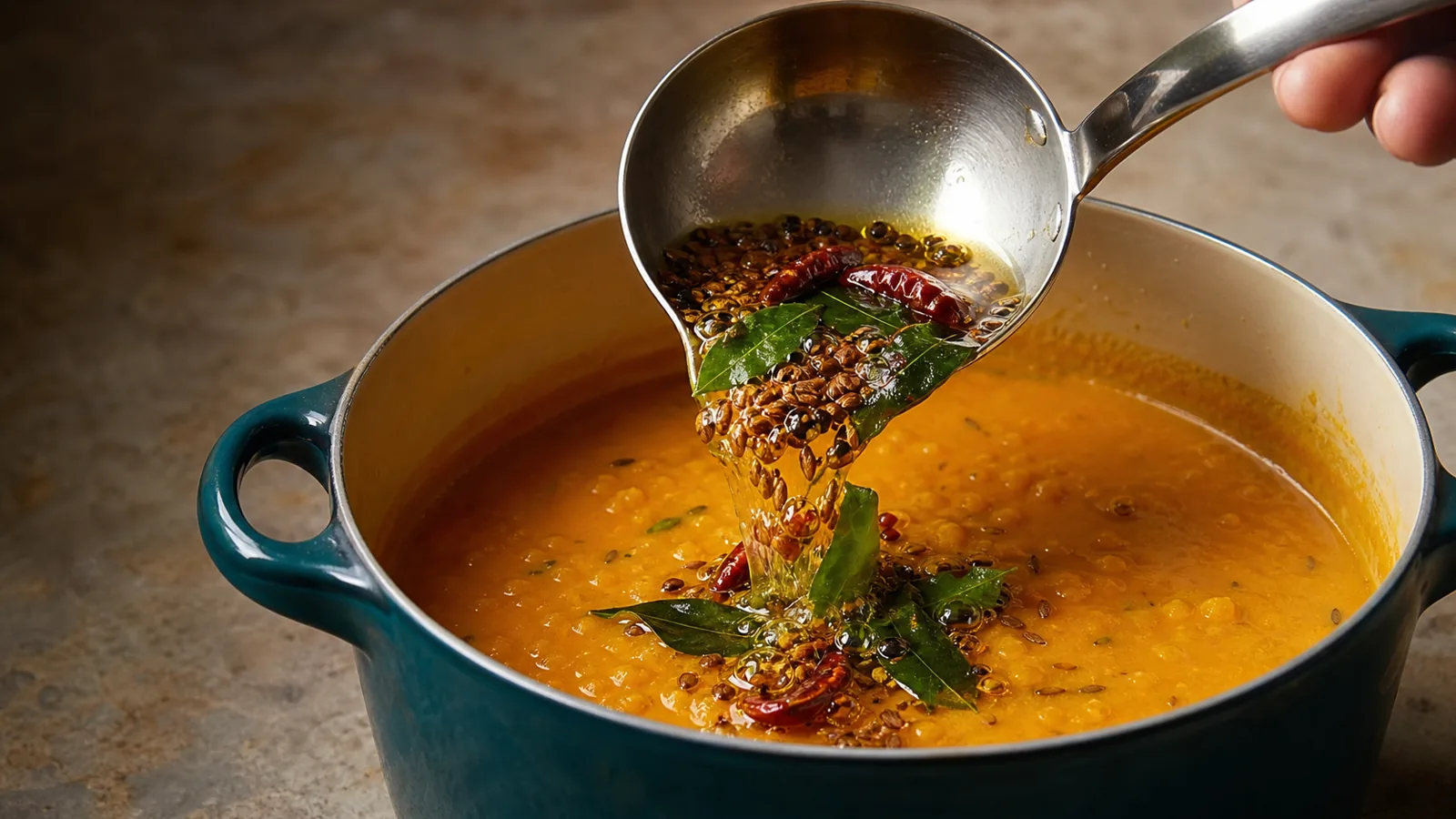
Part of the appeal is texture. Simmered lentils thicken as they cook, turning from a thin soup into something spoonable and substantial, closer to a stew than a broth. The rest comes down to the tempering, that final step where hot ghee or oil meets cumin, garlic, and dried chili and gets poured straight over the pot. It's a small ritual, and it's the difference between a plain pot of lentils and a dish people ask you about.
There's also the practical side. One pot means one thing to wash. Lentils keep for months in a sealed jar, so a UAE pantry can hold a dal recipe's worth of ingredients without a special shopping trip. And unlike a curry built around fresh meat or fish, dal forgives a bit of neglect: leave it simmering a little longer than planned and it usually turns out better, not worse.
Building a Pantry for a One Pot Curry Recipe
The real trick behind a good one pot curry recipe isn't a long ingredient list. It's having the right small jars and packets already in the cupboard, so cooking dinner doesn't depend on a supermarket run first. A short list of staples covers almost every dal and curry in this guide.
- Lentils and pulses: split red lentils (masoor dal) for a fast-cooking base, split pigeon peas (toor dal), and split moong dal for a lighter version. India Mills stocks all three in resealable packs, which makes portioning out a cup at a time simple.
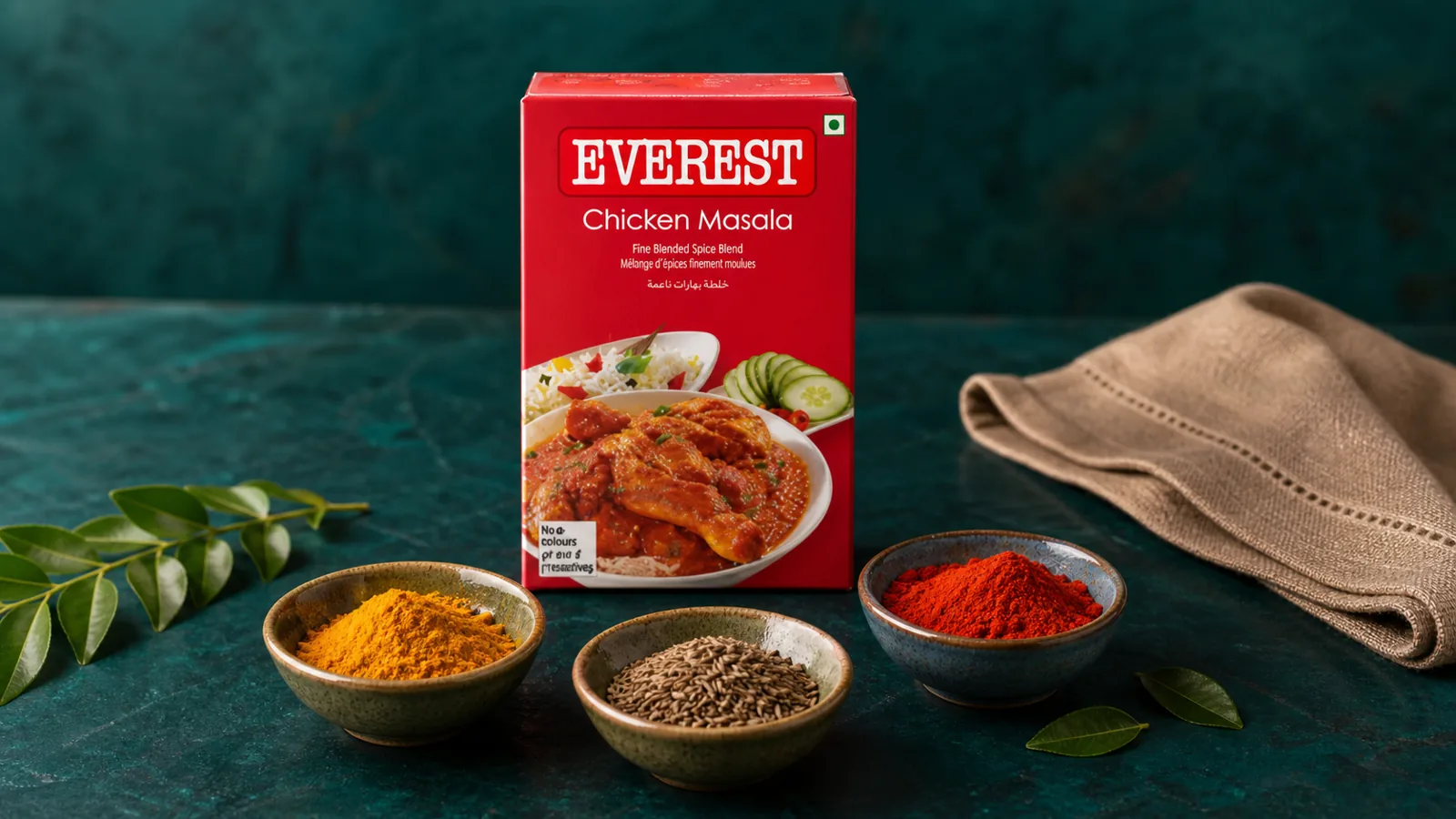
- Whole and ground spices: cumin seeds, mustard seeds, turmeric, red chili powder, and a garam masala blend for finishing. Everest's spice range covers most of this shelf in one go, so there's rarely a need to hunt for a single missing jar.
- Aromatics: onion, garlic, ginger, and green chili, all things that keep for a week or two in the fridge without wilting.
- Fat for the tempering: ghee gives the richest flavour, though a neutral oil works fine on a weeknight when ghee has run out.
- Tomatoes: tinned or fresh, they build the base for most curries in this guide alongside the lentils.
- Rice: a basic basmati, such as Bharat's, to serve alongside almost anything here.
This is the whole idea behind a pantry curry UAE cooks can put together on a Tuesday without a special grocery run: a shelf of lentils, spices, and rice that sit quietly until needed, plus whatever aromatics are already in the fridge drawer. Keep those six categories stocked, and a warm dinner is rarely more than forty minutes away.
The Full Recipe: Weeknight Dal Tadka
This is the dal tadka recipe most people in this part of the world come back to more than any other, and for good reason. It uses one pot, cooks in under forty-five minutes, and flexes with whatever lentils happen to be in the cupboard that week.
Ingredients
- 1 cup split pigeon peas (toor dal) or a mix of toor and masoor dal
- 3 cups water, plus more if the dal thickens too much
- 1/2 teaspoon turmeric powder
- Salt, to taste
- 2 tablespoons ghee or oil, divided
- 1 teaspoon cumin seeds
- 3 cloves garlic, finely chopped
- 1 small onion, finely chopped
- 1 tomato, chopped
- 1 green chili, slit lengthwise
- 1/2 teaspoon red chili powder
- 1/2 teaspoon garam masala
- A small handful of fresh coriander, chopped
Method
- Rinse the lentils in two or three changes of water until it runs mostly clear. Add them to a deep pot with the water, turmeric, and a pinch of salt.
- Bring to a boil, then reduce to a gentle simmer. Cook uncovered for 25 to 30 minutes, stirring occasionally, until the lentils are soft and starting to break down. Skim off any foam that rises to the surface.
- While the dal simmers, heat half the ghee in a small pan over medium heat. Add the cumin seeds and let them sizzle for about ten seconds, until fragrant.
- Add the garlic and onion, and cook for three to four minutes until the onion turns soft and golden at the edges.
- Stir in the tomato and green chili, and cook for another four to five minutes, until the tomato breaks down into a thick, jammy base. Add the chili powder and cook for a minute more.
- Pour this mixture into the simmering dal and stir to combine. Simmer together for five more minutes so the flavours settle into one another, then check the seasoning and add more salt if needed.
- For the final tempering, heat the remaining ghee in the same small pan. Once hot, pour it straight over the pot of dal, add the garam masala, and stir once. Scatter over the fresh coriander and serve.
Serve this with steamed rice or warm roti, and a wedge of lemon on the side if the dal needs a little brightness. Leftovers keep well in the fridge for a few days and often taste better the next evening, once the spices have had time to settle in.
Three Easy Variations to Keep the Week Interesting
Once the base method above feels familiar, it's easy to turn the same pot into something different most nights of the week. Each of these variations uses the same tempering technique, just with a different lentil, vegetable, or spice swapped in.
Spinach and Moong Dal
Swap the toor dal for split moong dal, which cooks faster and has a lighter texture. Stir in a couple of handfuls of chopped fresh spinach during the last five minutes of simmering, letting it wilt into the pot rather than cooking it separately. The result is a lighter, greener dal that pairs well with plain rice on a night when something heavier doesn't sound appealing.
Pumpkin and Chana Dal
Chana dal, the split version of chickpeas, holds its shape better than other lentils and pairs naturally with a starchy vegetable. Add a cup of peeled, cubed pumpkin to the pot alongside the lentils at the start of cooking, so it softens into the dal as everything simmers. A pinch of ground coriander in the tempering rounds out the sweetness of the pumpkin nicely.
Mixed Lentil and Tomato Curry
Combine a small handful each of masoor, toor, and moong dal for a curry with more texture than any single lentil gives on its own. Cook it slightly thicker than the base recipe by using less water, so it eats more like a curry to spoon over rice than a soup to sip from a bowl. This version also holds up well as a filling for a wrap alongside some pickle.
Getting the Tempering Right, Every Time
The tempering, called tadka or chhonk depending on the household, is the one step that makes or breaks a dal. So what's the actual trick? Timing and heat, mostly. The oil or ghee needs to be properly hot before the cumin seeds go in, or they sit there sluggishly instead of sizzling and blooming right away.
A good test is dropping in a single cumin seed first. If it sizzles within a second or two, the pan is ready. Add the rest of the cumin, then move quickly through garlic, onion, and any dried chili, since each one has its own window before it turns from fragrant to burnt. Garlic in particular goes from golden to bitter in a matter of seconds, so keep a spoon moving the whole time.
Pour the finished tempering over the dal rather than stirring it in immediately, letting the sizzle carry the aroma up before you mix everything together. That small pause is mostly theatre, but it's the kind of theatre that makes a weeknight dinner feel like an occasion instead of just a meal.
Why Dal Counts as Winter Comfort Food Indian Households Have Always Leaned On
Ask most Indian households what they cook when the weather turns, and dal comes up before almost anything else. It's winter comfort food Indian kitchens have relied on for generations, and the reason has nothing to do with complexity. A pot of lentils, a good tempering, and rice or roti on the side covers most of what a cold evening asks for.
Part of that has to do with how the dish behaves on the stove. Dal thickens the longer it sits, so a pot made at six still tastes right at eight, warmed through again with a splash of water if it's gone too thick. There's no window where the dish is only good for the first ten minutes off the heat. It holds.
There's also something to be said for a meal that doesn't ask much of the cook. On a long day, few things feel as manageable as a pot that mostly looks after itself on a low simmer while you get the rest of dinner together, or sit down for a few minutes before the table needs setting.
Batch Cooking, Freezing, and Reheating Your Dal
Dal happens to be one of the easier things in a kitchen to cook once and eat several times over. A double batch on a Sunday covers most of the week with barely any extra effort at the stove.
- Cool it fully before storing. Spread the pot into a wide, shallow container rather than a tall one so it cools faster and doesn't sit warm in the fridge for too long.
- Fridge for a few days. A sealed container keeps the dal ready to reheat on the stove or in the microwave for three or four days without losing much texture.
- Freezer for longer storage. Portion the dal into individual containers or freezer bags before it goes into the freezer, so a single serving can be pulled out and thawed without touching the rest of the batch.
- Reheat gently, with a splash of water. Lentils thicken as they sit, so a little extra water or milk stirred in while reheating brings the texture back to how it was the first night.
A fresh tempering poured over a reheated bowl makes a real difference too. Even if the dal itself came out of the fridge, thirty seconds of sizzling cumin and garlic on top makes it taste like it just came off the stove.
Pairing Your Dal and Curry for a Complete Meal
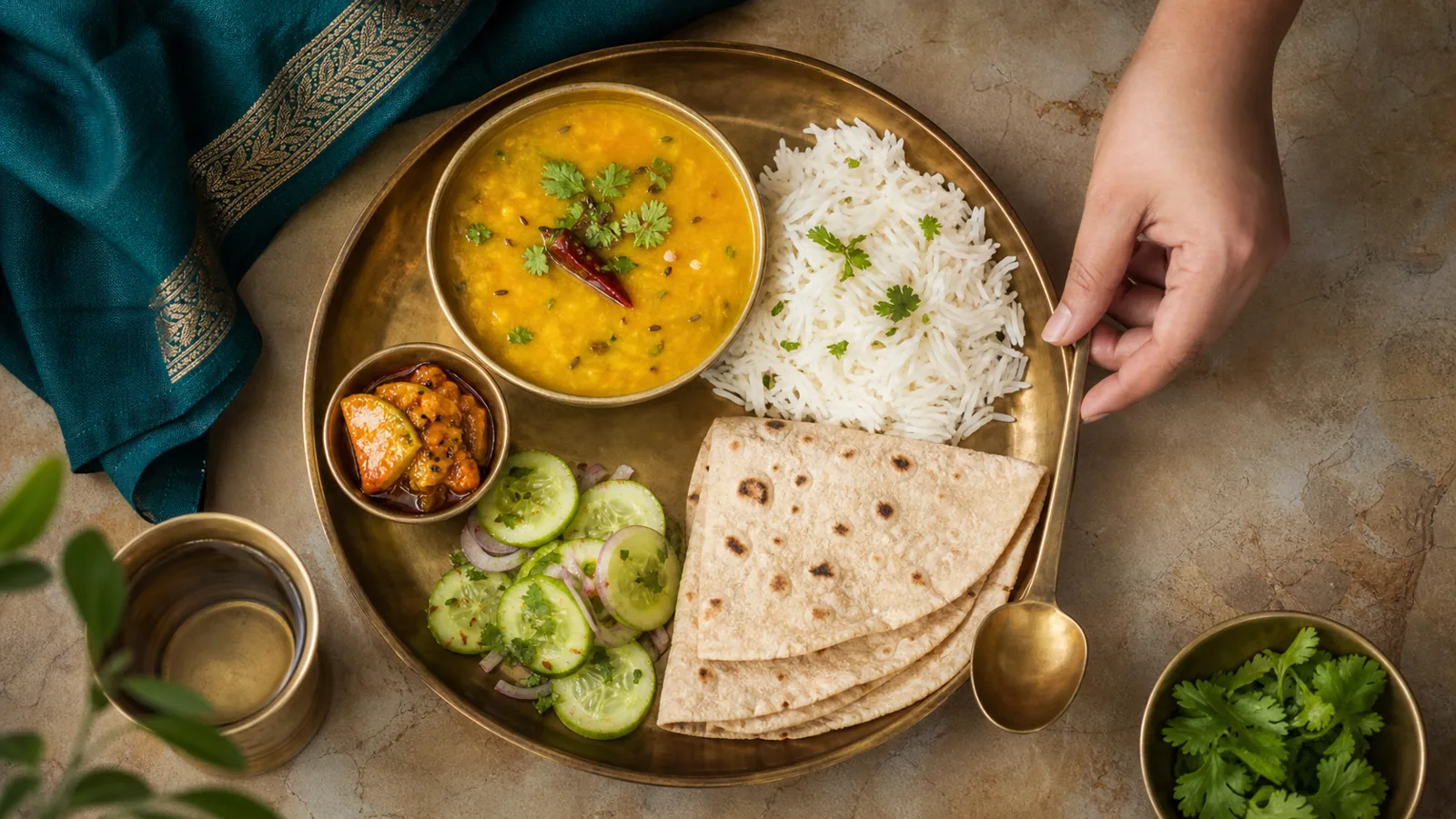
Dal rarely eats alone, and half the pleasure is in what sits next to it on the plate. Steamed basmati rice is the simplest pairing, soaking up the tempering and giving the meal some bulk without much extra work. Warm roti or paratha does a similar job for anyone who prefers to scoop rather than spoon.
A small side of pickle adds sharpness against the softness of the lentils, and a spoon of plain yoghurt on the side cools things down if the chili has crept up a little too far. For a fuller spread, a simple sautéed vegetable, cauliflower and potato or green beans with mustard seeds, rounds the plate out without much extra cooking time.
A weeknight doesn't call for any of this to be elaborate. Rice, dal, and a jar of pickle already sitting in the fridge covers a proper dinner most evenings, with everything else saved for a weekend when there's a bit more time on hand.
Key Takeaways
- An easy dal recipe needs one pot, a handful of pantry spices, and about forty minutes, most of it hands-off simmering.
- The tempering, hot ghee or oil poured with cumin, garlic, and chili over the finished dal, is what turns a plain pot of lentils into something worth serving.
- Swapping the lentil or adding a vegetable, spinach with moong dal, pumpkin with chana dal, turns one method into several different weeknight meals.
- Dal thickens and holds well over hours, which is part of why it's remained winter comfort food in Indian households for so long.
- A double batch freezes well in individual portions, with a fresh tempering added at reheating to bring back the aroma.
- Rice, roti, pickle, and yoghurt round out the plate without much extra cooking on a weeknight.
A pot of dal asks little and gives back a lot once the weather turns. Keep a shelf of lentils, spices, and rice on hand, and a proper dinner is rarely more than one pot away on even the busiest evening. If you're looking for more seasonal recipes like this one, our blog has a growing collection, and if you'd like to know which stores near you carry the brands mentioned here, our team is easy to reach. You can also browse what else we bring to UAE kitchens over on our homepage.
Frequently asked questions
What is an easy dal recipe for a beginner cook?
Split red lentils, or masoor dal, make the simplest starting point since they cook in under 25 minutes and don't need soaking. Simmer them with turmeric and salt, then finish with a tempering of ghee, cumin, and garlic. It's a forgiving dish, so slightly overcooking the lentils only makes the texture softer, not worse.
Can I make a one pot curry recipe without a pressure cooker?
Yes. Every recipe in this guide uses a regular pot on the stove. A pressure cooker speeds things up, especially with tougher lentils like chana dal, but a slow simmer on the hob gets to the same texture, it just takes a little longer and rewards an occasional stir.
What's the difference between dal and dal tadka?
Dal refers to the cooked lentils themselves, while tadka (also called tempering or chhonk) is the finishing step where hot ghee or oil, cumin, garlic, and chili are poured over the pot. A dal tadka recipe always includes this final flourish, which is what gives the dish most of its aroma and depth.
Which lentils make up the winter comfort food Indian households turn to most often?
Toor dal (split pigeon peas) and masoor dal (split red lentils) are the two most common choices, both valued for how well they thicken into a warming, spoonable dal. Chana dal and moong dal are good options too, each bringing a slightly different texture to the same basic method.
How do I stock a pantry curry UAE kitchens can rely on without over-shopping?
A few resealable packs of lentils, a small shelf of ground spices, basmati rice, and tinned tomatoes cover most dal and curry recipes. These staples keep for months, so a single trip to the supermarket can set up several weeks of weeknight cooking without repeat visits.
Can dal be reheated more than once?
Yes, as long as it's cooled and stored properly between uses and only the portion needed is reheated each time. A splash of water loosens the texture, since lentils continue to thicken as they sit, and a fresh tempering poured on top brings back the aroma of a freshly cooked pot.