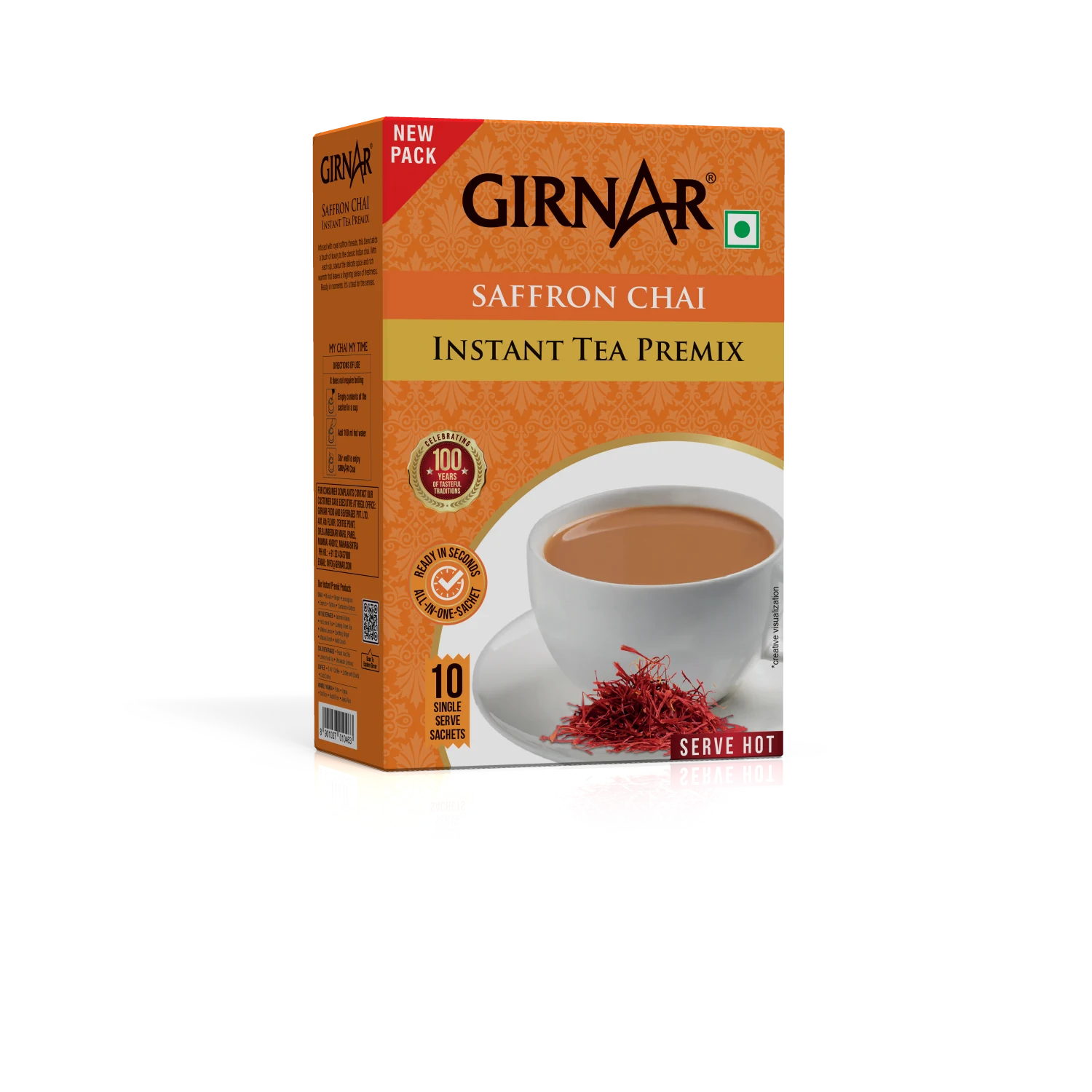
The steam rising from a freshly poured cup of tea carries more than just heat, it carries the soul of a nation and the collective memories of over a billion people. For many living in the United Arab Emirates, particularly the vibrant Indian expat community, the ritual of chai is a fundamental thread in the fabric of daily life. It is not merely a beverage to be consumed for caffeine or hydration: it is a pause, a social lubricant, and an emotional bridge that spans the thousands of miles between a high-rise apartment in Dubai and a ancestral home in Mumbai or Delhi. When the kettle whistles and the spices begin to infuse, the kitchen transforms into a sanctuary of familiarity. Girnar chai UAE has become a staple in this cultural landscape, offering a taste of home that is consistent, authentic, and deeply comforting.

The Emotional Heartbeat: Chai in Indian Daily Life
To understand the importance of tea in India is to understand the rhythm of an Indian household. The day begins not with a frantic rush, but with the clinking of a metal spoon against a pot and the aromatic promise of the first brew. This morning ritual is a private moment of grounding before the world demands attention. However, chai quickly transitions from a private comfort to a public celebration of hospitality. In India, the question is never whether you want tea, but rather how you take it. To enter a home and not be offered a cup is almost unthinkable; it is the universal signifier of welcome and respect.
In the UAE, where the pace of life can be relentless and the environment often feels transient, these small rituals take on even greater significance. For an expat finishing a long shift or navigating the complexities of life in a foreign land, the scent of authentic Indian chai acts as a sensory anchor. It provides a moment of cultural grounding, a brief period where the surroundings fade away and the familiar warmth of cardamom and ginger takes over. This is the social and emotional ritual that Girnar helps preserve, ensuring that the distance from India does not mean a distance from its most cherished traditions.
From Colonial Roots to National Identity: The History of Tea in India
The story of Indian tea is a fascinating journey of transformation. While wild tea plants were indigenous to the hills of Assam and used by local tribes for medicinal purposes for centuries, the commercial tea industry was largely a product of the colonial era. In the 19th century, the British sought to break the Chinese monopoly on tea by establishing vast plantations in the Northeast and the Nilgiri hills. Initially, the tea produced was destined almost exclusively for export to Europe, with the Indian population showing little interest in the bitter, watery brew favoured by the British.
However, the 20th century saw a dramatic shift. As production increased, the Indian Tea Market Expansion Board began a massive campaign to encourage domestic consumption. Indians did not simply adopt the British style of drinking tea with a splash of milk and a lump of sugar; they reinvented it. By adding local spices, increasing the milk ratio, and boiling the tea leaves directly with the water and milk, they created what we now know as Masala Chai. This was a uniquely Indian response to a colonial introduction, turning a foreign commodity into a symbol of national identity and local flavour. Today, India is not only one of the world's largest producers but also its most enthusiastic consumer, with Indian tea brands UAE like Girnar carrying this heritage forward to the global diaspora.
The Anatomy of a Classic: Masala Chai vs Standard Tea
Many tea lovers from other backgrounds often wonder exactly what distinguishes a true masala chai from a standard cup of black tea with milk. The difference lies in the philosophy of the brew. A standard British or continental tea is usually steeped: the water is boiled, poured over a tea bag or leaves, and allowed to sit for a few minutes before milk is added. Masala chai, conversely, is a decoction. The tea leaves, water, milk, and spices are often boiled together in a single pot, allowing for a deep extraction of flavours and a rich, creamy texture that steeping can never achieve.
The milk ratio is also critical. While a standard tea uses milk as a secondary addition, masala chai often treats milk as a primary base, sometimes making up half or even more of the total volume. This creates a beverage that is more substantial, almost like a liquid snack. The spice blend, or karha, is the final defining characteristic. While black tea relies on the tannins of the leaf, masala chai UAE draws its strength from a complex profile of warming spices that stimulate the palate and soothe the spirit. It is this specific combination of brewing technique and ingredient balance that Girnar has perfected in their pre-mixed and loose-leaf offerings.
A Natural Pharmacy: The Health Properties of Chai Spices
Beyond its delicious taste, the traditional masala chai is essentially a hot cup of Ayurvedic wisdom. Each spice commonly found in an authentic Indian chai has been selected over generations for its specific health benefits. When you sip a cup of Girnar masala chai, you are consuming a powerful blend of antioxidants and anti-inflammatory compounds.
- Ginger: Known for its ability to settle the stomach and aid digestion, ginger also provides a spicy kick that can help clear the sinuses and boost the immune system.
- Cardamom: Often called the queen of spices, cardamom is excellent for digestive health and acts as a natural breath freshener. Its sweet, floral aroma is the signature scent of high-quality tea.
- Cloves: These small buds are rich in eugenol, which has potent antiseptic and anti-inflammatory properties, making it great for soothing sore throats.
- Cinnamon: This warming spice helps regulate blood sugar levels and is packed with antioxidants that protect the body from oxidative stress.
- Black Pepper: Often overlooked, black pepper adds a subtle heat that aids in the absorption of other nutrients and helps improve metabolism.
By incorporating these ingredients into their blends, Girnar ensures that every cup contributes to your daily wellness, making the tea break a healthy habit as well as a tasty one.
The Girnar Brand Story: Sourcing Quality and Consistency
In a market filled with options, Girnar has risen to become one of India's most trusted and recognised tea brands. The company's success is rooted in its uncompromising commitment to quality and its deep understanding of the Indian palate. Unlike brands that simply source tea from the highest bidder, Girnar maintains a rigorous selection process, sourcing its leaves from the premier estates of Assam and Darjeeling. These regions are world-renowned for producing teas with exceptional body, briskness, and aroma.
The brand's heritage is one of family-owned dedication to the craft of tea blending. Each batch is tested for consistency to ensure that the cup of tea you drink today tastes exactly like the one you remember from your childhood. This reliability is particularly important for those living in the UAE, where finding the "right" taste can sometimes be a challenge. Through Bagason Girnar UAE distribution, these high standards are maintained across the seven emirates, ensuring that every box on a supermarket shelf meets the exacting requirements of the Girnar name.
Mastering the Classic: Girnar Masala Chai
The flagship of the range is undoubtedly the Girnar Masala Chai. It is the classic blend that has earned a place in millions of Indian households. It strikes the perfect balance between the strength of the black tea and the vibrancy of the spice mix. For many, this is the gold standard of what a chai should be: bold, aromatic, and deeply satisfying.
To brew the perfect cup using Girnar loose leaves, start by bringing a mixture of water and milk to a boil. Add the tea leaves and a little extra sugar if you prefer a traditional sweet finish. Let it simmer for a few minutes until the colour changes to a rich, creamy terracotta. The sound of the tea bubbling and the sight of the spices dancing in the pot is part of the experience. For those with a busy lifestyle in the UAE, Girnar also offers instant 3-in-1 premixes that require only hot water. These are remarkably faithful to the original taste, providing the comfort of a slow-cooked chai in a matter of seconds.
The Light Side: Girnar Green Tea and Antioxidants
While the creamy masala chai is the traditional choice, many modern consumers are turning to green tea UAE Indian varieties for their light, refreshing taste and concentrated health benefits. Girnar has applied its blending expertise to create a range of green teas that are never bitter and always aromatic. Green tea is minimally processed, which allows it to retain a high concentration of catechins, specifically EGCG, which are powerful antioxidants known to support heart health and weight management.
To brew green tea correctly, it is essential not to use boiling water, as this can scorch the delicate leaves and create a bitter taste. Instead, let the water sit for a minute after boiling to reach roughly 80 degrees Celsius. Steep the Girnar green tea for no more than two to three minutes. This results in a pale gold liquor with a clean, grassy finish that is perfect for a mid-morning lift or a post-meal digestive aid.
Traditional Roots: Girnar Herbal and Detox Teas
For those seeking specific functional benefits, the range of herbal chai UAE and detox teas offers a modern way to access ancient Ayurvedic traditions. These blends often move away from the traditional Camellia sinensis leaf entirely, focusing instead on herbs, seeds, and barks. The Girnar detox tea UAE, for instance, is a popular choice for those looking to cleanse their system and reduce bloating, often featuring ingredients like cumin, fennel, and black salt.
These teas are best enjoyed without milk and often without sugar, allowing the natural flavours of the herbs to shine through. They are ideal for drinking in the late evening, as many are naturally caffeine-free. Whether it is a soothing Tulsi blend for stress relief or a lemon and honey mix for a vitamin boost, these herbal options provide a holistic approach to beverage consumption that aligns with a healthy UAE lifestyle.
Chai in the Emirates: Adapting the Recipe for a UAE Home
Making a proper Indian chai in a UAE kitchen is a delightful way to blend two worlds. While the core ingredients remain the same, the local environment offers its own variations. One of the most common questions is the choice of milk. In India, full-fat buffalo milk is often the standard for a truly rich chai. In the UAE, high-quality full-fat cow's milk from local dairies provides an excellent alternative, offering a creamy texture that carries the spices beautifully. For those looking for a lighter version, low-fat milk can be used, though you may find you need to boil the tea for slightly longer to achieve the desired body.
The local water in the UAE, which is primarily desalinated, is generally very soft, which is actually ideal for tea brewing as it allows the flavours to extract more cleanly than hard water might. When you are standing at your stove in Sharjah or Abu Dhabi, the ritual remains unchanged: the careful measurement of the tea, the waiting for the first boil, and the final straining into a glass or cup. It is a piece of home recreated every single day.
The Social Thread: Chai and the Expat Community
In the Indian expat community within the UAE, chai is the ultimate social currency. It is the catalyst for "adda"—the informal, often passionate discussions that cover everything from cricket scores to global politics. Whether it is a quick cup shared at a small "cafeteria" in Karama or a more formal tea service in a villa in Jumeirah, the act of drinking tea together fosters a sense of belonging. It levels the playing field; everyone, regardless of their profession or background, enjoys a good cup of chai.
Hospitality is a core value in Indian culture, and in the diaspora, it becomes a way of maintaining community ties. Inviting someone over for Girnar tea UAE is a low-pressure way to stay connected. It is a gesture that says, "I value your company enough to pause my day for you." In the fast-paced, often high-pressure environment of the UAE, these moments of connection are vital for mental well-being and cultural preservation.
The Perfect Gesture: Gifting Girnar Tea
Because of its deep cultural associations, tea is also a highly meaningful gift within the Indian community. When visiting friends or relatives, a high-quality tin or box of Girnar tea is always a welcome and respectful offering. It is a practical gift, certainly, but it also carries the subtext of wishing the recipient many moments of peace and enjoyment. During festivals like Diwali or Eid, tea hampers often feature prominently, showcasing the variety of blends available, from the robust masala to the delicate herbal options.
For many expats, bringing back boxes of Girnar from a trip home or ordering them through https://www.bagason.com is a way to ensure they always have a supply of this essential comfort on hand to share with others. It is a gift of nostalgia, a gift of health, and a gift of tradition, all wrapped up in a simple box of tea leaves.
Keeping Home Close: The Final Sip
Ultimately, a cup of Girnar chai is far more than the sum of its parts. It is a sensory journey that begins with the sharp, sweet scent of cardamom and ends with the comforting warmth that spreads through the body after the last sip. For the Indian community in the UAE, and for all those who have come to love the complexity of Indian tea, it is a small, manageable act of keeping home close. It is a reminder of who you are and where you come from, even as you build a new life in a different land.
In every cup of tea, there is a story of history, health, and heart. Whether you prefer the spicy embrace of a masala chai, the clean lift of a green tea, or the restorative power of a herbal detox blend, Girnar provides the bridge back to the traditions that ground us. So, the next time you find yourself needing a moment of pause, put the kettle on, find your favourite mug, and let the familiar flavours of India connect you once again to the traditions that matter most.