The modern kitchen is undergoing a quiet revolution as home cooks across the Emirates begin to scrutinise the ingredients that have long been considered staples. For decades, the clear, odourless, and neutral-tasting oils found in large plastic carboys were the standard for every culinary task. However, a deeper understanding of food processing has led many to question the nutritional cost of that neutrality. When you look at the cooking oil sitting in your kitchen right now, you are looking at the foundation of every meal you prepare for your family. If that oil has been chemically refined, bleached, and deodorised, it may be providing fat for cooking, but it is likely devoid of the vital micronutrients that nature originally packed into the seed or nut. Choosing cold pressed oils kitchen UAE residents trust is the first step toward reclaiming the nutritional integrity of your home-cooked meals.
What cold-pressed extraction actually involves
Understanding the value of cold-pressed oil requires a look at the mechanical journey from seed to bottle. Most mass-produced oils are extracted using high-heat processes and chemical solvents like hexane to ensure the maximum possible yield from the raw material. This aggressive extraction is followed by refining, which involves treating the oil with phosphoric acid, caustic soda, and bleaching clays. While this creates a shelf-stable product with a high smoke point, it fundamentally alters the chemical structure of the oil. In contrast, the cold-pressing method is a purely mechanical process. The seeds or nuts are crushed using a heavy pestle or a screw press at temperatures that do not exceed 40 to 50 degrees Celsius.
This absence of external heat and chemical solvents is the defining characteristic of the kachi ghani method. By avoiding high temperatures, the delicate bonds between fatty acids remain intact, and the oil does not undergo the oxidation that typically occurs during industrial refining. Because no chemicals are used to "cleanse" the oil, the final product retains its natural sediment, its deep colour, and its original aroma. This matters for the final product because the oil remains a "living" food, containing the biological markers and enzymes that make it more compatible with human digestion and metabolic processes. When you consider why use cold pressed oil UAE families often point to this purity as the primary factor.
The nutritional case for cold-pressed oils
The primary reason health-conscious cooks are switching to cold-pressed varieties is the superior nutritional profile. Refining is essentially a process of subtraction. To make an oil neutral and shelf-stable, manufacturers remove the very compounds that provide health benefits. Cold-pressed oils are rich in Vitamin E, a powerful fat-soluble antioxidant that protects cell membranes from oxidative stress. They also contain significant amounts of Vitamin K, which is essential for bone health and blood coagulation. Beyond vitamins, these oils are a source of various phytochemicals and polyphenols that are lost during the high-heat deodorisation phase of refining.
These antioxidants do more than just benefit the body: they also protect the oil itself from going rancid. The presence of natural sterols and tocopherols acts as a built-in preservative system. Furthermore, cold-pressed oils maintain a more favourable balance of omega fatty acids. In refined oils, the high heat can transform some of the healthy unsaturated fats into trans-fats or other harmful polymers. By choosing Bharat cold pressed oil UAE products, you ensure that the oleic acid and other beneficial fats reach your plate in their most bioavailable form, supporting heart health and reducing systemic inflammation.
Flavour as a marker of quality
In the culinary world, flavour is often the most reliable indicator of nutrient density. A refined oil is designed to be invisible: it should not smell like groundnuts, nor should it taste like mustard. However, that absence of flavour is an indicator of an absence of character. Cold-pressed oils, by contrast, carry the distinct "terroir" of the crop from which they were pressed. If you taste a spoonful of cold-pressed groundnut oil, it should taste like a handful of freshly roasted peanuts. This intensity of flavour tells you that the essential oils and aromatic compounds have been preserved.
Using these oils changes the way you approach seasoning. Because the oil itself contributes a rich, nutty, or pungent base, you may find that you need less salt or fewer dried spices to achieve a complex flavour profile. The aroma that fills the kitchen when a cold-pressed oil is heated is a sign of its authenticity. This sensory experience is a reminder that you are cooking with a whole food rather than a highly processed industrial fat. For those seeking kachi ghani oil kitchen UAE options, the olfactory change in the kitchen is often the most immediate and rewarding benefit of the switch.
Cold-pressed mustard oil: The Kachi Ghani powerhouse
Mustard oil has been a cornerstone of traditional Indian medicine and cookery for millennia, particularly in the kachi ghani form. The defining feature of cold pressed mustard oil UAE cooks love is its characteristic pungency. This "kick" is caused by a compound called allyl isothiocyanate. This is not just a flavouring agent: it is a potent antimicrobial and antifungal compound that has been studied for its ability to support respiratory health and stimulate digestion. In traditional practices, mustard oil is prized for its warming properties, making it an excellent choice for sautéing vegetables and tempering spices.
From a nutritional standpoint, mustard oil is unique because it has a near-ideal ratio of omega-3 to omega-6 fatty acids, which is difficult to find in many other plant-based fats. It is also high in monounsaturated fatty acids (MUFA), which are known to support healthy cholesterol levels. When the oil is cold-pressed, these delicate fatty acids are protected from the heat-induced damage that occurs in refined mustard oils. The vibrant yellow colour and the strong, sinus-clearing aroma are proofs that the allyl isothiocyanate has been preserved, ensuring that you receive the full medicinal and culinary benefits of the mustard seed.
Cold-pressed sesame oil: Lignans and antioxidants
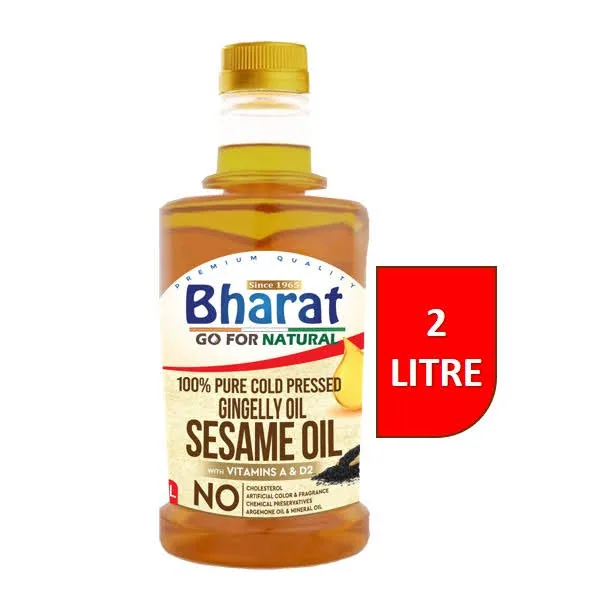
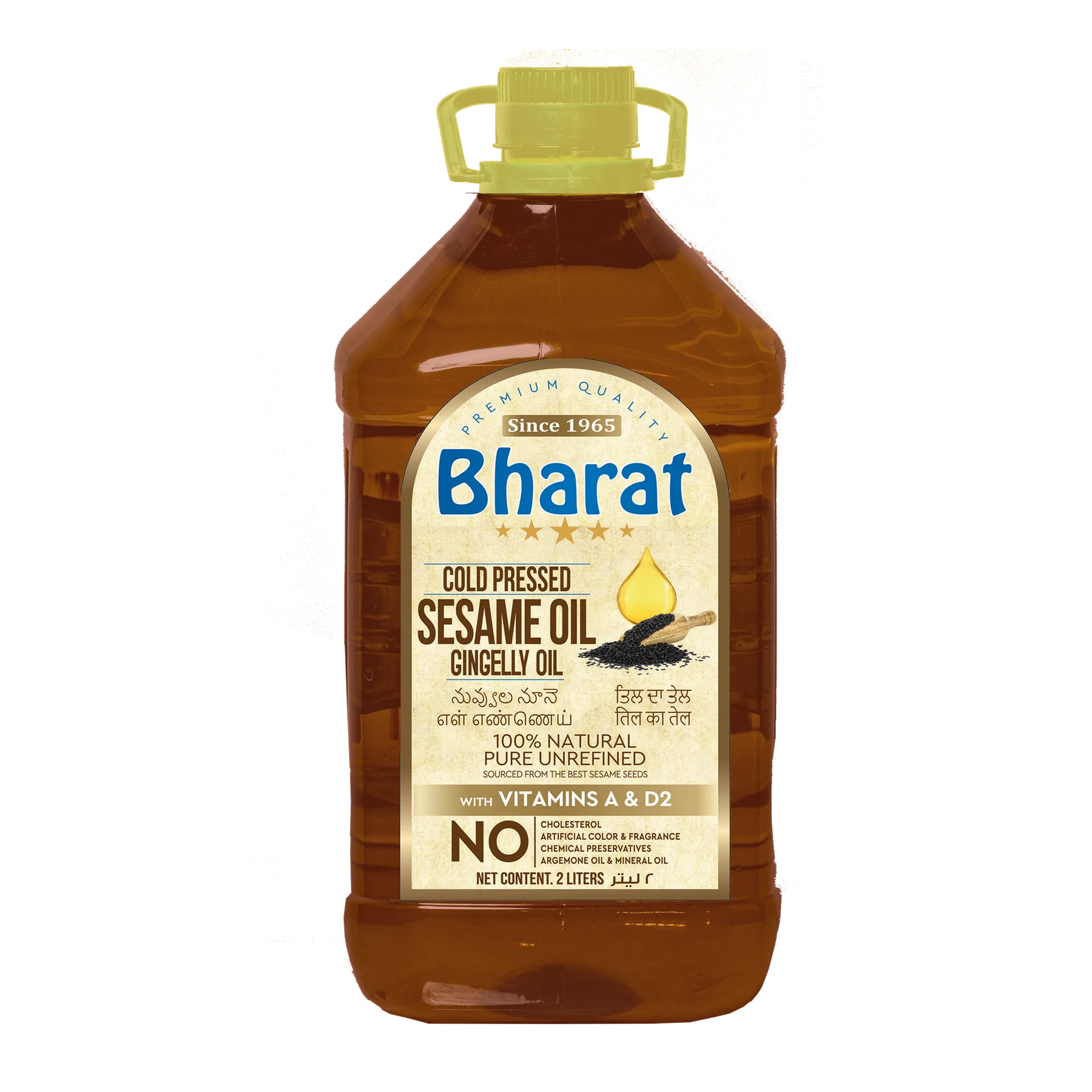
Sesame oil is often referred to as the "queen of oils" due to its incredible stability and health-promoting properties. The magic of sesame lies in its lignans, specifically sesamin and sesamolin. These compounds are unique to sesame and act as powerful antioxidants that help lower blood pressure and protect the liver from oxidative damage. When sesame oil is cold-pressed, these lignans are retained in high concentrations. This results in a product that offers cold pressed oil health benefits that simply cannot be matched by refined alternatives.
It is important to distinguish between the toasted sesame oil used in East Asian dipping sauces and the cold-pressed sesame oil used as a primary cooking fat. The cold-pressed variety has a milder, nuttier flavour that is versatile enough for daily use. Because of its natural antioxidant content, it has a remarkably long shelf life and can withstand moderate cooking temperatures without breaking down. The presence of Vitamin E and magnesium in cold-pressed sesame oil further supports cardiovascular health, making it an essential component of a heart-healthy pantry.
Cold-pressed coconut oil: Lauric acid and energy
Coconut oil has seen a massive resurgence in popularity, but the difference between "RBD" (Refined, Bleached, Deodorised) coconut oil and cold-pressed coconut oil is vast. Cold pressed coconut oil UAE consumers typically look for the distinct aroma of fresh coconuts, which is absent in refined versions. The primary benefit of coconut oil is its high concentration of Medium-Chain Fatty Acids (MCFAs), particularly lauric acid. Lauric acid is a rare compound also found in human breast milk, known for its ability to strengthen the immune system through its antibacterial and antiviral properties.
Unlike long-chain fats, MCFAs are sent directly to the liver, where they are converted into immediate energy rather than being stored as fat. This makes cold-pressed coconut oil an excellent choice for those looking to maintain a healthy weight or boost their metabolic rate. Because it is naturally saturated, it is exceptionally stable at room temperature and during cooking. Cold-pressing ensures that the subtle floral notes and the delicate antioxidants of the coconut meat are not destroyed by the high temperatures used in commercial copra processing, resulting in a cleaner, more effective product for both cooking and topical use.
Cold-pressed groundnut oil: Stability and oleic acid
Groundnut oil, or peanut oil, is perhaps the most versatile of all natural cooking oils UAE chefs use for high-heat tasks. It is exceptionally high in oleic acid, the same monounsaturated fat that gives olive oil its fame. However, groundnut oil has a higher smoke point than olive oil, making it much better suited for traditional frying, deep-sautéing, and high-heat stir-frying. When groundnut oil is cold-pressed, it retains its natural Vitamin E and resveratrol, a polyphenol that has been linked to improved heart health and longevity.
The stability of cold-pressed groundnut oil is one of its greatest assets. Because it is rich in monounsaturated fats, it is less prone to oxidation than oils high in polyunsaturated fats like sunflower or soybean oil. This means that even when used for cooking, the oil maintains its integrity and does not produce harmful free radicals. The rich, buttery flavour of cold-pressed groundnut oil enhances the natural sweetness of grains and vegetables, providing a depth of flavour that refined oils simply cannot replicate. It is the perfect all-purpose oil for a family kitchen that balances health with diverse cooking requirements.
Building a cold-pressed oil rotation in your kitchen
One of the mistakes many home cooks make is relying on a single oil for every task. Just as you wouldn't use the same spice for every dish, different oils serve different purposes. Building a rotation allows you to leverage the specific benefits and flavours of each variety. For example, you might use Bharat oils Bagason UAE distributes to create a functional system: mustard oil for traditional curries and pickles where its pungency is an asset, groundnut oil for high-heat frying or roasting, and coconut oil for baking or South Indian preparations. Sesame oil can be used for tempering dals or as a base for nutritious dressings.
This rotation also ensures a diverse intake of fatty acids and micronutrients. By switching between different seeds and nuts, you provide your body with a wider array of antioxidants and vitamins. From a culinary perspective, using the right oil for the right dish respects the heritage of the recipe. A Kerala-style fish curry tastes most authentic when prepared with coconut oil, while a Bengali sarson maach requires the sharp bite of mustard oil. Embracing this variety makes your cooking more dynamic and your diet more nutritionally complete.
Storage and shelf life in the UAE climate
While cold-pressed oils are robust thanks to their natural antioxidants, they require more careful handling than their refined counterparts. The UAE's heat and high light intensity can accelerate the oxidation process if the oil is not stored correctly. To keep your oils fresh, it is essential to store them in a cool, dark place. Most high-quality cold-pressed oils are packaged in dark glass or high-grade opaque containers to shield them from UV light, which can trigger the breakdown of fatty acids.
Always ensure the cap is tightly sealed after use to minimise exposure to oxygen. In the height of the summer, if your kitchen becomes particularly warm, you may even consider keeping smaller bottles of more delicate oils like sesame or coconut in the refrigerator. Note that coconut oil will solidify in cooler temperatures, but this does not affect its quality: it will melt quickly once added to a pan. By following these simple storage steps, you can ensure that the oil you use at the end of the bottle is just as nutritious and flavourful as it was at the first pour.
The Bharat cold-pressed oil range
At Bagason, we understand that quality begins at the source. The Bharat range of cold-pressed oils was developed to meet the specific needs of families who refuse to compromise on purity. Our selection includes the four essential oils required for a complete kitchen: Mustard, Sesame, Coconut, and Groundnut. Each of these is extracted using the traditional kachi ghani method, which involves slow-speed crushing to ensure that temperature levels remain low. This commitment to quality extraction means that every bottle is packed with the original nutrients and flavours of the raw ingredients.
As a leading distributor of Bharat oils Bagason UAE ensures that these products are handled with the utmost care throughout the supply chain. We work with producers who share our dedication to transparency and excellence. Whether you are an Indian expat looking for the familiar taste of home or a health-conscious resident looking to upgrade your pantry, the Bharat range offers a reliable, high-quality solution. These oils are a testament to the fact that traditional methods often yield the best results for modern health challenges, providing a bridge between ancient wisdom and contemporary nutritional science.
Switching to cold-pressed oils is an effective change
The journey toward better health often feels overwhelming, involving complex diets and expensive supplements. However, some of the most impactful changes are also the simplest. Replacing a highly processed industrial fat with a cold-pressed, nutrient-dense alternative is a fundamental upgrade that affects every single meal you eat. It is a change that pays dividends in terms of flavour, aroma, and long-term wellness. When you choose to invest in high-quality oils, you are investing in the health of your cardiovascular system, the strength of your immune response, and the overall vitality of your family.
As you explore the wide range of FMCG products available through https://www.bagason.com, you will see that we prioritise brands that value integrity. The shift to cold-pressed oil is more than just a culinary trend: it is a return to a more honest way of eating. By choosing oils that have been treated with respect during the extraction process, you bring that same respect to your dinner table. Start by replacing one refined oil with a cold-pressed variety this month, and let the superior taste and the obvious quality of the product convince you to make the switch permanent. It is one of the most effective and delicious changes any cook can make.