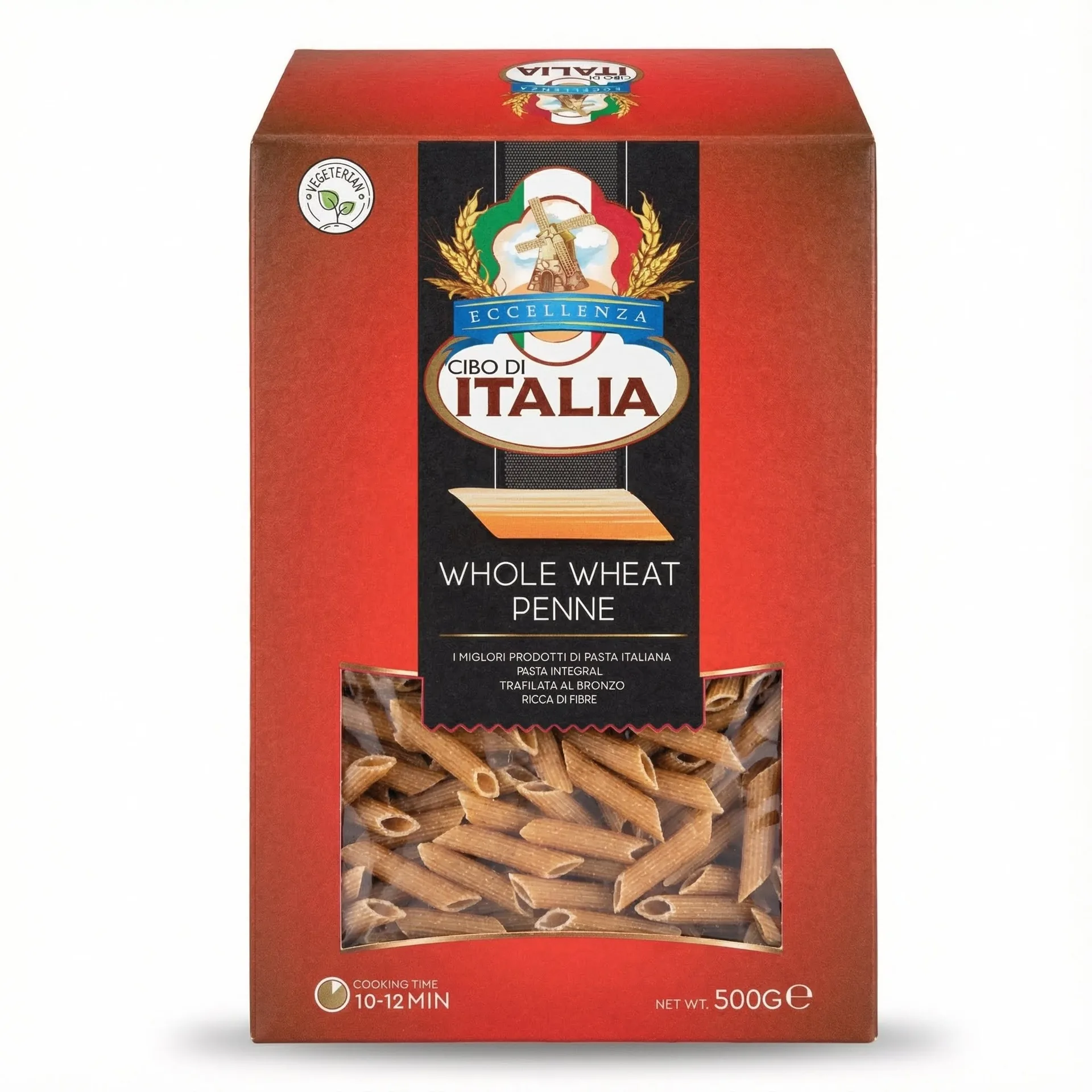
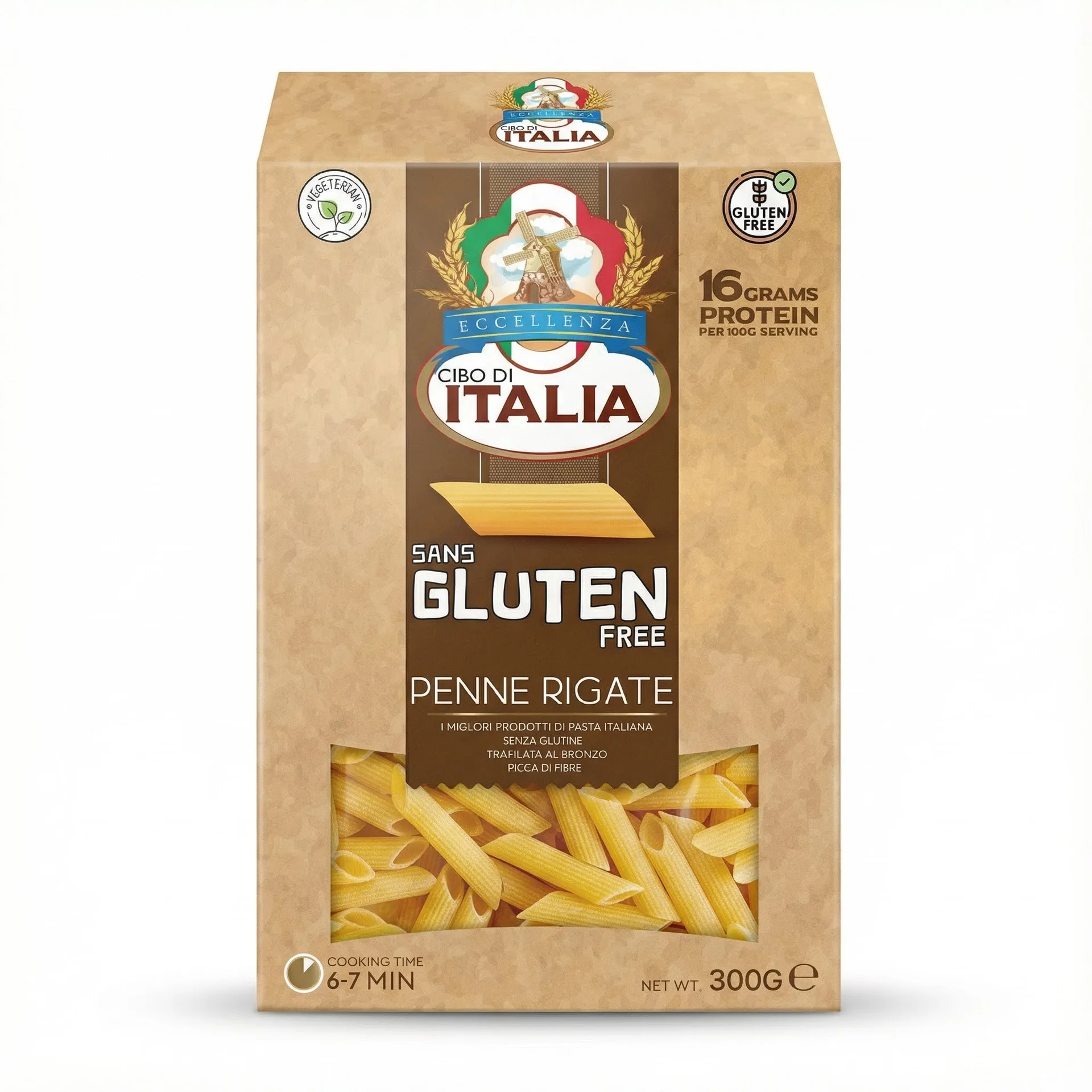
Gluten-Free and Whole Wheat Pasta: Delicious and Nutritious Choices
Pasta often finds itself at the centre of nutritional debates, frequently labelled as a dietary villain responsible for weight gain and blood sugar spikes. This reputation is largely undeserved. When viewed through the lens of modern nutrition, pasta is not a monolithic food group but a diverse category of products ranging from traditional refined grains to protein-packed legumes. The transition from seeing pasta as a "cheat meal" to a nutritional asset depends entirely on the variety you choose and how you integrate it into your lifestyle. For families in the UAE, understanding these distinctions is the first step toward enjoying this versatile staple without compromise.
Conventional white pasta: The baseline for comparison
Traditional white pasta is made from durum wheat semolina, which is the endosperm of the wheat kernel. During the milling process, the outer bran and the inner germ are removed, leaving behind the starchy centre. While this results in the smooth texture and golden hue that many find appealing, it also removes the majority of the grain's natural fibre and micronutrients. A standard 56g dry serving of white pasta typically provides around 200 calories, 7g of protein, and only 2g of fibre. Because it lacks the structural complexity of the whole grain, the body breaks it down relatively quickly into glucose. While it provides a reliable source of energy, its lack of satiety often leads to overconsumption, which is where its "unhealthy" reputation originates.
Whole wheat pasta: Harnessing the full grain
In contrast to refined versions, whole wheat pasta retains the entire wheat kernel: the bran, germ, and endosperm. This structural integrity significantly alters the nutritional profile and the way the body processes the meal. By choosing whole wheat pasta UAE consumers gain access to roughly 6g to 8g of fibre per serving, which is triple the amount found in white pasta. This high fibre content is crucial for digestive health and plays a vital role in weight management by promoting a lasting feeling of fullness. Beyond fibre, whole wheat varieties are richer in B vitamins, magnesium, and iron. The taste profile is more robust and nutty, with a firmer "al dente" texture that holds up well under heavy, heartier sauces.
Chickpea pasta: The protein powerhouse
One of the most significant innovations in the pasta aisle is the rise of legume-based options. By opting for chickpea pasta UAE residents can transform a high-carb meal into a balanced, protein-rich powerhouse. A single serving of chickpea pasta can contain up to 14g of protein and 8g of fibre, making it an excellent choice for vegetarians or those looking to increase their daily protein intake without relying solely on meat. It is naturally gluten-free and possesses a lower carbohydrate count than wheat-based alternatives. The flavour is mildly earthy, and the texture is surprisingly similar to traditional pasta, provided it is not overcooked. It represents a significant shift in pasta nutrition UAE standards, offering a way to hit macronutrient goals while enjoying a familiar comfort food.
Lentil and legume-based pastas: Nutritional depth
Red lentil and green pea pastas offer a slightly different nutritional and sensory experience. Red lentil pasta is particularly popular for its vibrant colour and high iron content, often providing 20 percent of the daily recommended intake per serving. These pasta alternatives UAE are unique because they do not behave like wheat in boiling water: they release more starch and can become mushy if left for even a minute too long. Legume pastas are best paired with lighter, acidic sauces like lemon and garlic or a fresh pesto, which cut through the natural creaminess of the lentils. Nutritionally, they sit in the same tier as chickpea pasta, offering a significantly higher protein-to-carb ratio than any grain-based variety.
Gluten-free pasta: Necessity vs. perception
The demand for gluten free food UAE has skyrocketed, but it is important to distinguish between medical necessity and dietary trends. Celiac disease, an autoimmune reaction to gluten, affects approximately 1 percent of the global population. A larger group may have non-celiac gluten sensitivity, which causes digestive discomfort. However, for those without these conditions, gluten-free pasta is not inherently "healthier" or lower in calories. In fact, some gluten-free varieties use refined starches like white rice or potato flour to mimic the texture of wheat, which can actually result in a higher glycaemic response. Honesty in nutrition means acknowledging that unless you have a specific sensitivity, whole wheat is often the superior choice for fibre and mineral content.
Exploring gluten free pasta varieties
For those who do require a gluten-free diet, the options are more sophisticated than ever before.
- Rice Pasta: Usually made from brown or white rice, this variety is the closest in flavour to traditional white pasta. It is delicate and excels in Asian-inspired dishes or light oil-based sauces.
- Corn Pasta: Known for its bright yellow colour and sweet undertone, corn pasta holds its shape remarkably well, making it a favourite for pasta salads.
- Quinoa Pasta: Often blended with corn or rice, quinoa adds a complete protein profile, containing all nine essential amino acids. It has a slightly grainier texture but offers a nutritional punch similar to whole wheat.
Glycaemic index: Understanding blood sugar impact
The Glycaemic Index (GI) measures how quickly a food raises blood glucose levels. Interestingly, even white pasta has a lower GI (around 50 to 55) than white bread (70+), because the extrusion process creates a dense physical structure that slows down enzyme digestion. However, choosing nutritious pasta UAE like whole wheat or chickpea varieties lowers the GI even further, typically into the 30 to 45 range. This slow release of energy prevents the "crash" often associated with high-carb meals and is particularly beneficial for individuals managing type 2 diabetes or those looking to maintain stable energy levels throughout a busy day in Dubai.
How to cook whole wheat and gluten-free pasta correctly
The most common reason people revert to white pasta is a bad experience with the texture of alternatives. Whole wheat and gluten-free pastas require more attention. For whole wheat, you must use a large pot of heavily salted water and test the texture two minutes before the package instructions suggest; it can move from "tough" to "perfect" very quickly. For gluten-free and legume pastas, the window is even smaller. These varieties lack the elastic gluten network that holds wheat pasta together, meaning they can disintegrate if overcooked. A vital tip is to reserve a cup of the starchy pasta water before draining. Adding this water back into your sauce helps it emulsify and cling to these healthy carbs UAE, ensuring a silky finish rather than a dry meal.
Sauce pairings for maximum flavour
Texture dictates the sauce. Robust high fibre pasta UAE like whole wheat fusilli can stand up to chunky vegetable ragus, spicy arrabbiata, or meat-based bolognese. The nuttiness of the grain complements the acidity of tomatoes and the richness of olive oil. Conversely, delicate gluten-free spaghetti or rice-based noodles are better suited to lighter sauces: think lemon, parsley, and capers, or a thin garlic and oil dressing. Chickpea pasta has a slightly drier mouthfeel, so it benefits from extra moisture: a creamy avocado sauce or a generous dollop of ricotta can balance the texture beautifully.
Pasta in UAE household meal planning
In the context of a balanced diet, pasta should occupy about one-quarter of your plate. To create a truly healthy pasta UAE meal, the focus should shift toward the accompaniments. Pairing your pasta with a high volume of sautéed greens, such as spinach or kale, and a lean protein like grilled chicken or prawns, ensures that the meal is satiating and nutrient-dense. For families with children, mixing half whole wheat and half white pasta is a great way to transition palates toward more fibrous grains without a sudden shock to the system. You can find a wide range of these products through the distribution networks of Bagason across the Emirates, making it easy to stock your pantry with better options.
Closing: A nutritional asset for your kitchen
The evolution of the pasta category means that this ancient staple can now fit into almost any health-conscious lifestyle. By moving away from highly refined flours and embracing the nutritional density of whole grains and legumes, you transform your meal into a source of sustained energy, protein, and essential minerals. Choosing your pasta thoughtfully, cooking it with care, and balancing it with fresh local ingredients ensures that it remains a delicious and vital part of your kitchen's repertoire. Whether you are seeking a gluten-free solution or simply want to increase your fibre intake, the modern pasta aisle offers a wealth of choices that support your long-term wellness goals.