Hydration and Wellness: Why Electrolytes Matter in Your Daily Routine
Most residents in the Emirates associate hydration with the simple act of drinking water. While maintaining fluid intake is fundamental, water is only one half of the physiological equation. The other half consists of electrolytes, the essential minerals that facilitate nearly every electrical impulse and chemical reaction in the human body. Many people underestimate the role electrolytes play in everyday wellness, often viewing them as something reserved for elite athletes or post-exercise recovery. However, the reality is that your body requires a consistent supply of these minerals to function at its peak, regardless of whether you have just finished a marathon or are simply navigating a standard workday in Dubai. When we talk about hydration and wellness UAE, we must look beyond the bottle and focus on the mineral balance within the cells.
What Electrolytes Are and How They Work
At their core, electrolytes are minerals that carry an electrical charge when dissolved in water or bodily fluids. These charges are vital because the human body is essentially an electrochemical machine. To understand how they function, one must look at the process of osmosis and cell membrane transport. Every cell in your body is surrounded by a membrane that regulates what enters and exits. Electrolytes, acting as ions, create the osmotic pressure necessary to pull water into the cells where it is needed and push waste products out. Without a proper electrolyte balance UAE, your cells can become dehydrated even if you are drinking litres of plain water. This is because plain water lacks the ionic "keys" required to unlock the cell membranes effectively. When the concentration of minerals outside the cell is too low, the water remains in the extracellular space, often leading to bloating and frequent urination rather than true cellular hydration.
The Six Key Electrolytes and Their Roles
While there are several minerals that act as ions, six primary electrolytes dominate human physiology. Each serves a distinct and non-negotiable purpose:
- Sodium: The most abundant electrolyte in the extracellular fluid. It is the primary driver of water regulation and is essential for nerve impulse transmission.
- Potassium: The intracellular counterpart to sodium. It is critical for heart function and muscle contractions. The recommended daily potassium intake for adults is approximately 3,500 to 4,700 milligrams, a target many struggle to reach.
- Magnesium: Involved in over 300 biochemical reactions, including protein synthesis, muscle and nerve function, and blood glucose control.
- Calcium: While famous for bone health, calcium is also a vital messenger for muscle contractions and blood clotting.
- Chloride: Works closely with sodium to maintain fluid balance and is a key component of stomach acid (hydrochloric acid), which is necessary for digestion.
- Phosphate: Plays a major role in bone and tooth structure and is a central component of ATP, the molecule used for cellular energy.
Signs of Electrolyte Imbalance
The symptoms of an imbalance are often subtle and easily misattributed to stress, lack of sleep, or general overwork. Fatigue is one of the most common signs, yet it is frequently ignored. When your cells cannot maintain the correct electrical gradient, energy production slows down. Muscle cramps and spasms are another classic indicator, particularly in the calves or feet at night. Persistent headaches, brain fog, and a general sense of irritability can also stem from an electrolyte deficiency UAE. Even poor sleep quality can be linked to mineral levels: magnesium deficiency is strongly associated with insomnia and restless leg syndrome. If you find yourself drinking plenty of water but still feeling "dried out" or lethargic, it is likely that your mineral ratios are skewed.
How the UAE Climate Increases Electrolyte Loss
The geography of the Middle East poses a unique challenge to the human body. In the height of summer, ambient temperatures in the UAE frequently exceed 45°C. High humidity levels in coastal cities like Dubai and Abu Dhabi further complicate matters by preventing sweat from evaporating efficiently, which is the body's primary cooling mechanism. Under these conditions, sweat rates can soar. An active individual can lose between 1 to 2 litres of fluid per hour during outdoor activity. Critically, sweat is not just water: it contains significant amounts of minerals. Research indicates that a person can lose between 500 to 1,500 milligrams of sodium per litre of sweat, along with varying amounts of potassium and magnesium. Consequently, the electrolytes UAE heat demands are far higher than in temperate climates. Living in this environment means your baseline requirement for mineral replenishment is naturally elevated.
Electrolytes and Energy Production
Many people reach for caffeine when they feel tired, but the root cause of the slump might be mineral-related. The specific mechanism by which electrolytes for energy UAE function involves the mitochondria, the powerhouses of the cells. For the body to produce Adenosine Triphosphate (ATP), it needs a precise environment where ions can move across membranes. If potassium levels inside the cell are low, the electrical potential drops, and the mitochondria cannot generate energy efficiently. This leads to a systemic feeling of heaviness and lethargy that no amount of coffee can truly fix. Maintaining a steady mineral balance ensures that your cellular machinery is always primed for energy production.
The Connection Between Electrolytes and Sleep
The relationship between hydration and rest is often overlooked. Magnesium plays a pivotal role in the parasympathetic nervous system, the system responsible for helping you relax and stay calm. It regulates neurotransmitters that send signals throughout the nervous system and brain, and it binds to Gamma-aminobutyric acid (GABA) receptors, which help quiet down nerve activity. Similarly, potassium is essential for muscle relaxation. When these levels are low, the body stays in a state of "high alert," leading to light sleep or difficulty falling asleep. By ensuring your daily electrolyte supplement UAE intake is adequate, you provide your body with the chemical tools it needs to transition into a deep, restorative state of rest.
Enhancing Exercise Performance
For those who frequent the gym or engage in outdoor sports like padel or cycling, sports hydration UAE is a critical factor in performance. Electrolytes are responsible for the communication between the brain and the muscles. When you become depleted, these signals become frayed. This results in a loss of coordination, reduced strength, and the dreaded "hitting the wall" sensation. Sodium and potassium work together to prevent muscle cramping by ensuring that the muscle fibres can contract and relax smoothly. Furthermore, chloride helps maintain blood volume, which is essential for delivering oxygen to working muscles and dissipating heat through the skin.
Maintaining Balance During Ramadan
The Holy Month of Ramadan presents a specific challenge for maintaining hydration. During the fasting hours, no fluids or minerals are consumed, often during some of the hottest months of the year. This makes the Suhoor and Iftar periods vital for rebalancing the body. Relying solely on plain water during Iftar can lead to a rapid dilution of the remaining electrolytes in the blood, a condition known as hyponatremia, which can cause dizziness and nausea. Incorporating mineral-rich foods and targeted hydration strategies during non-fasting hours is essential for avoiding the "Ramadan headache" and maintaining energy levels throughout the day.
Food Sources of Electrolytes
A well-rounded diet is the first line of defence against imbalance. Many common foods are excellent sources of these vital ions:
- Potassium: Bananas, sweet potatoes, spinach, avocado, and coconut water.
- Magnesium: Pumpkin seeds, almonds, dark chocolate, and leafy greens.
- Sodium and Chloride: High-quality sea salt, olives, and celery.
- Calcium: Yoghurt, fortified plant milks, sardines, and kale.
While these foods are beneficial, the modern food supply often contains lower mineral densities than in previous generations due to soil depletion. Additionally, the extreme heat of the UAE can mean that the rate of loss exceeds the rate of absorption from food alone.
When Food and Water Are Not Enough
There are specific scenarios where standard diet and water intake fall short. If you are working in a high-heat environment, exercising for more than 60 minutes, or recovering from a period of illness, a more concentrated approach is necessary. Electrolyte supplementation provides a controlled, measurable way to restore balance. It is not about replacing water, but rather about "functional hydration." For most health-conscious adults, supplementing once a day or during periods of high activity can make a profound difference in daily health. You can find more information on distribution insights and quality wellness products through the Bagason Middle East portfolio.
Hydralyte as an Electrolyte Drink
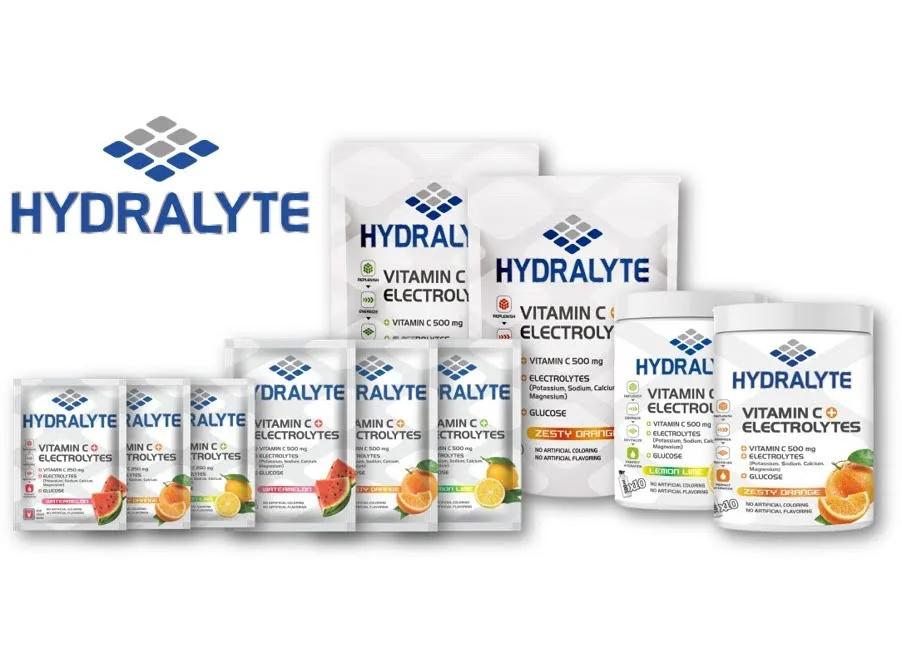
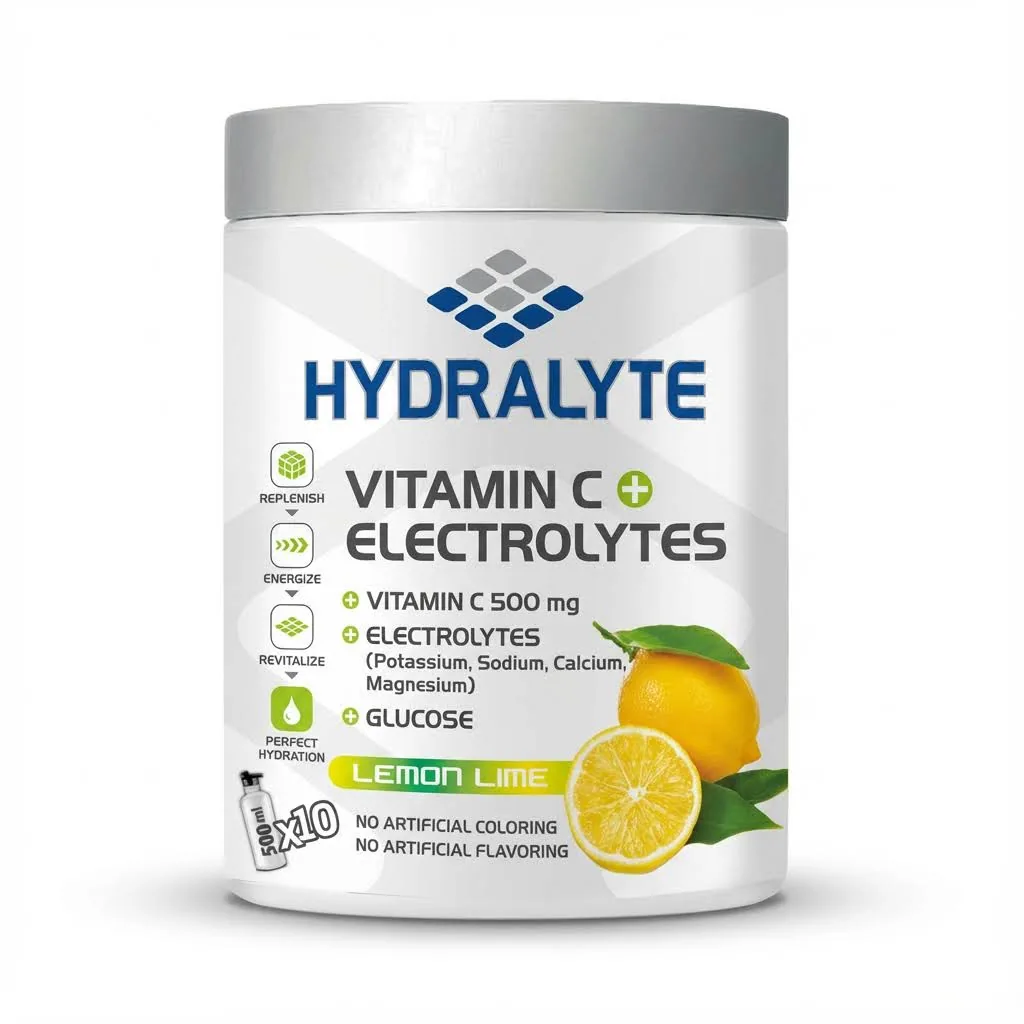
When choosing a supplement, the formulation matters. Many commercial "sports drinks" are loaded with excessive sugar and artificial colours, which can actually hinder hydration by pulling water into the gut to process the sugar. Hydralyte UAE electrolytes are different. They are based on the World Health Organisation's criteria for oral rehydration, using a precise ratio of glucose and electrolytes to accelerate water absorption. This scientific approach ensures that the fluid reaches the bloodstream as quickly as possible. Compared to DIY solutions, which often lack the correct balance of salts, an electrolyte drink UAE like Hydralyte offers a reliable and convenient way to manage hydration, particularly for those with active lifestyles or those facing the UAE's extreme summer humidity.
Making Electrolyte Awareness Part of Your Routine
Sustainable wellness is built on small, consistent habits. Rather than waiting until you feel thirsty or exhausted, treat mineral replenishment as a proactive part of your morning or workout routine. Pay attention to the subtle signals your body sends: the afternoon brain fog, the midnight leg cramp, or the feeling of being "unquenchable." By understanding the science of ions and the unique demands of the Middle Eastern climate, you can move beyond basic hydration and into a state of true physiological balance. Electrolytes are not just a recovery tool: they are the electrical foundation of a healthy, energetic life in the UAE.