How Products Actually Get Listed in UAE Supermarkets
For many FMCG brands, the dream is simple: see your product on the shelf at Lulu, Carrefour*, or Choithrams*. The reality of achieving that listing, however, involves a process that is far more structured and competitive than most brands expect.
UAE supermarket chains receive hundreds of listing requests every month. They have finite shelf space, established category plans and commercial terms that favour brands backed by professional distribution. Understanding how this process works — and why a capable distribution partner is essential — can save months of frustration and significant financial missteps.
The Listing Process: What Really Happens
When a supermarket category buyer considers a new product, they evaluate several factors simultaneously. Does the product fill a gap in their current category assortment, or does it duplicate what is already on shelf? What is the consumer value proposition — price, quality, uniqueness? Who is the distributor and can they guarantee consistent supply, promotional support and merchandising? What are the commercial terms — listing fees, promotional contributions, payment terms and margin structure?
The distributor's reputation matters enormously in this process. A buyer at a major chain who has a trusted relationship with a distributor is far more likely to consider a new product presentation than one from an unknown entity. This is why brands that attempt to approach UAE supermarkets directly — without an established local distributor — typically face immediate rejection or a process so slow it becomes commercially unviable.
Understanding Listing Fees and Trade Terms
Modern trade in the UAE operates on a structured commercial framework that includes listing fees paid per SKU per store or per chain to secure initial shelf placement, promotional allowances covering contributions toward in-store promotions, gondola end displays and catalogue features, payment terms typically ranging from 30 to 90 days depending on the chain and return policies where unsold or expired stock may be returned to the distributor.
These costs are real and need to be factored into your market entry budget. A distribution partner helps you navigate these terms strategically — knowing which chains offer better terms for new brands, which promotional windows deliver the best return and how to negotiate payment terms that protect cash flow.
Planograms and Shelf Position
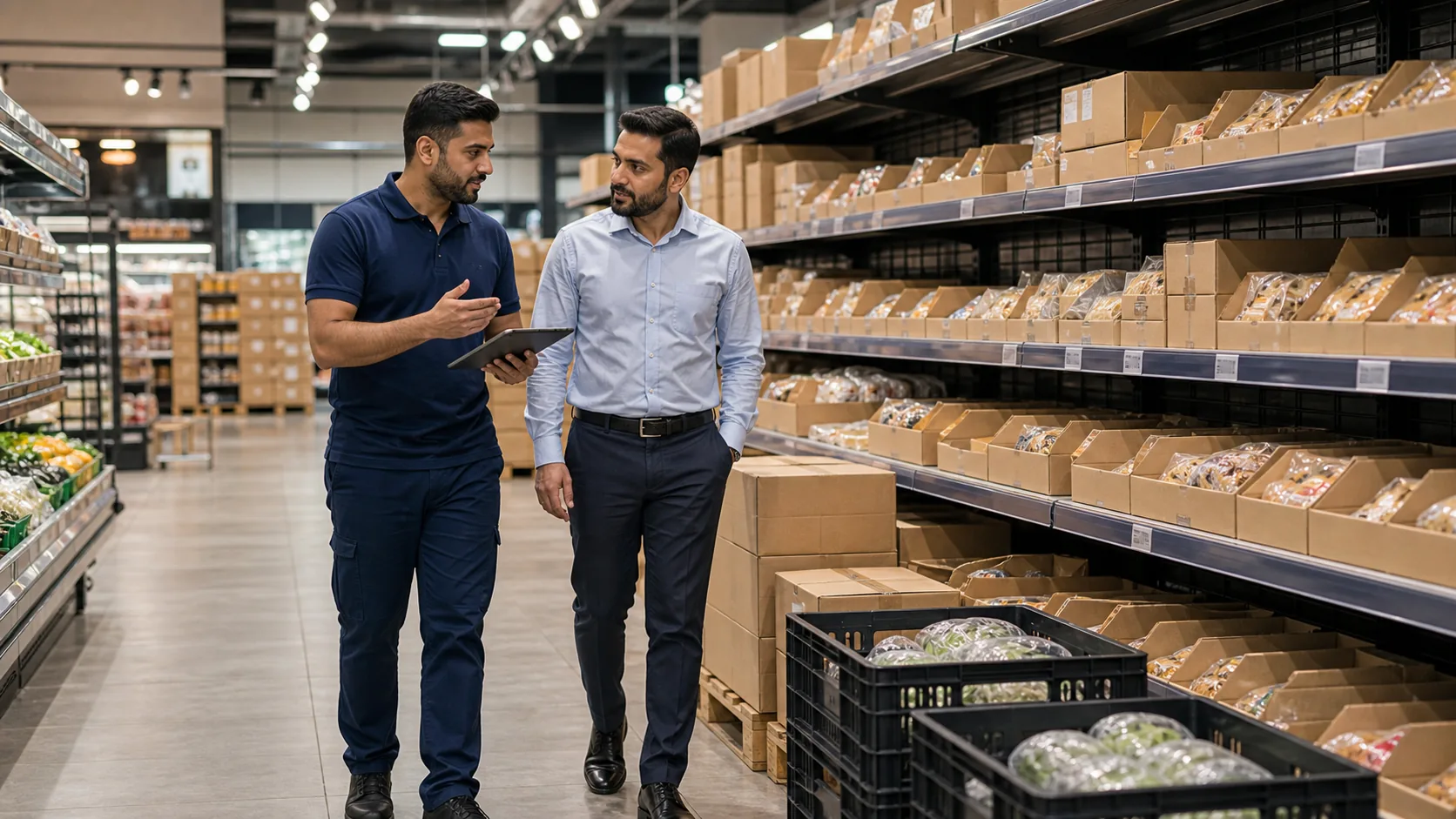
Getting listed is only half the battle. Where your product sits on the shelf determines whether consumers see it and buy it. Supermarkets use planograms — detailed shelf layout plans — to optimise category performance. Eye-level positions, end-cap displays and checkout-area placements all command premium positioning and drive significantly higher sales than bottom-shelf or back-of-aisle placements.
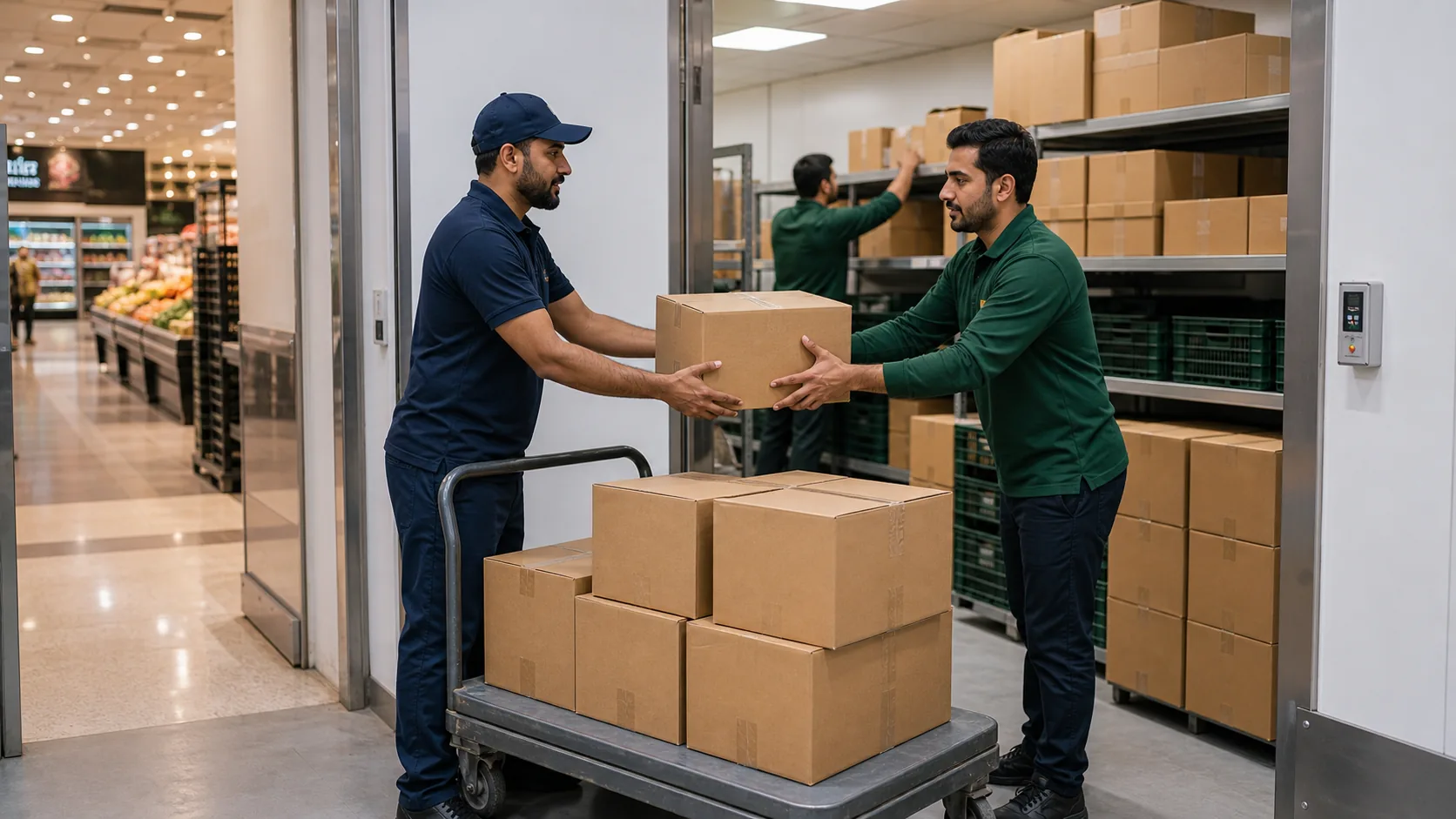
A distributor with dedicated merchandising staff ensures your products are placed according to the planogram agreement, properly faced, adequately stocked and supported with point-of-sale materials. At Bagason Group, our sales professionals actively manage shelf presence across our retail accounts, ensuring that our brand partners' products maintain the visibility they need to perform.
Beyond Listing: Driving Sell-Through
A listing that does not generate sales will be delisted — supermarkets regularly review category performance and remove underperforming products. Driving sell-through requires ongoing promotional activity including sampling, price promotions and multi-buy offers, in-store visibility through displays, shelf talkers and digital screens, consumer marketing that creates demand before and after the product reaches the shelf and reliable replenishment so that promotional success does not lead to empty shelves.
This is where the distributor's role extends beyond logistics into active brand partnership. The best distributors function as your in-market sales and marketing team, not just a delivery service.
Ready to get your products into UAE supermarkets? Contact Bagason Group to discuss how our retail relationships and distribution infrastructure can support your listing goals.
Frequently Asked Questions
Q: How much do supermarket listing fees cost in the UAE?
A: Listing fees vary significantly by chain and by category. They can range from a few hundred dirhams per SKU for smaller chains to several thousand dirhams per SKU across a large chain's entire store network. Some chains waive listing fees for strong brands or exclusive products. Your distributor can advise on the specific fee structures of each retailer.
Q: How long does it take to get listed in a UAE supermarket chain?
A: From initial presentation to product on shelf, the process typically takes 6 to 12 weeks for major chains. This includes buyer review, commercial negotiation, system setup, initial order processing and physical delivery and shelf placement. Smaller independent chains may move faster.
Q: Can I sell directly to UAE supermarkets without a distributor?
A: Technically possible but practically very difficult. Major UAE chains strongly prefer working with established local distributors who can guarantee supply continuity, handle returns, provide merchandising support and manage the financial relationship. Brands without a local distributor face significant hurdles in getting buyer meetings, let alone securing listings.