The United Arab Emirates represents one of the most dynamic and complex food markets globally, characterized by a unique set of geographic and demographic challenges. For any brand owner or procurement professional, understanding the food distributor UAE role is fundamental to navigating a landscape where food security is a national priority. With a domestic production capacity that is naturally limited by the arid climate, the UAE maintains an import dependence of approximately 90 per cent for its food requirements. This reliance on international sourcing places food import distribution UAE at the very heart of the nation's economic stability. The supply chain is not merely a logistical path but a sophisticated network that must account for over 200 nationalities, varying disposable income levels and a highly fragmented trade environment that ranges from ultra-modern hypermarkets to thousands of independent "baqala" groceries.
The Fragmented Trade Landscape and the Need for Professionalism
In the UAE, the food sector is bifurcated into Modern Trade and Traditional Trade. While Modern Trade consists of international and local powerhouses like Carrefour*, Lulu, and, the Traditional Trade sector remains a vital component of the food supply chain UAE. This sector includes thousands of small-scale retailers, independent cafeterias and neighborhood catering units. For a brand to achieve true market penetration, it must be present across both channels. Achieving this level of reach requires a food distribution company UAE that possesses both the infrastructure and the localized knowledge to manage diverse client needs. Bagason Middle East serves as a prime example of a partner that bridges these gaps, providing a unified solution for brands that would otherwise struggle to reach the 8,000 plus retail and hospitality points across the seven emirates.
Market Access for Manufacturers: Self-Distribution vs. Partnership
When international brand owners evaluate UAE market entry, the primary strategic question is whether to establish a direct presence or utilize a specialized partner for FMCG distribution UAE. The costs of self-distribution in the Middle East are often prohibitive for all but the largest global conglomerates. Establishing a direct distribution arm requires significant capital expenditure, including the acquisition of specialized trade licenses, the leasing of climate-controlled warehouse space and the recruitment of a local sales force. Furthermore, the administrative burden of managing visas, labor cards and local payroll for a logistics team adds layers of complexity that distract from core brand-building activities. By working through a professional distributor, manufacturers can convert these high fixed costs into variable costs. The distributor provides immediate access to an established network, allowing the brand to leverage existing economies of scale in warehousing and transport. This collaborative approach significantly reduces the time-to-market, enabling brands to go from registration to shelf-presence in a fraction of the time required for a solo entry.
Regulatory Navigation: Product Registration and Compliance
The regulatory environment in the UAE is rigorous, designed to ensure the highest standards of food safety for its residents. Navigating food import distribution UAE involves dealing with multiple government bodies, including the Ministry of Industry and Advanced Technology (MoIAT) and individual municipal food safety departments such as Dubai Municipality’s Food Safety Department. Each product must be registered on platforms like the Zabeel system, requiring detailed laboratory analysis reports, health certificates and ingredient breakdowns. Compliance also extends to labelling, where Arabic translations must be accurate and meet specific formatting requirements regarding font size and placement. A professional B2B food supply UAE partner manages this entire process, acting as the local representative for the brand. They ensure that every SKU in the portfolio remains compliant with evolving federal and local laws, preventing costly shipment rejections or fines that can arise from minor clerical errors or misunderstood regulations.
Physical Distribution Infrastructure: Warehousing and Cold Chain
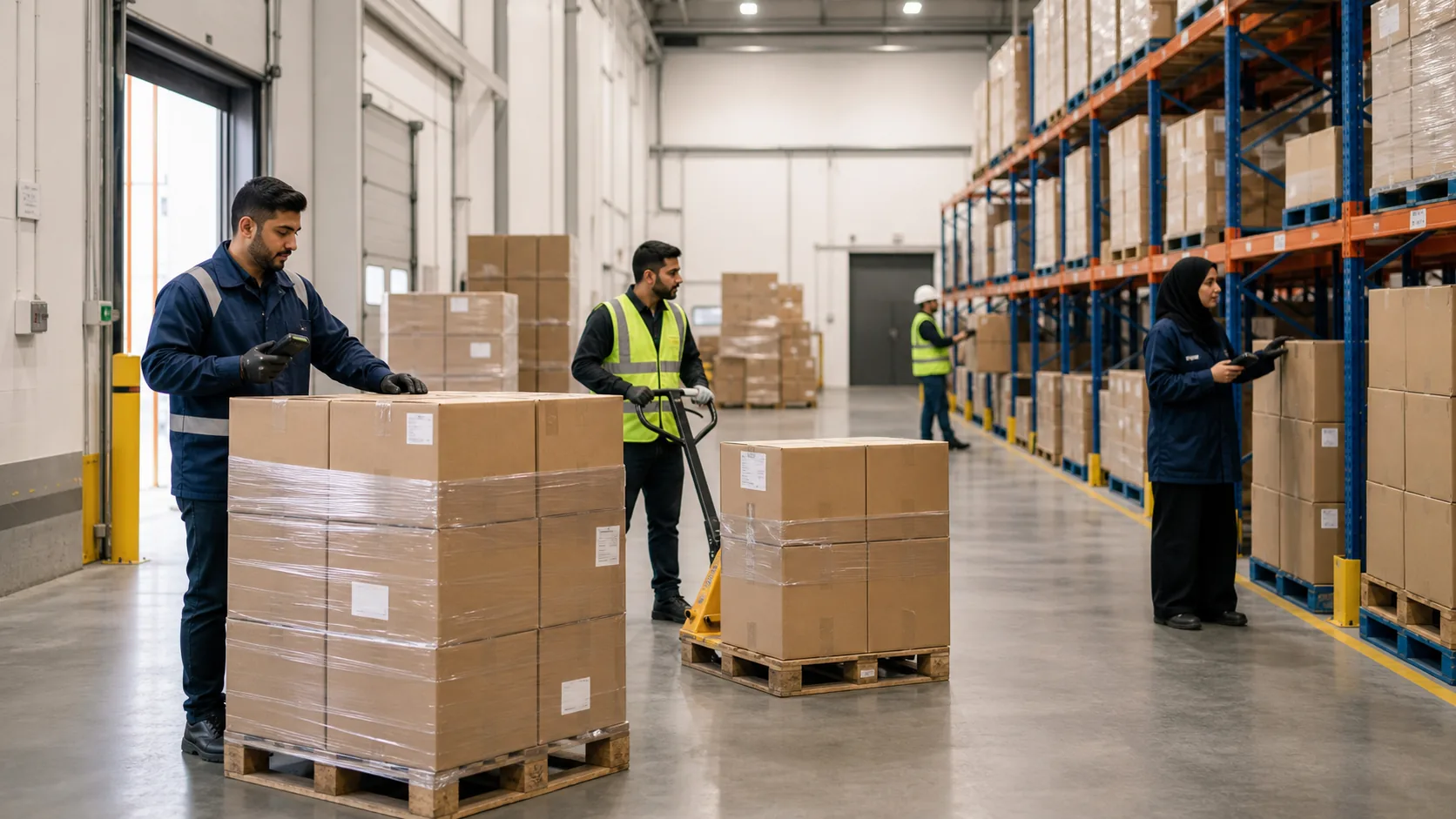
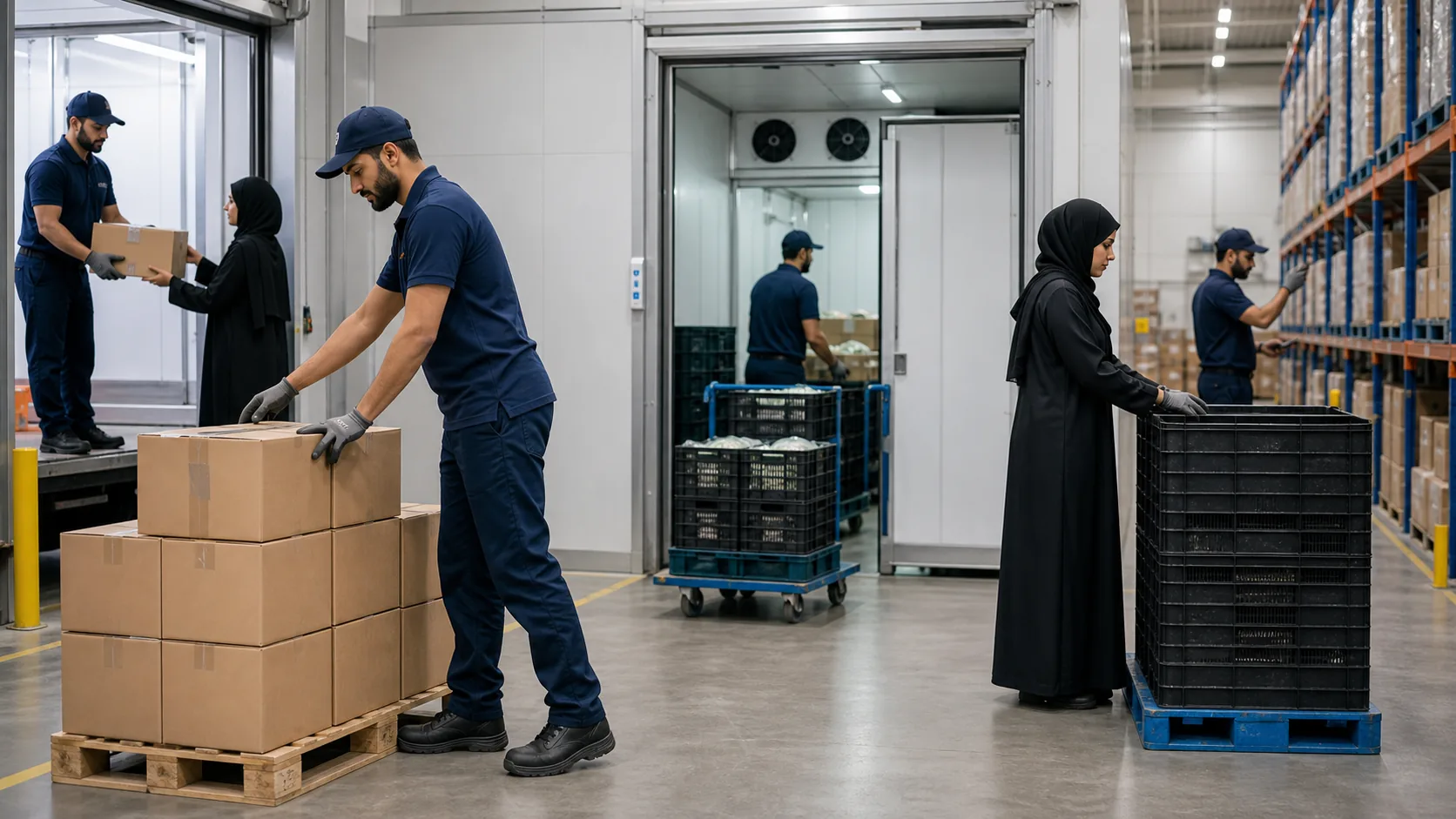
Physical infrastructure is the backbone of any product distribution UAE strategy. Given the extreme temperatures experienced in the region for much of the year, maintaining a robust cold chain is a non-negotiable requirement. Professional distributors invest heavily in multi-temperature warehousing facilities that can handle ambient, chilled and frozen products simultaneously. Beyond storage, the "last mile" of distribution in the UAE is particularly challenging. It requires a fleet of specialized vehicles capable of maintaining consistent temperatures while navigating the dense urban traffic of Dubai or the long-distance routes to the Northern Emirates and Al Ain. Bagason Middle East maintains a sophisticated logistics network that includes two primary warehouses and a dedicated fleet of vansales vehicles. This infrastructure ensures that even the most sensitive food products reach the end customer in peak condition, preserving brand integrity and consumer safety.
Sales and Trade Relationship Management: Driving Sell-Out
The food distributor UAE role has evolved far beyond simple "box moving" logistics. In a competitive market, a distributor must act as an extension of the brand's sales and marketing team. This involves more than just achieving "sell-in" to the retailer, it requires a strategic focus on "sell-out" to the consumer. A high-performing distributor manages trade relationships at multiple levels, from the category managers at large retail groups to the owners of independent restaurants. They employ dedicated merchandising teams who ensure that products are correctly shelved, stock is rotated according to First-Expiry-First-Out (FEFO) principles and promotional displays are executed according to the brand's guidelines. This active management of the "last three feet" of the supply chain is what differentiates a strategic partner from a mere logistics provider. The ability to drive visibility and consumer trial is essential for long-term brand success in the UAE's crowded FMCG sector.
Financial Services: Credit Extension and Risk Management
One of the most critical, yet often overlooked, functions of wholesale food distribution UAE is the provision of financial services. The UAE market operates heavily on credit, with standard payment terms ranging from 60 to 90 days for most major retailers and hospitality groups. For an international manufacturer, managing the accounts receivable from thousands of individual customers in a foreign country is practically impossible. The distributor absorbs this financial risk. They extend credit to the trade, manage collections and handle the administrative burden of reconciliation. This provides the manufacturer with financial security and predictable cash flow, as they deal with a single, credit-worthy distribution partner rather than a fragmented list of debtors. By managing the credit risk and working capital requirements of the local market, the distributor enables the brand owner to focus their resources on global production and innovation.
Category Management and Retailer Collaboration
Effective brand distribution UAE requires a deep understanding of category management. Retailers in the region are increasingly looking for distributors who can provide data-driven insights into how a specific brand or category will perform. This includes collaborating on planograms, suggesting optimal ranging for different store formats and planning promotional calendars that align with local shopping trends and religious holidays like Ramadan. A distributor that understands the nuances of the UAE consumer can help a brand secure "Golden Zone" shelf space and participate in high-traffic secondary placements. Through Bagason Middle East, brand owners gain access to professionals who understand the competitive set within their category and can position products to maximize both volume and margin for the retailer and the brand owner alike.
Information and Data: Market Intelligence and Feedback
In the modern supply chain, information is as valuable as the physical goods being moved. A sophisticated food distribution company UAE serves as a vital source of market intelligence for its partners. They provide regular reports on sell-out data, inventory levels and competitor activity. More importantly, they offer qualitative feedback from the trade and from consumers. If a product’s packaging is not resonating with the local demographic, or if a competitor has launched a disruptive promotion, the distributor is the first to know. This "boots on the ground" perspective allows brand owners to make informed decisions about product development, pricing strategies and marketing investments. Access to real-time data and local insights is a key competitive advantage in a market that moves as quickly as the UAE.
The Evolving Distributor Model: A Strategic Market Partner
The traditional model of food distribution is undergoing a significant transformation. The most successful operators are moving away from being purely transactional entities toward becoming strategic market partners. This evolution is driven by the integration of technology, from digital ordering platforms for retailers to advanced route-optimization software for delivery fleets. Furthermore, the role now encompasses sustainability, as distributors look for ways to reduce food waste and optimize their carbon footprint in line with the UAE’s Green Agenda. The food supply chain UAE of the future is one where the distributor is deeply integrated into the brand’s long-term planning, providing not just logistics and sales, but a comprehensive suite of market-entry and growth services. This holistic approach is what enables brands to build sustainable, multi-decade businesses in the region.
Selecting the Right Distribution Partner in the UAE
Selecting a partner for food distributor UAE role is perhaps the most consequential decision a brand owner will make. The right partner should demonstrate more than just a large fleet or warehouse, they must show a alignment of values, a deep understanding of your specific category and a proven track record of regulatory compliance. Key criteria should include the breadth of their distribution network, the sophistication of their reporting systems and their financial stability. For those looking to enter or expand within the region, Bagason Middle East offers the professional infrastructure and strategic expertise required to thrive in this high-growth environment. By choosing a partner that acts as a true extension of your business, you ensure that your brand is positioned to capitalize on the immense opportunities within the UAE’s vibrant food and beverage sector. The modern supply chain demands excellence at every touchpoint and the right distributor is the catalyst that turns market potential into market leadership.
Sources and References
This article draws on publicly available government data, industry body reports, and Bagason Group operational experience. All figures are estimates and should be treated as directional.
- UAE Ministry of Economy — National economic indicators and trade data
- Dubai Chambers — Dubai Economic Report
- UAE Federal Competitiveness and Statistics Centre (FCSA) — Consumer spending and trade statistics
- Gulfood — Industry Insights and Market Reports
- UAE Ministry of Human Resources (MOHRE) — Labour and workplace regulations
- Bagason Group — Internal distribution operations and market coverage data