Sustainability in the UAE food sector has transitioned from a peripheral corporate social responsibility concern to a fundamental driver of operational strategy. For distributors, the shift is necessitated by a combination of federal mandates, rising fuel costs, and the evolving procurement standards of major retail and hospitality groups. In a market where 80 to 85 percent of food products are imported, the supply chain is particularly sensitive to global disruptions and local inefficiencies. Adopting sustainable food distribution UAE practices is no longer just about environmental stewardship, it is about building a resilient, cost-effective business model capable of long-term growth.
Introduction: Why Sustainability is a Business Priority for UAE Food Distributors
The UAE has established itself as a global hub for logistics, but the scale of its food service industry brings significant environmental responsibilities. With over 25,000 food establishments in Dubai alone, the infrastructure required to move thousands of tonnes of produce daily creates a substantial environmental footprint. Business leaders are recognising that sustainable FMCG operations provide a competitive edge. This shift is driven by three main factors: regulatory compliance, operational efficiency, and market demand. As the federal government tightens laws around emissions and waste, distributors must adapt or face penalties. Simultaneously, high-volume hospitality partners are increasingly auditing their vendors for green credentials, making sustainability a prerequisite for securing large-scale contracts.
Food Waste: The UAE Government's 50% Reduction Target by 2030
Food waste is arguably the most significant challenge within the green supply chain FMCG sector. In the UAE, where extreme temperatures can lead to rapid spoilage, managing the perishability of goods is a constant battle. The UAE government has set a bold UAE food waste target 2030, pledging to reduce food loss and waste by 50 percent in alignment with the United Nations Sustainable Development Goal 12.3. Initiatives like ne'ma, the National Food Loss and Waste Initiative, are designed to align stakeholders across the value chain. For a distributor like Bagason Middle East, contributing to this target involves more than just better handling, it requires a systemic overhaul of how stock is monitored and moved.
Inventory Management as a Waste Reduction Tool
Precision in inventory management is the primary defence against waste. Food waste reduction UAE starts in the warehouse with advanced demand forecasting. By using historical data and predictive analytics, distributors can avoid overstocking, which is a leading cause of product expiry. Implementing First-Expiry-First-Out (FEFO) protocols ensures that products with the shortest remaining shelf life are prioritised for delivery. Digital expiry monitoring systems provide real-time alerts, allowing procurement teams to run promotional clearances or redistribute stock to charitable organisations via the UAE Food Bank before products become unsellable. These eco-friendly logistics UAE practices directly impact the bottom line by reducing write-offs.
Fleet Emissions and CO2 Reduction Through Route Optimisation
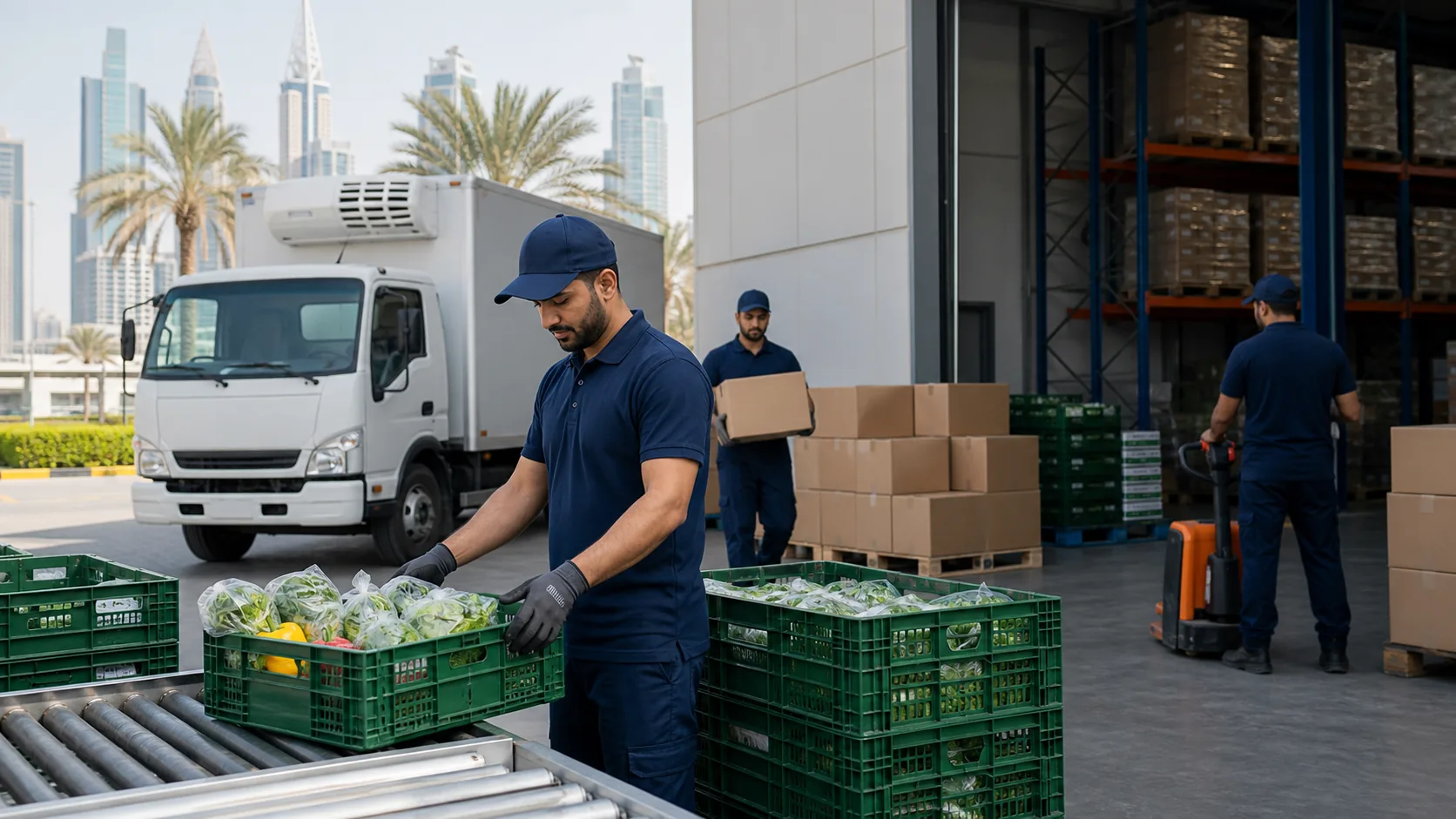
The carbon footprint distribution activities generate is largely tied to transportation. In an industry that relies on constant movement across the seven emirates, fuel consumption is a major overhead. Route optimisation software has become essential for reducing "empty miles"—the distance travelled by vehicles without a full load. By using AI-driven planning, distributors can consolidate shipments, reduce the number of vehicles on the road, and ensure that delivery vans take the most fuel-efficient paths. This not only lowers CO2 emissions but also reduces vehicle wear and tear, contributing to more sustainable FMCG operations.
Electric Vehicles in UAE Food Distribution: State and Economics
Fleet electrification is the next frontier for sustainable food distribution UAE. While the heavy-duty refrigerated truck market is still transitioning, last-mile delivery is seeing a surge in Electric Vehicle (EV) adoption. The UAE's National Electric Vehicles Policy aims to have 50 percent of the total commercial vehicles on the road be electric or hybrid by 2050. Currently, the economics of EVs are becoming more attractive as charging infrastructure expands, with Dubai Electricity and Water Authority targeting 1,000 green charging stations by 2025. For food distributors, the lower maintenance costs of EVs and the potential for solar-powered charging at warehouses make electrification a viable long-term investment, despite the higher initial purchase price.
Sustainable Packaging in Food Supply Chains
Packaging plays a dual role: protecting food quality and creating waste. In the UAE, sustainable packaging food UAE initiatives focus on reducing single-use plastics and transitioning to circular materials. Distributors are exploring alternatives to traditional stretch wrap, such as reusable pallet covers and collapsible crates. Beyond the warehouse, there is a growing trend of upstream collaboration, where distributors work with brand partners to reduce secondary packaging. This not only reduces the volume of waste reaching the retailer but also improves shipping density, allowing more product to be moved in fewer trips, further enhancing the green supply chain FMCG.
Energy Management in Warehouses: Solar and Smart Systems
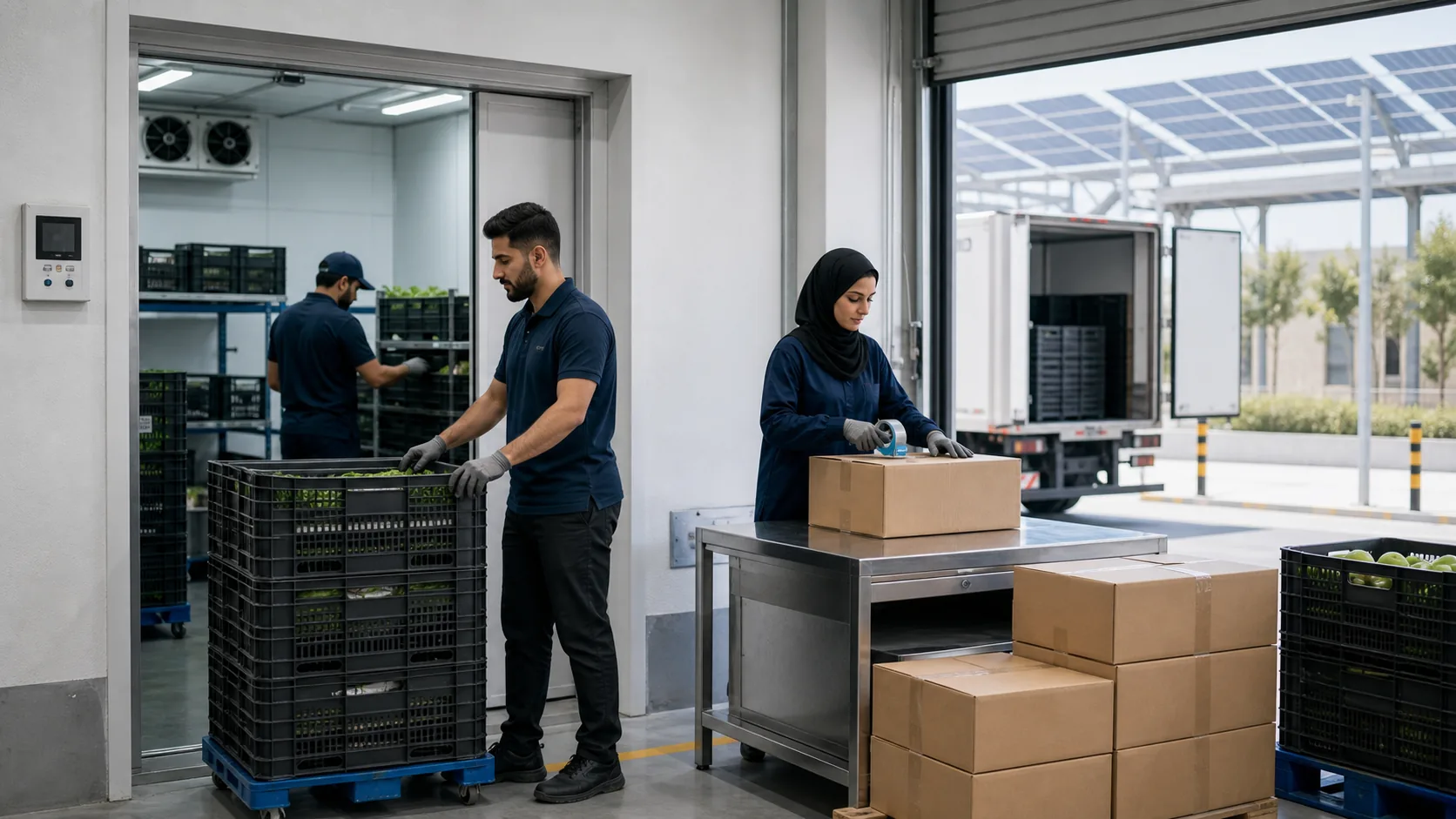
Warehousing, particularly cold storage, is energy-intensive. To achieve food sustainability GCC goals, distributors are investing in building efficiency. Retrofitting warehouses with LED lighting, high-performance insulation, and rapid-close doors significantly reduces energy leakage. Many firms in the UAE are now installing rooftop solar panels, taking advantage of the region's high solar irradiance to power refrigeration units. Smart energy management systems that use IoT sensors to adjust cooling based on real-time occupancy and ambient temperature are becoming standard in modern facilities, offering a clear path to reducing the carbon footprint distribution footprint of the storage phase.
Retailer and Hospitality Buyer Sustainability Requirements
B2B buyers in the UAE are no longer passive participants in sustainability. Major supermarket chains and international hotel groups are now including environmental KPIs in their tender processes. They are asking for detailed reports on the carbon emissions associated with their deliveries and proof of waste management protocols. To remain a preferred partner, distributors must be transparent. Providing data-backed insights into how a shipment was consolidated or the percentage of recycled materials in the packaging is becoming as important as the price point. Companies like Bagason Middle East that proactively share these metrics find it easier to build trust with sustainability-conscious procurement directors.
The Financial Case: Aligning Cost Savings and Benefits
The misconception that sustainability is purely a cost centre is fading. In 2024, the business case for green practices is robust. Reduced food waste means higher margins. Fuel efficiency through route optimisation leads to immediate operational savings. While some technologies require upfront investment, the long-term ROI is found in increased efficiency, lower utility bills, and higher retention of top-tier clients who prioritise environmental responsibility. A sustainable food distribution UAE strategy is, at its core, an efficiency strategy. By wasting less energy, less fuel, and less product, businesses naturally become more profitable.
Closing: Building Sustainability into Distribution Strategy
The trajectory for food sustainability GCC is clear. As the UAE prepares for its long-term Net Zero 2050 goals, every link in the food value chain will be scrutinised. For distributors, the path forward involves integrating sustainability into every decision, from procurement to the final mile. It requires a mindset shift where environmental impact is measured alongside financial performance. By investing in technology, optimizing logistics, and collaborating across the supply chain, UAE food distributors can ensure they are not only meeting UAE food waste target 2030 mandates but also leading the region toward a more secure and responsible food future.
Sources and References
This article draws on publicly available government data, industry body reports, and Bagason Group operational experience. All figures are estimates and should be treated as directional.
- UAE Ministry of Economy — National economic indicators and trade data
- Dubai Chambers — Dubai Economic Report
- UAE Federal Competitiveness and Statistics Centre (FCSA) — Consumer spending and trade statistics
- Gulfood — Industry Insights and Market Reports
- UAE Ministry of Human Resources (MOHRE) — Labour and workplace regulations
- Bagason Group — Internal distribution operations and market coverage data