The Fast Moving Consumer Goods (FMCG) sector in the United Arab Emirates is currently undergoing a profound transformation where operational excellence has transitioned from a backend necessity to a primary competitive differentiator. For brand owners and procurement directors, the ability to manufacture or source a superior product is no longer sufficient to guarantee market dominance. In a marketplace characterised by high disposable income, diverse consumer demographics, and an ultra-competitive retail environment, the physical availability of goods at the point of purchase is the ultimate arbiter of success. When a consumer reaches for a product and finds an empty shelf, the failure is rarely attributed to the brand's marketing strategy, but rather to a breakdown in the distribution chain. This reality has elevated FMCG distribution UAE from a functional task to a strategic pillar that determines the long term viability of international and local brands alike.
The structural complexity of FMCG distribution in the UAE: seven emirates and 8,000+ retail points
Understanding the necessity of reliable distribution UAE requires a deep dive into the unique structural geography of the market. The UAE is not a monolithic retail environment; it is a complex tapestry of seven distinct emirates, each with its own demographic nuances and logistical hurdles. The market is split between a highly sophisticated Modern Trade (MT) sector, comprising international hypermarkets and regional supermarket chains, and a vast, fragmented Traditional Trade (TT) sector. This Traditional Trade segment consists of thousands of independent groceries, baqalas, and "hole in the wall" outlets that remain the primary touchpoints for a significant portion of the population. Serving over 8,000 retail and hospitality points requires more than just a fleet of trucks; it requires a sophisticated route-to-market strategy that can navigate the congested urban centres of Dubai and Abu Dhabi while simultaneously reaching remote industrial zones and northern coastal towns.
The complexity is further compounded by the hospitality and food service sector, which demands split-case deliveries and specific time-window arrivals. For a brand owner, managing this level of granularity independently is nearly impossible. Success depends on a distribution partner UAE that possesses the infrastructure to handle high-frequency, low-drop-size deliveries across the entire country. The logistical demand of maintaining product availability UAE across such a diverse landscape means that any weakness in a distributor’s network is immediately magnified, resulting in patchy coverage that erodes brand equity and allows competitors to seize valuable shelf space.
What reliable distribution actually means in practice: OTIF, accuracy, and communication
In the professional sphere of supply chain management, reliability is not a vague sentiment but a measurable set of Key Performance Indicators (KPIs). At its core, reliability is defined by the On-Time In-Full (OTIF) rate. A distributor might deliver a shipment, but if it is three hours late for a modern trade window, the retailer may refuse the entire vehicle, leading to immediate out-of-stock (OOS) situations. Similarly, delivering "in-full" is critical; partial deliveries disrupt the retailer's planogram and replenishment cycles, often leading to administrative penalties. Beyond OTIF, invoice accuracy and stock transparency are vital components of brand distribution reliability UAE. Discrepancies between physical stock delivered and the digital record create friction in the accounts payable process and sour the relationship between the brand and the retailer.
Proactive communication serves as the final layer of true reliability. A reliable distributor does not simply report a problem after it occurs; they provide real-time visibility into the FMCG supply chain UAE, allowing brand managers to adjust promotional spends or marketing activities based on actual stock positions. This level of commercial rigour ensures that every stakeholder in the chain is aligned, reducing the "bullwhip effect" where small fluctuations in consumer demand lead to massive, inefficient swings in inventory levels at the warehouse.
The cost of distribution failure for a brand: stockouts and retail penalties
The financial consequences of distribution failure are immediate and often permanent. When a product is out of stock, the consumer does not usually wait for a restock; they switch to a competitor. Industry data suggests that after the second or third OOS experience, consumer brand loyalty drops significantly, leading to permanent churn. However, the costs extend far beyond lost sales. In the UAE's modern trade environment, retailers enforce strict Service Level Agreements (SLAs). Failure to meet delivery windows or fill rate requirements often results in heavy financial penalties that can eat into a brand's entire quarterly margin. In extreme cases, consistent unreliability leads to "delisting," where a retailer removes the product from their assortment entirely. Regaining a lost listing is significantly more expensive than maintaining an existing one, involving new listing fees, aggressive promotional support, and a long period of rebuilding trust with the category manager.
How e-commerce has raised the reliability bar: from B2C to B2B expectations
The rapid rise of quick-commerce and online grocery platforms in the UAE has fundamentally altered consumer expectations. When shoppers can receive a bottle of cold-pressed oil or a bag of spices within 15 to 30 minutes, their patience for shelf gaps in physical stores vanishes. This "instant gratification" culture has bled into the B2B world. Retail buyers and procurement heads now expect the same level of speed and precision from their FMCG logistics UAE providers. Distributors must now operate with a sense of urgency that matches the digital marketplace. This shift has necessitated a move away from traditional weekly delivery cycles toward more agile, data-driven replenishment models that can react to sales spikes in real-time, ensuring that the omnichannel presence of a brand remains consistent across both digital and physical storefronts.
Supply chain disruption preparedness: resilience in the face of global shifts
The global events of the past few years, from pandemic-related lockdowns to disruptions in the Red Sea, have served as a stress test for the food and beverage distribution UAE sector. These crises revealed a stark divide between distributors who operate on a "just-in-time" basis and those who invest in "just-in-case" resilience. A reliable distributor maintains robust contingency plans, including diversified sourcing routes and strategic safety stock levels. During periods of volatility, the distributors who remained operational were those with deep local roots and the financial strength to absorb temporary logistical shocks. This resilience is a critical component of reliability; a distributor is only as good as their ability to deliver during the most challenging times, not just when the global supply chain is functioning smoothly.
The technology dimension of reliability: WMS and digital visibility
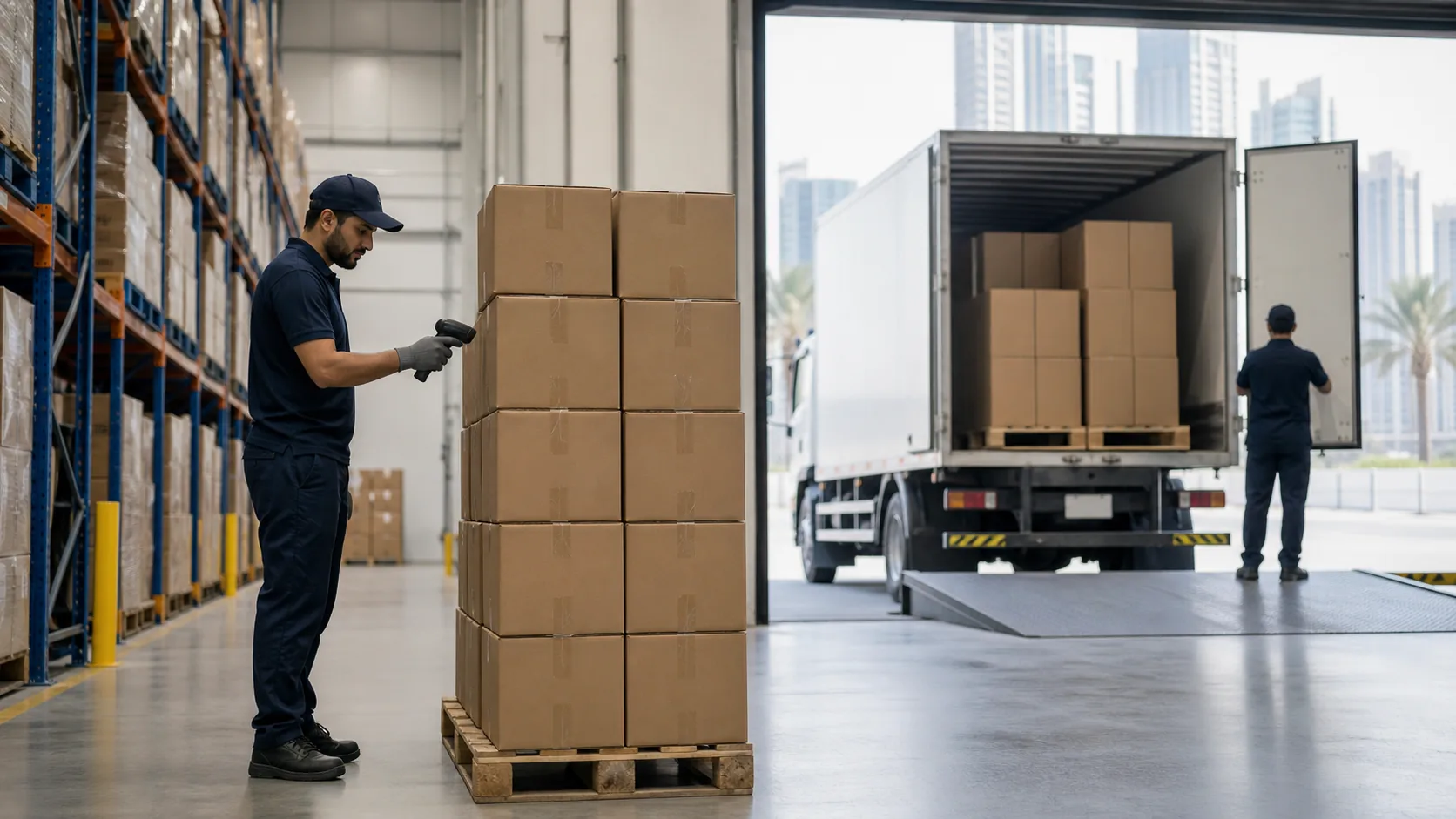
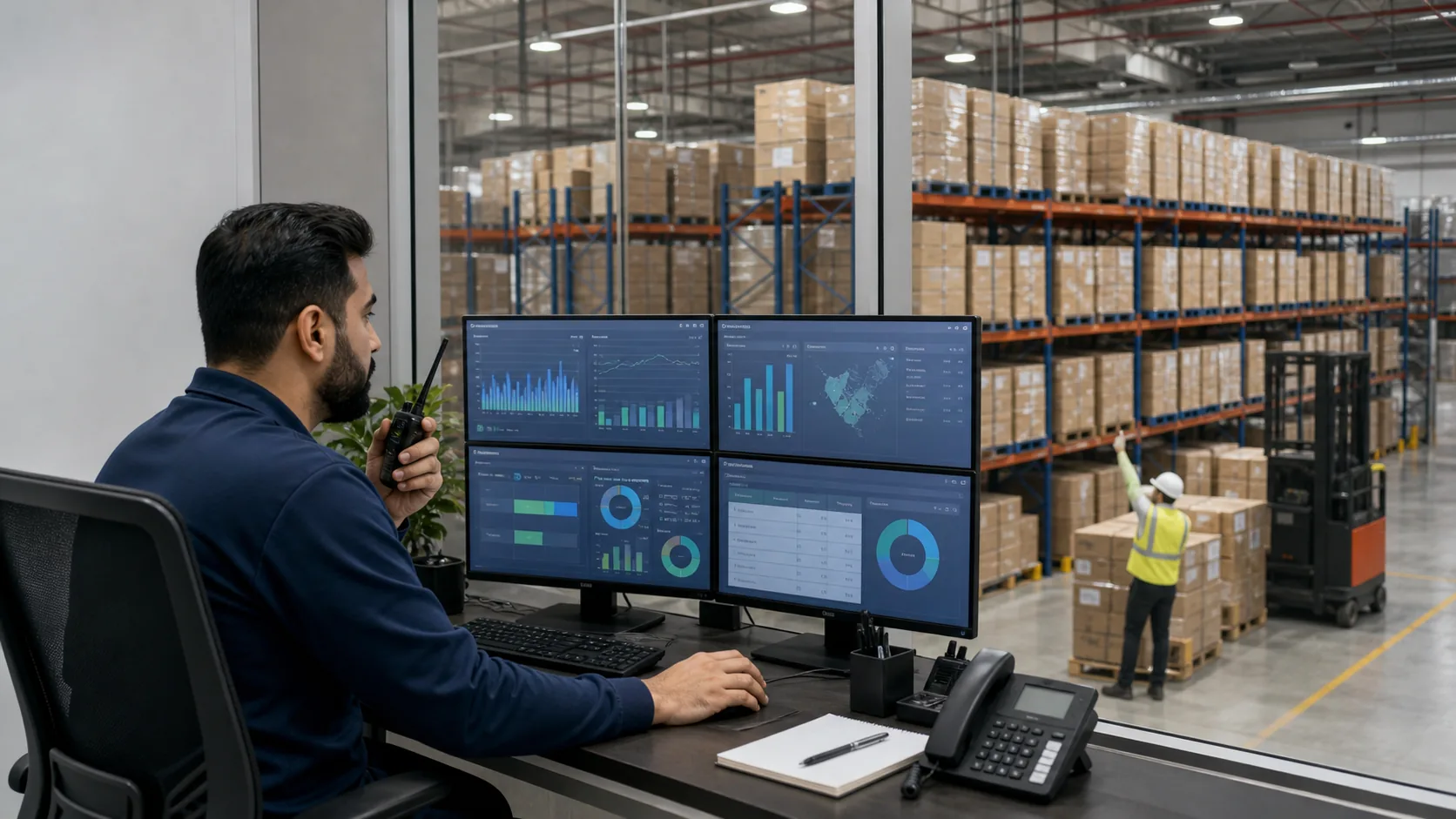
Modern distribution is as much about data as it is about physical movement. A distributor’s Warehouse Management System (WMS) is the brain of the operation. High-tier reliability is achieved through 99%+ inventory accuracy, enabled by barcode scanning at every touchpoint from receiving to final delivery. Real-time inventory visibility allows brand owners to see exactly where their stock is located, its expiry profile (FEFO management), and its velocity through different channels. Digital Proof of Delivery (e-POD) systems have replaced কাগজের (paper) trails, providing immediate confirmation of delivery and allowing for faster invoicing and dispute resolution. Without this technological backbone, a distributor is prone to human error, which is the primary enemy of consistent execution in a high-volume FMCG environment.
Stock depth and strategic holding: why inventory positions matter
One of the most overlooked aspects of distribution reliability is the distributor's willingness to hold stock. In an era where many businesses are trying to lean out their balance sheets, Bagason Middle East maintains a different philosophy by holding adequate stock depth to buffer against supply chain fluctuations. This strategic holding is what ensures retail distribution UAE remains uninterrupted even when international shipments are delayed. For a brand owner, a distributor who acts as a physical "shock absorber" is invaluable. It protects the brand from the volatility of international manufacturing schedules and ensures that the local market remains serviced regardless of external pressures.
\\
The role of local infrastructure\
\-
\
- Two climate-controlled warehouses totaling significant square footage to ensure product integrity\ \
- A fleet of over 50 temperature-controlled vehicles covering all seven emirates daily\ \
- Vansales operations that provide immediate stock replenishment for traditional trade outlets\ \
Distributor-brand partnership quality: alignment on forecasting and growth
Reliability is not a one-way street; it is the result of a high-quality partnership. The best distributors work closely with brand owners on demand planning and promotional forecasting. When a brand plans a major "Buy One Get One" campaign, the distributor must be ready with the logistical capacity to handle a 3x increase in volume. This alignment prevents the "success failure" where a brilliant marketing campaign leads to stockouts because the distribution chain wasn't prepared for the surge. A reliable partner provides the commercial feedback necessary to refine these forecasts, using their local market knowledge to predict how regional events like Ramadan or the Dubai Shopping Festival will impact specific product categories.
Evaluating a UAE distributor's reliability: the right questions to ask
When assessing a potential partner, brand owners should look beyond the size of the fleet and the list of current clients. Strategic questions should focus on operational granularity:
\-
\
- What is your documented OTIF rate for major modern trade accounts over the last 12 months?\ \
- How do you manage FEFO and what is your percentage of "expired stock" write-offs?\ \
- Can you provide a real-time digital dashboard of my inventory levels and sales velocity?\ \
- What is your ratio of back-office support to field sales staff to ensure administrative accuracy?\ \
- How many active retail touchpoints do you visit weekly in the Northern Emirates versus Dubai?\ \
A distributor who can answer these questions with data-backed transparency is one that prioritises reliability as a core business value rather than a marketing slogan.
The financial relationship between reliability and market share
There is a direct, measurable correlation between distribution reliability and market share growth. Brands that are consistently available grow faster because they capture the "incidental" sales that competitors miss. Over time, retailers allocate more shelf space to reliable brands because they represent a lower risk to the retailer’s own revenue targets. Furthermore, a reliable distribution network allows brands to maintain a premium price point; consumers are willing to pay more for a product they know they can find whenever they need it. In the long run, the investment in a high-quality distribution partner pays for itself through increased volume, reduced penalties, and a stronger brand reputation in the eyes of both the trade and the end consumer.
Closing: Distribution reliability as a growth driver
In the final analysis, the UAE FMCG market rewards execution. While creative marketing and product innovation are necessary to spark interest, it is the quiet, consistent work of the distribution chain that sustains a brand's life. Reliability should not be viewed as a "hygiene factor" that only gets noticed when it fails; it is an active engine for growth. By ensuring that every one of the 8,000+ retail points in the UAE is serviced with precision, a distributor transforms a brand's potential into actual market leadership. In a landscape as dynamic and demanding as the Middle East, choosing a partner that views reliability as a strategic mandate is the single most important decision a brand owner can make. To learn more about how we facilitate this level of excellence across the region, visit Bagason Middle East for a deeper look at our infrastructure and brand portfolio.
Sources and References
This article draws on publicly available government data, industry body reports, and Bagason Group operational experience. All figures are estimates and should be treated as directional.
- UAE Ministry of Economy — National economic indicators and trade data
- Dubai Chambers — Dubai Economic Report
- UAE Federal Competitiveness and Statistics Centre (FCSA) — Consumer spending and trade statistics
- Gulfood — Industry Insights and Market Reports
- UAE Ministry of Human Resources (MOHRE) — Labour and workplace regulations
- Bagason Group — Internal distribution operations and market coverage data