Hydration Tips for Hot Climate Living
Introduction: Why Hydration in the UAE is a Genuinely Different Challenge
Living in the United Arab Emirates presents a unique set of physiological demands that differ significantly from those found in temperate climates. While many global health guidelines suggest a standard intake of two litres of water per day, these figures are often insufficient for residents of Dubai, Abu Dhabi, or the Northern Emirates. In a region where summer temperatures routinely exceed 45 degrees Celsius, the environment transitions from a matter of discomfort to a significant metabolic challenge. The combination of intense solar radiation, high ambient temperatures, and varying humidity levels creates a "high-heat" context where the body’s primary cooling mechanism, evaporation through sweat, is pushed to its absolute limit. Understanding how to manage your fluid intake is not merely about thirst: it is about maintaining the biological equilibrium required for cognitive function and physical safety.
How the Body Loses Water in Extreme Heat: The Science of Sweat
The human body maintains a core temperature of approximately 37 degrees Celsius. When external temperatures rise, the hypothalamus triggers the sweat glands to release moisture onto the skin. In the UAE, this process is complicated by the humidity levels found in coastal cities. When humidity is high, sweat cannot evaporate efficiently, which prevents the body from cooling down. Conversely, in the dry desert interior, sweat evaporates so quickly that residents may not even realise they are losing fluids at an alarming rate. Research indicates that an adult performing moderate activity in 45 degree heat can lose between 1.5 and 2.5 litres of sweat per hour. This rapid fluid loss necessitates specific hot climate hydration UAE strategies that go beyond occasional water consumption. Because sweat is not just water but a dilute salt solution, the loss of volume is accompanied by a critical loss of minerals.
Signs of Dehydration That Most People Ignore
Many residents wait for a dry mouth or intense thirst before reaching for a drink, but these are actually late-stage indicators of a fluid deficit. To effectively prevent dehydration UAE inhabitants should monitor more subtle physiological and cognitive shifts. Early signs include a slight "brain fog" or difficulty concentrating during afternoon meetings, a reduced frequency of urination, and a noticeable darkening of urine colour. A persistent, dull headache that develops by mid-afternoon is frequently a sign that blood volume has dropped due to fluid loss. Physical indicators such as a slightly elevated resting heart rate or feeling unexpectedly fatigued after a short walk from the car to the office are also common. By the time you feel dizzy or experience muscle cramps, your body is already in a state of significant distress.
Water Alone is Not Always Enough: The Importance of Electrolytes
When you sweat profusely, you are losing more than just H2O. You are also depleting your body’s stores of essential salts. If you replace these losses by drinking massive quantities of plain water only, you risk a condition called hyponatremia, where the sodium levels in your blood become dangerously diluted. This is why electrolyte drinks UAE summer residents often rely on are a vital component of a safety plan. Electrolytes are minerals that carry an electrical charge and are essential for muscle contractions, nerve signalling, and maintaining fluid balance within cells. Without these salts, the water you drink cannot be effectively absorbed or retained by your tissues, leading to a cycle where you drink more but remain dehydrated. Integrating a balanced mineral profile into your routine ensures that fluid actually reaches the cells that need it most.
Electrolytes Explained: Sodium, Potassium, Magnesium, and Chloride
To understand why specific formulations are necessary, we must look at the specific minerals lost through the skin. Sodium is the primary electrolyte lost in sweat, responsible for maintaining blood pressure and fluid volume. A person working outdoors in the UAE summer might lose up to 1,000mg of sodium per hour. Potassium works in tandem with sodium to manage the electrical potential of your cells; it is crucial for heart health and muscle function. Magnesium plays a role in over 300 biochemical reactions and helps prevent the painful heat cramps often associated with desert climates. Chloride, usually paired with sodium, maintains osmotic pressure and acid-base balance. Relying on a scientifically formulated product ensures these minerals are replaced in the correct ratios, which is far more effective than trying to guess your needs through diet alone.
Hydration Timing: A 24-Hour Strategy
Effective hydration is a proactive, rather than reactive, habit. Your morning hydration strategy should begin the moment you wake up, as the body naturally loses fluids overnight through respiration. Drinking 500ml of water immediately upon rising prepares your system for the day’s heat. During outdoor activities, especially during peak sunlight hours between 11:00 and 16:00, you should aim for small, frequent sips (approximately 150ml to 200ml every 20 minutes) rather than gulping large amounts at once. Evening recovery is equally important. Even if you have spent most of the day in an air-conditioned office, the "transit heat" experienced during commutes still taxes your system. Use the evening to replenish mineral stores so that you do not start the following day with a cumulative fluid debt.
Best Natural Hydration Drinks for the UAE
While water is the foundation, several other beverages can assist in staying hydrated Dubai residents can find various options that provide both fluid and nutrients. Coconut water hydration UAE locals often choose is an excellent natural source of potassium and magnesium, though it may lack sufficient sodium for heavy sweaters. Herbal teas, served chilled, offer a caffeine-free way to increase fluid intake without the diuretic effects of standard tea. Fresh juices, such as watermelon or citrus, provide vitamins and natural sugars that can help with energy levels, provided they are consumed in moderation. However, for those looking for comprehensive mineral replacement without the high sugar content of commercial sodas, natural hydration drinks UAE markets provide should be supplemented with structured electrolyte solutions during periods of high heat exposure.
Foods That Support Hydration
Roughly 20 percent of our daily fluid intake comes from the food we eat. In a hot climate, choosing water-rich produce can significantly support your hydration goals. Cucumbers and celery are over 95 percent water and provide a satisfying crunch that also delivers small amounts of mineral salts. Watermelon is a seasonal staple in the Middle East for good reason, offering hydration alongside lycopene. Plain yoghurt or laban is another excellent choice, providing fluid, protein, and electrolytes like calcium and potassium. Incorporating light, broth-based soups into your evening meal can also help replenish sodium levels lost during a long day in the sun. Avoiding heavy, high-protein meals during the hottest part of the day is also wise, as the thermic effect of food can slightly increase your body temperature.
Hydration for Children in UAE Heat
Children are at a higher risk of heat-related illnesses because they have a higher surface-area-to-body-mass ratio than adults, meaning they heat up faster. Furthermore, children often become engrossed in play and forget to drink. For school sports days or outdoor playtime, parents should ensure children have access to fluids every 15 to 20 minutes. Warning signs in children can include irritability, a lack of tears when crying, or unusual lethargy. Practical strategies include packing insulated water bottles for school and offering water-rich snacks like orange slices. It is also helpful to teach children to recognize the colour of their urine as a "hydration thermometer." If a child is participating in intensive sports, a diluted electrolyte solution can be more effective than plain water in preventing exhaustion.
Hydration for Outdoor and Manual Workers
The hydration for outdoor workers UAE regulations specify is a critical matter of occupational safety. For those in construction, landscaping, or logistics, the sweat rate can stay elevated for eight to ten hours a day. In these conditions, water alone is almost never sufficient to maintain health. Workers should be encouraged to consume electrolyte-enhanced fluids to replace the heavy salt losses that lead to heat syncope and heat exhaustion. Employers are increasingly aware that a well-hydrated workforce is more productive and experiences fewer accidents. Access to shaded rest areas and a mandatory "drink break" schedule is essential. For those working in temperatures hitting 45 to 50 degrees, the goal is to match fluid output with input as closely as possible, which requires constant vigilance and the use of rapid rehydration tools.
Common Hydration Mistakes
One of the most frequent errors is the timing of caffeine. Coffee and high-caffeine energy drinks can have a mild diuretic effect, and while they count toward total fluid intake, they should not be your primary source of hydration in the heat. Another mistake is relying solely on thirst; by the time you feel thirsty, you are likely already 1 to 2 percent dehydrated. There is also a common myth that drinking ice-cold water is better for cooling the body. While it feels refreshing, extremely cold water can occasionally cause stomach cramps in a person who is very overheated; cool water (around 15 degrees) is often more easily absorbed. Finally, be aware of the risks of over-hydration, where one drinks so much water in a short window that they disrupt their electrolyte balance, proving that quality of hydration is as important as quantity.
Hydralyte as an Electrolyte Solution
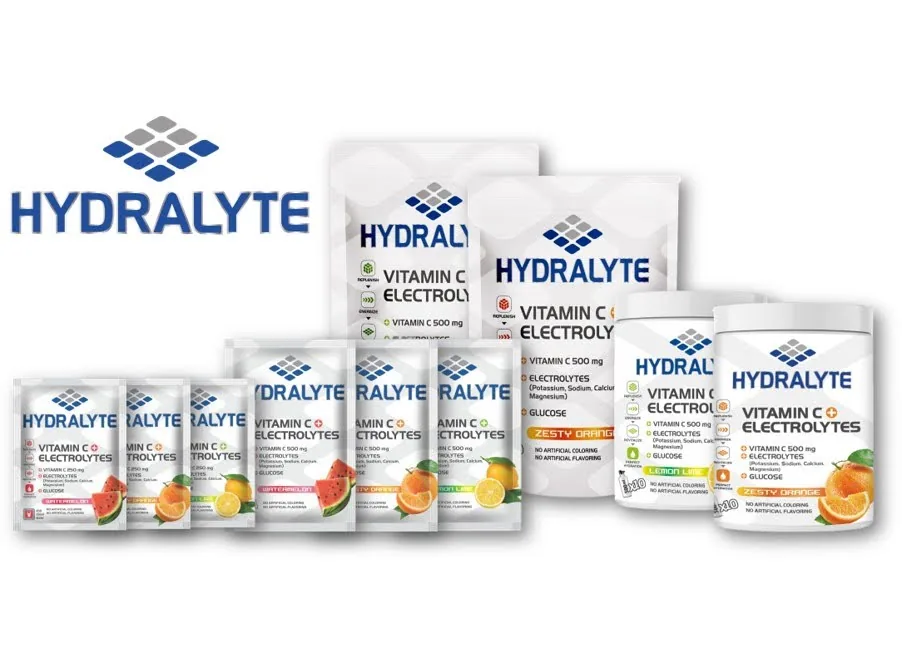
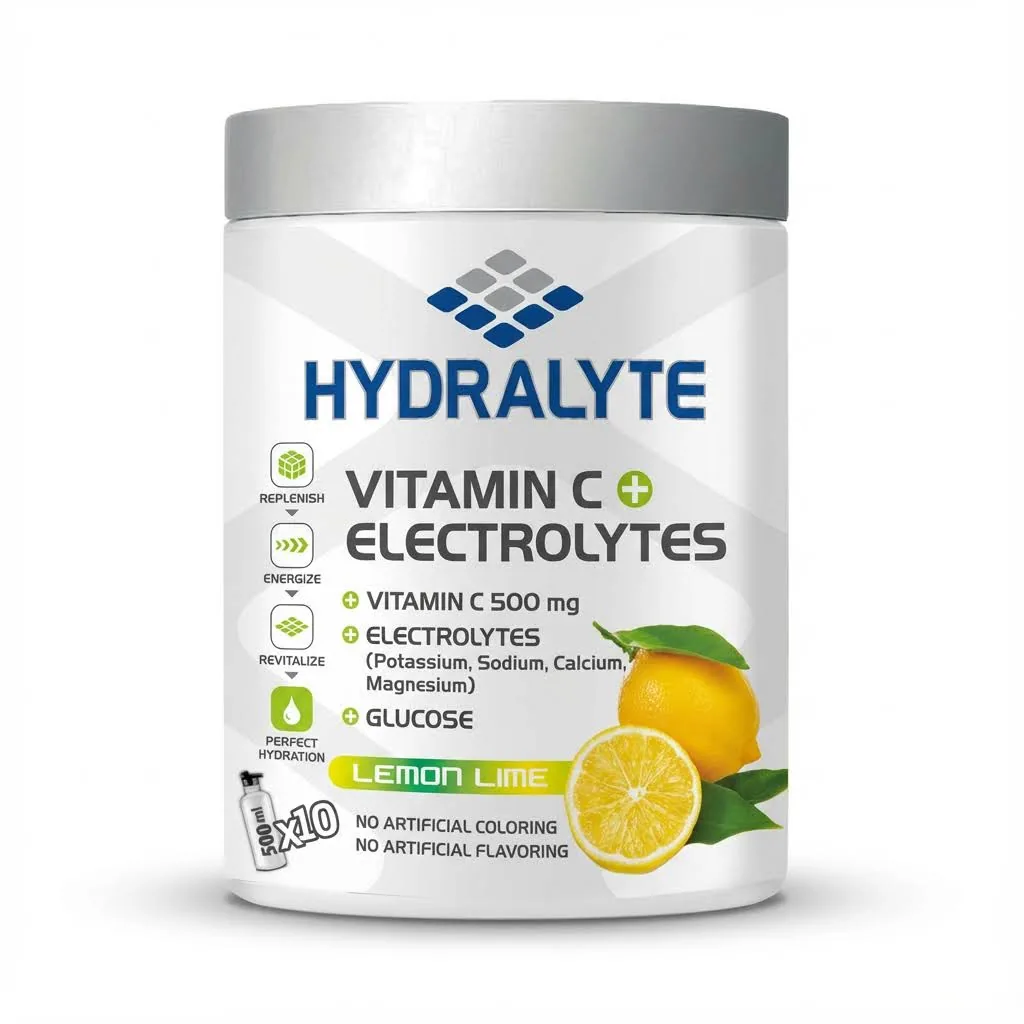
For those living in the extreme conditions of the Arabian Peninsula, having a reliable tool for recovery is essential. Hydralyte UAE products are scientifically formulated to contain the precise balance of glucose and electrolytes required to trigger the sodium-glucose co-transport mechanism. This mechanism allows the body to absorb water much faster than it could from plain water alone. Unlike many sports drinks which are often loaded with excess sugar and may lack enough sodium, this formulation is designed for medical-grade rehydration. It is particularly useful after a workout, during a long day of outdoor work, or when recovering from illness. You can learn more about the brands distributed by Bagason Middle East FZCO to see how professional-grade FMCG products support health in the region.
Closing: Building a Daily Hydration Habit
Mastering your hydration in the UAE is a lifestyle commitment that requires consistent effort. It is about understanding that your body is a high-performance machine operating in a challenging environment. By monitoring your physical signs, timing your intake throughout the 24-hour cycle, and utilizing professional electrolyte supports when necessary, you can stay healthy and active regardless of the temperature. Whether you are an athlete training for a marathon in Dubai or a professional navigating a busy commute, the principles remain the same: drink before you are thirsty, replace your salts, and listen to what your body is telling you. With the right strategy, you can enjoy everything the UAE has to offer while keeping your health and energy levels at their peak.