Selecting the right cooking oil often feels like a choice between different seeds or fruits, such as sunflower, mustard, or olive. However, the method of extraction is just as critical to the final quality of the product as the raw material itself. In the United Arab Emirates, where diverse culinary traditions meet a growing interest in wellness, the debate over cold pressed vs refined oil UAE has become a central topic for health-conscious shoppers. While refined oils offer a neutral profile and high stability, cold-pressed alternatives represent a return to traditional, mechanical methods that prioritize the preservation of the plant's natural characteristics.
The Importance of Extraction Methods
The journey from a seed to a bottle of oil can follow two distinct paths: one focused on industrial efficiency and the other on biological integrity. When an oil is extracted, the goal is to separate the liquid fats from the solid protein and fiber of the seed. The method used to achieve this separation determines whether the resulting oil retains its vitamins, antioxidants, and flavor compounds or becomes a stripped-down, standardized product. Choosing an oil based solely on the type of seed ignores the fact that a refined version of that oil is chemically and nutritionally distinct from its cold-pressed counterpart.
How Cold-Pressing Works
Cold-pressing is a mechanical extraction process that relies on pressure rather than heat or chemicals. Traditionally, this was done using a large mortar and pestle known as a kachi ghani. In modern production, seeds or nuts are crushed using a screw press or expeller. The vital aspect of this process is the temperature control. For an oil to be classified as cold-pressed, the heat generated by friction during the crushing process must be kept low, typically below 50 degrees Celsius. By maintaining these low temperatures, the delicate molecular structure of the oil remains intact. No chemical solvents like hexane are added to increase yield: the oil is simply squeezed out, filtered to remove sediment, and bottled in its raw state.
This mechanical approach ensures that the oil is a direct reflection of the seed. Because there is no high-heat treatment, the volatile aromatic compounds are not destroyed. This results in an oil that possesses the natural aroma and deep color of the source material. For example, cold-pressed mustard oil remains pungent and golden, while cold-pressed coconut oil retains its characteristic tropical scent. The simplicity of the process is its greatest strength, as it avoids the introduction of synthetic additives or the oxidative stress caused by industrial heating.
The Industrial Process of Refining Oil
Refined oil is produced through a multi-stage industrial process designed to maximize yield and create a product with a long shelf life and neutral flavor. This process often begins with solvent extraction, where a chemical called hexane is used to pull the maximum amount of oil from the seeds. While the hexane is later removed, the seeds are subjected to temperatures often exceeding 200 degrees Celsius. Following extraction, the oil undergoes several aggressive refining steps:
- Degumming: Water or acids are added to remove phospholipids and gums that can cause the oil to go cloudy.
- Neutralization: Sodium hydroxide (caustic soda) is used to remove free fatty acids, which would otherwise reduce the shelf life of the oil.
- Bleaching: The oil is passed through fuller's earth or activated carbon to remove natural pigments like chlorophyll and carotenoids.
- Deodorization: High-pressure steam is used to strip away the natural smell and taste of the oil, resulting in a bland, odorless liquid.
While these steps create a consistent product that is easy to cook with, they fundamentally change the oil's chemistry. The natural antioxidants that protect the oil from turning rancid are largely removed, often requiring the addition of synthetic preservatives like BHA or TBHQ to maintain stability.
Nutritional Comparison: Retention vs. Loss
The most significant argument for the cold pressed oil benefits UAE consumers value is the retention of micronutrients. When comparing refined oil vs cold pressed nutrition, the differences are measurable and impactful. Cold-pressed oils are rich in Vitamin E (tocopherols) and Vitamin K, which are often degraded during the high-heat deodorization phase of refining. For instance, cold-pressed sunflower or groundnut oils can contain significantly higher levels of alpha-tocopherol compared to their refined versions.
Beyond vitamins, cold-pressed oils retain phytosterols and polyphenols. These plant compounds act as powerful antioxidants in the body, helping to neutralize free radicals. In refined oils, these compounds are often lost during the bleaching and neutralization stages. The natural flavor compounds, which are essentially the "soul" of the oil, are also preserved in cold-pressed varieties. This means you are getting a biologically active food rather than just a source of calories and fat. Research suggests that the natural antioxidants in cold-pressed oils also help protect the oil itself from oxidation during storage, provided it is kept away from direct light and heat.
Identifying Genuine Cold-Pressed Oil
Consumers can often distinguish between these two types of oil through sensory evaluation. A genuine cold-pressed oil will be viscous and carry a deep, natural color: golden for mustard, pale yellow for groundnut, or clear-to-opaque for coconut. In contrast, refined oils are typically very thin and nearly colorless. The aroma is perhaps the most obvious indicator. If you open a bottle of cold-pressed oil, you should immediately smell the seed it came from. Refined oils are intentionally stripped of their scent to prevent them from interfering with the flavor of the food. When tasting the oil raw, a cold-pressed variety will have a distinct, often nutty or peppery flavor, whereas refined oil will feel oily on the tongue but lack any specific taste profile.
The Truth About Smoke Points
A common concern when discussing healthy cooking oil comparison UAE standards is the smoke point. The smoke point is the temperature at which an oil begins to break down and release smoke, creating harmful compounds and a bitter taste. It is a fact that refined oils generally have higher smoke points than cold-pressed oils. This is because the refining process removes free fatty acids and impurities that would otherwise burn at lower temperatures. For example, refined sunflower oil might have a smoke point of 230 degrees Celsius, while cold-pressed sunflower oil may smoke at 107 degrees Celsius.
However, this does not mean cold-pressed oils are unsuitable for cooking. For most daily cooking tasks in a UAE kitchen, such as sautéing, tempering (tadka), or medium-heat stir-frying, the smoke point of many cold-pressed oils is perfectly adequate. Cold-pressed mustard oil and groundnut oil, for instance, have relatively stable profiles that handle Indian and Middle Eastern cooking techniques very well. The key is to avoid using them for prolonged deep-frying at very high temperatures where the oil might exceed its thermal stability.
Practical Usage: When to Use Which Oil
Understanding the kachi ghani vs refined oil distinction helps in deciding which bottle to reach for during meal preparation. Cold-pressed oils are the superior choice for dishes where the flavor of the oil is a desired component. They are excellent for drizzling over salads, adding to hummus, or as a finishing oil for cooked vegetables. In traditional Indian cooking, using cold-pressed mustard or sesame oil for tempering spices ensures that the natural pungency of the oil complements the aromatics.
Refined oils may be more practical for specific high-heat applications, such as deep-frying large batches of snacks or for baking where a completely neutral flavor is required. If a recipe calls for a flavorless fat that can withstand 200 degrees Celsius for a long period, a high-quality refined oil serves a purpose. However, for the vast majority of home cooking, the nutritional trade-off of using refined oil is often unnecessary. Many families find that they can achieve excellent results by using cold-pressed oils for 90 percent of their kitchen needs and reserving refined oils for rare, specific tasks.
Why Cold-Pressed Oil Costs More
One of the first things shoppers notice is that cold-pressed oils carry a higher price tag than refined oils. This price difference is not arbitrary: it is a direct result of the production method. Solvent extraction used for refined oils is incredibly efficient, extracting nearly 99 percent of the oil from the seed. In contrast, mechanical cold-pressing is less efficient, often leaving 10 to 15 percent of the oil behind in the "oil cake" (the solid remains). This means more raw seeds are required to produce a single liter of cold-pressed oil.
Furthermore, the sourcing of seeds for cold-pressing must be of higher quality. Because the oil is not "cleaned" through chemical bleaching and deodorization, any mold or impurities in the seeds would be immediately apparent in the final product. Therefore, only the best grade of seeds can be used for a premium cold-pressed range. When you purchase cold-pressed oil, you are paying for a higher concentration of raw materials, better quality control, and a process that respects the natural integrity of the food. For many, this is a worthwhile investment in long-term health.
Comparing Mustard and Coconut Oils
The differences between refined and cold-pressed are particularly stark in specific oil types. When looking for cold pressed mustard oil UAE residents often seek the traditional "jhal" or pungency that defines authentic North Indian cuisine. Cold-pressed mustard oil, or kachi ghani, retains sinigrin, which releases the characteristic sharp aroma and allyl isothiocyanate when heated. Refined mustard oil loses much of this pungency and the associated antimicrobial properties, resulting in a flat-tasting product that lacks the traditional "kick."
Similarly, the choice of cold pressed coconut oil UAE buyers make is often driven by the desire for medium-chain triglycerides (MCTs) like lauric acid. Cold-pressed coconut oil is extracted from fresh coconut meat without high heat, preserving its delicate antioxidant profile and creamy, tropical flavor. Refined coconut oil, often labeled as RBD (Refined, Bleached, Deodorized), is frequently made from dried copra of lower quality. The refining process strips away the coconut scent and can alter the ratio of beneficial fatty acids, making the cold-pressed version the clear winner for both nutritional value and culinary application.
The Bharat Cold-Pressed Range
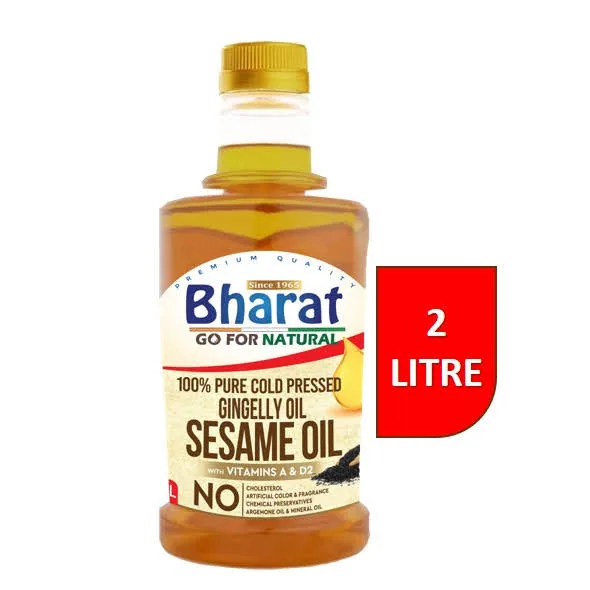
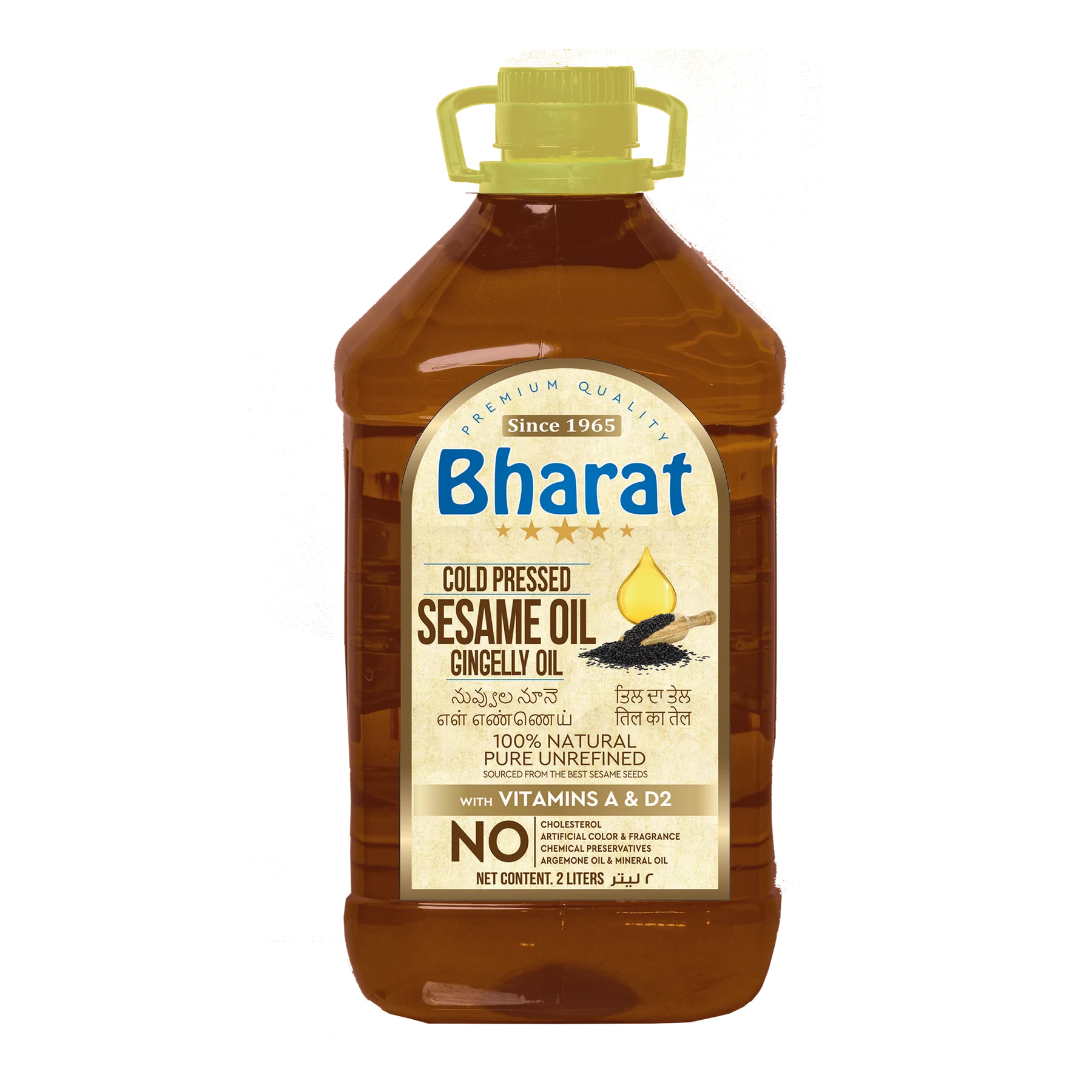
For those looking for the best oil for cooking UAE markets have to offer, the Bharat range provides a clear alternative to mass-produced refined oils. Distributed by Bagason, these oils are produced using the traditional kachi ghani method, ensuring that no chemical solvents or extreme temperatures interfere with the oil's natural state. The Bharat range includes mustard, sesame, coconut, and groundnut oils, each catering to specific culinary traditions and health requirements. These Bharat oils Bagason UAE products are specifically selected to meet the needs of families who want the taste of home without compromising on purity.
By opting for Bharat cold pressed oil UAE consumers are choosing a product where the priority is the retention of natural nutrients. Unlike supermarket refined oils that are processed for maximum shelf life at the expense of quality, these oils are bottled with their natural antioxidants intact. This makes them a "living" food that contributes to the flavor and nutritional density of every meal. You can find more information about these traditional products and their distribution on the Bagason website, which details the commitment to bringing high-quality FMCG brands to the region.
Making the Right Choice
In the end, the choice between cold-pressed and refined oil comes down to a balance of health, flavor, and cooking style. While refined oils offer convenience and high-heat stability, they do so at a significant nutritional cost. Cold-pressed oils provide a wealth of vitamins, antioxidants, and authentic flavors that refined oils simply cannot match. Understanding the difference allows you to move beyond the marketing labels and make a choice based on how the oil was actually made. By incorporating cold-pressed oils like the Bharat range into your daily routine, you are not just changing an ingredient: you are choosing a more natural, traditional, and health-conscious way to feed your family.