Rice serves as the fundamental dietary pillar for more than half of the global population, transcending geographical borders and cultural divides. In the United Arab Emirates, where a vibrant tapestry of nationalities coexists, rice is more than just a side dish: it is a central element of daily life. Whether it is the aromatic base of a Middle Eastern machboos, the fluffy accompaniment to a South Asian curry, or the soul of a Southeast Asian stir-fry, the grain defines the meal. However, not all rice is created equal. Choosing the correct type is not merely a matter of habit: it affects the texture of your dish, the glycemic response of your body, and the overall nutritional value of your diet. Understanding the sheer diversity of types of rice UAE kitchens stock is the first step toward becoming a more proficient and health-conscious home cook.
The Science of Rice: How Varieties Differ
The differences between rice varieties are dictated by their genetic makeup and how they are processed after harvest. At the molecular level, the most significant factor is the ratio of two types of starch: amylose and amylopectin. Grains with high amylose content, such as basmati or long-grain white rice, tend to remain separate, firm, and fluffy after cooking. Conversely, varieties high in amylopectin, such as glutinous rice, become sticky and moist because this starch molecule branches out and binds the grains together. Beyond starch, grain length plays a role in the culinary application: long-grain rice is typically used for pilafs, while short-grain rice is preferred for sushi or puddings. Processing also matters: white rice has its husk, bran, and germ removed, whereas whole-grain options retain these nutrient-dense layers. Finally, aromatic compounds, particularly 2-acetyl-1-pyrroline, give specific varieties like jasmine their characteristic popcorn-like scent.
Jasmine Rice: Fragrant and Fluffy
Originally hailing from Thailand, jasmine rice is a long-grain variety celebrated for its distinctive floral aroma. When cooked, it offers a soft and slightly sticky texture that distinguishes it from the dryer, more separate grains of basmati. This stickiness is ideal for soaking up the rich coconut milks and spicy broths of Southeast Asian cuisine. The fragrance of jasmine rice UAE households love is most potent when the rice is freshly harvested, known as new crop rice. It is the perfect companion for Thai green curries, Indonesian nasi goreng, or simple garlic fried rice. Because it is a refined white rice, it cooks quickly, usually within 12 to 15 minutes, making it a convenient staple for busy weeknight meals in the Emirates.
Brown Rice: The Nutritious Whole Grain
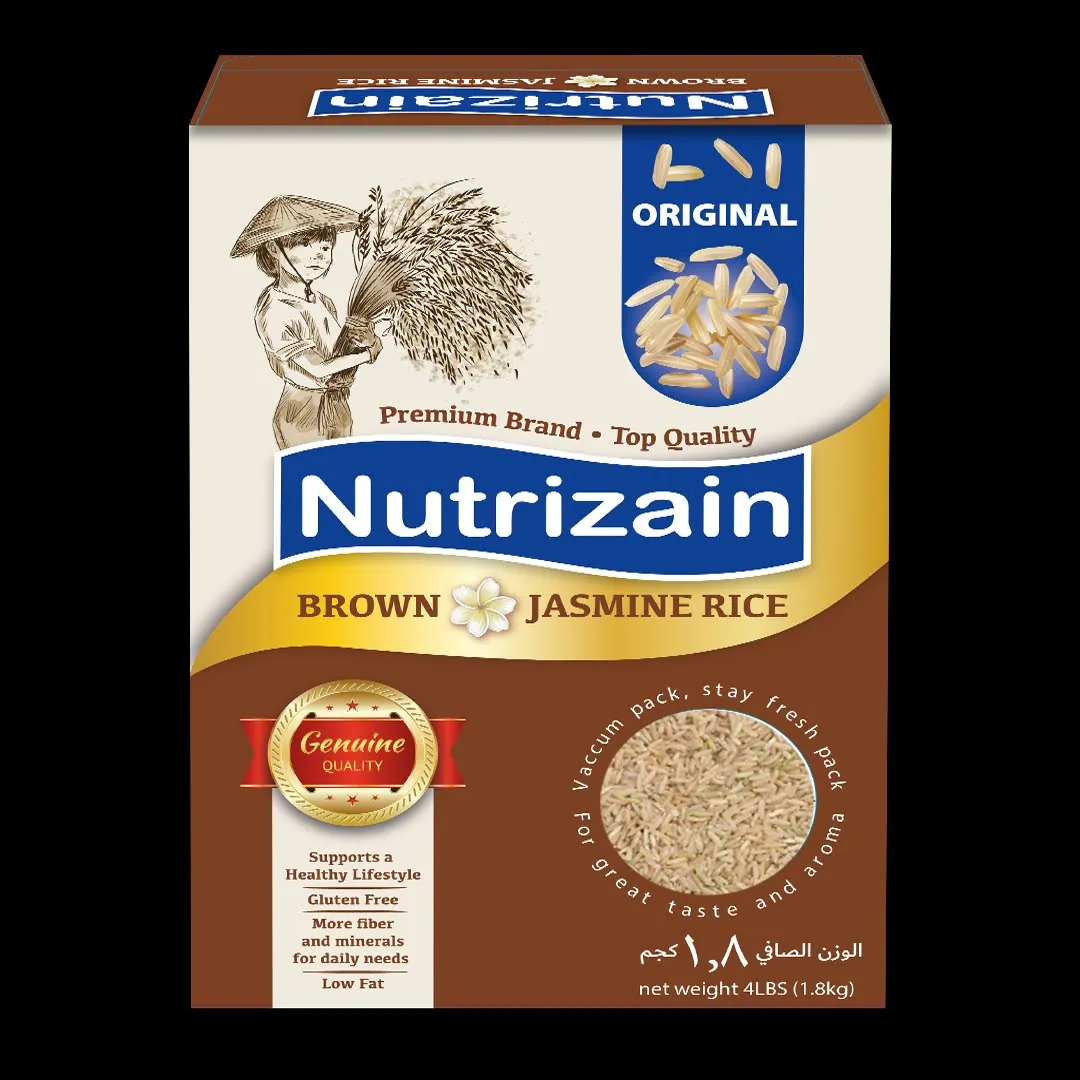
Brown rice is essentially the same grain as white rice but with only the outermost layer, the inedible husk, removed. By retaining the bran and the germ, brown rice UAE consumers choose offers significantly more nutritional value. The bran layer is rich in dietary fibre, which aids digestion and promotes satiety, while the germ contains essential B vitamins, minerals like magnesium, and healthy fats. In terms of rice nutrition UAE data, brown rice provides roughly three times the fibre found in white rice. This results in a chewier texture and a nuttier flavour profile. Because of the protective bran layer, brown rice requires more water and a longer cooking time, usually between 40 and 50 minutes, to soften sufficiently for consumption.
Red Rice: The Antioxidant Powerhouse
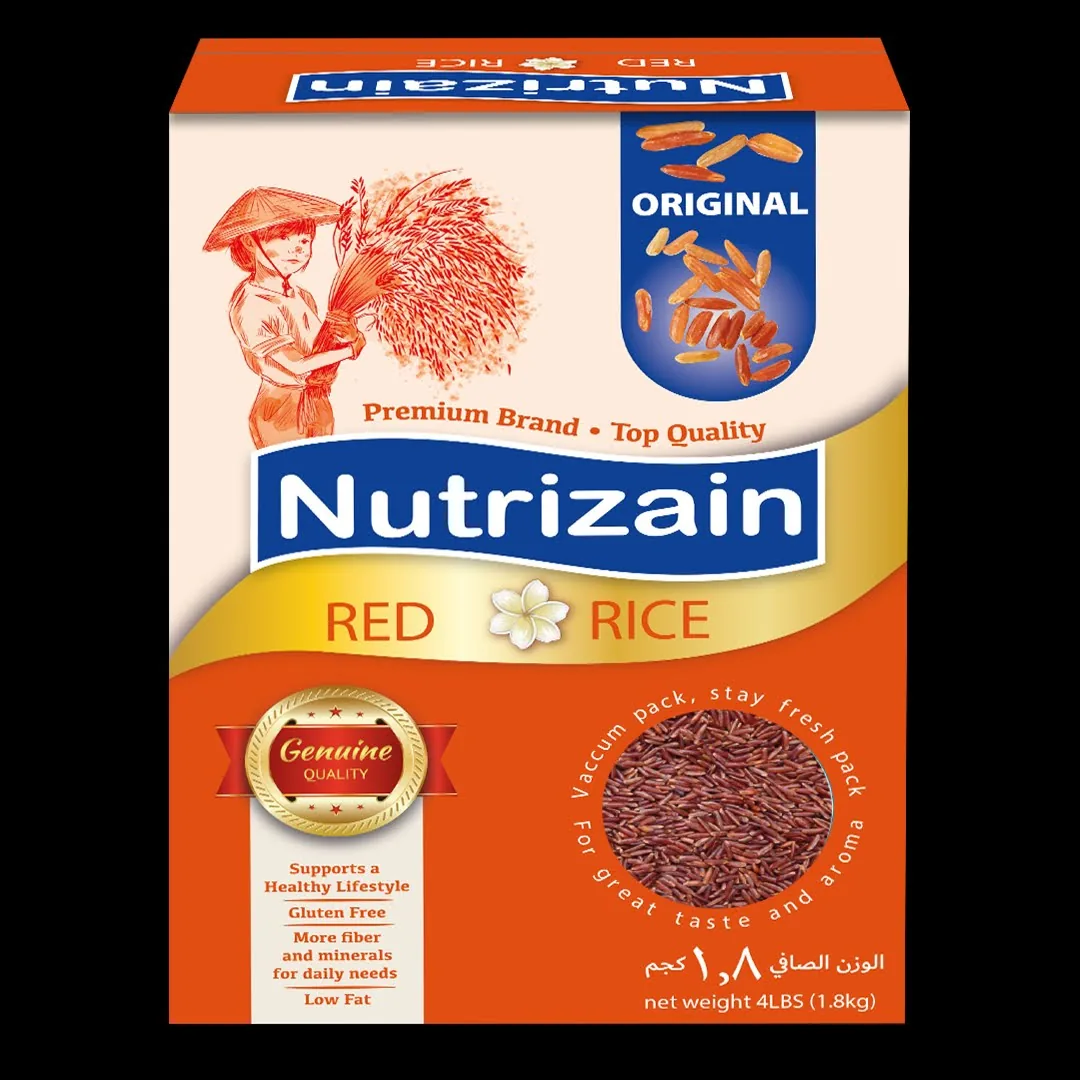
Red rice earns its vibrant hue from anthocyanins, the same class of powerful antioxidants found in blueberries and purple grapes. This variety is often consumed as a whole grain, meaning the nutrient-rich bran is left intact. For those seeking healthy rice UAE options, red rice is an exceptional choice due to its high mineral content, specifically iron and zinc, which are vital for immune function and energy levels. It has a robust, earthy flavour and a firm texture that holds up well in salads or as a base for hearty stews. Traditionally used in Himalayan and South Indian cuisines, red rice has gained popularity among health-conscious shoppers in the UAE who want to diversify their intake of phytonutrients. Including red rice UAE varieties in your pantry is an easy way to elevate the nutritional density of your Mediterranean or Asian inspired bowls.
Glutinous Rice: The Science of Sticky Rice
Despite its name, glutinous rice is entirely gluten-free. The term refers to its glue-like, sticky consistency, which is caused by a very high concentration of amylopectin starch and a negligible amount of amylose. This unique starch profile means the grains lose their individual structure and fuse together when steamed. Glutinous rice UAE specialty shops provide is a cornerstone of Japanese and Southeast Asian desserts, such as mango sticky rice or mochi. It is also the essential ingredient for traditional Chinese zongzi (bamboo leaf-wrapped rice). Unlike other varieties, sticky rice is best prepared by soaking for several hours and then steaming in a basket rather than boiling in a pot, which ensures the texture remains chewy rather than mushy.
White Jasmine vs Brown Jasmine: Flavour vs Nutrition
Many shoppers face a dilemma when choosing between white and brown jasmine rice. White jasmine is prized for its delicate texture and intense aroma, as the refining process makes the fragrance more volatile and accessible. However, this process strips away the fibre and micronutrients. Brown jasmine rice retains the signature aroma of the variety but adds the nutritional benefits of a whole grain. While white jasmine is often preferred for authentic Thai dining experiences, brown jasmine is the superior choice for daily consumption if blood sugar management and digestive health are priorities. The choice often comes down to a trade-off: the sensory pleasure of soft, aromatic white grains versus the dense, nutty, and sustained energy provided by the brown version.
Glycaemic Index and Blood Sugar Management
The Glycaemic Index (GI) measures how quickly a carbohydrate-containing food raises blood glucose levels. For the diverse population of the UAE, where metabolic health is a significant focus, understanding the GI of rice is crucial. Generally, highly processed white rice has a high GI (around 70 to 80), leading to rapid spikes in blood sugar. Whole-grain varieties like brown and red rice have a medium GI (around 50 to 60) because the fibre in the bran slows down the enzymatic breakdown of starch. Interestingly, the method of cooking and serving also affects GI: cooling rice after cooking increases the levels of resistant starch, which lowers the glycaemic impact. For individuals managing diabetes or looking to maintain steady energy levels, opting for Nutrizain rice UAE whole-grain selections can make a measurable difference in daily health.
Cooking Each Variety to Perfection
To achieve the best results with Nutrizain UAE Bagason products, one must follow specific water-to-rice ratios and cooking times. Consistency is key to unlocking the intended texture of each grain type:
- Jasmine Rice: Use a 1:1.5 ratio of rice to water. Rinse the rice until the water runs clear to remove excess surface starch. Simmer for 12 to 15 minutes, then let it sit, covered, for 5 minutes to fluff up.
- Brown Rice: Use a 1:2 or 1:2.5 ratio. Soaking the grains for 30 minutes prior to cooking can help soften the bran. Simmer for 40 to 45 minutes until all water is absorbed.
- Red Rice: Similar to brown rice, use a 1:2.5 ratio. It typically requires 35 to 40 minutes of simmering. It retains a distinct "bite" even when fully cooked.
- Glutinous Rice: Soak for at least 4 to 6 hours, or overnight. Steam in a fine-mesh strainer or traditional bamboo steamer over boiling water for 20 to 25 minutes.
Which Rice for Which Dish: A Pairing Guide
Pairing the right rice with the right dish is what separates a good cook from a great one. For Middle Eastern biryanis and pilafs, long-grain varieties that stay separate are essential. If you are preparing a spicy Thai curry or a stir-fry, the floral notes of jasmine rice are the perfect counterpoint. For health-focused meal prepping, the heartiness of brown or red rice ensures your salads and grain bowls stay fresh and satisfying throughout the week. If your goal is a comforting congee or a sweet rice pudding, the high starch content of short-grain or glutinous rice provides the necessary creaminess. By experimenting with different rice varieties UAE markets offer, you can discover new textures and flavours that traditional white rice cannot provide.
The Nutrizain Range: Quality You Can Trust
At Bagason Middle East, we understand that quality sourcing is the foundation of a great meal. Our Nutrizain brand is dedicated to bringing the finest grains to the UAE, ensuring that every bag meets rigorous standards for purity, aroma, and nutritional integrity. Whether you are looking for the everyday reliability of white jasmine or the specialized benefits of red and glutinous rice, Nutrizain provides the variety you need to support your family's health and culinary creativity. As a leading distributor, we ensure these products are accessible to households across the Emirates, bridging the gap between global farms and your kitchen table. You can learn more about our commitment to quality and our full brand portfolio by visiting Bagason Middle East.
Closing: Cooking Better and Eating Thoughtfully
Mastering the art of rice selection is a journey of both the palate and the mind. When you understand the science behind the starch, the nutritional profile of the bran, and the cultural history of the fragrance, you stop seeing rice as a mere filler and start seeing it as a versatile, nutrient-dense ingredient. Whether you choose the aromatic allure of jasmine, the fibre-rich profile of brown, or the antioxidant power of red, your choice has the power to transform your health and your cooking. By diversifying the grains in your pantry, you embrace the multicultural spirit of the UAE and take a significant step toward a more balanced and thoughtful way of eating.