How Online Retail Is Changing the Distribution Equation
E-commerce FMCG in the UAE has evolved from a pandemic-driven experiment into a permanent and rapidly growing channel. Platforms like Noon, Amazon.ae, Talabat Mart, and Instashop have changed how millions of UAE residents buy their groceries and daily essentials — and this shift creates both opportunities and operational challenges for FMCG distributors.
The E-Commerce FMCG Landscape
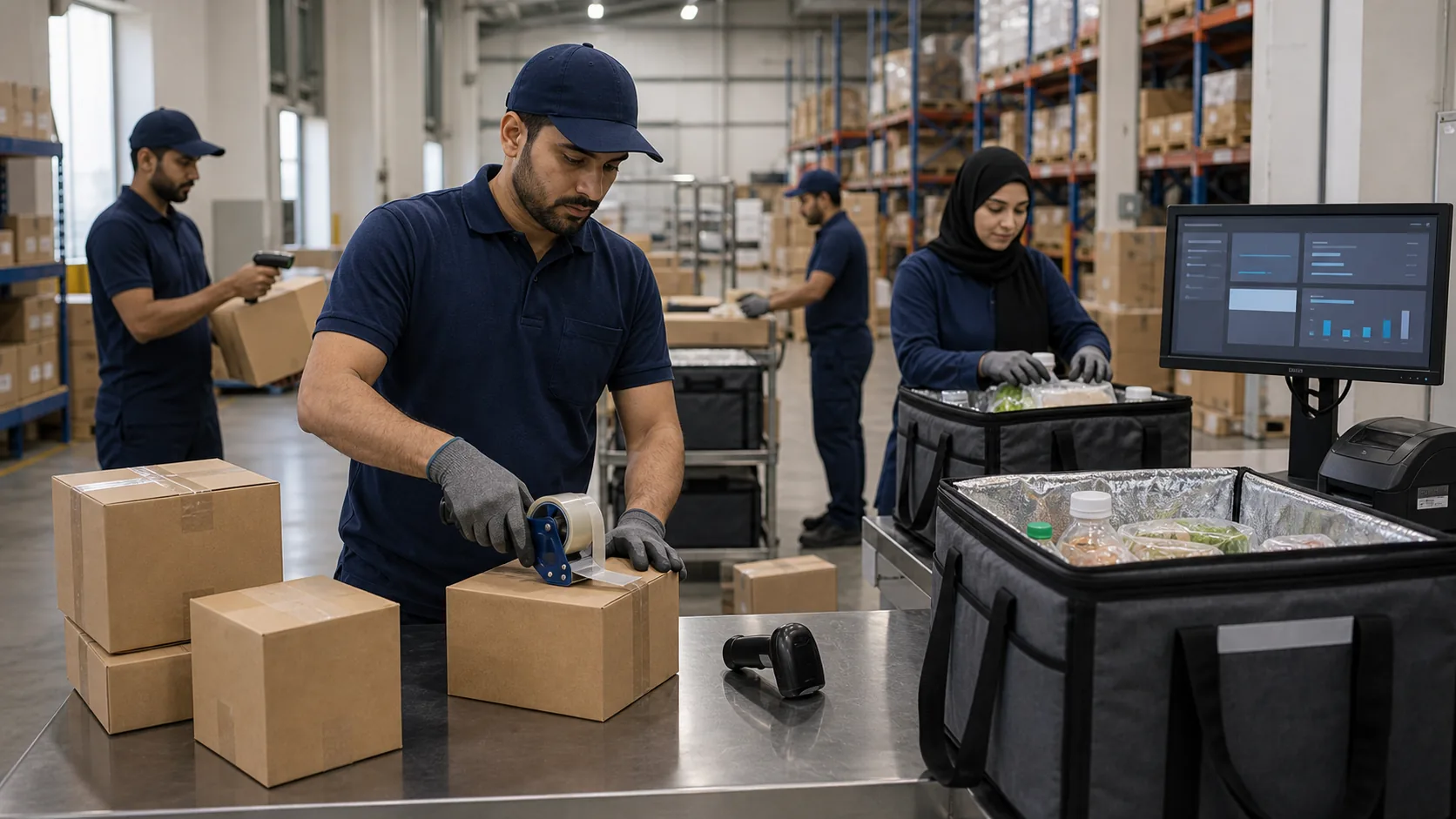
The UAE's online grocery market operates through several distinct models. Marketplace platforms like Noon and Amazon.ae function similarly to modern trade — brands or distributors list products, fulfil orders from their warehouse, and ship directly or through the platform's fulfilment centres. Quick-commerce operators like Noon Minutes and Talabat Mart operate dark stores — small, strategically located micro-warehouses that enable 15-30 minute delivery. Traditional supermarkets have also developed their own online ordering and delivery capabilities.
What This Means for Distributors
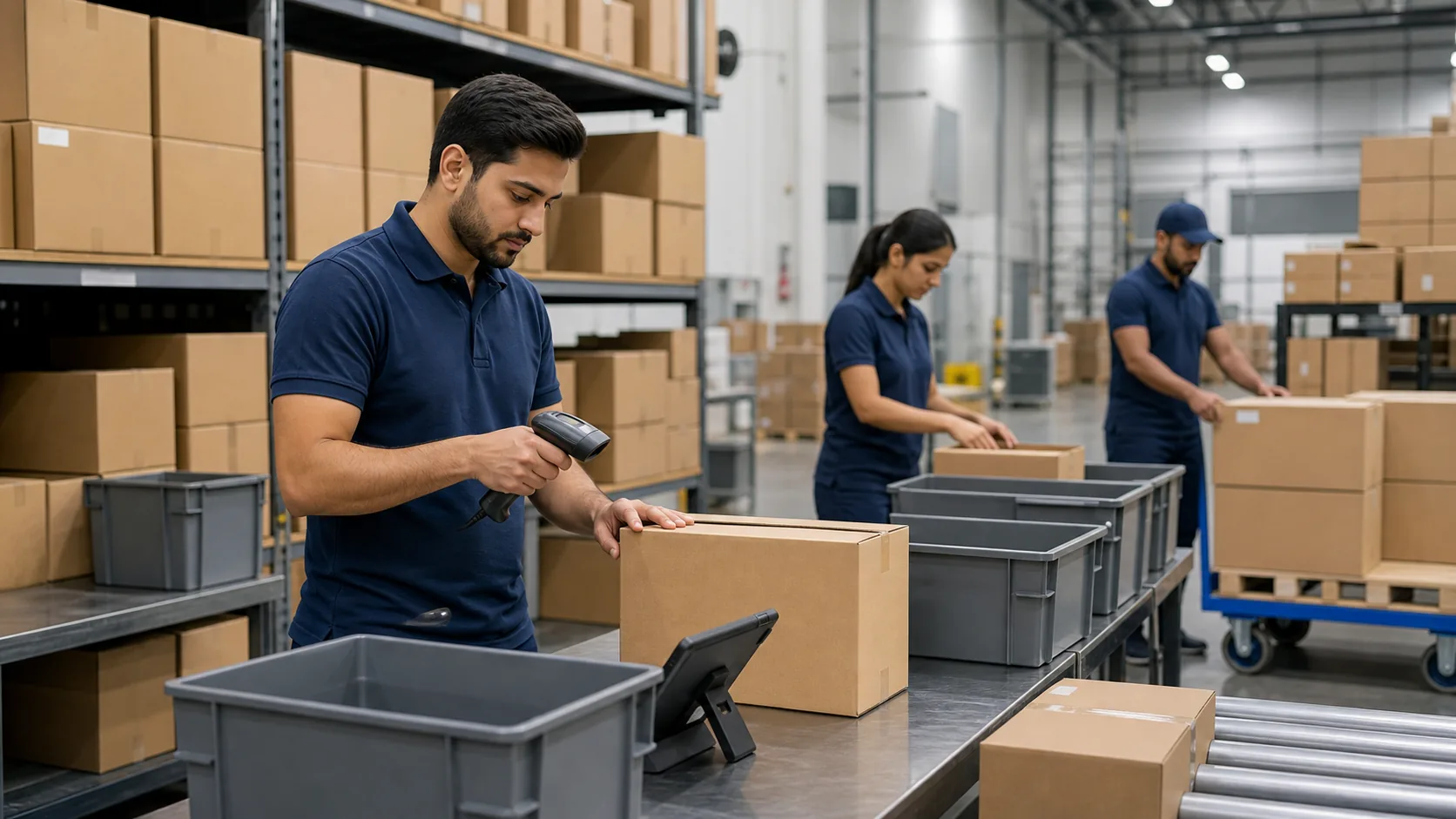
For FMCG distributors, the e-commerce channel adds complexity but also volume. Distributors may supply online platforms through direct vendor agreements, marketplace seller accounts, or by acting as fulfilment partners for specific brands. The key operational differences are order granularity — online orders are typically single-unit or small-quantity picks rather than case-level deliveries, inventory positioning across multiple locations for quick-commerce fulfilment, and digital content requirements including product images, descriptions, data feeds that retailers need for online listings.
The Omnichannel Imperative
The most effective distribution strategies now span both offline and online channels. A brand needs to be on supermarket shelves, available through baqalas, listed on Noon and Amazon, and potentially present in dark stores — all simultaneously. This omnichannel reality favours distributors with the technology infrastructure and operational flexibility to manage multiple channel formats from a single inventory base.
At Bagason Group, our ERP-integrated operations enable us to serve traditional retail and e-commerce channels from unified inventory, ensuring consistent availability regardless of where consumers choose to shop.
Want to explore online distribution for your FMCG brand in the UAE? Contact us to discuss omnichannel strategy.
Frequently Asked Questions
Q: How significant is e-commerce for FMCG sales in the UAE?
A: Online grocery and FMCG sales represent a growing share of total FMCG consumption in the UAE, with double-digit annual growth rates. While still smaller than offline retail, the channel is increasingly important for brand discovery and repeat purchasing.
Q: Do FMCG distributors supply online platforms like Noon and Amazon.ae?
A: Yes. Many distributors now supply e-commerce platforms either through direct vendor relationships, marketplace seller accounts, or by supplying the platforms' own dark stores and fulfilment centres.
Q: What is quick-commerce and how does it affect FMCG distribution?
A: Quick-commerce delivers groceries in 15-30 minutes through small dark stores distributed across urban areas. This model requires distributors to replenish multiple micro-locations frequently, adding complexity but also volume to the distribution operation.