Walk down almost any residential street in the UAE and you will find one within a few minutes: the baqala, the small neighbourhood grocery that opens early, closes late and stocks a little of nearly everything. In an era of gleaming hypermarkets and same-hour delivery apps, it would be easy to assume the baqala is a relic on its way out. In reality, traditional trade in the UAE remains a thriving, indispensable channel, and any brand that ignores it is leaving meaningful reach and volume on the table.
The baqala endures because it solves problems that scale and technology cannot. It is closer than the supermarket, more flexible than the app, and woven into the daily rhythm of the community it serves. For a worker finishing a late shift, a family that has run out of milk, or a new arrival looking for a familiar brand from home, the corner shop is not a fallback; it is the natural first stop. Understanding why the neighbourhood grocery still matters, and how it differs from modern trade, is essential for anyone building a brand across the Emirates.
This article looks closely at the role of the baqala in UAE retail: what makes it distinct, why traditional trade continues to hold its ground against modern formats, what it takes to serve the channel well, and how the smartest brands bring traditional and modern trade together into a single, reinforcing strategy.
Traditional trade and modern trade: a quick definition
It is worth defining terms, because they are used constantly in the grocery industry but rarely explained. Modern trade refers to organised, large-format, usually chain-operated retail: supermarkets, hypermarkets and the bigger convenience chains, where buying is centralised, ranges are planned at head office and transactions are scanned through electronic systems. Traditional trade, also called general trade, refers to the fragmented network of independently owned outlets, of which the baqala is the most familiar example in the UAE, where the owner makes their own buying decisions and operations are far less standardised.
The distinction is not about size of company or sophistication so much as structure. Modern trade is concentrated and centrally controlled; traditional trade is dispersed and locally controlled. That single structural difference cascades into everything: how a brand negotiates, how it delivers, how it merchandises, how it gets paid and how it measures performance. A brand that treats the two channels the same way will almost always under-serve at least one of them, because the operating model that works for a handful of central buyers is the opposite of the one needed for thousands of independent shopkeepers.
In the UAE both channels are large and both are growing, alongside the newer quick-commerce layer. The mistake is to assume that the rise of modern trade and apps must come at the expense of traditional trade. In practice the channels have proven remarkably good at coexisting, because each is best at a different job, and shoppers move fluidly between them depending on the occasion.
What makes the baqala different
The defining feature of the baqala is proximity. It sits within walking distance of homes, labour accommodations and offices, serving the small, frequent top-up shop rather than the large weekly stock-up. A resident who runs out of bread, eggs or laundry detergent does not drive to a hypermarket; they walk to the corner shop. This high-frequency, low-basket pattern is the opposite of modern trade, and it shapes everything from pack sizes to payment habits to the hours the shop keeps.
The baqala is also deeply personal. The shopkeeper often knows customers by name, remembers their preferences, extends informal credit to trusted regulars and stocks the specific brands their particular community favours. Because the UAE is home to so many nationalities, traditional trade is where local taste is expressed most precisely, with one street favouring South Asian staples and another a few kilometres away leaning towards Arab, Filipino or African preferences. To serve this channel well you have to %reach every emirate from the city centre to the smaller communities%, because demand is genuinely local and varies street by street.
A different definition of convenience
Modern retail often equates convenience with breadth of range and one-stop shopping. The baqala offers a different kind of convenience entirely: immediacy. The value is not in finding fifty types of pasta but in being able to grab the one thing you need, right now, thirty seconds from your front door, often after the larger stores have closed. This is a structural advantage that no amount of hypermarket scale can erase, and it is why the channel remains resilient even as bigger and slicker formats expand around it.
The hours that nobody else keeps
Trading hours are a quiet but decisive advantage. Many baqalas open very early and stay open very late, covering the hours when a worker leaves for a shift before dawn or returns long after the larger stores have shut. In a country with a large workforce on shift patterns and irregular schedules, the shop that is open when you actually need it captures sales that the nine-to-late hypermarket simply cannot. This availability across the full span of the day, seven days a week, is part of why the baqala is woven so tightly into daily life rather than reserved for the weekly errand.
Why traditional trade still matters
It is tempting to view traditional trade as a channel in decline, but the evidence on the ground tells a different story. The baqala continues to capture a substantial share of everyday grocery spend, particularly for impulse purchases, single-serve formats and emergency top-ups. Convenience, extended trading hours and human relationships are advantages that no algorithm has fully replaced. Even where delivery apps overlap with the baqala's range, many shoppers still prefer the certainty and immediacy of simply walking in.
For brands, the channel offers something modern trade cannot: sheer numerical reach. There are vastly more baqalas than hypermarkets, and collectively they touch shoppers in neighbourhoods that the big-box format never penetrates. A product that is visible across thousands of corner shops achieves a kind of ambient presence in daily life that builds familiarity and trust. Serving this fragmented network is exactly %what distribution actually involves day to day%, because it demands logistics, merchandising and relationship-building at a granular level rather than a single negotiation with a central buyer.
The role of single-serve and impulse formats
The economics of the baqala favour small, affordable pack sizes. Sachets, single bottles, individual snacks and small-format staples sell well precisely because the channel serves immediate need rather than planned bulk buying. Brands that offer the right format for traditional trade, rather than simply pushing the same large packs they sell to hypermarkets, tend to perform far better on the corner-shop shelf. Price-point discipline matters here too, because a product that crosses a familiar mental threshold can stall, while one that lands at the right everyday price moves steadily day after day.
How the baqala serves a transient population
A large part of the UAE's population is mobile, with workers, new arrivals and short-term residents who have not yet settled into the routine of a weekly hypermarket shop. For these shoppers the baqala is often the primary grocery source, not a top-up option. It offers familiar brands from home, flexible quantities and a human point of contact in a new country. Brands that recognise this role can tailor their range to the specific communities a cluster of shops serves, stocking the staples and comfort items that particular shoppers seek out by name.
This also makes the baqala a natural entry point for brands targeting a particular community. A product with strong appeal to one nationality can build a loyal following through the corner shops that community frequents, long before it would justify a national hypermarket listing. The channel allows a brand to start where its shoppers already are, prove demand outlet by outlet, and grow from a genuine base rather than gambling on broad distribution from day one. For many international food brands entering the Emirates, traditional trade is where the first real foothold is won.
This local sensitivity also extends to timing. Demand around a labour accommodation peaks in the early morning and late evening, when shifts begin and end, while a residential street sees steadier traffic through the day. The corner shop adjusts to these rhythms instinctively, keeping the right items front of counter at the right hour. A brand that understands when and why a particular community buys can plan deliveries, promotions and seasonal lines around real behaviour rather than a generic national calendar.
The baqala as a brand-building channel
It is easy to think of traditional trade purely as a volume or convenience channel, but it also does something valuable for brand building. Repeated exposure across thousands of small shops creates familiarity, and familiarity creates trust. A shopper who sees a brand on the counter of the baqala they visit every day, and whose shopkeeper happily recommends it, forms an impression that no single advertisement can match. The corner shop is, in effect, a vast distributed billboard that also happens to sell the product, and presence there signals that a brand is genuinely established rather than a fleeting promotional listing in one hypermarket.
The challenges of serving the channel
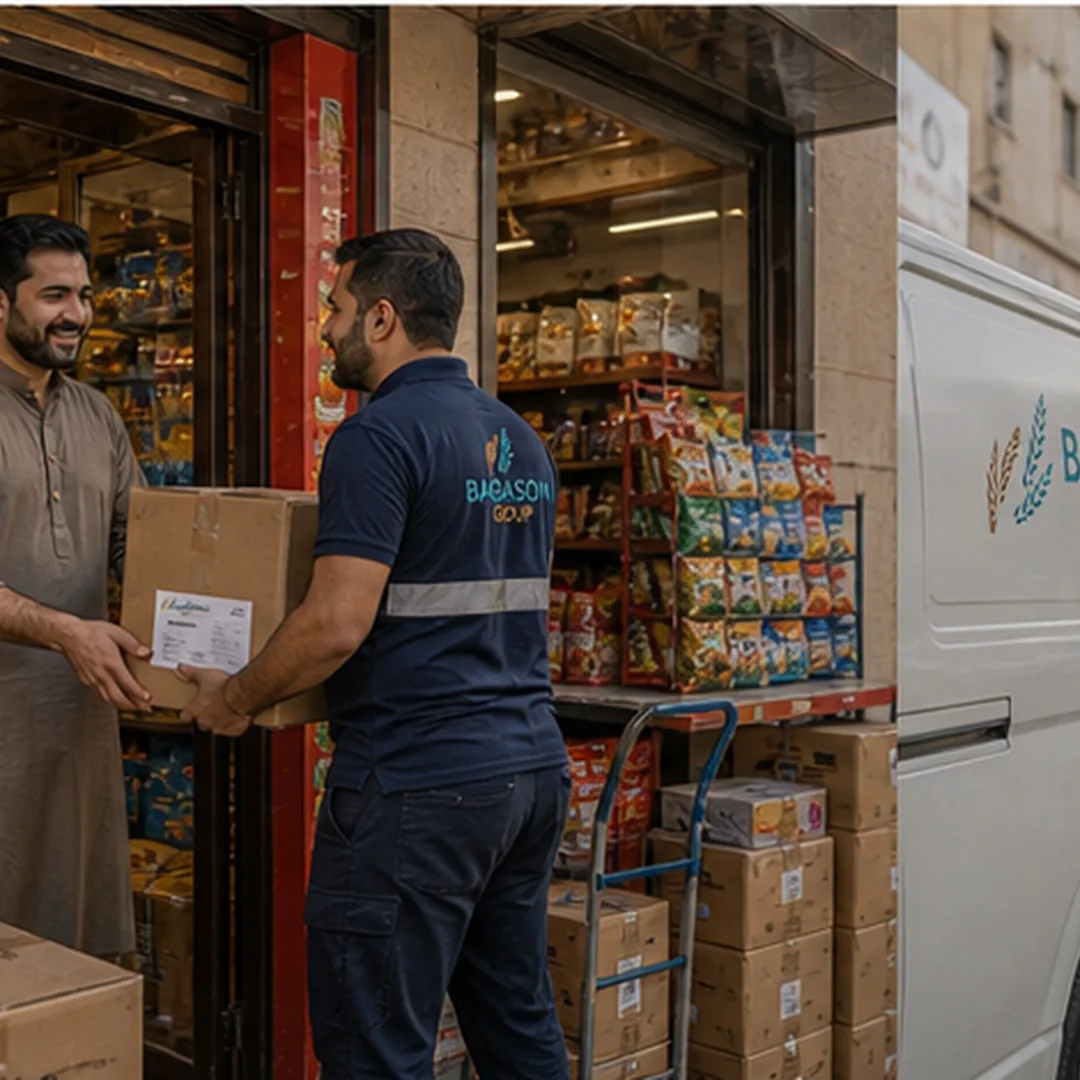
Serving traditional trade well is operationally demanding. Instead of negotiating with a handful of large retail buyers, a distributor must service thousands of independent outlets, each placing small orders on its own schedule. This requires dense delivery routes, reliable van sales operations, careful credit management and constant in-store attention to keep products visible and in stock. The complexity is not in any single delivery but in doing it accurately, thousands of times a week, across all seven emirates.
Merchandising is harder too. Shelf space in a baqala is tight, and the shopkeeper decides what earns a place. Securing and holding good positioning depends on consistent supply, fair terms and a genuine working relationship rather than a one-off listing fee. The brands that win in this channel treat each shopkeeper as a partner, not merely a point of sale, and they understand that the value comes from the cumulative presence across the whole network rather than any single store.
- Many small outlets ordering frequently in small quantities
- Dense routing and reliable van-sales delivery are essential
- Single-serve and small-format packs outperform large packs
- Credit and cash handling require careful, disciplined management
- Shelf positioning depends on trust and consistency, not just fees
The economics of the small order
The financial challenge of traditional trade is that the cost to serve each outlet is high relative to the value of any single order. A van that visits a hundred shops in a day delivers a hundred small drops, each requiring travel, merchandising, invoicing and often a credit conversation. The only way this works is through scale and route density: enough outlets close enough together, served efficiently enough, that the aggregate volume justifies the effort. This is precisely why the channel rewards established distributors with deep route networks and penalises ad-hoc, thinly spread coverage. Building that density is a large part of %how we built our route-to-market approach%.
Route design therefore becomes a genuine discipline. Visits have to be sequenced to minimise driving, scheduled to match each outlet's natural ordering rhythm, and balanced so that each van carries the right mix of stock for the shops on its run. A route that is too sparse wastes time between drops, while one that is too ambitious leaves shops unvisited or vans running short of fast movers by mid-afternoon. Getting this right across a whole network, week after week, is one of the least visible but most important capabilities in traditional-trade distribution, and it is what separates a distributor that merely reaches the channel from one that serves it profitably.
Coverage across all seven emirates
The UAE is not a single uniform market but seven emirates with different population densities, community mixes and logistics realities. Dense urban districts in the larger cities can be served with tight, high-frequency routes, while smaller communities and outlying areas require longer drives for fewer drops, changing the economics of each visit. A distributor serious about traditional trade has to solve for both, maintaining efficient city routes while still reaching the shops in less dense areas that, collectively, add meaningful reach.
This breadth is exactly where an established route-to-market network earns its value. Replicating coverage across every emirate, with reliable frequency and the local knowledge to stock each cluster of shops appropriately, takes years to build. For a brand, plugging into an existing network that already reaches from the busiest city streets to the smaller communities is dramatically faster and more dependable than attempting to assemble that footprint alone.
Technology is reshaping, not replacing, the channel
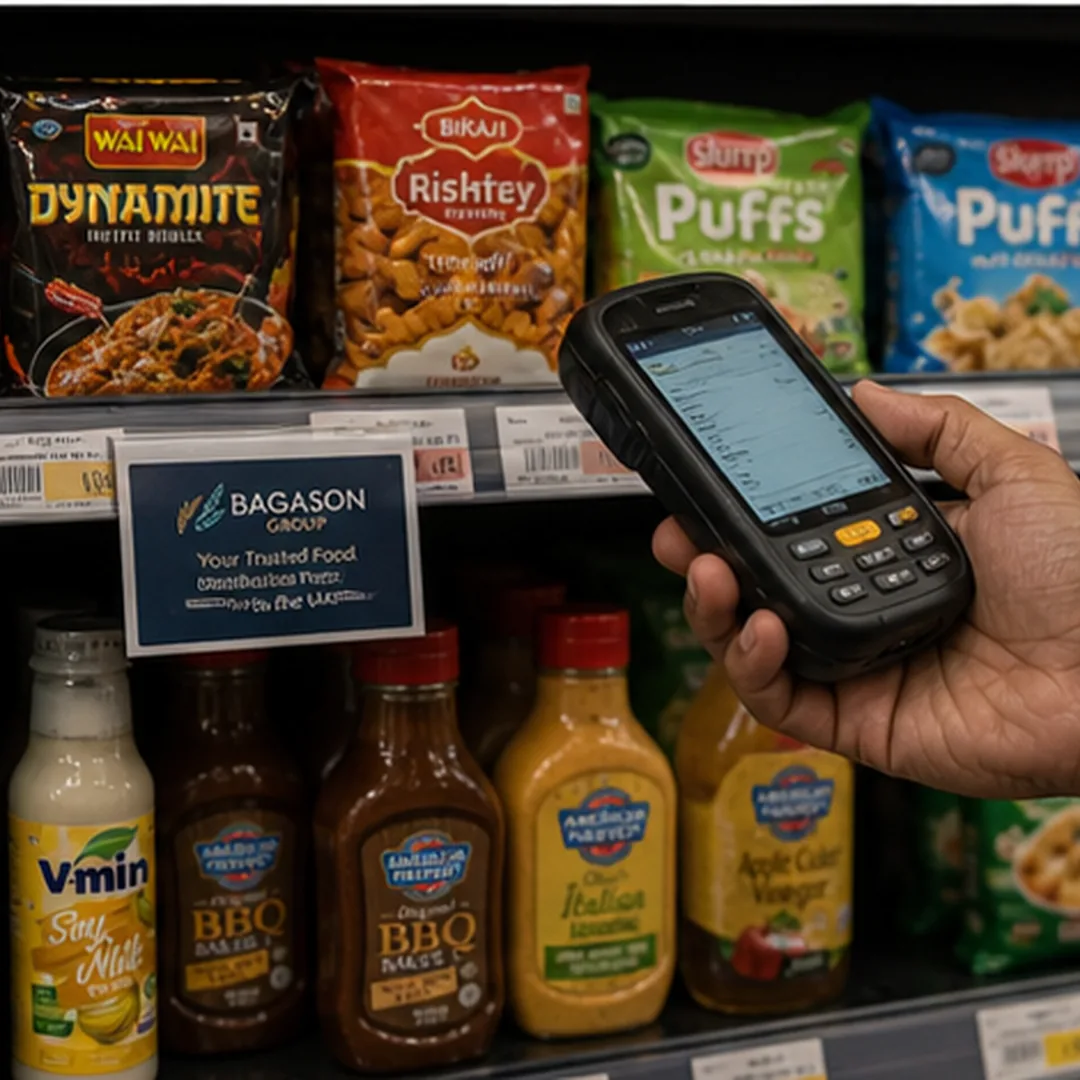
Technology is gradually reshaping how this channel is served, but it has not replaced the fundamentals. Handheld ordering, route optimisation and digital payment are making van-sales operations more efficient and giving distributors clearer visibility of what each outlet sells. Where a salesperson once relied on memory and a paper pad, they now carry a device that shows order history, suggests replenishment and captures payment cleanly, reducing errors and freeing time for the conversation that actually builds the relationship.
Yet the relationship at the counter remains decisive. A shopkeeper still decides which brands to favour based on whether deliveries arrive on time, whether the salesperson is straight with them and whether the products move. The most effective operations pair modern logistics with old-fashioned reliability, using technology to support the human relationship rather than to replace it. Data tells a distributor what is selling; trust is what gets the next new line onto the shelf.
What better data actually unlocks
When a distributor captures clean, outlet-level sales data, it gains the ability to see patterns that were previously invisible: which lines move in which neighbourhoods, how demand shifts by day and season, where a new product is gaining traction and where it is stalling. That visibility makes everything sharper. Replenishment can be tuned so that fast-moving lines never run dry and slow ones do not clog the van. New launches can be targeted at the communities most likely to take them up. Promotions can be planned against real sell-through rather than guesswork.
For the brand owner, this is a significant shift. Traditional trade has historically been a black box, with volume going in and little visibility coming back. Modern handheld and route systems are gradually opening that box, giving brands the kind of insight into general trade that they have long taken for granted in scanned modern-trade data. The relationship at the counter still decides what gets stocked, but the data now tells everyone, brand and distributor alike, where to focus that relationship.
The shopkeeper as the heart of the channel
At the centre of every baqala is the shopkeeper, and no account of traditional trade is complete without understanding their role. They are buyer, merchandiser, credit manager and customer adviser rolled into one, making dozens of small commercial decisions every day. What they choose to stock, where they place it and which brands they recommend to a hesitant customer shapes sales in ways that no head-office planogram can dictate. In this channel, the shopkeeper is the gatekeeper to the shelf and, through them, to the household.
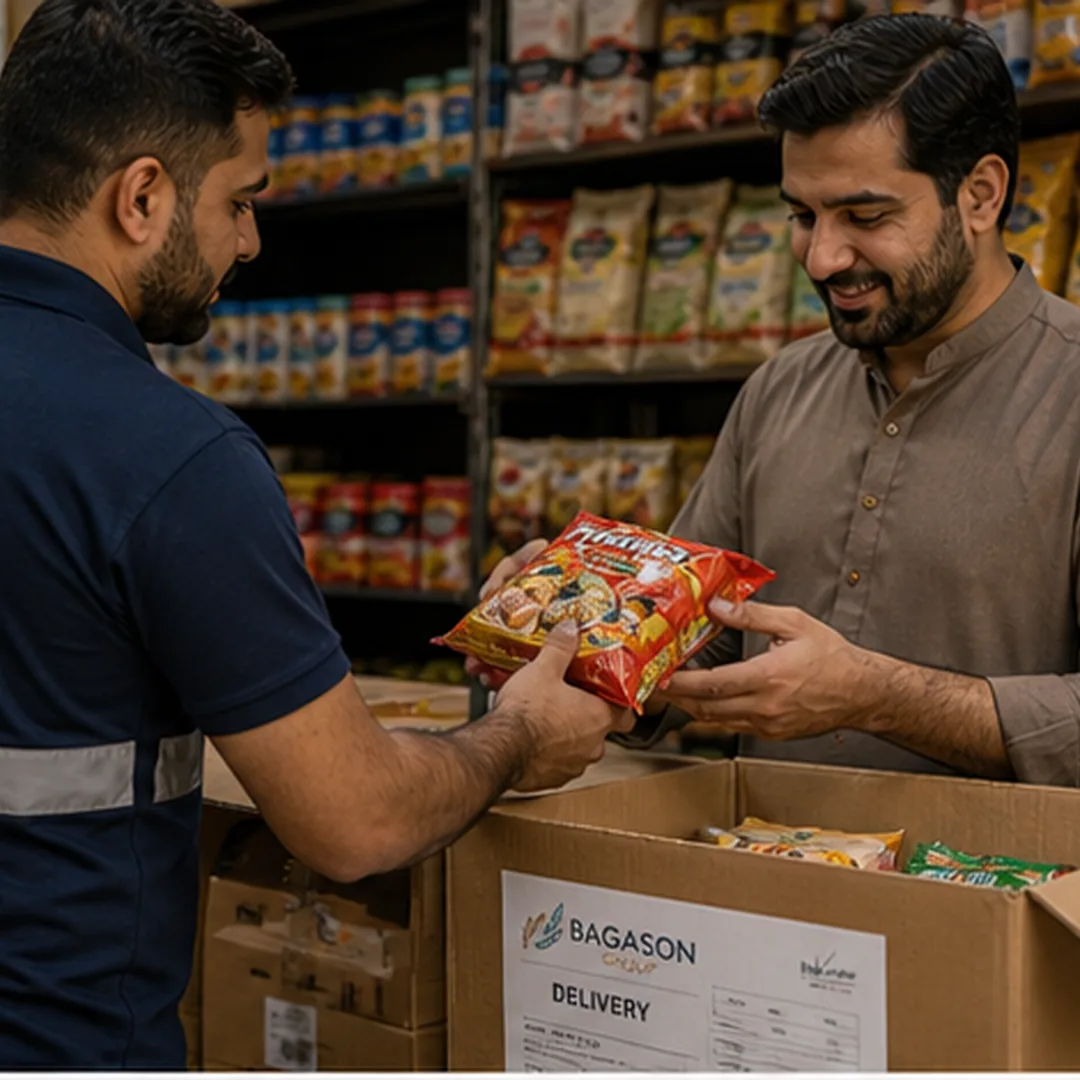
Because so much rests on this single relationship, the distributor's salesperson matters enormously. A van salesman who visits reliably, settles accounts fairly and helps the shopkeeper sell through stock becomes a trusted partner rather than just a supplier. Over time this trust translates into better shelf space, quicker uptake of new lines and honest feedback about what is and is not moving. The brands that treat the corner-shop relationship as an asset to be nurtured, rather than a transaction to be processed, consistently outperform those that do not.
Why credit and trust are inseparable
Informal credit is woven into how the baqala channel operates, both between the shopkeeper and their regular customers and between the distributor and the shopkeeper. Managed well, it lubricates the whole system and cements loyalty. Managed badly, it becomes the fastest route to bad debt and broken relationships. Disciplined credit terms, consistent collection and a salesperson who is firm but fair are what allow the channel to function on trust without that trust being abused. A brand that carries some of %the portfolio of brands we carry% into this channel benefits directly from a distributor's credit discipline, because it protects both reach and margin.
Merchandising in a small space
Merchandising in a baqala is a craft unto itself, and it bears little resemblance to the planogrammed precision of a hypermarket. Space is scarce and contested, the counter and the area immediately around it are prime real estate, and there is no head-office planogram dictating where anything goes. The shopkeeper arranges the shop to suit their own logic and their customers' habits, which means a brand cannot simply buy a fixed position; it has to earn placement through the relationship and keep it through reliable supply.
The most valuable real estate in the shop is the counter itself and the eye-level shelves nearest it, because that is where impulse decisions are made while a customer pays. Small, high-margin, frequently bought items thrive there. Hanging strips, small branded stands and clear, uncluttered facings all help a product compete for the limited attention available. But the single biggest merchandising factor is simply being in stock: a product that is reliably present steadily wins ground, while one that disappears for a week loses its spot to whatever the shopkeeper trusts to be there.
This is why merchandising in traditional trade cannot be separated from logistics. In modern trade a brand might agree a shelf layout once and police it; in the baqala, the shelf position is renegotiated, in effect, with every delivery. Turn up reliably with the right stock and the position holds; miss visits and the gap is filled by a competitor. The discipline of consistent service is the merchandising strategy.
Bringing traditional and modern trade together
The strongest distribution strategies do not choose between traditional and modern trade; they serve both, recognising that each reaches shoppers the other cannot. A brand present in hypermarkets gains scale and visibility, while the same brand present across baqalas gains frequency, proximity and community trust. Together they create a presence that is far greater than the sum of the parts, covering both the planned weekly shop and the unplanned daily need.
There is also a learning loop between the channels. Traditional trade often surfaces early signals of changing taste, because the shopkeeper hears directly what customers ask for and adjusts what they stock. A brand attentive to these signals can spot rising demand in neighbourhoods long before it shows up in hypermarket data, then use that insight to plan listings, formats and seasonal activity in modern trade. Far from being a lagging channel, the baqala can be one of the most useful early indicators of where the market is heading.
Quick commerce adds a third dimension to this picture rather than replacing either established channel. Delivery apps excel at the planned-but-lazy order and at categories people are happy to wait an hour for, while the baqala still owns the truly immediate, walk-in need and modern trade owns the considered weekly shop. A brand that maps its presence deliberately across all three, with the right format and the right offer in each, captures demand at every moment of the shopper's week rather than competing with itself across channels. The aim is coverage that compounds, where each channel does what it does best and reinforces the others.
Getting the format strategy right across both channels is a discipline in itself. The large multi-pack that sells well in a hypermarket may be exactly wrong for a baqala, and the single-serve sachet that flies off a corner-shop counter may not justify hypermarket shelf space. Brands that map their range deliberately to each channel, rather than pushing one portfolio everywhere, extract far more value from the same products. If you want to understand how this works in practice, it is worth reviewing %common questions about working with us% before deciding how to structure your own approach.
What this means for brand owners entering the UAE
For brand owners weighing how to enter or expand in the UAE, the practical question is not whether the baqala still matters, but how to reach it efficiently. Building a van-sales operation, route network and shopkeeper relationships from scratch is slow, capital-intensive and difficult to do well. This is why most successful brands reach traditional trade through an established distributor that already has the routes, the relationships and the credit discipline in place.
The decision, then, is less about whether to be in the channel and more about choosing the right partner to take you there. That is where experienced distribution makes the difference, and it is worth taking the time to %speak to our distribution team% about how traditional and modern trade can be served side by side across the Emirates. The baqala is not the past of UAE retail; it remains very much its present, and for brands that understand it, a powerful part of its future.
The outlook for the baqala
Predictions of the baqala's demise have circulated for years, first with the spread of hypermarkets and more recently with the rise of delivery apps, yet the channel has consistently defied them. The reason is straightforward: the baqala meets a need that the alternatives do not fully address. Proximity, immediacy, long hours, local range and human relationship are not features that scale or technology can simply absorb. As long as people need something now, close to home, from a shopkeeper who knows them, the corner shop has a role.
What is changing is how the channel operates rather than whether it exists. Digital ordering, electronic payment and route data are professionalising the back end without altering the shopfront experience that customers value. Some baqalas are modernising their fit-out and range; others are deepening their specialisation around the specific communities they serve. The strongest are blending the warmth and convenience that always defined them with the efficiency that new tools allow. For brands and distributors, the practical message is that the channel is evolving, not disappearing, and the operators who invest in serving it well will continue to be rewarded.
There is also a generational and demographic durability to consider. The UAE continues to attract a large, mobile, internationally varied population, and that constant flow of new arrivals keeps renewing demand for exactly what the baqala offers: familiar brands from home, flexible quantities and a friendly local point of contact while people find their feet. Far from being eroded by the country's growth, traditional trade is in many ways sustained by it.
Practical takeaways for brands
For a brand owner, the lessons of the baqala channel come down to a few practical principles. Take the channel seriously as a source of reach and brand-building, not as an afterthought to modern trade. Tailor pack formats and price points to how the channel actually shops, favouring small, affordable, single-serve options. Recognise that success depends on dense, reliable distribution and on the human relationship with each shopkeeper, neither of which can be improvised. And understand that the channel rewards consistency above almost everything else: the brand that is reliably present, reliably supplied and reliably backed by a salesperson the shopkeeper trusts will steadily win shelf space and recommendation.
Most of all, resist the temptation to treat traditional and modern trade as rivals where one must win. They are complementary, each reaching shoppers and moments the other cannot, and the brands that thrive in the UAE are those that serve both deliberately and well. The baqala has earned its place at the centre of UAE retail through decades of meeting real, everyday needs, and any brand serious about this market should make sure it has earned its place on the baqala's counter in return. Get that right, and the corner shop becomes one of the most dependable engines of reach, repeat purchase and everyday loyalty a brand can have anywhere in the Emirates.
Frequently Asked Questions
What exactly is a baqala?
A baqala is a small neighbourhood grocery or convenience store common across the UAE and the wider Gulf. It typically stocks a broad but shallow range of everyday essentials, opens long hours, and serves the local community with frequent, small top-up purchases rather than large weekly shops. The name is used across the region for this kind of independent corner shop.
Is traditional trade really still relevant with delivery apps everywhere?
Yes. Delivery apps and hypermarkets have grown rapidly, but the baqala continues to capture a significant share of everyday and impulse spending thanks to its proximity, long hours and personal service. The channels coexist, each serving different shopping needs rather than one fully replacing the other. For many residents the corner shop remains the fastest and most familiar option for immediate needs.
How do pack sizes differ between traditional and modern trade?
Traditional trade favours smaller, single-serve and affordable formats because shoppers buy for immediate need. Modern trade leans towards larger packs and multi-buys suited to planned bulk shopping. Brands that tailor pack sizes to each channel tend to perform much better than those using one format everywhere, because the right format matches how shoppers actually use that channel.
Why is serving the baqala channel operationally harder?
Instead of dealing with a few large retail buyers, a distributor must service thousands of independent shops placing small, frequent orders. This demands dense delivery routes, dependable van-sales operations, careful credit management and constant in-store merchandising to keep products visible and available. The complexity lies in repeating small, accurate deliveries at scale across the whole network.
What is van sales and why does it matter for traditional trade?
Van sales is a model where a salesperson travels a set route with stock on board, selling and delivering to outlets in the same visit. It is well suited to traditional trade because shops order small quantities frequently and value immediate replenishment. Reliable van-sales operations are central to keeping a brand consistently available across a dense network of baqalas.
How important is the shopkeeper relationship for a brand?
It is decisive. The shopkeeper chooses what to stock, where to place it and which brands to recommend to undecided customers, so their goodwill directly shapes a brand's performance in the channel. Reliable deliveries, fair terms and honest dealing build the trust that earns better shelf space and quicker uptake of new lines. Brands that nurture this relationship consistently outperform those that treat it as a simple transaction.
Does the baqala serve different communities differently?
Yes, strongly. Because the UAE is so diverse, the range in a baqala often reflects the specific nationalities living nearby, with neighbouring areas favouring different staples and brands. Demand can also follow the daily rhythm of a community, such as the early-morning and late-evening peaks around labour accommodations. Tailoring range and timing to each community is a real advantage in this channel.
Can a brand be in both hypermarkets and baqalas at the same time?
Absolutely, and the strongest strategies do exactly that. Modern trade delivers scale and visibility, while traditional trade delivers frequency, proximity and community reach. Serving both, usually with formats tailored to each, creates a combined presence far greater than either channel alone, covering both the planned weekly shop and the unplanned daily need.
How is technology changing the baqala channel?
Handheld ordering, route optimisation and digital payment are making van-sales operations more efficient and giving distributors better visibility of what each outlet sells. These tools reduce errors and free up time, but they support rather than replace the human relationship at the counter. The shopkeeper still decides which brands to favour based on reliability and trust, so technology works best alongside dependable service.
How should a new brand approach reaching traditional trade in the UAE?
Building routes, relationships and credit discipline from scratch is slow and capital-intensive, so most brands reach the channel through an established distributor that already has dense coverage and trusted shopkeeper relationships. The key decision is choosing the right partner rather than whether to be in the channel at all. A capable distributor can place a brand across thousands of outlets far faster and more reliably than a brand could manage alone.