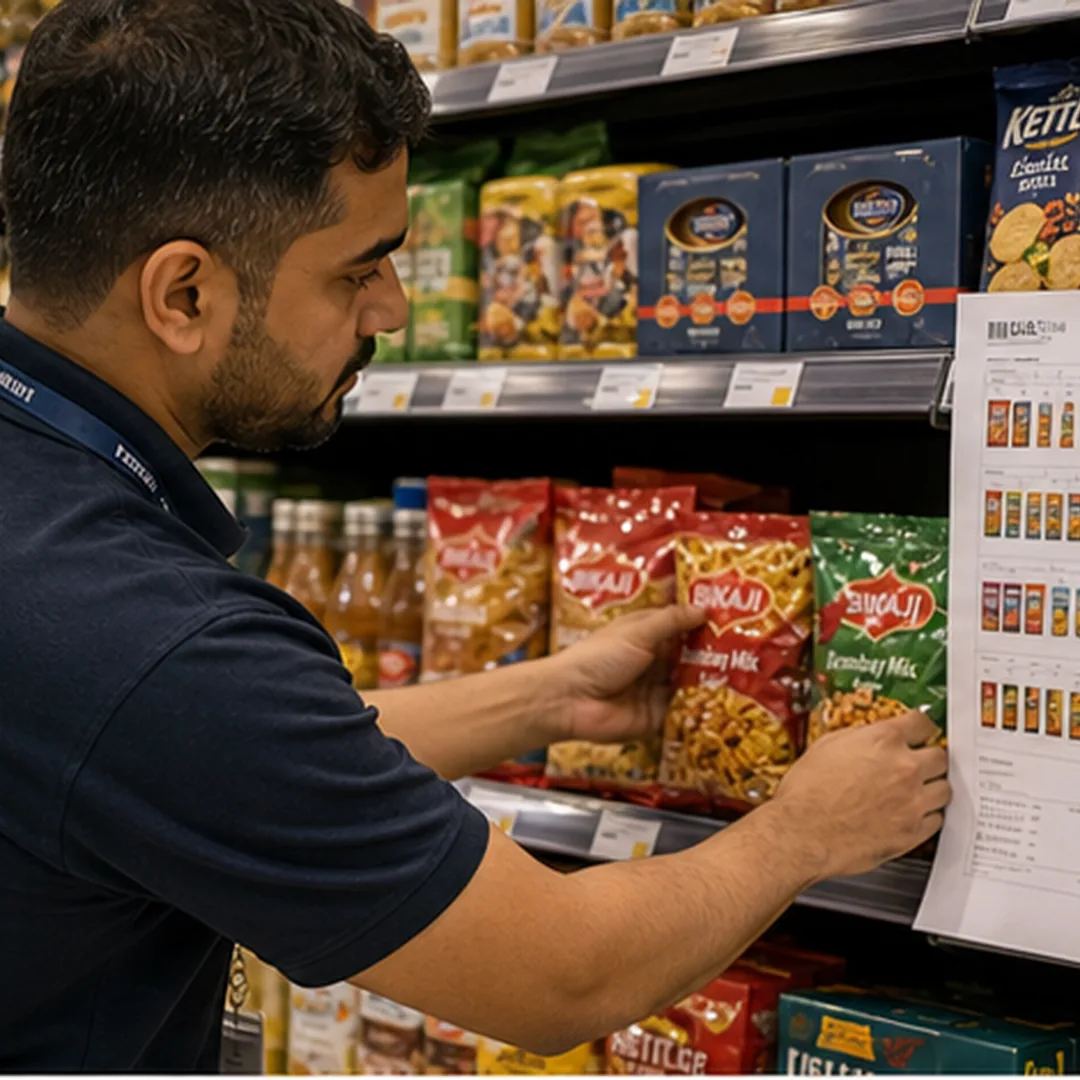
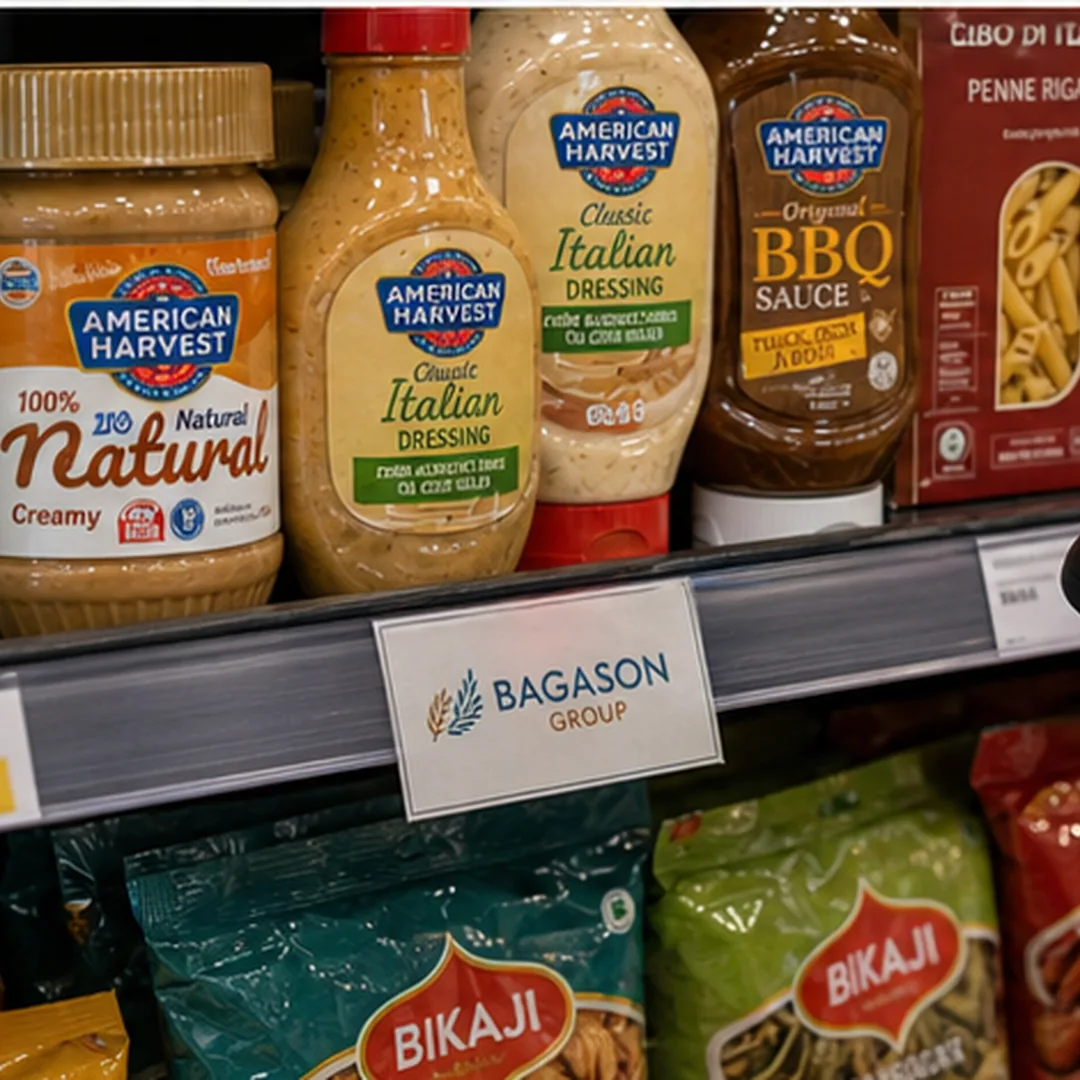
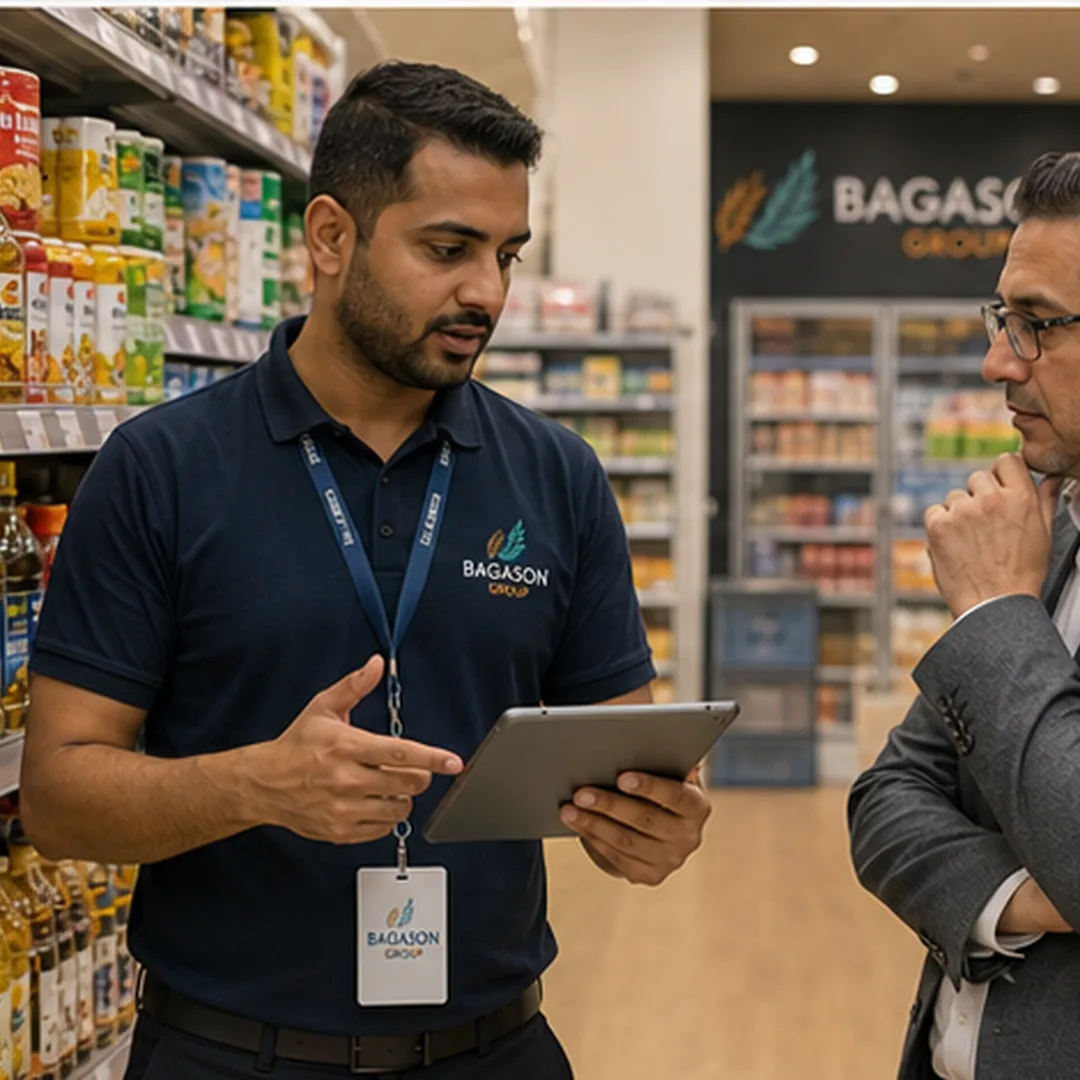
Trade promotions are one of the largest line items in any fast-moving consumer goods budget, yet they remain among the least understood. In the UAE, where supermarkets and hypermarkets compete fiercely for shopper attention, well-designed trade promotions can lift a brand from the back of the shelf to the front of the basket. Badly designed ones simply hand away margin while training shoppers to wait for the next discount. Understanding the difference is the single most valuable skill a brand owner or category manager can develop in this market.
The phrase covers a wide range of activity: temporary price reductions, multi-buy bundles, gondola-end displays, in-store sampling, loyalty-point multipliers and seasonal feature pricing. What unites them is a shared purpose, which is to change shopper behaviour at the moment of decision. The challenge is that not every mechanic works for every product, every retailer or every season. A buy-one-get-one offer that empties a pallet of a household staple can do almost nothing for a premium imported speciality, and a sampling stand that converts beautifully in a flagship hypermarket may be wasted in a small neighbourhood store.
This guide sets out how we think about retail promotions in the UAE and how to run them so they build long-term value rather than borrow sales from next month. It is written for brand owners, category managers and trade-marketing teams who want a disciplined, repeatable approach to supermarket offers in the Emirates rather than a reactive scramble from one leaflet deadline to the next.
It is worth saying clearly at the outset that promotion is not the same as discounting. Discounting is simply lowering a price; promotion is the deliberate, time-bound use of price, visibility, sampling or rewards to achieve a defined commercial objective, after which conditions return to normal. The distinction matters because a brand that conflates the two slides easily into permanent low pricing dressed up as a series of offers, which destroys both margin and the everyday price's credibility. Everything that follows assumes promotion is a tool used with intent, not a habit fallen into by default.
What counts as a trade promotion
Before getting into mechanics, it helps to be precise about what the term covers, because it is used loosely. In the strictest sense, a trade promotion is an incentive a supplier offers to a retailer or distributor to encourage them to stock, feature or push a product. That might be an off-invoice discount on the cost price, a contribution towards a feature display, a volume rebate, or support for a leaflet slot. The shopper never sees the trade promotion directly; they see its downstream effect.
What the shopper does see is the consumer promotion: the shelf-edge price cut, the multi-buy flag, the sampling stand, the loyalty multiplier. In practice the two are tightly linked, because trade investment is usually what funds the consumer offer. When people in the UAE grocery trade talk about promotions, they often blur the two, and that is fine in conversation, but a brand planning its budget needs to keep the distinction clear so it knows exactly where its money is going and what each portion is meant to achieve.
There is also a useful split between price promotions and non-price promotions. Price promotions move the headline number the shopper pays. Non-price promotions, such as displays, sampling, gift-with-purchase or loyalty rewards, change behaviour without touching the regular price. Non-price mechanics are frequently underused, yet they are precisely the ones that build a brand rather than erode it, because they add value instead of subtracting from price.
Why trade promotions matter more in the UAE
The UAE grocery landscape is unusually concentrated and unusually international. A handful of large retail groups command a significant share of modern trade, and their stores serve an extraordinarily diverse population with very different price sensitivities and brand loyalties. A promotion that resonates with one shopper segment may be invisible to another standing in the same aisle. Because we work across %modern trade across the seven emirates%, we see firsthand how the same offer can perform very differently between a hypermarket in a destination mall and a neighbourhood supermarket serving a residential community.
Promotional intensity is also high. Shoppers in the Emirates are well accustomed to weekly leaflets, app-based offers and festival campaigns tied to Ramadan, Eid, Back to School and the major shopping seasons. This means a brand that never promotes risks becoming invisible, while a brand that promotes carelessly risks being seen as permanently cheap. The art lies in choosing the right mechanic for the right objective at the right moment, and in resisting the pressure to discount simply because a competitor did.
There is also a structural reason trade promotions carry more weight here than in many other markets. The UAE is a re-export and trading hub where a vast number of brands compete for a finite amount of premium shelf space. Securing and defending a supermarket listing process is genuinely difficult, and promotional support is often the currency that wins it. A brand that arrives with a credible promotional plan signals to a retailer that it intends to invest in the category rather than ride on someone else's footfall.
The diversity of the shopper base
One feature of the UAE deserves special attention because it changes how promotions should be designed: the population is overwhelmingly expatriate, drawn from across South Asia, the Arab world, the Philippines, Africa, Europe and beyond, and concentrated in dense urban communities. This means a single store can serve households with wildly different reference prices, brand heritages and shopping habits. A multi-buy on a staple that one community treats as essential may be irrelevant to another shopping the same aisle for entirely different products.
The practical implication is that national, one-size-fits-all promotions leave value on the table. The brands that perform best in the Emirates tend to think in terms of communities and store catchments, tailoring the mechanic, the pack and sometimes the very products promoted to who actually shops each store. A promotion designed for a residential community near a business district will rarely be optimal for a store serving a different demographic a few kilometres away. This granularity is harder to execute, but it is also where the genuine advantage lies.
The mechanics that actually move volume
Different promotional mechanics serve different goals, and confusing them is where most budgets go to waste. A temporary price reduction is blunt but effective for driving trial on an established, well-known product. Multi-buy offers, such as buy-two-get-one, are powerful for building basket size and loading the pantry, which can pull future demand forward. Feature displays at aisle ends and near checkouts work less through price and more through visibility, capturing impulse purchases from shoppers who never intended to buy.
In-store sampling deserves special mention because it does something price cuts cannot, which is to let a shopper taste before they commit. For new or unfamiliar products, including many of %the brands we represent%, a sample in hand often converts better than any discount on a shelf edge. The cost per contact is higher, but so is the quality of the trial and the likelihood of repeat purchase. A shopper who has actually tasted a product and liked it carries a memory that a price tag alone can never create.
- Temporary price reductions: best for driving trial of known brands and responding to competitive pressure
- Multi-buy bundles: best for growing basket size and pantry loading among existing buyers
- Feature and end-cap displays: best for visibility and impulse capture, with or without a price cut
- Sampling and demonstrations: best for new, premium or unfamiliar products that need to be experienced
- Loyalty multipliers: best for rewarding existing shoppers without a visible headline discount
Choosing depth over frequency, or the reverse
A subtle but important decision is whether to run shallow, frequent offers or deep, occasional ones. Shallow and frequent keeps a brand visible and competitive week after week, but it risks resetting the shopper's reference price downward, so the regular price starts to feel expensive by comparison. Deep and occasional creates a genuine event that draws attention and clears volume, but it can teach the most price-sensitive shoppers to stockpile and then disappear until the next deep cut. The right balance depends on the category, the brand's positioning and how loyal its buyers are. Premium brands generally favour fewer, well-staged moments, while value brands can sustain more regular activity.
Matching the mechanic to the shopper mission
It helps to think about why a shopper is in the store at all. A large weekly stock-up trip rewards multi-buy and pantry-loading offers because the shopper is already buying in bulk. A quick top-up trip rewards visibility and impulse mechanics, because the shopper is moving fast and deciding at the shelf. A festival or entertaining occasion rewards bundles and premium feature displays, because the shopper is buying to host rather than to ration. Designing a promotion without picturing the trip it is meant to serve is how good budgets end up funding the wrong mechanic.
Displays and the power of the second location
One of the most underrated mechanics is the second location. Most shoppers travel a predictable path through a store and never visit every aisle. A product sitting only in its home category is invisible to anyone who does not walk down that aisle. Placing the same product a second time, on an end-cap, a floor stack near the entrance, or a clip strip beside a complementary product, multiplies the chances of being seen. A snack displayed beside soft drinks, or a sauce beside the relevant fresh produce, catches the shopper at the moment the need is top of mind.
Crucially, a second-location display can drive substantial uplift with little or no price reduction, because the gain comes from visibility rather than discount. For a brand trying to grow without eroding its price, securing strong secondary displays is often a far better investment than a deeper cut on the home shelf. The cost is the space fee and the stock to fill it, but the margin stays intact, and the impulse purchases are frequently incremental.
Planning a promotion that pays back
A promotion should begin with a single, clearly stated objective. Are you trying to recruit new shoppers, defend share against a competitor launch, clear stock approaching its sell-by window, or build visibility ahead of a seasonal peak? Each objective points to a different mechanic, a different depth of discount and a different success measure. Trying to achieve all of them at once usually achieves none of them well, and it makes the campaign impossible to evaluate honestly afterwards.
Forecasting matters just as much as design. A successful promotion creates a demand spike that the supply chain must be ready to meet. Nothing destroys the value of a campaign faster than empty shelves during the offer period, because shoppers who arrive to find no stock rarely return for the same deal, and the retailer remembers the gap when allocating the next promotional slot. This is why promotional planning, replenishment and warehousing have to be joined up rather than handled in separate silos, and it is a large part of %everything that distribution involves day to day%.
A practical planning rhythm helps enormously. Working to a rolling promotional calendar that maps objectives, mechanics, retailers and required stock several months ahead lets the supply chain prepare and the sales team negotiate from a position of readiness. Consider a brand planning a Back to School feature in late summer: ordering the additional stock, agreeing the leaflet and securing the display position need to happen weeks before the offer goes live, not in the panic of the final week.
Getting the retailer relationship right
Trade promotions are negotiated, not simply announced. Retailers allocate scarce promotional slots, leaflet space and display positions, and they favour suppliers who bring well-evidenced plans, reliable supply and a track record of delivery. Coming to a buyer with a clear rationale, realistic volume estimates and a commitment to in-store execution earns better positions than a deeper discount offered without a plan. The best buyer relationships are built over many cycles, where a supplier consistently delivers what it promised and treats the retailer's category growth as a shared goal rather than a battleground over margin.
This is also where %the way we work with retail partners% becomes a real advantage. A distributor that already has trusted, long-standing relationships with the major retail groups can secure positions and timings that a newcomer simply cannot, and can vouch for the brand's reliability in a way that shortens negotiations and improves terms.
Funding the offer without eroding the brand
Every promotion has to be paid for, and how that cost is shared between brand owner, distributor and retailer shapes whether the activity is sustainable. A common mistake is to fund a deep discount entirely from the brand's margin in pursuit of a short-term volume figure, only to find the campaign was unprofitable once the true cost of goods, display, listing fees and wastage is counted. Setting a clear promotional budget, agreeing who contributes what, and refusing to chase volume at any price are the financial disciplines that keep a promotional calendar healthy over a full year rather than a single quarter.
Stock, freshness and the cost of getting forecasting wrong
Forecasting errors cut both ways, and both are expensive. Under-forecasting leaves shelves empty during the offer, wasting the marketing spend and souring the retailer relationship. Over-forecasting leaves a stock overhang once the offer ends, which for many food and beverage lines means product edging towards its sell-by window and the risk of write-offs, returns or distress discounting that drags the price down further still. In a market where ambient temperatures and a long inbound supply chain already shorten the practical shelf life of many imported goods, getting promotional volume right is not just a commercial nicety; it is central to avoiding waste.
A sensible approach is to forecast a realistic uplift range rather than a single number, agree with the supply chain how the upper end will be covered, and build in a clear plan for any residual stock. Consider a brand running a deep multi-buy in the week before a major festival: the question is not only how much extra to ship in, but what happens to anything unsold once the occasion passes and demand snaps back to baseline. Thinking that through in advance turns a potential write-off into a managed wind-down.
Common mistakes that quietly waste budget
Most failed promotions do not fail dramatically; they fail quietly, by spending money to sell units that would have sold anyway. The most expensive mistake is subsidising loyal buyers. When a brand cuts the price for everyone, the shoppers who would have paid full price still buy, and the discount on those units is pure lost margin. The skill is in designing mechanics that reach genuinely incremental buyers rather than rewarding the existing ones.
Other recurring mistakes include promoting too often, so the regular price loses meaning; running offers without securing the display or feature space that drives visibility, so the price cut goes unnoticed; and failing to align stock with the promotion, so the campaign either runs dry or leaves a costly overhang. There is also the trap of copying a competitor's depth without understanding their cost structure, which can lead a brand into discounts it cannot afford to repeat.
- Subsidising loyal buyers who would have paid full price anyway
- Promoting so frequently that the everyday price feels inflated
- Cutting price without securing the visibility that makes the cut land
- Mismatching stock and demand, causing stockouts or overhang
- Matching a rival's discount depth without matching their cost base
Digital and quick commerce change the picture
Promotion in the UAE is no longer confined to the physical aisle. Retailer apps, loyalty programmes and quick-commerce platforms now carry a growing share of grocery promotion, and they bring new mechanics with them, such as app-exclusive prices, personalised offers and time-limited flash deals. These channels offer sharper targeting than a printed leaflet ever could, because an offer can be shown to the shoppers most likely to respond rather than broadcast to everyone.
The principles remain the same even as the channels multiply. A digital offer still needs a clear objective, reliable fulfilment and honest measurement of incrementality. What changes is the speed of feedback, because online platforms reveal results almost immediately, allowing a brand to learn and adjust far faster than it could in physical retail alone. The brands that thrive blend the visibility of in-store promotion with the precision of digital offers rather than treating them as separate worlds.
The fulfilment trap in quick commerce
Quick commerce raises the stakes on supply. A flash deal that goes live on an app can generate orders within minutes, and if the dark store or fulfilment point is not stocked, the offer creates frustration rather than goodwill. Worse, a product that shows as out of stock online is often demoted in the app's ranking, so a poorly supplied promotion can damage visibility long after the offer ends. Treating digital promotions as a supply-chain commitment, not just a marketing message, is what separates brands that win in quick commerce from those that merely appear in it.
Coordinating offers across channels
As the number of channels grows, so does the risk of working against yourself. An aggressive app-only price that undercuts the in-store offer can confuse shoppers, irritate the physical retailer and erode the value of both. A leaflet promotion that the quick-commerce platform does not honour can look like a broken promise. The discipline is to think of promotion as a single coordinated plan across physical and digital touchpoints, with consistent timing and a deliberate decision about where each mechanic belongs, rather than as a set of separate campaigns that happen to share a brand. When the channels reinforce one another, a shopper who sees the leaflet, then the app offer, then the in-store display, receives the same message three times and is far more likely to act.
Seasonal calendars and the UAE rhythm
The UAE retail year has a distinct rhythm, and promotional planning should follow it. Ramadan is the single most important grocery season, with elevated spending on staples, hospitality items and gifting, and it demands both deeper stock and carefully judged offers because competition for shopper attention is intense. Eid extends the celebration with a focus on entertaining and treating. Back to School drives a predictable late-summer surge, and the major winter shopping festivals concentrate footfall and purchase intent.
The summer months bring their own considerations. As temperatures regularly exceed 45°C and many residents travel, footfall patterns shift, indoor categories and chilled lines behave differently, and outdoor activation becomes impractical during the hottest part of the day. A promotional calendar built around these realities, rather than imported wholesale from another market, consistently outperforms one that ignores them. The brands that plan their year against the actual Emirates calendar arrive at each peak ready, stocked and differentiated rather than reacting at the last moment.
Planning around the summer and the Midday Break
Summer operations in the UAE carry a regulatory dimension that any promotional plan involving outdoor activity must respect. From mid-June to mid-September, the Midday Break Rule enforced by the Ministry of Human Resources and Emiratisation prohibits work in open areas and under direct sun during the hottest part of the day, broadly the early afternoon. This affects outdoor sampling, car-park activations and anything that would put staff in the heat during those hours. A promotion that depends on outdoor demonstration has to be scheduled around the permitted hours or moved indoors entirely.
The heat reshapes shopper behaviour as well as the rules. With daytime temperatures regularly exceeding 45°C and high coastal humidity, footfall concentrates in air-conditioned malls and shifts towards evenings, while chilled and frozen categories, hydration products and indoor-leisure lines behave differently from the cooler months. A promotional calendar that treats summer as simply a quiet period misses the opportunity to lean into the categories that genuinely peak when it is hot, and risks scheduling activity at hours when neither staff nor shoppers can comfortably take part.
Measuring what worked
The final discipline is honest measurement. The headline question is not how many units sold during the offer, but how many incremental units sold that would not have sold anyway, and whether the brand sustained any lift after the promotion ended. A campaign that triples volume during the offer and then collapses below baseline has often simply pulled sales forward at a discount. A campaign that lifts volume modestly but holds a portion of new shoppers afterwards has genuinely grown the brand.
Tracking incrementality, repeat purchase and post-promotion baseline is what separates strategic promotion from habitual discounting. A simple, consistent post-campaign review, looking at uplift against a sensible baseline, the cost per incremental unit, and the behaviour of the baseline in the weeks after the offer, builds a body of knowledge over time that makes every subsequent promotion sharper. The brands that keep this discipline gradually learn which mechanics, depths and timings work for their category, while those that skip it keep repeating the same expensive guesses.
The metrics worth watching
A handful of measures, tracked consistently, tell most of the story. Uplift against baseline shows how much extra moved during the offer. Incremental units strip out the sales that would have happened anyway, which is the figure that actually matters. Cost per incremental unit reveals whether the activity was efficient, and comparing it across campaigns shows which mechanics earn their keep. Post-promotion baseline indicates whether the brand kept any of the new shoppers or simply borrowed from the future. Finally, profitability after all costs, including goods, display, listing fees and wastage, answers the only question that ultimately counts: did the promotion make money or spend it.
- Uplift against a sensible baseline during the offer period
- Incremental units, separating genuine gain from cannibalised sales
- Cost per incremental unit, compared across campaigns
- Post-promotion baseline, to test whether the lift held
- Net profitability after all true costs, not just gross volume
Why a control comparison helps
Measuring incrementality precisely is genuinely hard, because you can never observe what would have happened without the promotion. The practical workaround is comparison: looking at how the promoted product behaved against a stable baseline period, against similar non-promoted lines, or against comparable stores that did not run the offer. None of these is perfect, but together they give a far more honest read than the raw during-offer total, which always flatters a promotion because it includes every sale that would have happened regardless. Building the habit of asking compared to what turns measurement from a vanity exercise into a real source of learning.
Building a long-term promotional strategy
Promotion works best as a programme rather than a series of one-off events. A coherent annual plan balances objectives across the year, reserves budget for the moments that matter most, protects the everyday price from constant erosion, and treats each campaign as a chance to learn. It also connects promotion to the brand's wider position, so that the offers reinforce what the brand stands for rather than reducing it to whatever is cheapest this week.
A genuinely strategic calendar typically reserves the bulk of its weight for a small number of high-impact moments, the festivals and seasons where shopper intent is highest, and uses lighter-touch, non-price activity to maintain visibility in between. It protects the everyday price as a deliberate asset, recognising that a credible regular price is what makes a promotion feel like a real offer rather than the norm. And it leaves room to respond to the unexpected, because a competitor launch or an unplanned overhang will always demand some reactive activity. The goal is a plan firm enough to give the supply chain confidence yet flexible enough to absorb surprises.
The role of the distribution partner
None of this discipline matters if the brand cannot execute on the ground, and execution is where many promotional plans quietly fall apart. A perfect offer means nothing if the stock is not on shelf, the display is not built, or the leaflet runs while the warehouse is empty. This is the practical reason so many brands run their promotional calendars hand in hand with their distribution partner: the partner is the one who turns a plan on paper into product on shelf, secured displays, reliable replenishment and honest sell-through data afterwards. The closer that planning loop, the better the results, because the people designing the offer and the people delivering it are working from the same picture.
For brands that want to build a disciplined promotional calendar rather than react week to week, it helps to start by understanding the market and the partners available. Reading through %answers to common partner questions% is a useful first step, and for those ready to plan seriously it pays to %partner with our team% who can connect promotional planning to real supply chain capability across the Emirates. Done well, trade promotion stops being a drain on margin and becomes one of the most powerful tools a brand has to grow share, build loyalty and earn its place on the UAE supermarket shelf.
Frequently Asked Questions
What is the difference between a trade promotion and a consumer promotion?
A trade promotion is an incentive offered to the retailer, such as a discount on the cost price or a contribution to display costs, designed to secure listings, visibility or feature space. A consumer promotion is the offer the shopper actually sees on shelf, such as a price cut or a multi-buy. The two are often linked, because trade investment funds the consumer offer that shoppers respond to.
How deep should a supermarket discount be in the UAE?
There is no single right answer, because the ideal depth depends on the product category, the objective and the competitive context. A discount needs to be deep enough to be noticed but not so deep that it erodes the brand's perceived value or trains shoppers to buy only on offer. Testing different depths and measuring incrementality is more reliable than copying a competitor whose cost structure you do not know.
When are the best times to run promotions in the UAE?
Seasonal peaks such as Ramadan, Eid, Back to School and the major shopping festivals draw heavy footfall and high purchase intent, making them natural windows for well-stocked campaigns. That said, these periods are also the most crowded, so a clearly differentiated offer and guaranteed supply matter even more than usual. Summer footfall patterns shift as residents travel, so plans should account for that too.
How do I know if a promotion actually worked?
Look beyond the units sold during the offer and focus on incrementality, meaning the additional sales that would not have happened without the promotion. Also track whether the brand held any of its lift after the offer ended through repeat purchase. A promotion that grows the post-promotion baseline has built lasting value rather than borrowed sales from the following weeks.
Which promotional mechanic is best for launching a new product?
For genuinely new or unfamiliar products, sampling and in-store demonstrations usually outperform a price cut, because they let shoppers experience the product before committing. A price discount on something nobody recognises tends to attract little attention. Pairing trial-driving mechanics with strong visibility on a feature display gives a new launch the best chance of converting first-time buyers into repeat buyers.
Should I run the same promotion across hypermarkets and smaller supermarkets?
Not usually. A flagship hypermarket and a neighbourhood supermarket serve different shopper missions and different communities, so the same offer can perform very differently. Tailoring the mechanic, pack format and even the depth to each store type and its catchment tends to deliver far better returns than a single national offer applied everywhere.
How is quick commerce changing trade promotions?
Quick-commerce platforms and retailer apps allow much sharper targeting and faster feedback than printed leaflets, with mechanics such as app-exclusive prices and flash deals. They also raise the stakes on supply, because a flash deal can generate orders in minutes and an out-of-stock product is quickly demoted in the app. Successful digital promotion treats fulfilment as a core commitment, not an afterthought.
Who pays for a trade promotion?
The cost is typically shared between the brand owner, the distributor and the retailer, though the exact split varies by mechanic and negotiation. Funding a deep discount entirely from the brand's own margin in pursuit of volume is a common and expensive mistake. Agreeing the budget and the contribution of each party in advance is what keeps a promotional calendar profitable across a full year.
How often should a brand promote in the UAE?
It depends on positioning. Value brands can often sustain more frequent, shallower activity, while premium brands generally do better with fewer, well-staged moments that preserve the everyday price. Promoting too often risks resetting the shopper's reference price downward, so that the regular price starts to feel expensive. The aim is to stay visible without making the full price feel like a penalty.
Can a distributor help with promotional planning?
Yes. An experienced distributor brings established retailer relationships, supply-chain capability and on-the-ground execution that most brand owners cannot replicate alone. That combination is what turns a promotional idea into reliable shelf availability, secured display space and honest measurement across the Emirates, which is why many brands plan their promotional calendars together with their distribution partner.