Every brand owner we work with eventually asks the same question: should we build our own webstore, or put our energy into Amazon.ae, Noon and the quick-commerce apps? Ask that question of the D2C food brands UAE shoppers buy from most often, and the honest answer is that it depends on what part of the business you're trying to fix. A webstore solves different problems than a marketplace listing does, and grocery is a category where the two rarely compete on equal footing.
We say this from the distribution side, not the agency side. Our warehouse in Jebel Ali packs orders for marketplace fulfilment centres and ships to standalone e-commerce customers for brands that run their own site. We see the pick rates, the return rates and the margin lines for both. This piece walks through when a brand should sell direct, when a marketplace does the job better, and where direct-to-consumer grocery still struggles even with the right intentions.
What D2C food brands UAE shoppers actually recognise
Direct to consumer grocery in this market rarely means a brand selling only through its own site. Almost every serious FMCG brand here runs a blended model: a webstore for full-margin, full-story selling, plus a presence on the marketplaces where most category searches start. The webstore is the flagship. The marketplaces are the foot traffic.
That blend matters because UAE shoppers behave differently by category. Somebody searching for a specific imported snack or a niche health product will often go straight to a brand's Instagram bio link or Google the name directly. Somebody restocking rice, oil or diapers opens Noon Minutes or Instashop because urgency and convenience beat brand loyalty. A brand webstore vs marketplace decision has to start with which of those two shopper moods your product actually lives in.
There's also a practical reason webstores exist at all in a market this marketplace-heavy: control over the first purchase. A new product needs someone to explain it before the shopper decides whether it's worth trying. A marketplace listing gives you five photos and 200 characters of bullet points, nothing more. The webstore is where the full story lives, and that gap decides a lot of what follows.
It helps to be specific about what "marketplace" even covers here, because the three big categories behave nothing alike. Amazon.ae rewards patient, search-driven shopping: a customer types a category term, compares five listings, reads reviews, and decides over several minutes. Noon leans more promotional, with flash deals and voucher stacking shaping what gets clicked. Quick commerce, through apps like Talabat, Instashop or Kibsons, is a different animal again: the shopper already knows roughly what they want, they're comparing delivery time more than price, and browsing depth is close to zero. A brand that treats all three channels the same way usually underperforms on at least two of them.
Why brand owners want a webstore in the first place
Ask most founders why they want their own site and the first word out is usually "margin." It's a fair starting point, but it's rarely the whole reason. Three things usually sit underneath it.
- Margin retention: no referral fee, no fulfilment fee stack, no advertising tax just to appear in search results on someone else's platform.
- Customer data: an email address, a phone number, a purchase history you actually own and can act on next season.
- Brand control: your photography, your product story, your bundle logic, not a template built for comparison shopping.
Here's the thing: all three of those are real, and none of them are free. A webstore that converts, ships reliably and handles a returned or damaged order costs money and headcount to run properly. Brands underestimate this constantly. The webstore looks like the cheap option because there's no listing fee, but the true cost shows up later in customer service tickets, failed deliveries and abandoned carts nobody investigates.
There's a fourth reason too, one founders mention less often but feel just as strongly: seasonal and limited launches. A Ramadan hamper, a National Day gift box, a small-batch flavour tied to a festival, none of these fit neatly into a marketplace's standard listing structure, which is built for evergreen, always-in-stock SKUs. A webstore lets a brand run a two-week campaign with its own landing page, its own bundle pricing and its own countdown, without waiting on a marketplace's category team to approve a temporary listing change.
What a marketplace listing actually buys you
Amazon.ae, Noon and the quick-commerce apps solve a problem a webstore cannot solve on its own: discovery. A shopper who has never heard of your brand is not typing your domain into a browser. They're searching a category term on a platform they already trust with their card details, and your product either shows up in that search or it doesn't exist to them.
Marketplaces also carry fulfilment weight a young brand can't replicate cheaply. Amazon's FBA network and the quick-commerce dark-store model mean fast delivery windows without the brand owning a single van or warehouse slot. For a grocery item with a short shelf life, that speed advantage is not a nice-to-have. It's often the only reason the product arrives in edible condition.
The trade-off is visibility into your own customer. A marketplace sale gives you a transaction, not a relationship. You typically don't get the buyer's email, their reorder pattern, or the ability to message them directly when you launch a new flavour. You're renting shelf space in someone else's store, and the landlord sets the rent, the layout and, increasingly, the algorithm deciding who sees your product at all.
Search ranking adds another wrinkle. Marketplace algorithms reward sales velocity, review volume and stock availability, which means a brand new to a platform starts from close to zero visibility no matter how good the product is. Building that ranking takes sponsored placement spend, review generation and consistent stock; none of it is optional. Brands that budget for the listing fee but skip the advertising spend needed to get found are usually disappointed by their first quarter of marketplace sales.
Fulfilment: where good D2C intentions usually break first
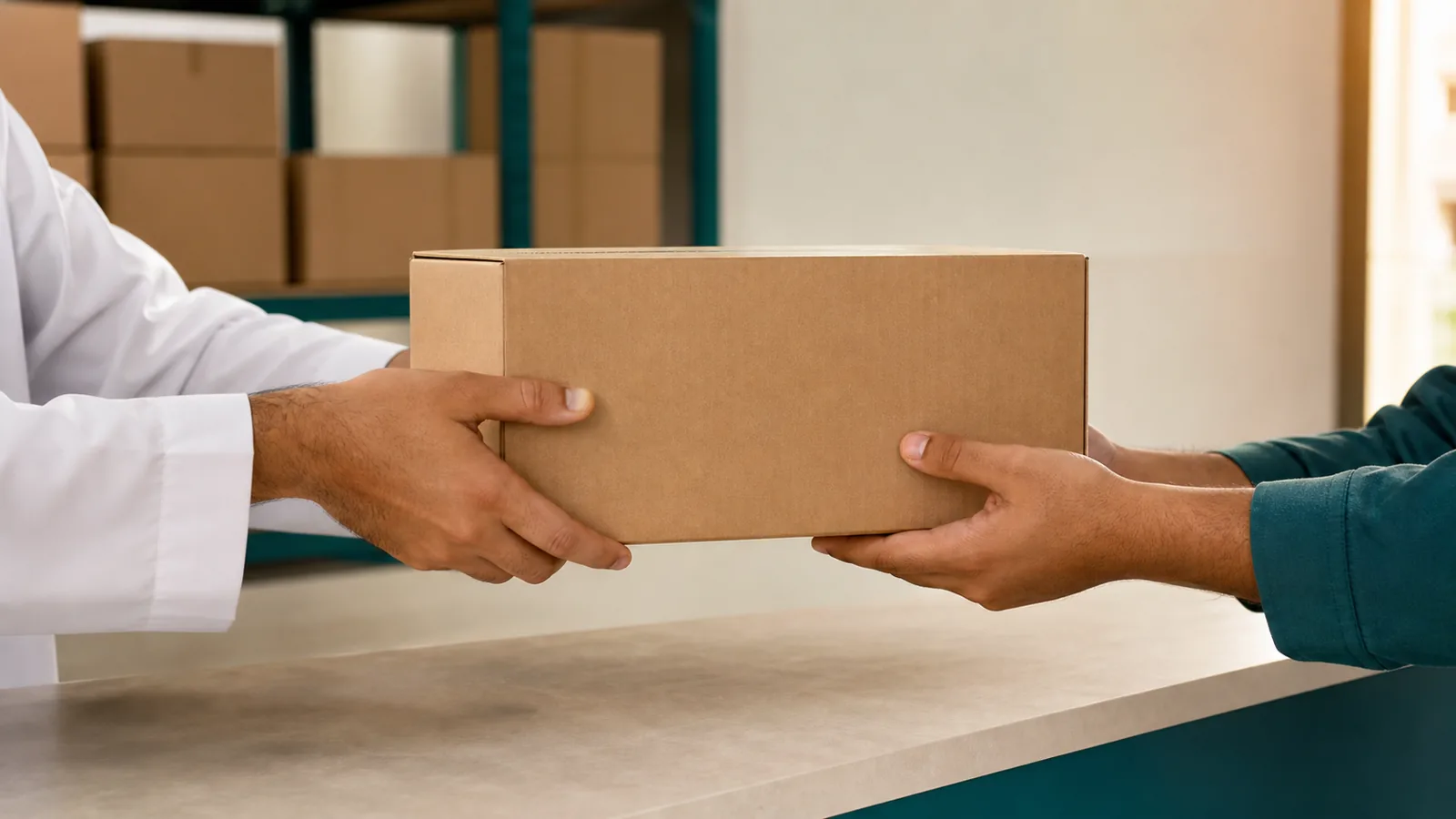
Every brand that has tried running its own grocery delivery in the UAE has learned the same lesson at roughly the same point: fulfilment is the hardest part, not the website. Building a Shopify store takes a weekend. Getting chilled or ambient food from a warehouse shelf to a customer's door, intact and on time, across seven emirates, takes an operation.
Three fulfilment problems show up almost every time:
- Cold chain and shelf life. Ambient snacks travel fine in a courier van in August. Chilled or frozen items do not, and a single missed delivery window can turn into a spoiled order and a refund.
- Minimum order economics. A single unit of pickles or a single carton of juice rarely covers the cost of a dedicated last-mile delivery once you count packaging, fuel and driver time. Grocery lives on basket size, and a solo D2C brand struggles to build a basket the way a supermarket or a quick-commerce app does.
- Returns and damage. Food that arrives dented, leaking or past a sell-by window creates a support conversation a small team is rarely staffed to handle at volume.
This is precisely why third-party logistics and pooled fulfilment exist. A brand that partners with an established distributor for warehousing and last-mile delivery gets the cold storage, the GPS-tracked fleet and the route density a solo operation can't afford to build from zero. The ecommerce strategy FMCG UAE brands rely on tends to lean on exactly this kind of partnership rather than reinventing logistics in-house.
Weather adds a layer most first-time D2C brands don't plan for. Summer temperatures in the Gulf routinely sit above 40 degrees between June and September, and a courier van's cargo area heats up fast once the engine is off and a driver is making stops. Chocolate, dairy-based products and anything with a fat content that melts easily need insulated packaging or a genuinely temperature-controlled vehicle, not a standard courier bag with an ice pack thrown in. We've seen brands learn this the hard way, with a batch of returns and one-star reviews clustering in July and August because the fulfilment plan worked fine in cooler months and quietly failed once summer arrived.
Delivery windows matter just as much as temperature control. A shopper who orders chilled yoghurt or fresh dairy expects a narrow delivery slot, not a "sometime today" promise. Marketplaces with dedicated dark stores can hit narrow windows because the inventory sits minutes from the customer. A brand shipping from a single central warehouse to all seven emirates has to either accept wider windows, which frustrates perishable-goods buyers, or invest in regional stock points, which brings its own carrying cost and complexity.
Customer service and returns: the part nobody budgets for
Every channel eventually produces an unhappy customer, and how that unhappiness gets resolved differs sharply between a webstore and a marketplace. On Amazon or Noon, the platform owns much of the resolution process. Refunds, replacement requests and even some customer messaging run through the marketplace's own support system, which takes workload off the brand but also removes the brand's ability to shape how that conversation goes.
Run your own webstore and every one of those conversations lands directly on your team. That's not automatically a downside. Handled well, it's a chance to turn a damaged-order complaint into a loyal repeat customer through a fast, personal response. Handled poorly, or left unanswered for two days because nobody was assigned to monitor the inbox, it becomes a public review or a social media complaint instead.
A few practical realities worth planning for before launch:
- Someone needs to own the inbox. A webstore with no dedicated person checking order issues daily will accumulate a backlog fast, especially around a promotion or a new product launch.
- Replacement stock has to be available. A refund is easy to process; sending a replacement item quickly requires the same warehousing and delivery capacity as the original order.
- Policy has to be written down before the first complaint arrives. Deciding your damaged-goods policy in the middle of an angry email exchange rarely produces a policy you'd choose with a clear head.
Margins: where the money goes
The margin math on a webstore looks better on a spreadsheet than it does on a bank statement. Selling direct removes the marketplace referral fee, which can run into double digits per category, plus fulfilment and advertising placement fees layered on top. That looks like pure upside until you price out what replaces it.
Running your own checkout means absorbing payment gateway fees, packaging costs, last-mile delivery, customer service staffing and the marketing spend needed to get anyone to your site at all. Paid search and social ads to drive traffic to a standalone grocery webstore are not cheap in this market, and conversion rates on a lesser-known domain sit well below what a shopper already logged into Amazon or Noon will convert at.
The honest comparison isn't "marketplace fee versus zero fee." It's "marketplace fee versus your own acquisition cost plus your own fulfilment cost plus your own failure rate." For a high-margin, low-shipping-weight product with strong brand recognition, direct selling often wins that comparison. For a low-margin grocery staple competing on price, it rarely does, because the customer acquisition cost alone can exceed what the item earns on a single sale.
Take two hypothetical products to see how differently this plays out. A premium cold-pressed juice with a strong margin and a story worth telling can absorb the cost of a webstore's checkout fees and delivery, because each unit still leaves healthy profit after those costs. A bag of rice or a carton of cooking oil, sold on thin margin by design, cannot absorb the same cost stack; the marketplace's shared fulfilment infrastructure and existing customer trust make it the more sensible channel for that category almost every time.
Bundle economics change the picture again. Selling three or four items together on a webstore raises the average order value enough to make the delivery cost proportionally smaller, which is part of why bundles, gift sets and subscription boxes show up so often on brand webstores rather than as single-unit marketplace listings. A single jar sold alone rarely covers its own delivery. Three jars sold together usually do.
Data ownership: the advantage that compounds slowly
This is the argument for a webstore that takes longest to pay off and matters most over time. A marketplace transaction tells you what sold and when. A webstore transaction tells you who bought it, what else they looked at, whether they opened your last email, and whether they came back a second time.
That data lets a brand do things a marketplace listing never will: build a loyalty programme, test a new flavour with existing buyers before a wider launch, or segment communication by purchase frequency. Over a year or two, that owned relationship becomes an asset in its own right, one a brand can point to when negotiating with a retail buyer or a new distribution partner.
On the flip side, that value only shows up at scale. A webstore with a trickle of orders a month generates a data set too small to act on. Brands sometimes chase the "own your customer" argument before they have enough customers for it to mean anything, and the CRM sits mostly empty while the marketing team debates what to do with it.
There's also a compliance side to owning customer data that's easy to overlook until it's overdue. Collecting emails and phone numbers means handling consent properly, storing that data securely, and giving customers a clear way to unsubscribe or ask for their information to be removed. A webstore that gathers data casually, with no clear opt-in and no data-handling process in place, creates a liability rather than an asset. This is one more reason data ownership pays off mainly for brands with the operational maturity to manage it responsibly, not just the ones with the largest customer list.

Where D2C fails for grocery in the UAE
Selling groceries direct to shoppers has real structural limits here, and it's worth naming them plainly instead of treating every brand's webstore ambition as automatically achievable.
- Basket size is against you. Grocery shoppers buy in baskets, not single SKUs. A standalone brand webstore selling one product line struggles to build order values that justify delivery cost.
- Trust takes time. A shopper hands over card details to Amazon or Noon without a second thought. A brand-new domain asking for the same information faces friction that shows up as cart abandonment.
- Frequency works against niche brands. Category leaders on a marketplace benefit from repeat browsing traffic that a standalone site never receives; a shopper doesn't casually browse a single brand's site the way they browse a grocery app.
- Perishables punish delay. Chilled, frozen and short-shelf-life items need delivery infrastructure most brand-owned webstores were never built to run.
What's more, a webstore built and then neglected does active harm to a brand. An abandoned checkout, an out-of-stock product left listed for months, or a contact form nobody answers all tell a shopper the brand isn't paying attention. If a webstore can't be maintained properly, it's often better not to run one at all and instead put full effort into the marketplace channels that already carry the operational weight.
Consider a small brand that launches a webstore for a range of frozen ready meals. The founder builds a beautiful site, photographs every dish, writes the ingredient story well. Then the first hot week arrives, a delivery is delayed by traffic on Sheikh Zayed Road, the product arrives partially thawed, and the customer posts about it. That single incident does more damage to trust than a hundred good marketplace reviews can repair, because it happened on a channel the brand controls completely and therefore owns completely. This is the uncomfortable part of selling groceries directly to the end customer: control cuts both ways. Own the channel and you own the failure too.
The hybrid model most brands actually land on
In practice, the brands doing this well in the UAE aren't choosing one channel over the other. They're assigning each channel a job. The webstore becomes the home for full-size bundles, gift sets, subscriptions and anything that benefits from storytelling: origin, ingredients, use cases. The marketplaces carry the everyday single-unit purchase where a shopper is comparing price and delivery speed against three other brands in the same search result.
Modern trade and traditional trade still matter in this picture too. A brand's own retail presence in stores like LuLu, Carrefour, Nesto or Choithrams, plus traditional trade through baqalas, builds the physical familiarity that later makes a shopper trust a webstore checkout or click "add to cart" on a marketplace listing without hesitation. Online grocery channels rarely succeed in isolation from offline distribution; they tend to succeed because the brand was already visible somewhere the shopper trusted first.
A workable split looks something like this:
- Webstore: hero SKUs, bundles, subscriptions, and any product that needs explaining before purchase.
- Amazon.ae and Noon: high-frequency, price-comparable items where discovery matters more than storytelling.
- Quick-commerce apps (Talabat and similar): impulse and top-up purchases, small basket sizes, speed over selection.
- Modern and traditional trade: the physical reach that builds the brand recognition every online channel depends on.
Timing matters as much as the split itself. A brand launching from zero rarely benefits from opening five channels at once. The more common pattern we see work is sequential: prove the product in retail or on one marketplace first, gather reviews and repeat-purchase data, then layer in a webstore once there's enough brand recognition for a shopper to trust a lesser-known domain with their card details. Launching a webstore before the brand has any retail footprint or marketplace reviews usually means paying full price for traffic that converts poorly, because nothing yet backs up the claim that the product deserves a second look.

Measuring what actually matters across channels
A brand running both a webstore and marketplace listings needs to track more than total revenue, because the same revenue number can hide very different health across channels. A few numbers worth watching separately for each channel:
- True margin after fees. Marketplace referral and fulfilment fees, and webstore payment gateway and delivery costs, both need subtracting before comparing channel performance honestly.
- Repeat purchase rate. A webstore's real value shows up in whether the same customer buys again, not in the first sale alone.
- Return and complaint rate. A channel with a rising complaint rate is telling you something about fulfilment quality before it shows up in the revenue line.
- Customer acquisition cost. What it costs to bring a new buyer to the webstore versus what it costs to win a marketplace search position for the same product.
Tracking these separately, rather than looking only at a combined sales total, is what lets a brand make the next investment decision on evidence instead of instinct.
How to decide for your own brand
So what does this mean for a brand weighing where to put its next quarter of investment? The question isn't which channel wins for D2C food brands UAE-wide, since there's no single right answer. It's whether your specific product fits the channel. Start with three questions rather than a channel preference.
What's your margin per unit after packaging and shipping? If it's thin, a marketplace's built-in fulfilment and discovery usually beats the cost of running your own checkout and delivery. If it's healthy, direct selling has room to work.
Does your product need explaining, or does it compete on price? Products that need a story, an ingredient explanation or a use-case demo do better carrying that story on an owned page. Commodity-style items rarely benefit from the extra storytelling a webstore provides.
Can you actually run fulfilment at the volume you're targeting? Be honest about whether you have the warehousing, cold chain and last-mile capacity to deliver a good experience, or whether you'd be better placed leaning on an established distribution partner while you build that capacity.
Consider this: a brand launching a new imported snack line with a strong story and healthy margin might open with a webstore and social-led marketing, then add Amazon.ae once demand proves out. A brand selling a household staple with thin margins might skip the standalone webstore entirely and focus energy on winning marketplace placement and retail listings instead.
Key takeaways
- A brand webstore vs marketplace decision should start with margin per unit, product story, and fulfilment capacity, not a general preference for "owning the customer."
- Marketplaces solve discovery and fulfilment at scale; webstores solve margin retention, storytelling and long-term customer data.
- Direct to consumer grocery struggles with basket size, trust, and perishability in ways a single-brand site rarely overcomes alone.
- Most successful UAE food brands run a hybrid model, assigning each channel the job it does best rather than picking one.
- Fulfilment, not the website itself, is usually the part of an ecommerce strategy FMCG UAE brands underestimate the most.
None of this needs to be guesswork. If you're weighing a webstore launch, a marketplace push, or the logistics behind either one, our team works through exactly these trade-offs with brand owners every week. You can see more of what we cover on the Bagason blog, learn more about our distribution and e-commerce work on our homepage, or talk to our team about where your brand sits in this picture right now.
Frequently asked questions
Should a new UAE food brand start with a webstore or a marketplace?
Most new brands are better served starting on a marketplace or in retail first. Marketplaces bring existing shopper trust, built-in fulfilment and discovery traffic a brand-new domain doesn't have. A webstore tends to work better once there's some brand recognition and repeat-purchase demand already in place, so the traffic arriving at the site converts instead of bouncing.
Is it more profitable to sell direct instead of through Amazon.ae or Noon?
It depends on the margin and product type. High-margin items with a story to tell, like premium or artisanal products, often earn more sold direct once fees are removed. Low-margin grocery staples usually do better through a marketplace, because the customer acquisition cost of running a standalone webstore can outweigh the fee savings.
What's the biggest fulfilment challenge for D2C grocery in the UAE?
Heat and shelf life. Chilled, frozen and fat-based products need proper cold chain handling across long delivery routes and summer temperatures, which a small brand rarely has the infrastructure to manage alone. Partnering with an established distributor for warehousing and last-mile delivery solves this without the brand building its own logistics network from scratch.
Can a food brand run both a webstore and marketplace listings at the same time?
Yes, and most successful brands do exactly this. The common approach assigns each channel a role: the webstore carries bundles, subscriptions and full-margin storytelling products, while marketplaces and quick-commerce apps handle everyday, price-comparable single-unit purchases where discovery and speed matter most.
Why does owning customer data matter if a marketplace already handles the sale?
A marketplace transaction tells you what sold. A webstore transaction tells you who bought it and whether they came back. That owned relationship lets a brand test new products, build loyalty and communicate directly, an advantage that compounds over time but only once order volume is high enough to make the data meaningful.
How do quick-commerce apps like Talabat or Instashop fit into this decision?
Quick commerce suits impulse and top-up purchases where a shopper already knows what they want and is comparing delivery speed more than price. It rarely replaces a webstore or a larger marketplace listing, but it adds reach for small basket sizes and immediate-need occasions a standalone site can't easily capture.