Once a brand has proven itself in the UAE, the natural next ambition is regional growth, and gcc distribution becomes the headline on every strategy deck. The wider Gulf represents a substantial, affluent and connected set of markets, and the success that earns a brand its place on UAE shelves creates a credible springboard into Saudi Arabia, Kuwait, Qatar, Oman and Bahrain. But the Gulf is not one market with a single set of rules; it is several distinct markets that happen to share a region.
The brands that expand well treat the move as a deliberate, sequenced programme rather than a simple copy-paste of their UAE playbook. This roadmap sets out the key considerations, from choosing where to go first to navigating compliance and choosing the right partners, so that expansion builds on UAE success rather than diluting it.
The prize is real. Collectively the Gulf represents a large, young, urbanised and relatively affluent consumer base with a strong appetite for imported food and a high degree of cultural and commercial connection. A brand that has earned credibility in the UAE carries a genuine advantage when it crosses borders, because the UAE is widely regarded as a proving ground. But that advantage only converts into regional scale if the expansion is executed with the same discipline that built the home-market success in the first place, and the gap between a brand that plans carefully and one that rushes is usually visible within the first year.
Why the GCC is not a single market
It is tempting to treat the Gulf as one homogeneous block, but each country has its own regulatory regime, registration process, labelling requirements expectations, retail structure and consumer preferences. The GCC comprises six countries, the UAE, Saudi Arabia, Qatar, Kuwait, Bahrain and Oman, and while they cooperate closely and share a common market framework, day-to-day commercial reality still differs meaningfully from one to the next. What clears smoothly in one country may need rework in another, and pricing, pack sizes and even preferred flavours can differ across borders.
Saudi Arabia, by far the largest market, has its own product registration and standards requirements; Kuwait, Qatar, Oman and Bahrain each have their own as well. Successful gcc market entry therefore begins with respect for these differences. Time zones, customs procedures and local trade dynamics all vary, and assuming uniformity is one of the most common and costly mistakes. The shared language and cultural ties make the region feel seamless, but the operational reality requires country-by-country planning.
The shared framework and its limits
The GCC does operate a customs union and common standards bodies, which genuinely lowers friction compared with unrelated international markets, harmonised standards exist for many product categories, and a brand already aligned to Gulf norms starts ahead. But harmonisation is not the same as identical execution. Registration is still administered country by country, importer-of-record requirements differ, and local enforcement and documentation expectations vary. Treating the framework as a helpful starting point rather than a guarantee of uniformity keeps a plan realistic.
The practical implication is that a brand should bank the benefits of harmonisation without relying on them. Where a common standard genuinely applies, alignment to it in the UAE often carries over and saves rework elsewhere, which is a real advantage. But the brand should still budget time and money for country-specific registration, local importer arrangements and the possibility that a given authority interprets a shared standard slightly differently. The teams that get caught out are the ones who read "customs union" or "harmonised standards" as "one approval covers everything" and discover at the border that it does not.
Differences that surprise first-time expanders
Beyond regulation, the commercial texture of each market differs in ways that catch newcomers off guard. The balance between large organised modern trade and traditional independent outlets is not the same everywhere, which changes how a route-to-market should be weighted. Pricing power and value sensitivity vary between markets, so a positioning that feels premium in one country can feel ordinary, or unaffordable, in another. Even purchasing rhythms, the cadence of how often and how much shoppers buy, can shift across borders. None of these differences is insurmountable, but each one quietly invalidates a plan that assumes the UAE pattern repeats unchanged.
Sequencing your expansion
Few brands have the resources to enter every Gulf market at once, nor should they try. Sequencing, deciding which market to enter first, second and third, is one of the most important decisions in any regional expansion fmcg plan. The right order depends on market size, ease of entry, fit with the product, and where the brand already has relationships or logistical advantages.
Saudi Arabia's scale makes it the strategic prize, but its registration and compliance demands also make it more involved to enter, so some brands build momentum in smaller, more accessible markets first. Others prioritise Saudi precisely because the volume justifies the effort. There is no single correct sequence, only the one that matches a brand's capabilities and capital. The connectivity of %the coverage we have built across the market% can make a strong UAE base a logical hub from which to phase the wider rollout.
A framework for choosing the order
A simple way to weigh the options is to score each candidate market on a few dimensions and let the pattern guide the decision:
- Opportunity: market size, growth and fit with the product's category and price point.
- Ease of entry: registration complexity, labelling rework, and how quickly stock can clear and reach shelf.
- Existing advantage: relationships, an importer already in place, or logistical proximity to the UAE base.
- Cost to serve: the investment in compliance, partner appointment and presence needed before the market contributes.
No market wins on every dimension. Saudi Arabia scores highest on opportunity but lower on ease of entry; a smaller neighbour may score the reverse. The sequence that emerges should reflect a brand's tolerance for upfront investment and how quickly it needs each market to contribute.
Two broad strategies tend to emerge from this exercise. The first is the momentum strategy: enter one or two smaller, more accessible markets first, prove the model, build cash flow and confidence, and use the lessons learned to tackle Saudi Arabia's larger but more demanding opportunity afterwards. The second is the anchor strategy: go straight for the biggest prize, accepting the heavier upfront compliance and investment because the volume justifies it, and then let smaller markets follow more easily once the hardest entry is behind you. Neither is inherently right. A well-capitalised brand with strong Saudi-ready logistics may favour the anchor approach, while a leaner operator usually does better building momentum first.
Why entering everywhere at once rarely works
The most common sequencing error is not choosing the wrong order, it is refusing to choose at all and attempting several markets simultaneously. Each market demands its own registration, its own partner relationship, its own labelling and its own learning curve, and a small team spread across all of them tends to do none of them well. The brands that scale fastest, paradoxically, are often those that resisted the temptation to spread wide early and instead concentrated their effort until each market was genuinely working before opening the next. Focus is not timidity; it is what allows expansion to compound.
Compliance, registration and labelling across borders
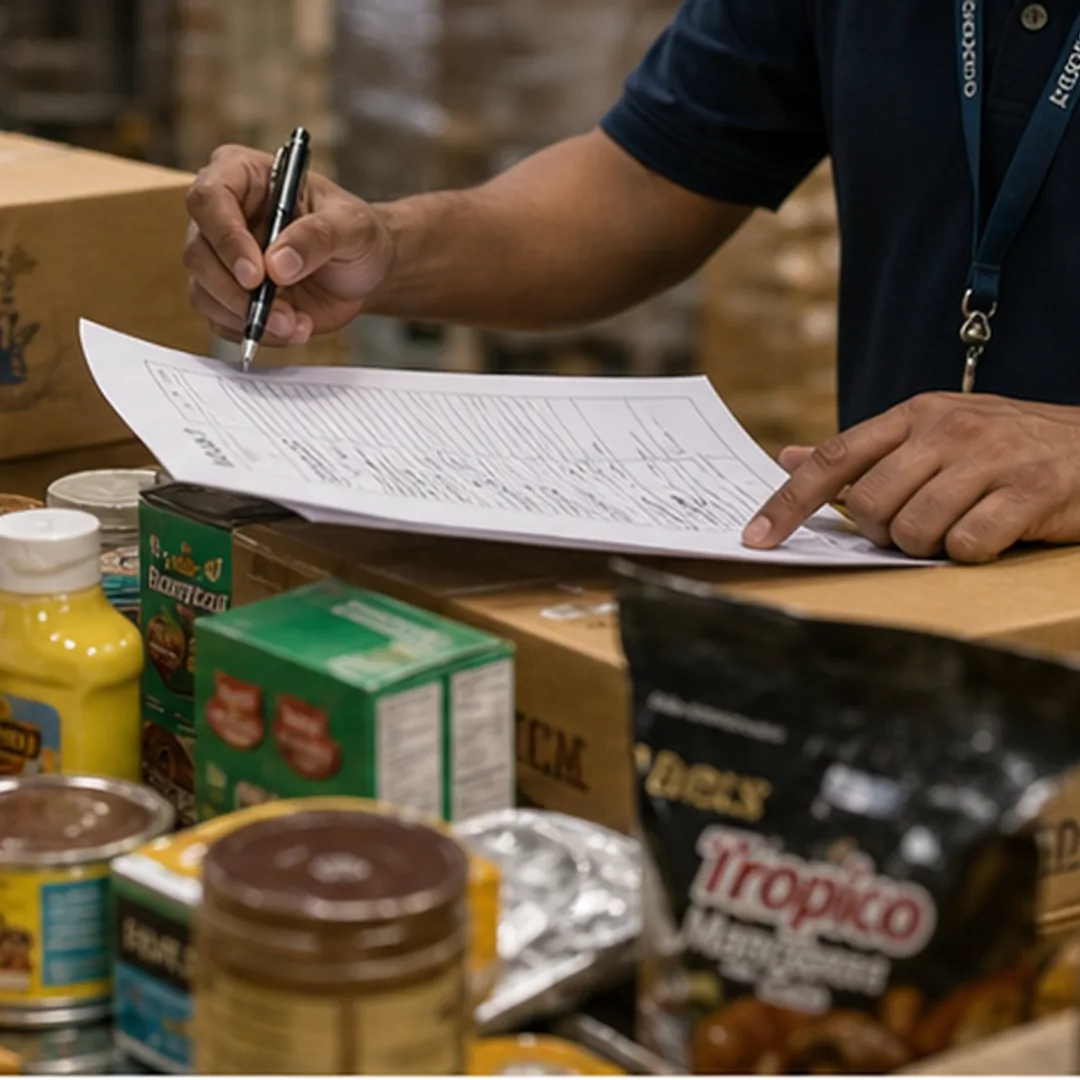
Each new market means a fresh compliance exercise. Product registration, certification, and labelling, including correct Arabic text and country-specific declarations, must be completed for each country before goods can clear. A label that is fully compliant in the UAE may still need adjustment to satisfy another country's standards or to carry the right importer details. Underestimating this work is a frequent cause of stalled launches and stranded stock.
The detail matters more than brands expect. Ingredient and nutrition declarations, shelf-life and date-marking conventions, halal certification requirements, and importer-of-record details can all differ between markets, and each difference is a potential hold at the border. Getting the artwork and documentation right before the first shipment is far cheaper than discovering a problem when a container is already in port.
Artwork management becomes a discipline in its own right once a brand operates across several markets. A single product may need multiple label versions, each with the correct country-specific declarations and importer details, and keeping these versions controlled, knowing which artwork is approved for which market and which revision is current, prevents the costly error of printing the wrong label for a shipment. As the portfolio and the market count grow, this quietly turns into one of the more important back-office capabilities, and it is one that a capable regional partner can carry on a brand's behalf rather than leaving the brand owner to juggle it alone.
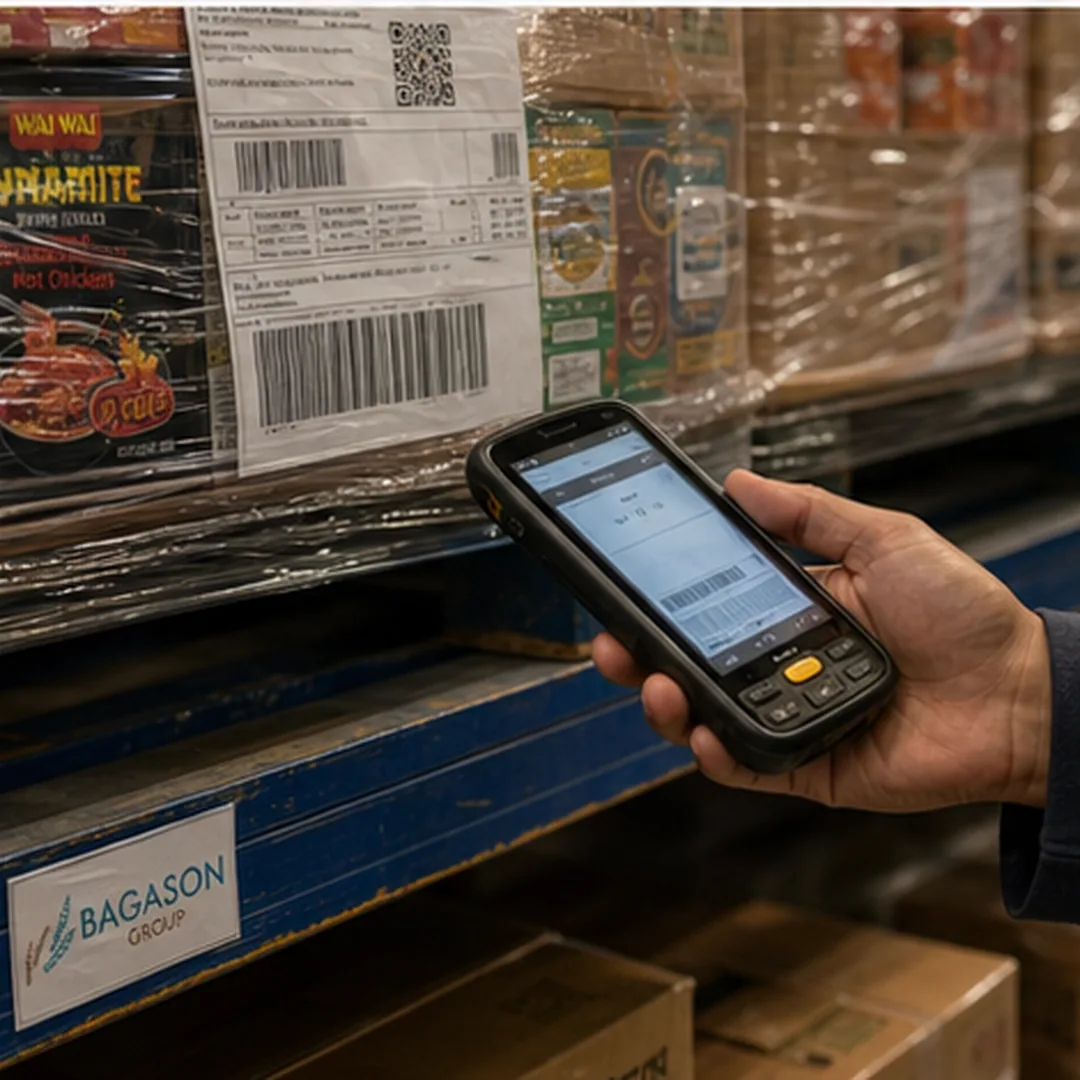
Cold chain and logistics add another layer. Moving chilled and frozen products across borders demands temperature integrity throughout, plus the customs documentation to back it up. In a region where summer temperatures regularly exceed 45°C, any break in the cold chain during transit or border delays can compromise an entire shipment. This is where robust gulf food distribution capability proves its worth: managing multi-country compliance, warehousing and cross-border movement is far harder to improvise than it looks, and the brands that plan it carefully avoid the delays that erode early momentum.
Building compliance into the timeline, not bolting it on
The brands that handle compliance well treat it as a workstream that runs in parallel from the very start of planning, not a hurdle to clear at the end. Registration in some markets can take months, and it cannot be compressed by wishing it were faster. That means the realistic sequence is to begin a market's registration and labelling work long before the first order is placed, so that approvals are in hand when commercial momentum arrives rather than becoming the bottleneck that stalls a launch. A useful discipline is to maintain a per-market compliance tracker, registration status, label version, certification, importer details, and to refuse to commit launch dates until each item is genuinely closed. This sounds bureaucratic, but it is precisely the discipline that separates smooth launches from stranded containers.
The hidden cost of getting it wrong
When compliance is underestimated, the costs cascade. Stock that cannot clear sits in bonded storage accruing charges, sometimes deteriorating if it is temperature-sensitive. A launch window negotiated with a retailer is missed, damaging the relationship and the brand's credibility with a buyer who may not offer a second slot. Marketing spend timed to the launch is wasted. And the team's attention is consumed by firefighting rather than building the next market. None of this appears on the optimistic version of an expansion plan, which is exactly why experienced operators build generous contingency into both the timeline and the budget for every new country.
Choosing the right partners
The single biggest lever in cross-border expansion is partner selection. A brand can try to replicate its own distribution in each new market, but that is slow, costly and exposed to local missteps. Partnering with distributors who understand each market's trade, hold the right registrations and have established retail relationships shortens the path enormously.
The depth of a partner's %the distribution capabilities that underpin every market% matters more as a brand spreads across borders, because consistency of execution becomes harder to maintain the further it travels from home. The strongest expansions rest on partners who can manage import, registration, warehousing, cold chain and store-level execution to the same standard across each market, so the brand experience stays consistent for shoppers wherever they encounter it.
What to look for in a regional partner
Not every distributor is equipped for cross-border consistency. The strongest candidates demonstrate a track record across multiple channels, modern trade, traditional trade, food service and quick commerce, rather than a single channel. The breadth of %the portfolio of brands we already manage across channels% a partner already manages is a useful signal: a distributor that successfully handles a diverse portfolio across channels has the systems and relationships that a new entrant can lean on. Equally telling is how a partner thinks about %how we approach long-term partnership%, whether it treats brands as transactions to be churned or as long-term relationships to be grown, because regional expansion is a multi-year commitment that rewards partners invested in the outcome.
Beyond track record, a few specific capabilities separate a genuine regional partner from a distributor that simply happens to operate in more than one country. Look for real warehousing and cold-chain infrastructure rather than outsourced arrangements that fray under pressure. Look for in-market regulatory knowledge and existing registrations, which can shave months off entry. Look for established relationships with the retailers and buyers that actually decide whether a product gets listed. And look for the systems and reporting that let a brand owner see what is happening on the ground, sell-through, stock levels, coverage, rather than relying on hope and occasional updates. A partner strong on all four turns expansion from a leap of faith into a managed process.
One partner or many?
A recurring decision is whether to appoint a single partner capable of covering multiple markets or to assemble a patchwork of specialists, one per country. Each approach has merits. A single multi-market partner offers consistency, one relationship to manage, one standard of execution, and shared systems, which makes the brand experience uniform and the brand owner's life simpler. A patchwork of local specialists can offer deeper individual-market expertise but multiplies the relationships to manage and the risk of inconsistency. For most brands prioritising consistency as they scale, a partner that can credibly cover several markets to a shared standard is the lower-risk path, provided that partner genuinely has the infrastructure in each country rather than just a flag on a map.
Adapting the product and proposition to each market
Expansion is rarely a matter of shipping the identical pack to a new border. Consumer preferences differ across the Gulf in ways that reward thoughtful adaptation: preferred pack sizes, flavour profiles, price points and even the formats that sell best can vary from one country to the next. A premium positioning that resonates in one market may need recalibrating in another where value sensitivity is sharper, and a hero product at home may play a supporting role elsewhere. The brands that travel well listen to each market rather than assuming their UAE proposition transfers wholesale.
Operational details compound these differences. Time zones across the region are not perfectly aligned, customs procedures and documentation requirements differ, and local trade structures, the balance between organised modern trade and traditional outlets, shift the emphasis of a route-to-market plan from country to country. A roadmap that treats these as variables to be planned for, rather than surprises to be absorbed, keeps each launch on schedule and on budget.
The balance between consistency and localisation
There is a genuine tension at the heart of regional expansion: a brand wants to stay recognisably itself everywhere, yet it must adapt enough to fit each market. The art is knowing which elements are core and which are flexible. The brand's identity, its quality promise, its visual signature and the experience it delivers should stay consistent across borders, because that consistency is the equity. Pack sizes, price tiers, the emphasis within a range, and the channels prioritised are the elements that can and often should flex to local reality. A brand that flexes its core loses its identity; a brand that refuses to flex anything fails to fit. The strongest expansions hold the core firm while adapting the periphery thoughtfully.
Protecting the brand as it scales
One of the quieter risks of cross-border growth is inconsistency. As a brand spreads, the gap between how it is presented in its home market and how it appears three borders away can widen, eroding the very equity that justified expansion. Maintaining consistent pricing logic, packaging standards, availability and merchandising across markets is harder than it sounds, and it depends on partners who execute to a shared standard. Defining what good looks like once, then holding every market to it, is what allows a brand to scale without diluting itself.
Pricing deserves particular care. When the same brand sells at noticeably different price points across neighbouring markets, the inconsistency can confuse shoppers, undermine positioning and, in extreme cases, encourage grey-market movement of stock between countries. A coherent regional pricing logic, one that accounts for local costs and value sensitivity while keeping the brand's positioning recognisable, protects both margin and reputation. This is exactly the kind of decision that benefits from a partner with a genuine view across multiple markets rather than a purely local lens.
Logistics, cold chain and the physical reality of the Gulf
Behind every successful regional launch sits an unglamorous logistics machine. Goods have to be imported, cleared, stored at the right temperature, transported across borders and delivered to stores in good condition, often over long distances and through more than one customs regime. The UAE's position and infrastructure make it a natural hub for this, but using it well requires warehousing, fleet, cold-chain assets and the documentation discipline to move stock smoothly between countries.
For chilled and frozen ranges in particular, the physical reality of the Gulf climate is unforgiving. Temperature integrity has to be maintained end to end, and border delays that would be a minor inconvenience for ambient goods can ruin a temperature-sensitive shipment. Brands that build their roadmap around proven cold-chain and cross-border logistics, rather than treating them as something to sort out later, protect both their product and their reputation as they grow.
The UAE as a regional hub
One of the most valuable assets a UAE-based brand brings to GCC expansion is the home market itself as a logistics and operational hub. The country's infrastructure, connectivity and concentration of trade expertise make it a natural base from which to coordinate a regional rollout, hold buffer stock, consolidate shipments and manage the documentation flow across borders. Rather than treating each market as an isolated supply problem, a brand can run a hub-and-spoke model where the UAE base anchors the operation and feeds the surrounding markets in a coordinated way. This does not remove the need for in-market partners and registration, but it does give the whole programme a centre of gravity and a single place where standards are set and held.
Planning for the unglamorous middle
Expansion conversations tend to focus on the exciting ends, choosing markets and winning listings, and skip the unglamorous middle where most launches actually succeed or fail. That middle is the documentation, the temperature logs, the customs paperwork, the reorder cadence, the stock-level reporting and the dull discipline of keeping product available and fresh week after week. It is rarely discussed in strategy decks, yet it is precisely where a roadmap proves its worth. A brand that has planned this middle in detail, who clears stock, who stores it, who replenishes it, who reports on it, enters each market with confidence; a brand that has not finds itself improvising under pressure, which is where errors and waste accumulate.
Building a roadmap that scales
A practical GCC roadmap brings these elements together into a phased plan: choose the first market deliberately, complete its compliance properly, secure the right partner, prove the model, then move to the next market with the lessons of the first applied. Expansion handled this way compounds, each market making the next one easier, rather than spreading resources thin across too many fronts at once.
It is also worth budgeting realistically for the time and cost each new market demands. Registration timelines, the lead time to appoint and brief a partner, and the investment needed to establish presence on shelf all mean that a new country rarely contributes meaningfully in its first months. Many of these practicalities come up repeatedly, and reviewing %the questions partners most often ask us% from brands that have made the move can set expectations before the first shipment leaves. Brands that plan accordingly, treating each market as an investment that matures rather than an instant revenue stream, avoid the disappointment and premature retreat that derail many regional pushes.
Phasing investment to match returns
A disciplined roadmap also phases capital to match the rhythm of returns. Because each market takes time to register, stock and build to scale, pouring full investment into a country on day one ties up capital that will not work hard until the market matures. A wiser pattern is to invest enough to enter properly and prove the model, then scale investment in step with evidence that the market is responding, more stock, wider coverage, additional lines, as sell-through justifies it. This staged approach keeps capital efficient, limits the cost of any single market disappointing, and lets the successes fund the next wave of expansion rather than stretching the balance sheet thin across many unproven fronts at once.
Common pitfalls to avoid
The mistakes that undo regional expansion tend to repeat. Assuming the GCC is one market and reusing the UAE plan unchanged is the most common. Underestimating per-country registration and labelling work is a close second, and it is the one that most often strands stock at the border. Entering too many markets at once, before any single one is proven, spreads attention and capital too thin. Choosing a partner on price rather than capability, and neglecting the cold chain on the assumption that the climate will be forgiving, round out the list. Each of these is avoidable with a disciplined, phased approach.
Turning UAE success into regional scale
The Gulf rewards brands that combine ambition with discipline. Those that respect each market's differences, sequence their entry sensibly, take compliance seriously and choose partners who can execute consistently are the ones that turn UAE success into genuine regional scale. The home market is a genuine advantage, both as a proving ground and as a logistics hub, but it is a starting line, not a finish line.
The future outlook for Gulf expansion
The conditions for regional brand-building in the Gulf are arguably more favourable than ever. The markets are young, urbanised and connected; modern trade and quick commerce continue to grow; and the appetite for imported and premium food remains strong across the region. At the same time, regulatory frameworks are maturing and, in many categories, gradually harmonising, which over time should reduce some of the per-country friction that makes expansion hard today. None of this makes expansion easy, but it does mean that a brand investing in disciplined regional infrastructure now is building for a region that is becoming steadily more accessible to those who do it properly.
The brands that will win this opportunity are not necessarily the biggest or the best-funded. They are the ones that treat the Gulf with the respect of a multi-market region rather than the convenience of a single block, that sequence their entry with discipline, that take compliance and cold chain seriously from the first planning session, and that choose partners able to execute consistently across borders. Ambition opens the door; discipline is what carries a brand through it.
It is also worth remembering that regional scale, once achieved, becomes self-reinforcing. A brand present and well-executed across several Gulf markets earns a reputation with regional retail groups that operate across borders, opening conversations that a single-market brand cannot have. Shared marketing, regional buying relationships and the credibility of genuine multi-market presence all compound, so the effort invested in getting the early markets right pays back not just in those markets but in the easier path it creates for the next ones. The hardest expansion is usually the second market; by the fourth, a disciplined brand has built a repeatable playbook that turns each new entry into a process rather than a gamble.
Bringing the roadmap together
A successful move from the UAE into the wider GCC is less a single bold leap and more a series of well-planned steps, each building on the last. Respect each market's individuality, choose your sequence deliberately, treat compliance and labelling as a parallel workstream rather than a final hurdle, protect the cold chain end to end, and select partners who execute to a shared standard wherever the brand travels. Hold the brand's core firm while adapting its periphery to local reality, and budget honestly for the time and cost each new country demands before it contributes.
If you are mapping out where to take your brand next, it is worth taking time to %talk to us about your regional expansion plans% so each phase is built on solid foundations rather than optimistic assumptions. A roadmap built market by market, with compliance, logistics and partnership planned rather than improvised, is what allows a brand to grow across the Gulf while keeping the discipline that made it successful at home.
Frequently Asked Questions
Can I use my UAE plan directly in other GCC countries?
Not without adaptation. Each Gulf country has its own registration process, labelling expectations, retail structure and consumer preferences, so a UAE-compliant product often needs adjustments. The GCC operates a shared customs and standards framework that lowers friction, but registration is still administered country by country and execution differs. The shared language and culture make the region feel seamless, while the operational reality requires country-by-country planning.
Which GCC countries make up the region?
The GCC comprises six countries: the UAE, Saudi Arabia, Qatar, Kuwait, Bahrain and Oman. They cooperate closely through a common market framework and harmonised standards in many categories, but each retains its own registration administration, importer requirements and local enforcement. A brand should plan for six related but distinct markets rather than one uniform block.
Which GCC market should I enter first?
There is no single correct order. Saudi Arabia's scale makes it the strategic prize but also the most involved to enter, so some brands build momentum in smaller, more accessible markets first while others prioritise Saudi for the volume. Score each candidate on opportunity, ease of entry, existing advantage and cost to serve, then choose the sequence that matches your capabilities and capital.
What is the biggest hidden cost of GCC expansion?
Underestimating per-country compliance and labelling work is a frequent and costly mistake. Each market needs its own product registration, certification and country-specific labelling, and skipping this planning often leads to stalled launches and stranded stock at the border. Getting artwork and documentation right before the first shipment is far cheaper than fixing a problem once a container is already in port.
How different are labelling requirements between Gulf countries?
They overlap but are not identical. Correct Arabic text is required throughout, but ingredient and nutrition declarations, shelf-life and date-marking conventions, halal certification and importer-of-record details can differ between markets. A label that clears in the UAE may still need adjustment elsewhere. Treating each country's labelling as a separate exercise, even within a harmonised framework, avoids border holds.
Why are local partners so important for cross-border growth?
Replicating your own distribution in each new market is slow, costly and exposed to local missteps. Partners who understand each market's trade, hold the right registrations and have established retail relationships shorten the path considerably and help keep execution consistent as the brand spreads. The right partner manages import, registration, warehousing, cold chain and store execution to a shared standard across markets.
What should I look for when choosing a regional partner?
Look for a track record across multiple channels rather than a single one, the systems to manage a diverse portfolio, and a genuine commitment to long-term partnership rather than transactional churn. A distributor that already handles many brands across modern trade, traditional trade, food service and quick commerce has the relationships and discipline a new entrant can lean on, which matters more the further a brand travels from home.
How important is the cold chain in GCC expansion?
It is critical for chilled and frozen ranges. Summer temperatures in the Gulf regularly exceed 45°C, so any break in temperature integrity during transit or border delays can compromise an entire shipment. Cross-border logistics must maintain the cold chain end to end and carry the documentation to back it up. Building the roadmap around proven cold-chain capability, rather than treating it as an afterthought, protects both product and reputation.
How long before a new GCC market starts contributing?
Usually longer than brands hope. Registration timelines, the lead time to appoint and brief a partner, and the investment to establish shelf presence all mean a new country rarely contributes meaningfully in its first months. Treat each market as an investment that matures over time rather than an instant revenue stream, and set expectations accordingly to avoid premature retreat.
What are the most common mistakes in GCC expansion?
The recurring errors are assuming the GCC is one market and reusing the UAE plan unchanged, underestimating per-country registration and labelling work, entering too many markets at once before any is proven, choosing a partner on price rather than capability, and neglecting the cold chain on the assumption the climate will be forgiving. Each is avoidable with a disciplined, phased, country-by-country approach.