How FMCG Distribution Actually Works in the UAE
The United Arab Emirates sits at the crossroads of global trade, making it one of the most dynamic markets for fast-moving consumer goods in the world. With a population exceeding 10 million people drawn from over 200 nationalities, the demand for diverse food, beverage and household products is immense — and growing every year.
But getting a product from a manufacturer's warehouse to a consumer's hands is far more complex than it appears. This guide breaks down how FMCG distribution operates in the UAE, what the major channels look like and what brands and retailers should understand before entering or expanding in this market.
What Does an FMCG Distributor Actually Do?
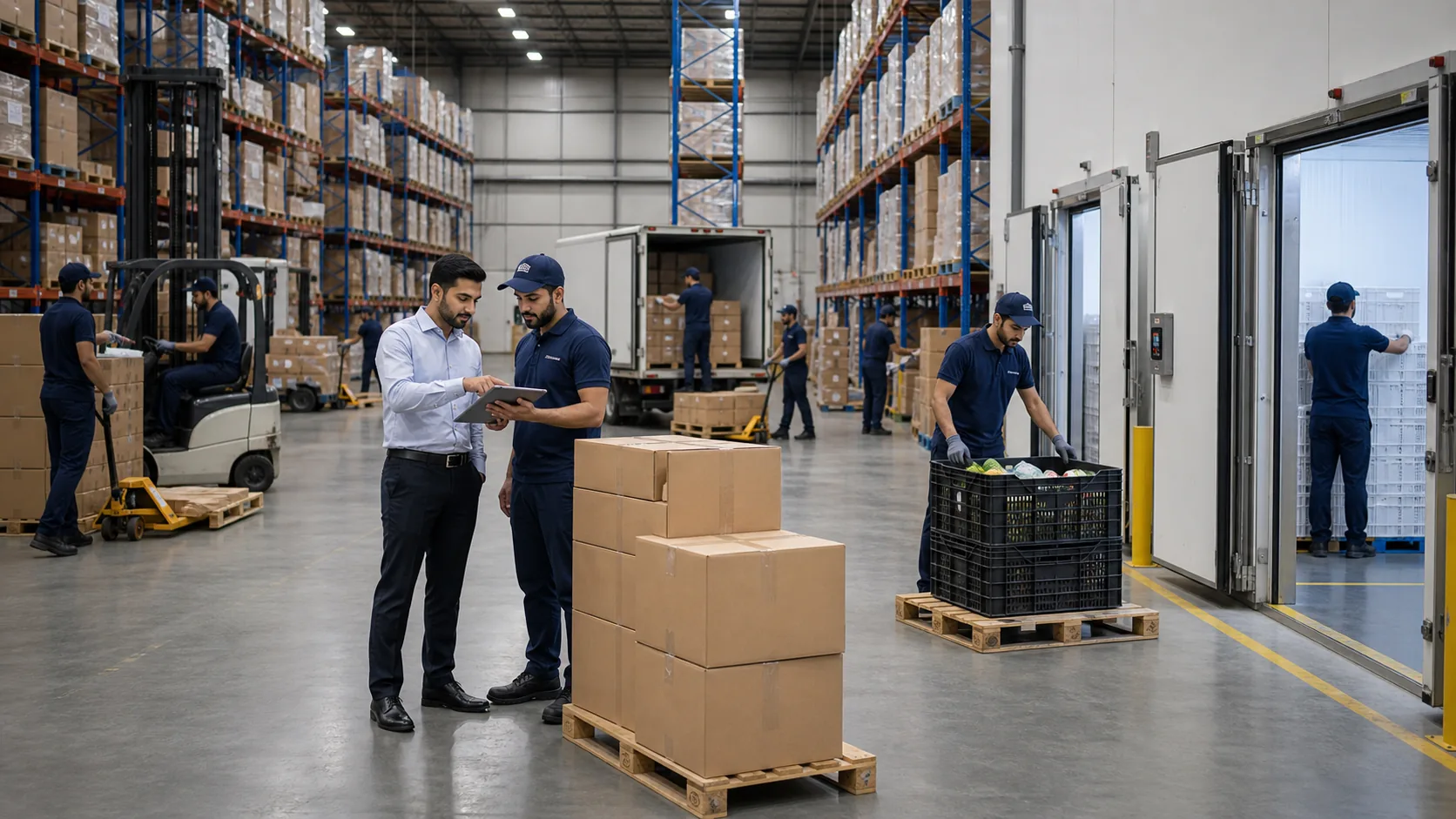
A distributor in the UAE is not simply a logistics company that moves boxes. A capable FMCG distribution partner handles the entire journey between a brand's factory gate and the retail shelf. This includes importing and customs clearance, warehousing in temperature-appropriate facilities, inventory management across hundreds of SKUs, sales representation across thousands of retail touchpoints, delivery through a dedicated fleet and trade marketing to ensure products are visible where they matter most.
In the UAE specifically, distributors also navigate the regulatory landscape — handling product registration with municipalities, ensuring Arabic labelling compliance and managing halal certification where required. For international brands entering the market, a distributor essentially becomes their local business presence.
The Key Distribution Channels in the UAE
Understanding the channel mix is essential because each one operates differently and requires a different approach.
Modern trade includes hypermarkets and supermarket chains such as Lulu, Carrefour* and Choithrams*. These accounts are managed through key account managers who negotiate listings, promotions and shelf placement. Modern trade typically represents the largest volume per outlet but involves tighter margins and longer payment cycles.
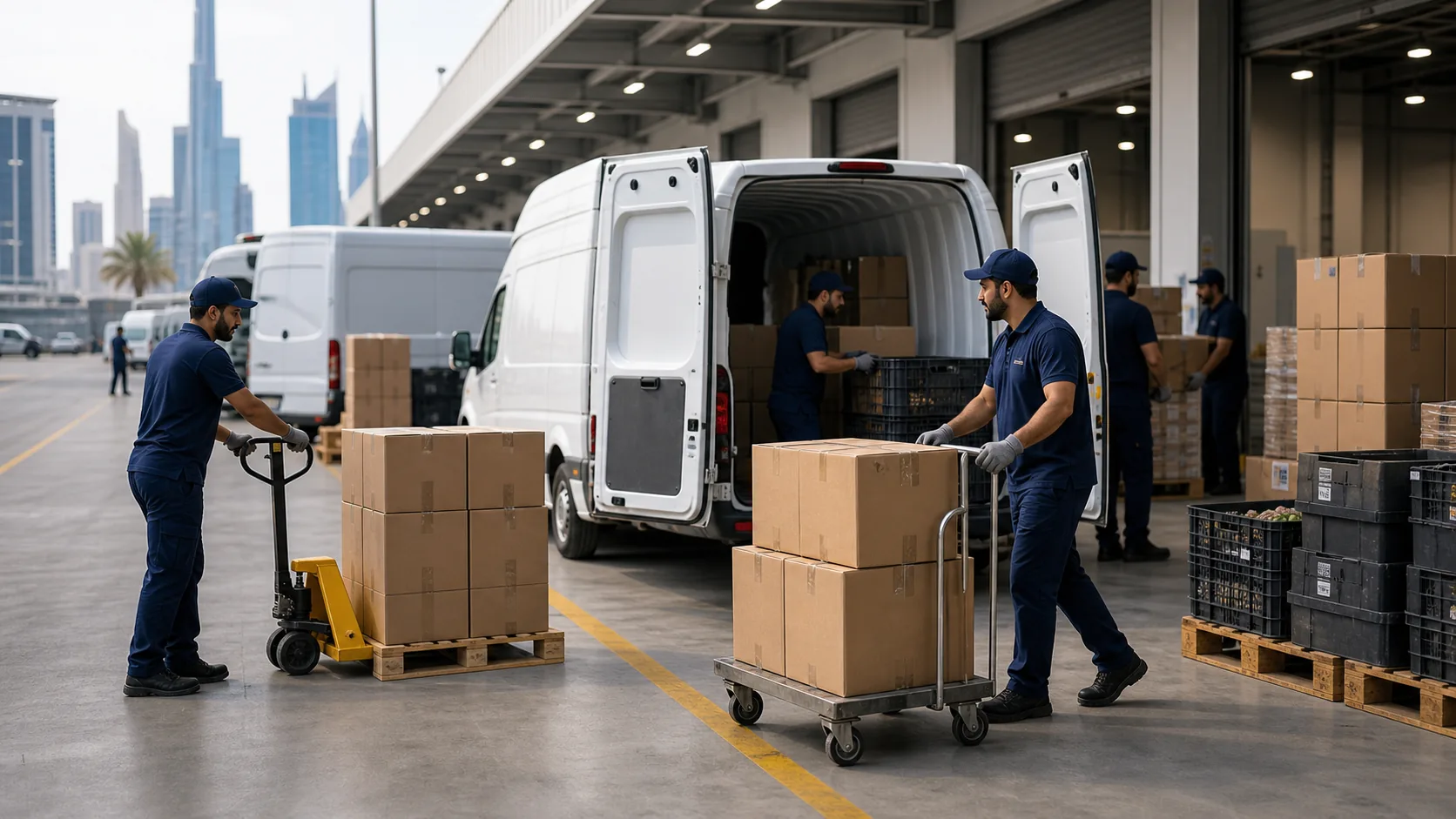
Traditional trade encompasses the thousands of independent groceries, baqalas and neighbourhood shops that remain the backbone of daily shopping in the UAE. Reaching these outlets requires a van sales operation — mobile sales teams who visit stores on fixed routes, take orders on the spot and deliver from the vehicle. At Bagason Group, our van sales fleet covers over 8,000 retail outlets across the emirates through exactly this model.
HORECA — hotels, restaurants and catering — is a distinct channel with its own ordering patterns, pack sizes and delivery requirements. Dubai's hospitality sector alone operates thousands of food service outlets, each with specific needs that differ significantly from retail distribution.
E-commerce has grown rapidly since 2020, with platforms like Noon*, Amazon.ae* and Talabat* Mart creating new distribution pathways. Distributors increasingly fulfil orders for online platforms, adding another layer to the supply chain.
Why Warehousing and Logistics Are Make-or-Break
The UAE's climate creates unique challenges for FMCG storage. Summer temperatures regularly exceed 45°C, which means any break in the cold chain — even a brief one during loading — can compromise product quality. Distributors need ambient warehousing for dry goods, chilled storage for dairy and fresh products and frozen capacity for ice cream, meat and frozen meals.
Beyond temperature, warehouse management systems (WMS) have become essential for tracking expiry dates, managing FIFO rotation and maintaining the kind of inventory accuracy that modern retail demands. A well-run FMCG warehouse in the UAE operates with batch-level traceability and real-time stock visibility — which is why our operations run on a fully integrated ERP system managing over 700 product lines.
What Brands Should Look for in a UAE Distribution Partner
Not all distributors are equal and the right fit depends on your product category, target channels and growth ambitions. Key considerations include geographic coverage (does the distributor reach all seven emirates or just Dubai?), channel expertise (a distributor strong in modern trade may not have the van sales infrastructure for traditional trade), warehouse capacity and certifications (HACCP compliance, temperature monitoring), technology and reporting (can you see real-time sales data?) and portfolio compatibility (is there conflict with competing brands?).
The best partnerships are built on transparency and aligned incentives. A distributor who is genuinely invested in your brand will assign dedicated sales resources, provide market feedback and work with you on promotional calendars — not simply warehouse your stock and wait for orders.
The Scale of the UAE FMCG Market
The UAE's FMCG sector is valued in the billions and continues to grow, driven by population growth, tourism and the country's position as a re-export hub for the wider GCC and beyond. Key demand drivers include the country's young, diverse population with high disposable income, a hospitality sector that serves millions of tourists annually and the UAE's role as a gateway market for brands targeting Saudi Arabia, Oman and East Africa.
For brands considering the UAE, the market is both accessible and competitive. Having a distribution partner with established retail relationships, proven logistics and local market knowledge is not optional — it is the difference between a product that sits in a warehouse and one that reaches consumers.
Frequently Asked Questions
Q: What is the typical cost structure for FMCG distribution in the UAE?
A: Most UAE distributors work on a margin-based model where they purchase stock from the brand at a landed cost and sell to retailers at a mark-up. Margins typically range from 15% to 30% depending on the product category, volume and level of sales support required. Some distributors also charge listing fees for securing shelf space in modern trade outlets.
Q: How long does it take to set up distribution in the UAE for a new brand?
A: From signing a distribution agreement to having products on shelves, the process typically takes 8 to 16 weeks. This includes product registration, label compliance checks, initial stock shipment, warehouse receiving and the first round of retail listings. Brands with existing GCC approvals can move faster.
Q: Can a single distributor cover the entire UAE and GCC?
A: Some distributors operate across multiple GCC countries, but it is common to work with a UAE-based distributor who also handles re-export to neighbouring markets. Bagason Group's network covers the UAE comprehensively and supports export to other GCC markets through our established logistics infrastructure.
Sources and References
This article draws on publicly available government data, industry body reports, and Bagason Group operational experience. All figures are estimates and should be treated as directional.
- UAE Ministry of Economy — National economic indicators and trade data
- Dubai Chambers — Dubai Economic Report
- UAE Federal Competitiveness and Statistics Centre (FCSA) — Consumer spending and trade statistics
- Gulfood — Industry Insights and Market Reports
- UAE Ministry of Human Resources (MOHRE) — Labour and workplace regulations
- Bagason Group — Internal distribution operations and market coverage data