What Actually Makes a Food Distributor a Market Leader in the UAE?
The UAE is home to dozens of food distribution companies, from family-run trading firms established decades ago to modern, technology-driven operations. When brands and retailers talk about "top distributors," they are rarely referring simply to the largest companies by revenue. True market leadership in UAE food distribution is defined by the ability to consistently get the right products to the right outlets, at the right time, without quality compromises.
This article examines the characteristics that distinguish leading food distributors in the UAE from the rest of the field — and what those differences mean for brands choosing a partner.
Depth of Retail Coverage, Not Just Breadth
Many distributors claim to "cover the UAE," but coverage means different things to different companies. A distributor may have accounts with the major hypermarket chains but no presence in the independent grocery channel — which accounts for a significant portion of daily FMCG purchases, particularly among the UAE's large expatriate communities.
The distributors that consistently outperform are those with genuine multi-channel depth. They service Carrefour* and Lulu, but they also have van sales teams visiting thousands of neighbourhood shops on weekly routes. They supply five-star hotel kitchens and they service the small cafeterias in industrial areas. At Bagason Group, this multi-channel philosophy means our 700+ products reach over 8,000 retail touchpoints through a combination of key account management, van sales routes, and dedicated HORECA servicing.
Integrated Technology as a Competitive Advantage
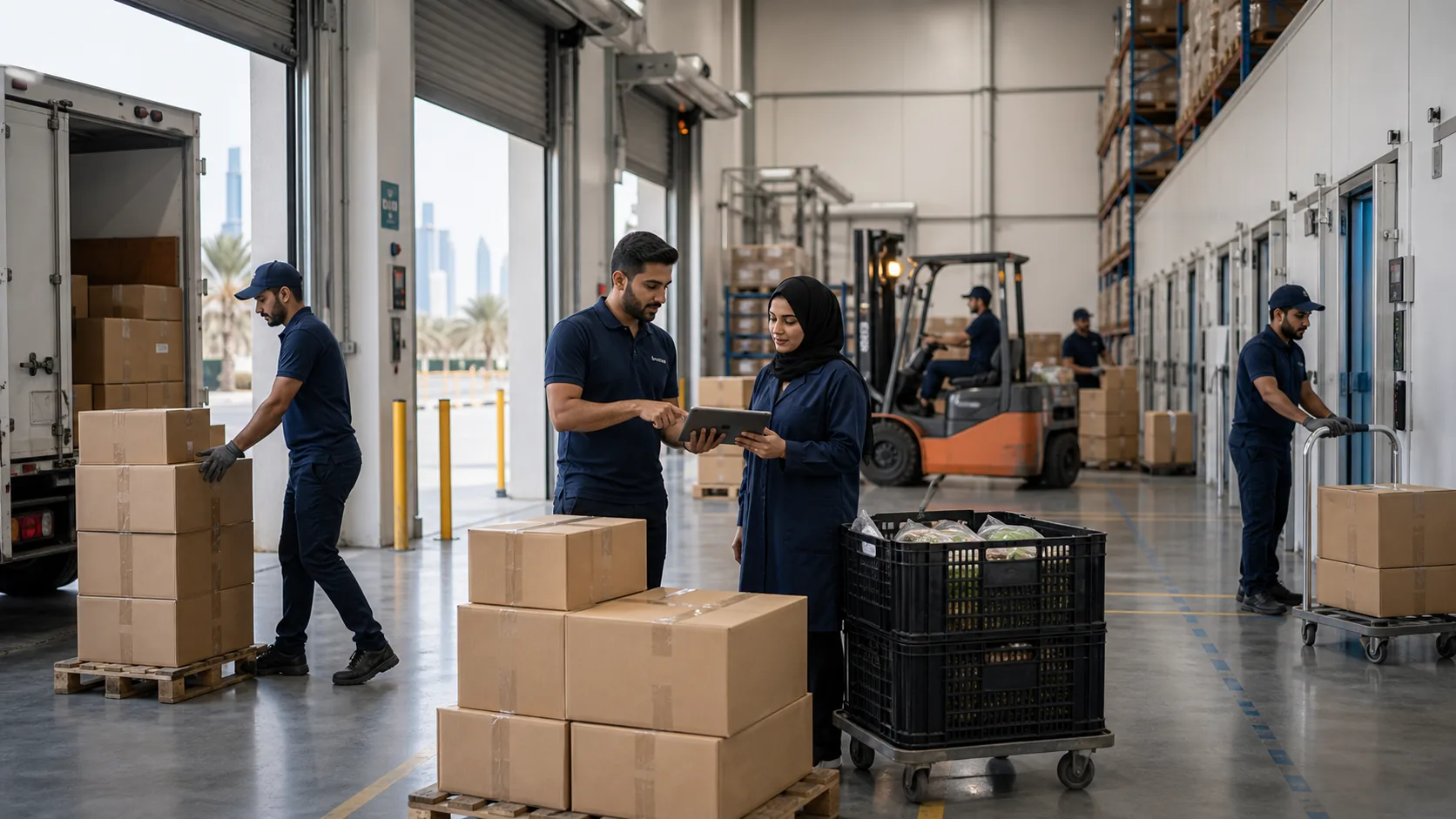
The gap between technology-forward distributors and those still running on legacy systems has never been wider. Leading operations use integrated ERP platforms that connect warehouse management, sales force automation, delivery tracking, and financial reporting into a single system. This integration matters because it enables real-time inventory accuracy across thousands of SKUs, automated reorder points that prevent stockouts, instant sales reporting that brands can access for decision-making, and route optimisation that reduces delivery costs and improves service frequency.
Distributors without this level of integration inevitably suffer from data lag — they might not know a product is out of stock at their warehouse until a salesperson reports it from the field, by which time retailers have already noticed empty shelves.
The Warehouse Infrastructure Test
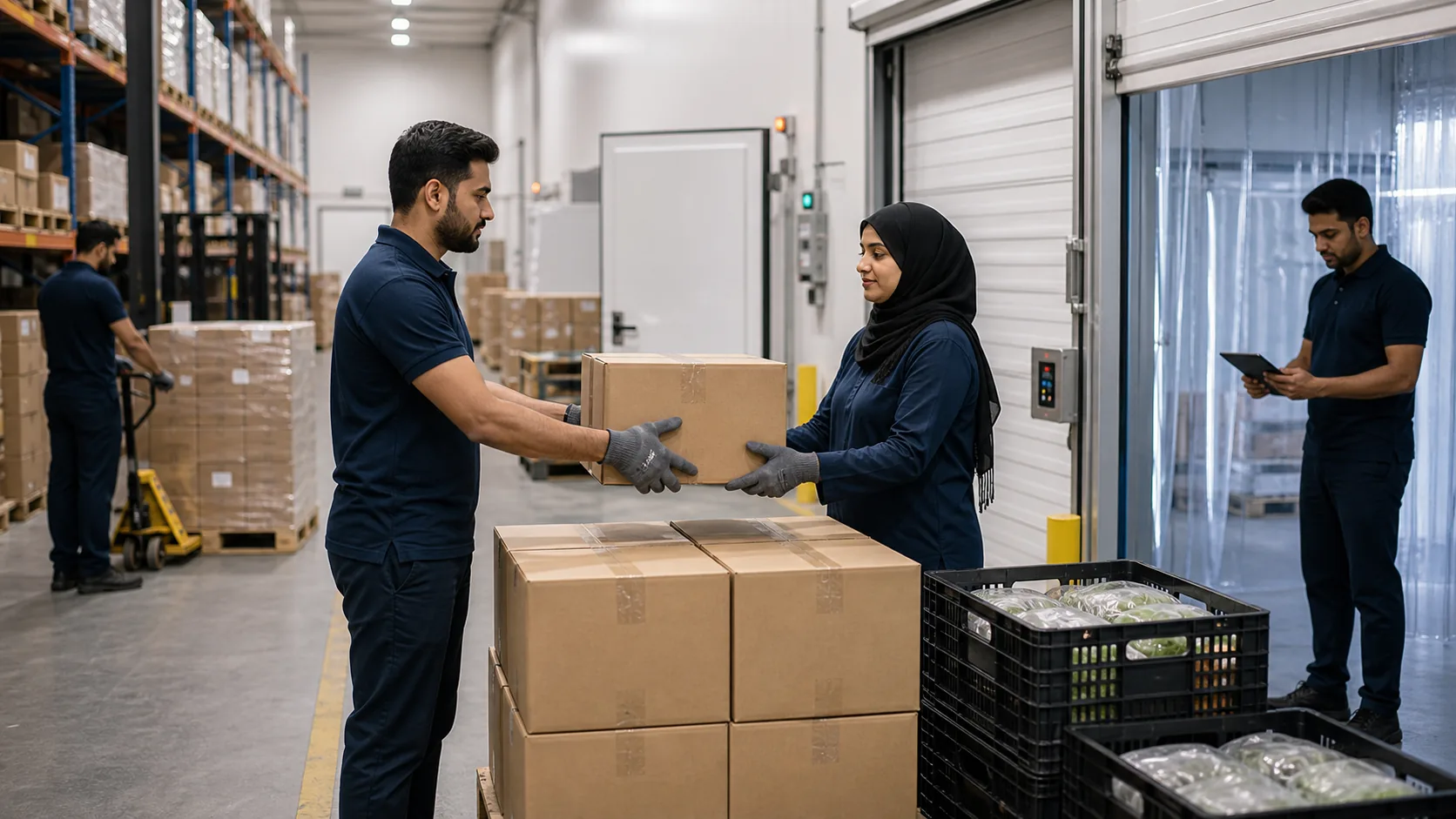
In the UAE's extreme climate, warehouse quality directly impacts product quality. The best food distributors maintain facilities with multi-temperature zones ranging from ambient to deep-freeze, HACCP-certified handling procedures, pest management programs with third-party auditing, adequate pallet capacity to handle seasonal demand fluctuations, and batch-level traceability for recall management.
A practical indicator of warehouse quality is pallet capacity relative to SKU count. A distributor managing 500+ product lines needs significant warehousing — anything less than several thousand pallet positions suggests they are cutting corners on stock holding or rotation.
The People Behind the Brand
Technology and infrastructure are essential, but distribution ultimately runs on people. The companies that earn the "top distributor" label typically have lower staff turnover, higher average tenure, and invest more in training. Their sales teams understand not just order-taking but category management, planogram compliance, and promotional execution.
For brands evaluating distributors, a simple but revealing question is: "How long has your longest-serving salesperson been with the company?" The answer tells you a lot about company culture and employee satisfaction — both of which directly affect how well your brand is represented in the market.
Financial Stability and Payment Reliability
A less glamorous but critically important factor is the distributor's financial health. Cash flow challenges are common in distribution, where companies must pay suppliers before collecting from retailers. Leading distributors have the balance sheet strength to maintain consistent purchasing even during slow periods, honour payment terms with their brand principals, invest in growth without compromising existing operations, and weather seasonal fluctuations without stock-outs.
If you are looking for a distribution partner in the UAE that combines deep retail coverage, modern technology, and operational reliability, explore the brands we currently serve and judge our capabilities by the company we keep.
Frequently Asked Questions
Q: How many food distribution companies operate in the UAE?
A: The UAE has hundreds of registered food trading and distribution companies, ranging from large multinational operations to small niche importers. However, the number of distributors with the infrastructure to provide genuine national coverage across all channels is considerably smaller — typically a few dozen companies with the warehouse capacity, fleet, and sales teams required for full-scale distribution.
Q: What certifications should a food distributor in the UAE hold?
A: At minimum, a reputable food distributor should hold HACCP certification for food safety management. ISO 9001 certification for quality management systems is also common among leading distributors. Beyond certifications, Dubai Municipality trade licences and food import permits are legal requirements for any company handling food products.
Q: Do top UAE food distributors handle both food and non-food FMCG?
A: Many leading distributors handle both food and non-food categories, including personal care, household cleaning, and health products. The operational infrastructure — warehousing, fleet, sales teams, retail relationships — translates well across categories. The key difference is that food products require stricter temperature controls and expiry date management.
Sources and References
This article draws on publicly available government data, industry body reports, and Bagason Group operational experience. All figures are estimates and should be treated as directional.
- UAE Ministry of Economy — National economic indicators and trade data
- Dubai Chambers — Dubai Economic Report
- UAE Federal Competitiveness and Statistics Centre (FCSA) — Consumer spending and trade statistics
- Gulfood — Industry Insights and Market Reports
- UAE Ministry of Human Resources (MOHRE) — Labour and workplace regulations
- Bagason Group — Internal distribution operations and market coverage data