Why Indian Food Products Are Booming in the UAE
The UAE is home to approximately 3.5 million Indian nationals — making it the largest expatriate community in the country by a significant margin. This population does not just create demand; it creates an entire ecosystem of food preferences, shopping habits, and brand loyalties that shape the FMCG landscape in ways that are unique to the Gulf.
But the story of Indian food products in the UAE goes beyond serving the Indian community. Indian snacks, spices, and pantry staples have crossed over into mainstream consumption, appearing in hypermarkets alongside global brands and finding fans among Arab, Filipino, and Western consumers alike.
The Product Categories Driving Growth
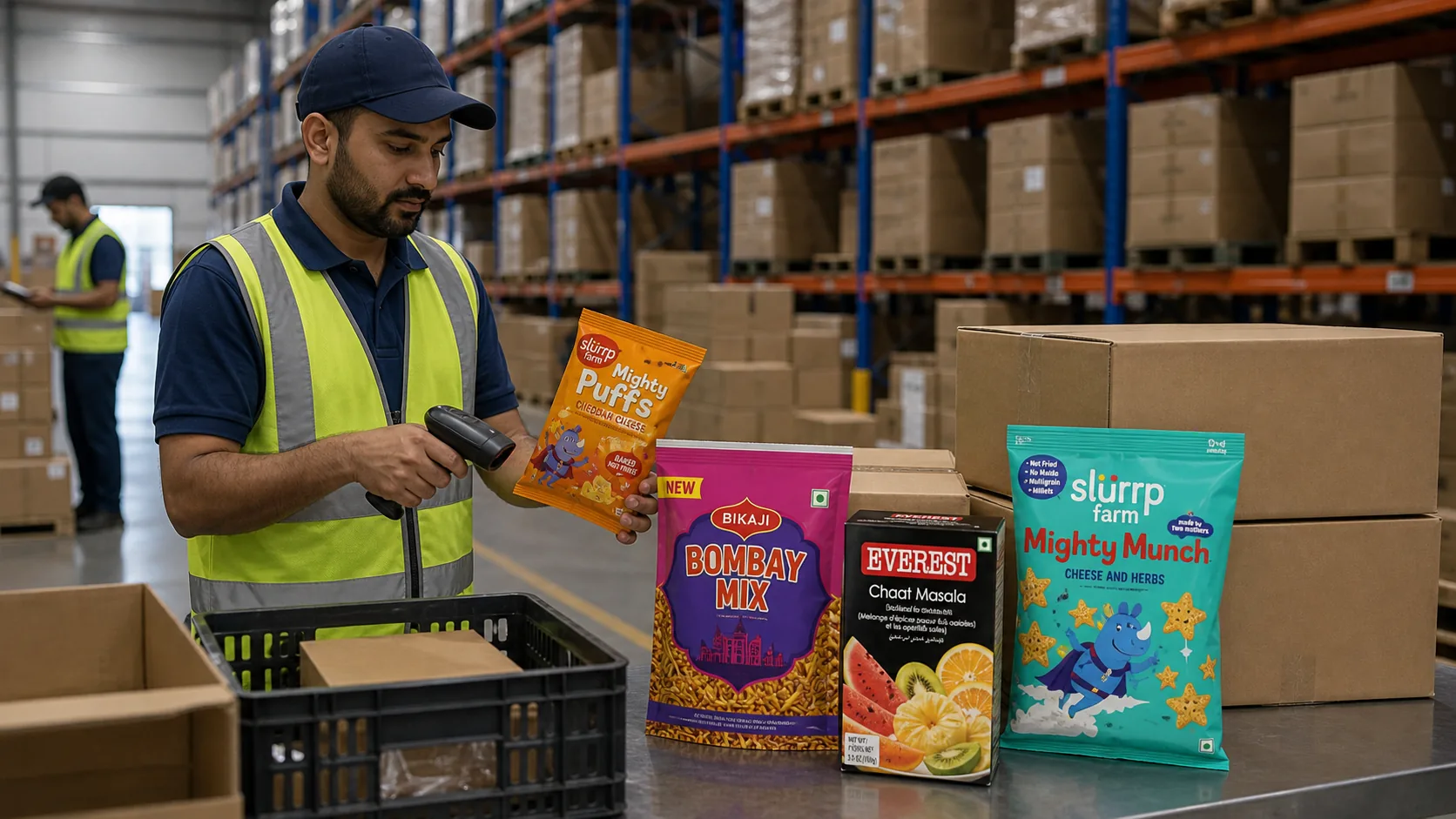
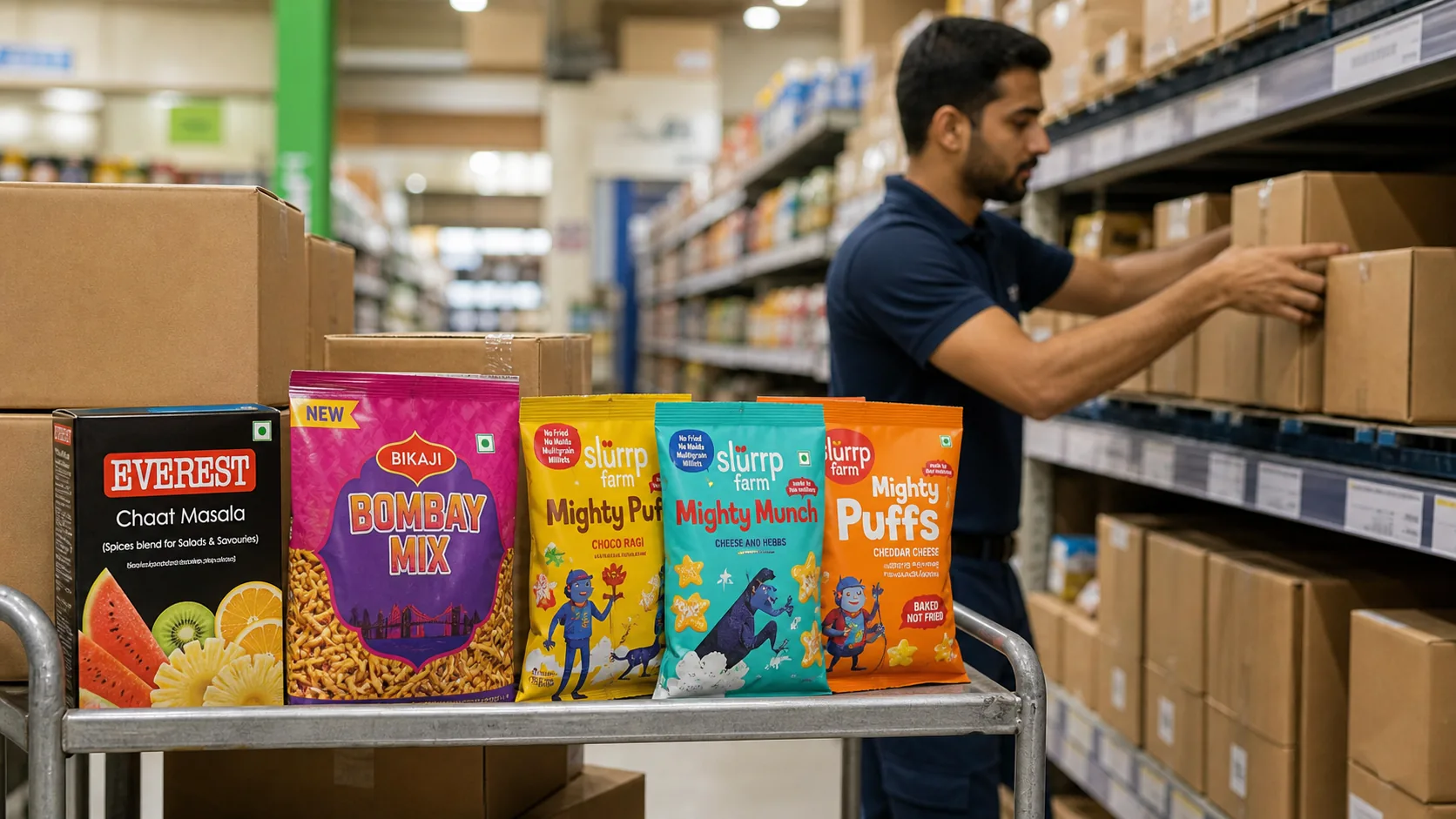
Several Indian food categories are experiencing strong and sustained growth in the UAE. Snacks — namkeen, bhujia, chips, and savoury mixtures from brands like Bikaji, Haldiram's, and Balaji — have become a fixture not just in ethnic groceries but in modern trade chains. These products appeal across communities because they offer flavour profiles and textures that simply do not exist in Western snack categories.
Spices remain the foundational category. Brands like Everest Spices — distributed in the UAE by Bagason Group — serve the daily cooking needs of millions of households. The breadth of the spice category is enormous: individual spice powders, blended masalas, whole spices, curry pastes, and ready-to-use spice mixes each have dedicated consumer followings.
Ready-to-eat meals and instant foods — from MTR-style ready meals to Wai Wai noodles and Slurrp Farm health snacks — are growing as convenience-seeking consumers look for quick, flavourful meal solutions. Tea brands such as Girnar serve a market where chai is not just a beverage but a cultural staple consumed multiple times daily.
Distribution Challenges for Indian Food Products
Distributing Indian food products in the UAE involves navigating specific challenges. Product variety is enormous — a single spice brand may have 50 or more individual SKUs. Price sensitivity is high in the traditional trade channel where most Indian groceries are sold. Shelf life management is critical as many products are imported from India with transit times that consume shelf life. And seasonal demand patterns — tied to Diwali, Holi, and other festivals — create demand spikes that require advance planning.
The distribution model that works best for Indian food products combines strong van sales coverage in traditional trade areas (Deira, Karama, Sharjah, Ajman) with growing modern trade listings as these categories gain mainstream shelf space.
The Mainstream Crossover Opportunity
The most exciting trend is the crossover of Indian flavours into mainstream UAE consumption. Supermarket chains now stock Indian products in their international food aisles, not just tucked away in an ethnic section. Food influencers and social media have introduced Indian snacks and spices to audiences who might never have tried them otherwise. And the UAE's multicultural dining scene — where Indian restaurants rank among the most popular cuisines — creates familiarity that drives retail purchase.
For brands in the Indian food space, the UAE represents both a massive diaspora market and a gateway to broader Middle Eastern and African consumer exposure. At Bagason Group, Indian food products form a core part of our portfolio, and our deep understanding of this category's distribution needs — from the baqalas of Deira to the hypermarkets of Abu Dhabi — is a key part of what we offer our brand partners.
Looking to distribute Indian food products in the UAE? Let us discuss how our network can put your brand in front of the right consumers.
Frequently Asked Questions
Q: How large is the market for Indian food products in the UAE?
A: With approximately 3.5 million Indian nationals in the UAE plus significant demand from other South Asian communities and crossover consumers, Indian food products represent one of the largest ethnic food categories in the country, with estimated annual retail sales in the hundreds of millions of dirhams.
Q: Where do Indian food products sell best in the UAE?
A: Traditional trade outlets in areas with high Indian and South Asian populations — Deira, Bur Dubai, Karama, Sharjah, and Ajman — remain the strongest channels. However, modern trade listings are growing rapidly as hypermarkets expand their international food sections.
Q: What are the labelling requirements for Indian food products sold in the UAE?
A: Indian food products must comply with the same UAE labelling requirements as any imported food: Arabic text, nutritional information, ingredient lists, allergen declarations, and expiry dates conforming to GSO standards. Many Indian manufacturers now produce Gulf-specific label variants for their export lines.
Sources and References
This article draws on publicly available government data, industry body reports, and Bagason Group operational experience. All figures are estimates and should be treated as directional.
- UAE Ministry of Economy — National economic indicators and trade data
- Dubai Chambers — Dubai Economic Report
- UAE Federal Competitiveness and Statistics Centre (FCSA) — Consumer spending and trade statistics
- Gulfood — Industry Insights and Market Reports
- UAE Ministry of Human Resources (MOHRE) — Labour and workplace regulations
- Bagason Group — Internal distribution operations and market coverage data