Finding the Right Distribution Partner in Dubai: What Actually Matters
If you are a brand looking to enter or expand in the Dubai market, choosing the right FMCG distributor is arguably the single most important business decision you will make. The wrong partner means your products collect dust in a warehouse. The right one means they reach the shelves that matter, at the right price, with the right visibility.
Having worked with dozens of international and regional brands at Bagason Group, we have seen what makes partnerships succeed — and what causes them to fail. This guide walks through the practical evaluation criteria that separate capable distributors from those who simply occupy warehouse space.
Start With Channel Coverage, Not Company Size
The biggest distributor is not always the best fit. What matters is whether a distributor's strengths align with where your consumers actually shop. Ask specific questions: How many modern trade accounts do they actively service? What does their traditional trade route plan look like — how many baqalas and independent grocers are on their daily routes? Do they have dedicated HORECA sales representatives?
A distributor may have impressive overall numbers but lack depth in your priority channel. If your product is a specialty ingredient that sells primarily through independent grocers and ethnic food stores, you need a partner with a strong van sales operation — not one whose strength is hypermarket listings. Conversely, if you are launching a premium health product targeting and,shoppers, you need a distributor with established key account relationships in modern trade.
Audit the Warehouse Before You Sign Anything
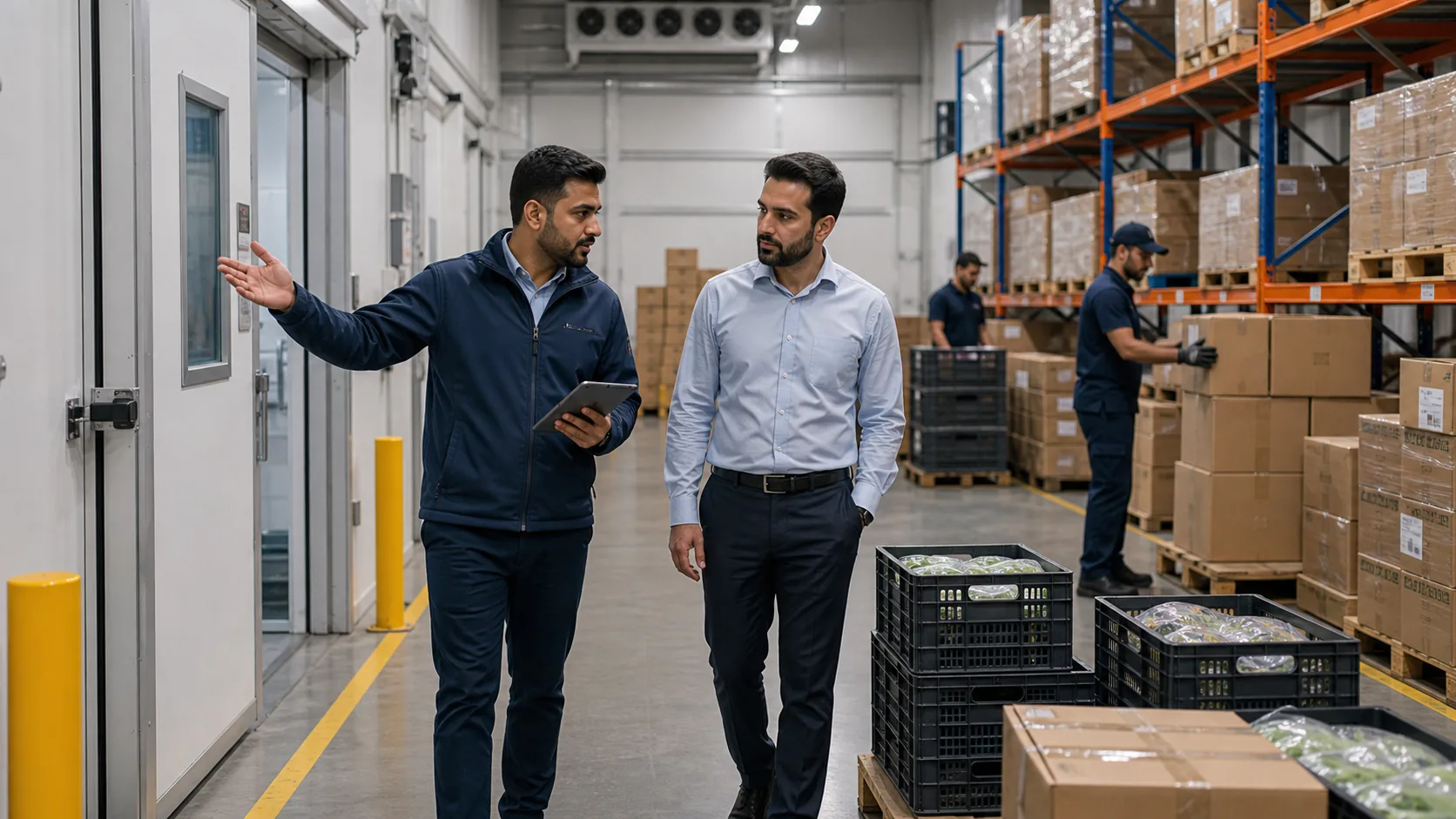
A physical warehouse visit will tell you more about a distributor's capability than any presentation. During your visit, look for HACCP certification displayed and actively maintained, clear separation between ambient, chilled and frozen zones, a functioning warehouse management system with barcode scanning, organised picking areas with FIFO rotation clearly practised, pest control documentation and regular audit logs and adequate capacity for your projected volume without overcrowding.
In the UAE's climate, temperature control is non-negotiable. Ask to see their cold chain monitoring records and how they handle temperature excursions during loading and transport. A professional operation will have documented procedures for every scenario.
Evaluate the Sales Team, Not Just the Sales Pitch
Distribution is ultimately a people business. The sales team who will represent your brand in the market deserves scrutiny. How many salespeople does the distributor employ? What is the average experience level? What is the staff turnover rate — high turnover means your brand loses continuity with retailers? Are sales teams organised by channel, by geography, or by product category?
The best distributors invest in their people. At Bagason, we maintain a team of over 55 sales professionals who are trained on every brand in our portfolio and equipped with digital tools for real-time order management and reporting.
Technology and Transparency
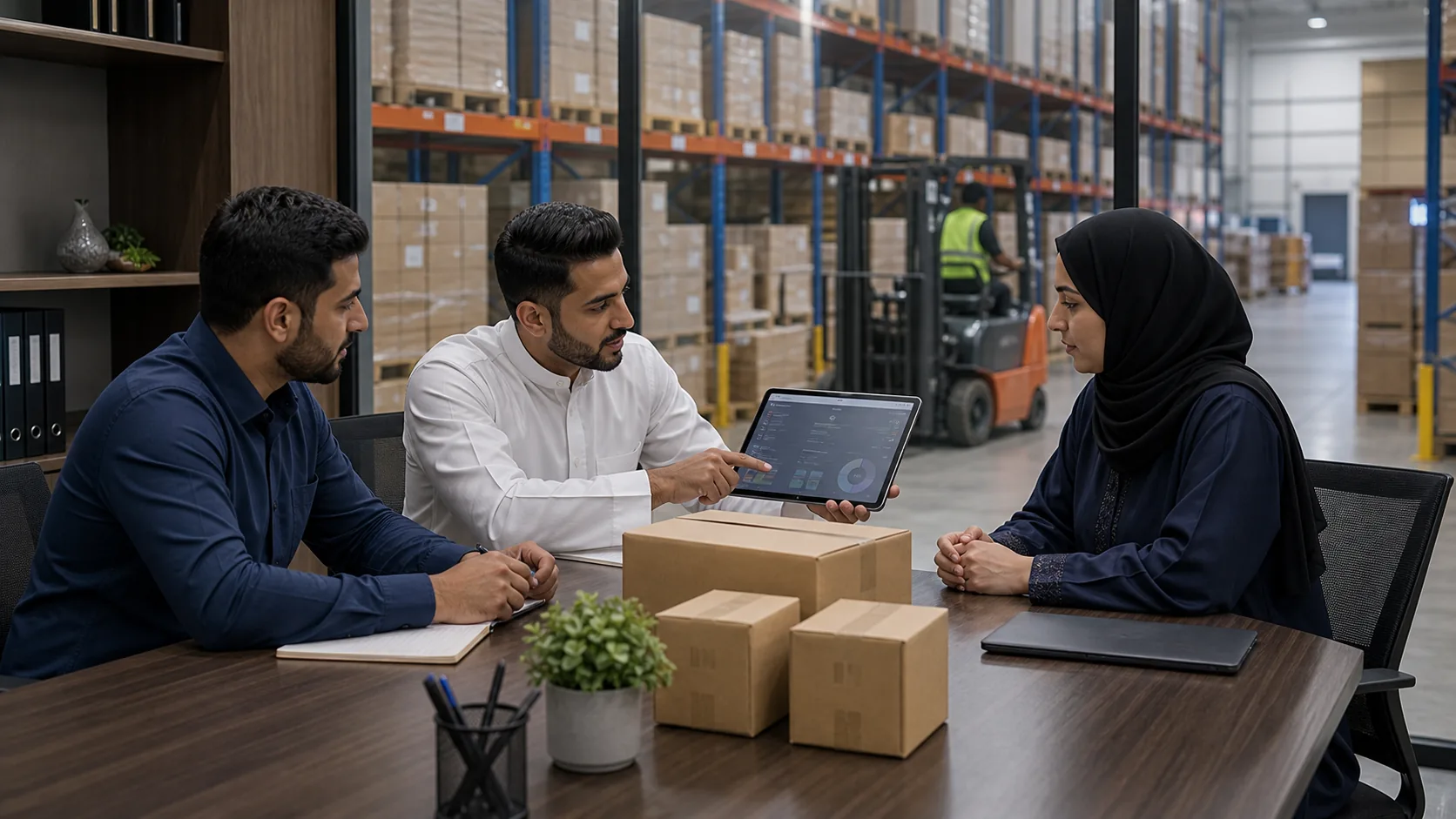
In 2026, any distributor still relying on spreadsheets and manual reporting is behind the curve. Modern FMCG distribution requires an integrated ERP system that provides real-time inventory visibility, automated reorder triggers, sales reporting by channel and outlet and delivery tracking with proof of delivery.
Ask prospective distributors what system they run, whether you will have access to a reporting dashboard and how frequently you will receive sales data. Transparency in reporting is often the best indicator of a trustworthy partnership. If a distributor is reluctant to share granular data, that is a red flag.
Portfolio Fit and Conflict Check
Review the distributor's existing brand portfolio carefully. Are there direct competitors to your products already in their warehouse? While some overlap is inevitable, a distributor carrying a directly competing product in the same category creates an inherent conflict of interest. Their sales team cannot genuinely push both brands to the same retailer.
Conversely, complementary brands in the portfolio can be an advantage. A distributor already strong in the spices and condiments category, for example, will have natural synergies for a new sauce or seasoning brand.
A Practical Evaluation Checklist
Before making your decision, score each prospective distributor across these dimensions: geographic coverage across all seven emirates, channel depth in your priority segments, warehouse infrastructure and certifications, fleet size and delivery reliability, technology platform and reporting capabilities, sales team size and experience, existing portfolio fit and commercial terms and payment reliability. No distributor will be perfect across every dimension, but this framework helps you compare objectively rather than being swayed by the best presentation.
If you are evaluating distribution options in the UAE, we welcome you to visit our facilities and see how we operate firsthand.
Frequently Asked Questions
Q: Should I work with one distributor or multiple distributors in the UAE?
A: For most brands entering the UAE, a single distributor with comprehensive coverage is more effective than splitting between multiple partners. It simplifies logistics, reduces administrative overhead and ensures consistent pricing across channels. However, very large brands with complex portfolios sometimes split by channel — one distributor for modern trade and another for HORECA, for example.
Q: What is the typical contract length for FMCG distribution agreements in Dubai?
A: Most distribution agreements in the UAE run for one to three years with renewal options. A one-year initial term with a performance review is common for new partnerships, allowing both sides to evaluate the fit before committing to a longer arrangement.
Q: How do I know if my distributor is actually visiting retail outlets?
A: Modern distributors use GPS-enabled sales force automation tools that log every retail visit with timestamps and coordinates. Ask to see sample visit reports. At Bagason, our ERP-managed sales operations provide complete visibility into field activity, ensuring accountability across every route.