The UAE is one of the most dynamic food service markets in the world, home to thousands of hotels, restaurants, cafes, cloud kitchens and catering operations serving residents and a constant flow of visitors. Behind every plated dish and every cup of coffee sits a supply chain most diners never think about. HoReCa distribution, the business of supplying hotels, restaurants and catering, is a specialised discipline that operates by very different rules from the retail trade that fills supermarket shelves.
Brands that treat food service as simply another retail channel quickly run into trouble. The buyers are different, the pack formats are different, the delivery expectations are different and the relationships are built on different foundations. A product that flies off supermarket shelves can struggle badly in food service if it is offered in the wrong format, delivered unreliably or sold by people who do not speak the language of the professional kitchen.
Understanding how HoReCa distribution works in the UAE is essential for any brand that wants a share of this large and demanding market. This article explains what the channel is, how it differs from retail, what it takes to serve it well, and how the rise of delivery-led dining is reshaping the way kitchens buy. Whether you are a producer weighing your first move into food service or an established brand trying to grow your share, the fundamentals are the same.
What HoReCa means and why it matters
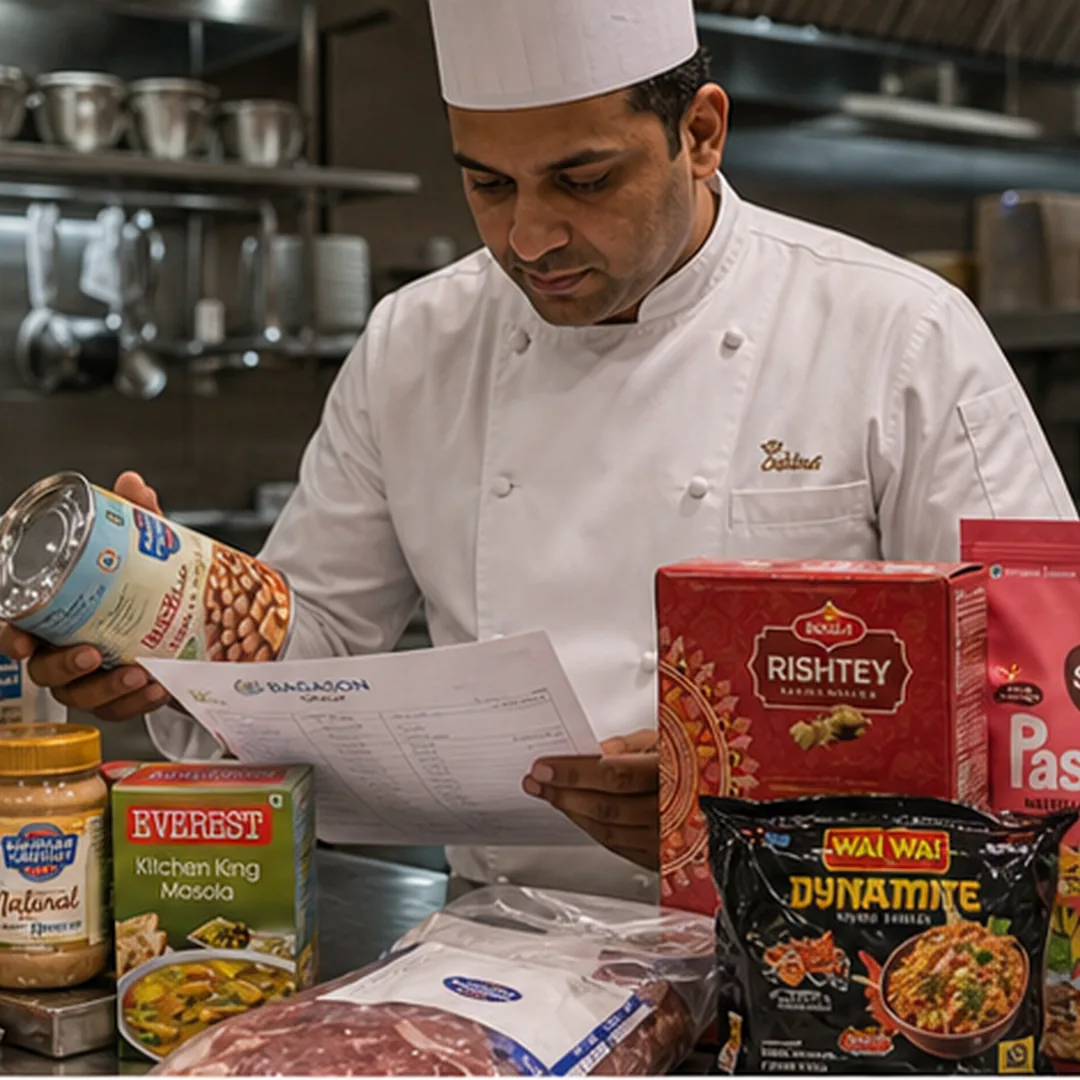
HoReCa is an abbreviation of Hotels, Restaurants and Catering, and it describes the food service channel as distinct from grocery retail. Instead of selling products to shoppers who take them home, this channel supplies the professional kitchens that transform ingredients into meals sold to guests. The end customer is a chef, an outlet manager or a purchasing officer, not a household shopper, and that changes everything about how a product must be supplied.
The scale of the opportunity in the UAE is significant. The country's tourism, hospitality and dining sectors generate enormous, year-round demand for ingredients, beverages and supplies. A single large hotel can consume volumes that dwarf a busy supermarket, and the catering sector adds further demand around events, institutions and corporate clients. Serving this channel well is a core part of %the breadth of what our distribution covers%, because it requires capabilities that go well beyond simply delivering boxes.
Why HoReCa rewards specialists
Food service is not a channel a brand can dabble in. The kitchens it serves run on tight margins and tighter timetables, and they judge suppliers by a standard far more exacting than the average shopper applies. A specialist what a distributor actually does that understands these expectations, and that has built its operation around meeting them, has a structural advantage over a generalist trying to bolt food service onto a retail business. This is why the most successful food service brands almost always work through partners dedicated to the channel rather than through whoever happens to also handle their grocery distribution.
How food service supply differs from retail
The first difference is the buyer's priorities. A chef cares about consistency, specification, yield and reliability far more than about colourful packaging or shelf appeal. A product that performs identically batch after batch and arrives exactly when promised is worth more to a kitchen than a cheaper alternative that varies or runs late. Trust, built over time, is the currency of this channel.
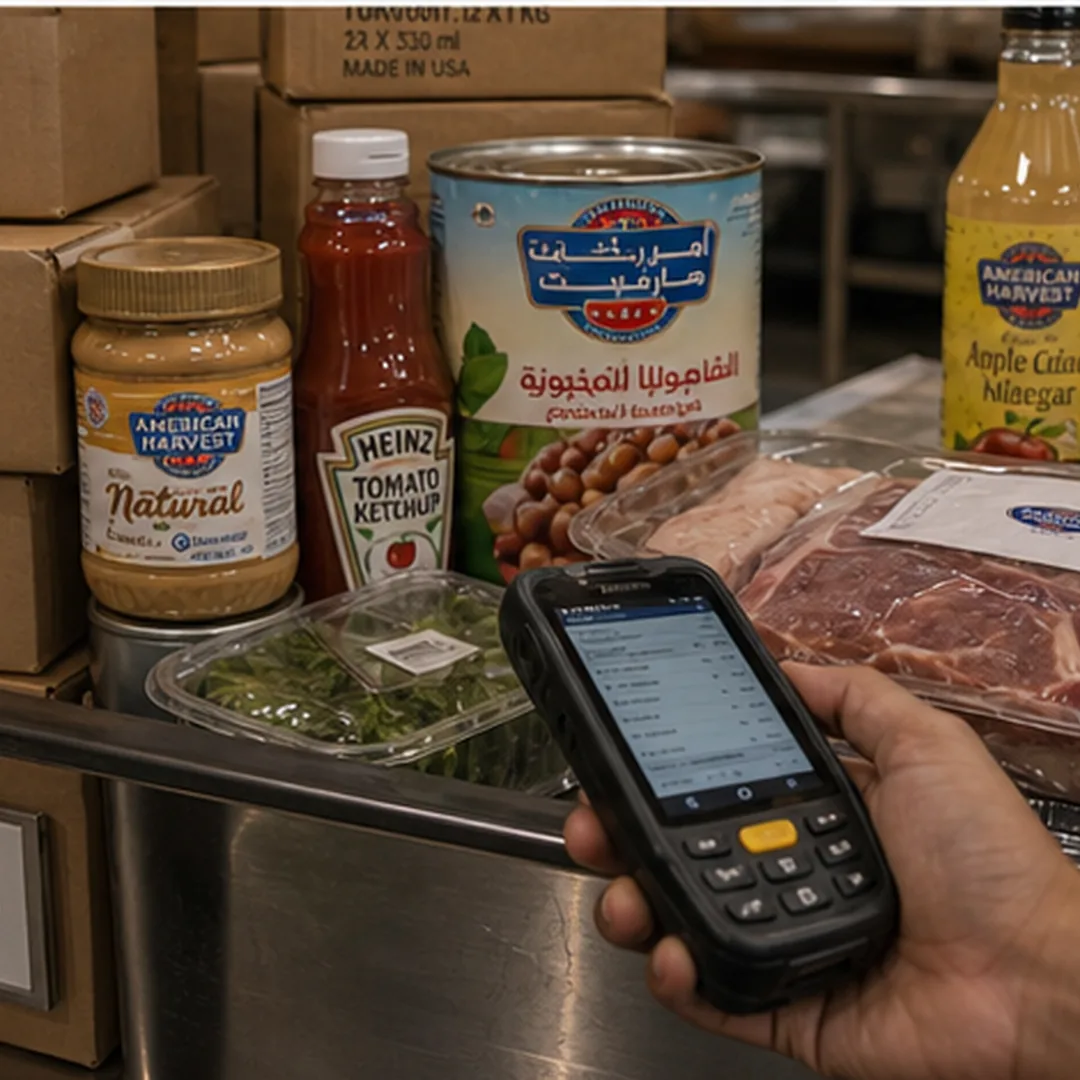
Pack formats differ too. Where retail favours consumer-sized packs designed for the household, food service runs on bulk and catering formats sized for professional use. The same brand may sell a small bottle in a supermarket and a large catering pack to a restaurant. Delivery patterns are different as well, because kitchens order frequently, often need scheduled, dependable delivery, and have limited storage, which puts a premium on dependable logistics and disciplined cold chain. Reaching outlets reliably depends on %our footprint across the seven emirates%, since a restaurant in one emirate cannot be served by a network built only for another.
The central role of reliability
If there is one quality that defines a successful HoReCa distributor, it is reliability. A kitchen that runs out of a key ingredient mid-service cannot simply offer customers an apology and move on; the failure is immediate and visible. This makes consistent availability, accurate order fulfilment and on-time delivery non-negotiable. A distributor that misses deliveries loses food service accounts quickly, because the cost of failure to the customer is so high.
This is a different kind of pressure from retail, where a temporary out-of-stock on a shelf is an inconvenience the shopper barely notices. In a kitchen, a missing ingredient can mean a dish struck from the menu during service, a guest disappointed and a chef's confidence in the supplier shaken. The bar for dependability is therefore set far higher, and meeting it consistently is what earns a distributor the long-term accounts that make the channel worthwhile.
Reliability in food service is also broader than simply turning up on time. It means delivering exactly what was ordered, in the right quantity and the right specification, without short shipments or substitutions the kitchen did not agree to. It means the product arriving in good condition, properly handled and within date. And it means the kitchen being able to depend on the same standard week after week, so that planning a menu around a supplier feels safe rather than risky. A distributor that delivers promptly but inconsistently, or accurately but unpredictably, still fails the test the channel sets. True reliability is the sum of all these things, held steady over the long term.
Consider, as an illustrative scenario, a busy hotel kitchen preparing for a fully booked weekend of events. If a single core ingredient fails to arrive on the Thursday delivery, the kitchen has no buffer to absorb the gap before service begins. The chef must either scramble to source a substitute at short notice, often at a premium and of uncertain quality, or pull a dish from the menu entirely. Either way, the supplier who missed that delivery has cost the kitchen money and stress at its most pressured moment, and that memory shapes every future ordering decision. This is why experienced food service distributors treat delivery reliability as the single most important promise they make.
Serving many different kinds of kitchen
HoReCa is not a single, uniform customer. A five-star hotel with multiple restaurants, a fast-casual chain, an independent cafe, a hospital caterer and a cloud kitchen all sit within the channel, yet each buys differently. The hotel may demand precise specifications and consistent premium quality; the chain prizes standardisation across outlets; the independent cafe values flexibility and small order sizes; the caterer needs reliable bulk supply timed to events. A distributor that understands these distinctions can tailor its range, formats and service to each segment rather than offering one approach to all.
These differences are not only about volume but about how each account makes decisions. A hotel typically runs a formal purchasing function with tenders, approved supplier lists and detailed specifications, so winning the account is a structured, documented process. An independent cafe, by contrast, may rely on the owner placing orders informally and switching suppliers quickly if service slips. Reading which kind of buyer sits across the table, and adjusting both the commercial approach and the service model accordingly, is part of what separates an experienced food service distributor from a generalist.
The buyers behind the channel
To serve food service well, a brand has to understand the people who actually do the buying, because they are not a single type. In a large hotel, the executive chef sets the specification and the purchasing department runs the commercial process, so a supplier has to win both the kitchen and the procurement team. In a restaurant chain, decisions may be made centrally by a head office that values consistency across every branch above all else. In an independent outlet, the owner-operator often makes every call personally and quickly.
Each of these buyers responds to a different pitch. The chef wants to know the product will perform and never let the kitchen down. The purchasing officer wants documentation, competitive terms and a supplier that is easy to administer. The owner-operator wants a partner who is responsive and flexible. A distributor that can speak to all three, and that maintains %common questions from food service buyers%, is far better placed to win and keep accounts across the full breadth of the channel.
The growth of cloud kitchens and delivery dining
One of the most striking shifts in the UAE food service market is the rise of cloud kitchens and delivery-first dining. These operations have no dining room and exist primarily to fulfil app orders, which changes their supply needs. They tend to run lean on storage, rely on predictable replenishment and value suppliers who can deliver frequently and accurately to tight schedules. For brands, this segment represents fresh demand that did not exist at scale a few years ago.
Serving delivery-led kitchens rewards the same fundamentals that the wider channel demands, namely reliability, the right pack formats and disciplined logistics, but it amplifies the premium on consistency and speed. A distributor already strong in traditional food service is well positioned to capture this growth, provided it adapts to the leaner, faster rhythm these operations require.
What delivery-led kitchens demand
Because cloud kitchens hold little stock, they cannot absorb a missed or late delivery the way a hotel with a large storeroom might. They depend on a steady, predictable flow of supply, often in smaller, more frequent drops, and they expect their distributor to act almost as an extension of their own operation. Formats matter here too: a product designed for a high-throughput delivery kitchen may need to be portioned or packed differently from one destined for a traditional restaurant. The distributors that thrive in this segment are those that treat it as a distinct discipline rather than an afterthought.
The operational demands of HoReCa
Serving food service well requires a tailored operation. Cold chain integrity is critical for chilled and frozen products, and any break in the chain risks both safety and quality. Order management must handle frequent, varied orders from accounts with different specifications and schedules. Credit terms, common in trade selling, must be managed carefully across many professional accounts. And the sales relationship is consultative rather than transactional, with the supplier often advising chefs on products, formats and new ranges.
This operational intensity is exactly why food service is a specialism. It is not enough to hold stock; a HoReCa distributor must combine logistics precision with category knowledge and genuine partnership with the kitchens it serves.
- Buyers are chefs and purchasing managers, not household shoppers
- Bulk and catering pack formats replace consumer-sized packs
- Frequent, scheduled deliveries with strict cold chain control
- Reliability and consistency outweigh price and packaging
- Relationships are consultative and built on long-term trust
Cold chain as a non-negotiable discipline
Cold chain deserves particular emphasis in the UAE, where summer temperatures regularly exceed 45 degrees Celsius with high humidity on the coast. In such conditions, a chilled or frozen product left outside controlled temperature for even a short period can be compromised. A serious HoReCa distributor invests in temperature-controlled warehousing, refrigerated vehicles and monitored handling at every step, because the climate leaves no margin for slack. For chefs, an unbroken cold chain is not a nice-to-have; it is the basis on which they can trust a supplier with the ingredients their reputation depends on.
Documentation and food safety
Food safety compliance threads through all of this. Professional kitchens, and the authorities that inspect them, expect their suppliers to maintain rigorous standards of storage, handling and traceability. A reputable HoReCa distributor keeps clear records of where products came from and how they were kept, so that any quality question can be traced back quickly. This documentation is not merely a regulatory obligation; it is part of the assurance that makes a chef willing to build a menu around a supplier's products in the first place.
Menus, seasons and the rhythm of demand
Food service demand is rarely flat. It rises and falls with the seasons, with the tourism calendar and with the events that fill the UAE's hotels and venues through much of the year. A distributor serving this channel has to anticipate these swings rather than simply react to them, building stock ahead of peak periods and working with kitchens to forecast what they will need. A sudden surge in banqueting or a busy festive season can strain a supply chain that is not prepared, and the kitchens feel any shortfall immediately.
The cooler months, when outdoor dining and events flourish, and the periods around major holidays and festivals, tend to bring the sharpest peaks. A distributor that has lived through these cycles knows to position stock early and to keep close to its accounts so that demand spikes are met rather than missed. Forecasting in partnership with the kitchen, rather than guessing in isolation, is what keeps shelves and storerooms stocked when it matters most.
The UAE's summer adds another layer to the rhythm of demand, and it affects more than just temperature control. The country's Midday Break Rule, enforced annually from the middle of June to the middle of September, prohibits work in the sun and open areas during the hottest part of the day, broadly the early afternoon hours. This shapes how outdoor and daytime operations run through the summer and influences both demand patterns and the practicalities of delivery scheduling. A distributor that plans its operation around these realities, delivering within sensible windows and respecting the constraints the season imposes, serves its accounts more dependably than one that ignores them.
Beyond the climate, the broader calendar of the UAE and the wider Gulf shapes demand in ways a seasoned distributor learns to anticipate. Holy months, public holidays, school terms, the influx and departure of residents at certain times of year, and the steady flow of tourism all leave their mark on how much kitchens buy and when. Building this knowledge into forecasting, rather than treating each spike as a surprise, is part of what makes a distributor genuinely reliable across the full year rather than only in the quiet periods.
Menu development as a supply partnership
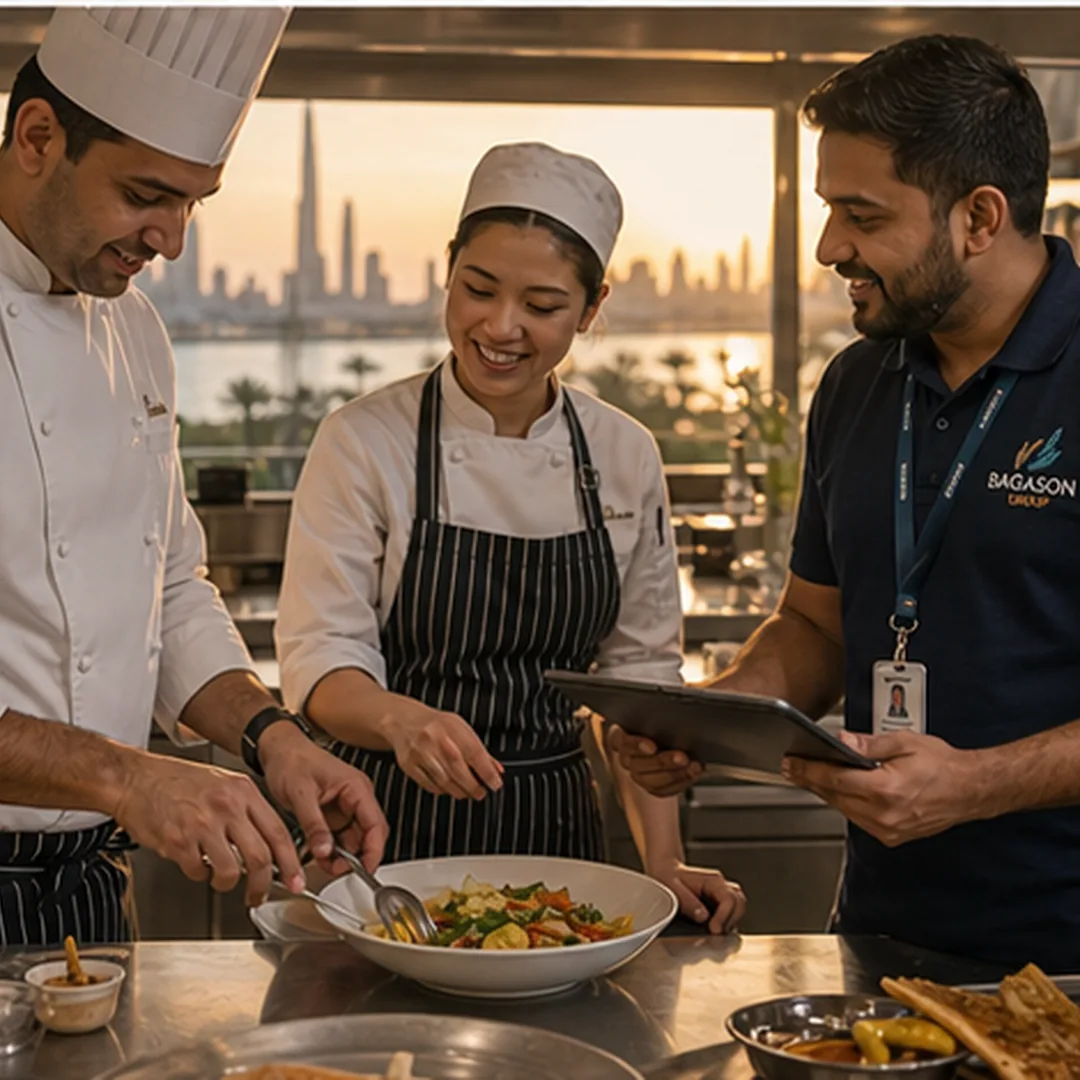
The most valuable distributors do more than fulfil orders; they help shape what appears on the menu. When a chef is developing a new dish or refreshing a menu, a knowledgeable supplier can suggest ingredients, propose alternatives that improve consistency or cost, and ensure the chosen items can be supplied reliably at the required volume. This consultative role turns the supplier into a genuine partner in the kitchen's success, and it creates accounts that are far harder for a competitor to dislodge. A product written into a menu, with a supply chain proven to support it, enjoys a stability that retail listings rarely match.
Common mistakes brands make in food service
Brands new to the channel tend to repeat a familiar set of errors. The most common is offering only retail pack formats, which simply do not suit a professional kitchen and signal that the brand does not understand its customer. Another is underestimating the reliability bar and treating food service deliveries with the same tolerance for slippage that retail allows, which loses accounts fast. A third is pricing as though the channel behaves like retail, ignoring the credit terms, service expectations and consultative selling that food service involves.
A further mistake is neglecting the relationship after the sale. In food service, winning an account is only the beginning; keeping it requires consistent service, responsiveness and ongoing engagement with the kitchen. Brands that go quiet once the first order lands tend to find themselves quietly replaced. The channel rewards partners who stay close, anticipate needs and treat every account as a long-term relationship rather than a transaction.
The product range a kitchen looks for
Chefs and purchasing teams rarely want to assemble their supply from a long list of single-product vendors. They value distributors who can offer a coherent range across the categories they cook with, because consolidating suppliers reduces administration, simplifies delivery and makes ordering far less of a chore. A distributor that carries a broad, complementary portfolio is therefore more useful to a kitchen than one offering a single line, and a brand that fits naturally into such a portfolio benefits from being part of a basket the kitchen already buys.
This is one reason brands often do better joining a distributor with an established and relevant range than going it alone with a standalone product. When a brand sits alongside %the brands we already supply into kitchens% that kitchens already trust and order regularly, it rides on existing delivery runs, existing relationships and existing buying habits. The product still has to earn its place on the menu, but the route into the kitchen is far smoother when the distributor is already a regular and trusted caller.
Innovation and new product introduction
Food service is also a channel where new products can find a home faster than in retail, provided they solve a real problem for the kitchen. A new ingredient that improves consistency, saves preparation time, reduces waste or opens up a dish the kitchen could not previously offer can be adopted quickly when introduced by a trusted distributor who understands its application. The consultative nature of food service selling means a knowledgeable supplier can demonstrate a product in context, let a chef trial it and build it into the menu, a path to adoption that retail listings rarely offer.
Pricing, margins and credit in food service
The commercial mechanics of food service differ from retail in ways that catch brands out if they are not prepared. Pricing is typically negotiated account by account rather than set centrally, and it reflects volume, service level and the relationship as much as the headline cost of the product. Larger accounts expect keener pricing in return for their volume, while smaller outlets pay more for flexibility and small order sizes. A distributor manages this spread of arrangements across a wide base of customers, balancing competitiveness against the margin needed to fund reliable service.
Credit is a defining feature of the channel. Most professional kitchens buy on terms rather than paying on delivery, which means the distributor is effectively financing its customers between supply and payment. This requires both capital and disciplined credit management, because extending generous terms to many accounts ties up significant working capital and carries real risk if any account fails to pay. A brand assessing a partner should understand that the distributor's ability to fund this credit directly shapes how many accounts it can serve and how quickly the brand can grow within the channel.
The role of the field sales team
In food service, the sales force is not a group of order-takers but a team of advisers who build and hold relationships with kitchens across a wide territory. A good food service salesperson understands how chefs work, can speak credibly about products and their applications, and acts as the bridge between the distributor's operation and the kitchen's needs. They are often the first to hear about a problem, the person who solves it before it escalates, and the one who spots an opportunity to introduce a new product or grow an account. The quality of this team is one of the clearest indicators of a distributor's strength in the channel.
Because relationships are so central, continuity matters. A kitchen that has worked with the same representative over years builds a level of trust that is hard to replace, and a distributor that retains experienced staff and assigns them consistently to accounts has a real advantage. For a brand, this means the people representing the product in front of chefs are as important as the product itself, and it is worth understanding how a prospective partner recruits, trains and retains its food service sales team.
Technology and the modern food service supply chain
The way kitchens order and the way distributors fulfil has changed considerably. Online ordering, digital catalogues and account portals make it easier for a kitchen to place orders accurately and at any hour, while behind the scenes, inventory systems, route planning and order tracking allow a distributor to serve more accounts with greater reliability. For delivery-led kitchens in particular, which run lean and order frequently, the ease and accuracy of the ordering process can be as important as the delivery itself.
None of this replaces the human relationship at the heart of the channel, but it amplifies a good operation and exposes a weak one. A distributor that has invested sensibly in the systems behind its service can offer kitchens the visibility, accuracy and convenience they increasingly expect, while still maintaining the personal contact that food service relationships depend on. Brands should view a partner's operational technology not as a gimmick but as part of the infrastructure that determines whether the brand can be served reliably at scale.
The full breadth of the UAE food service landscape
It is worth stepping back to appreciate just how varied the UAE food service market is, because the breadth of it shapes the kind of partner a brand needs. The country hosts everything from luxury hotel restaurants and fine-dining establishments to casual chains, neighbourhood cafes, workplace and institutional catering, event and banqueting operations, and the fast-growing world of delivery-only kitchens. Each of these operates on its own rhythm, buys in its own way and values different things in a supplier.
A brand rarely belongs in every one of these segments, and part of building a food service strategy is deciding where the product fits best and concentrating effort there. A distributor with genuine reach across the landscape can help a brand make that judgement, steering it towards the segments where it will succeed and away from those where it will struggle. This kind of guidance, grounded in real knowledge of how each segment behaves, is one of the most valuable things an experienced food service partner brings to a brand entering the market.
It is also worth remembering that the UAE sits within the wider Gulf, and a brand that establishes itself well in food service here often finds the experience invaluable when it later considers neighbouring markets. The disciplines that win in the UAE, reliability, the right formats, disciplined cold chain and genuine partnership with kitchens, are the same disciplines that travel. A brand that masters the channel in the most demanding and competitive market in the region builds capabilities and credibility that serve it far beyond a single country, even though each market ultimately has to be entered on its own terms.
Patience and the long game
Finally, brands new to food service should be prepared for the channel to reward patience. Accounts are won through demonstrated reliability and built trust, neither of which can be rushed. A kitchen that trials a product cautiously may take time before it commits a menu to it, and the most valuable accounts are often those that grow slowly and then prove extraordinarily durable. A brand that expects instant volume and gives up when the first months are quiet misreads the channel; one that invests in service, stays close to its accounts and lets trust accumulate finds that food service can become one of the steadiest and most defensible parts of its business in the UAE.
Building a food service strategy that works
For a brand looking to enter UAE food service, the route to market matters as much as the product itself. Success depends on having the right pack formats, a distributor with established kitchen relationships, dependable cold chain logistics and the geographic reach to serve outlets wherever they operate. A brand that gets these foundations right can build durable, high-volume accounts that retail alone could never deliver.
Because the channel rewards reliability and partnership above all, choosing the right distribution partner is the decisive step. If you are considering how to bring a product into hotels, restaurants and catering across the Emirates, it is worth taking the time to %explore a food service partnership with us% and map out the formats, logistics and relationships your brand will need. When the foundations are in place and the partner is the right one, food service can become one of the most rewarding and resilient parts of a brand's business in the UAE. To start that conversation, you can %get in touch with our food service team% and discuss what your brand needs to succeed in the channel.
Frequently Asked Questions
What does HoReCa stand for?
HoReCa is short for Hotels, Restaurants and Catering. It refers to the food service channel, where products are supplied to professional kitchens that turn them into meals for guests, as opposed to the retail channel where products are sold to shoppers to take home. It is one of the largest and most demanding channels in the UAE food market.
How is supplying restaurants different from supplying supermarkets?
The buyer is a chef or purchasing manager rather than a household shopper, so consistency, specification and reliable delivery matter more than packaging or shelf appeal. Pack formats are bulk and catering sizes rather than consumer packs, and kitchens order frequently with strict timing and limited storage, which demands precise logistics. The relationship is also consultative rather than transactional.
Why is cold chain so important in HoReCa distribution?
Many food service products are chilled or frozen, and any break in temperature control risks both safety and quality. The UAE's high summer temperatures make this especially critical, as products left outside controlled conditions can be compromised quickly. Because kitchens depend on these ingredients for dishes served immediately to guests, maintaining unbroken cold chain from warehouse to delivery is essential and non-negotiable.
What makes a good HoReCa distributor in the UAE?
The most important quality is reliability, meaning consistent availability, accurate orders and on-time delivery, because a kitchen that runs short mid-service faces immediate, visible failure. Beyond that, strong distributors offer the right catering pack formats, disciplined cold chain, broad geographic reach and a consultative relationship with the chefs they serve. The best partners help shape menus rather than simply fulfilling orders.
What pack formats does food service require?
Food service runs on bulk and catering formats sized for professional kitchens, rather than the consumer-sized packs designed for household shoppers. The same brand may sell a small retail bottle and a large catering pack of the same product. Offering only retail formats is one of the most common mistakes brands make when entering the channel, because it signals a lack of understanding of how kitchens actually operate.
How do cloud kitchens change food service supply?
Cloud kitchens have no dining room and exist mainly to fulfil app orders, so they run lean on storage and depend on frequent, predictable replenishment. They reward the same fundamentals as the wider channel, reliability and the right formats, but amplify the premium on consistency and speed. Distributors serving them well treat the segment as a distinct discipline rather than an afterthought.
How are food service accounts won in the UAE?
It depends on the type of account. Large hotels and chains typically run formal purchasing processes with tenders, approved supplier lists and detailed specifications, so winning them is a structured, documented effort that must satisfy both the chef and the procurement team. Independent outlets often buy informally through the owner-operator and can switch suppliers quickly, so responsiveness and flexibility matter most. Reading the buyer correctly is key.
Why do relationships matter so much in HoReCa?
Because the cost of failure is high and immediate, kitchens prefer to work with suppliers they trust over the long term rather than chasing the cheapest option. A distributor that consistently delivers, advises on products and stays close to the account becomes embedded in the kitchen's operation. Once a product is written into a menu with a proven supply chain behind it, it enjoys a stability that retail listings rarely match.
How does seasonal demand affect food service supply?
Food service demand rises and falls with the tourism calendar, the cooler outdoor-dining months and major holidays and events, producing sharp peaks at certain times of year. A capable distributor anticipates these swings by building stock ahead of peaks and forecasting in partnership with its accounts. Kitchens feel any shortfall immediately, so preparation rather than reaction is what keeps supply steady through busy periods.
Can a brand sell in both retail and food service at the same time?
Yes, and many do, but the two channels require different formats, pricing, logistics and selling approaches, so they should be treated as distinct disciplines rather than one operation. A product that succeeds in supermarkets will not automatically succeed in kitchens without the right catering formats, reliable cold chain delivery and a consultative sales approach. Working with a partner experienced in both channels helps a brand serve each one on its own terms.