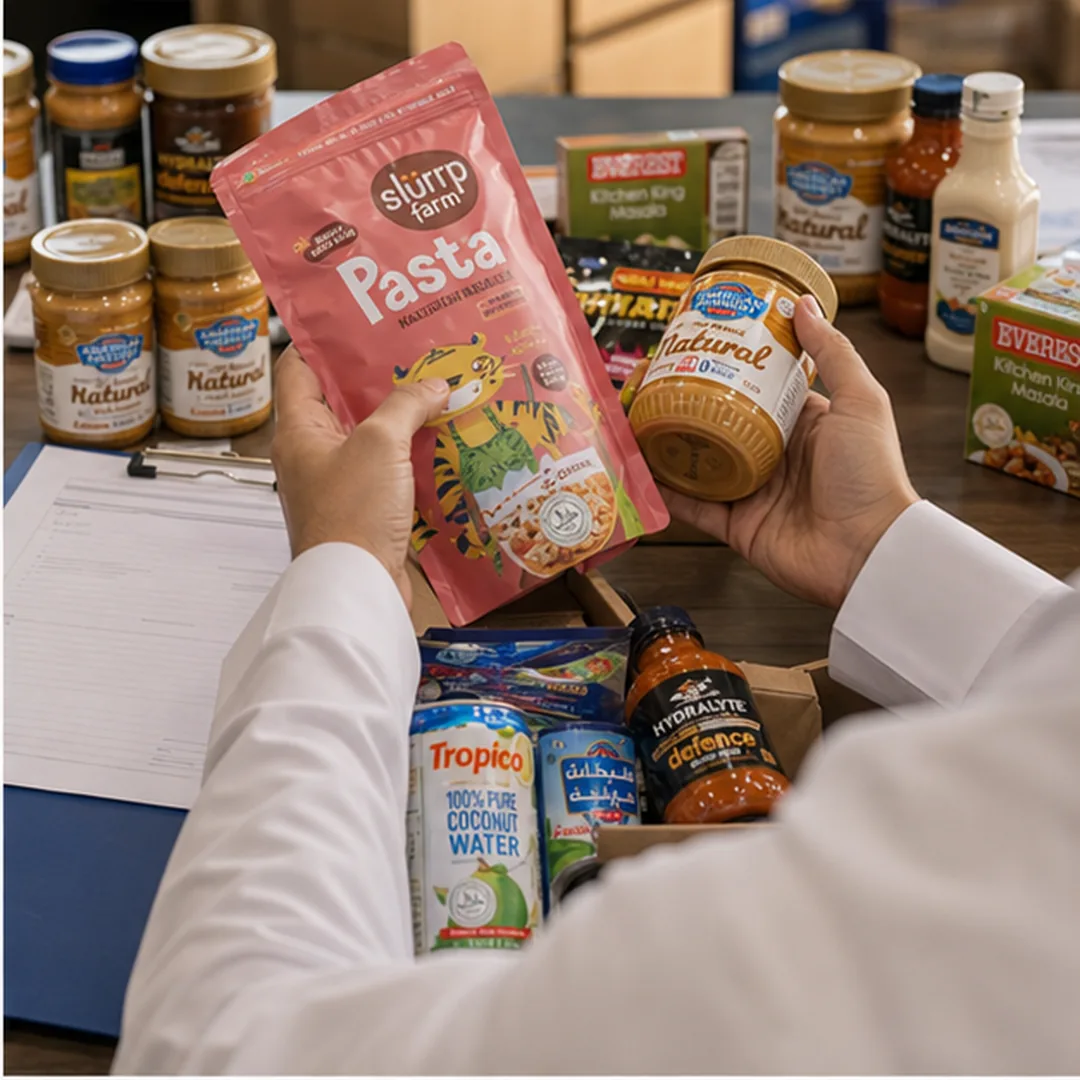
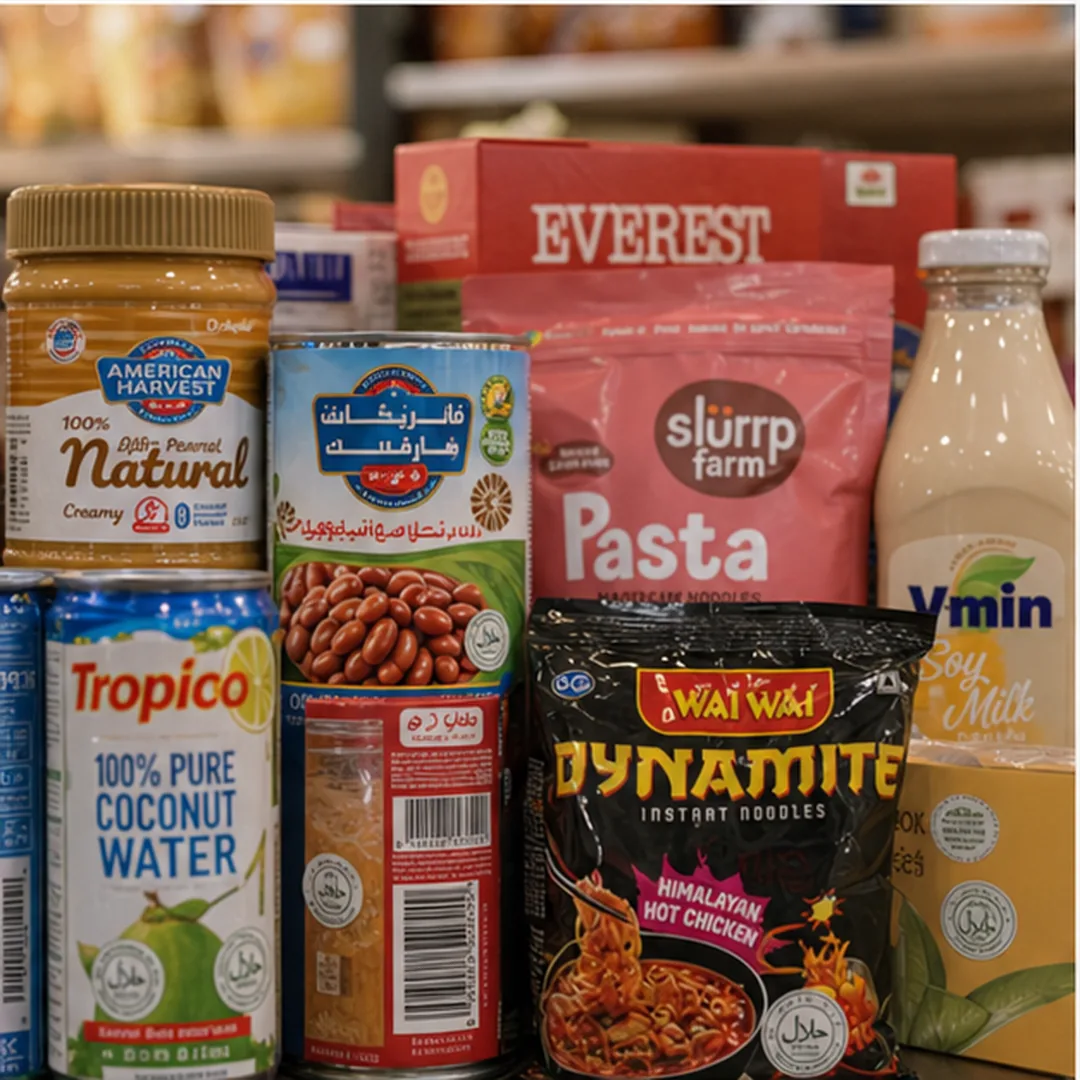
For brands bringing food and grocery products into the Emirates, halal certification and food imports in the UAE are tightly connected subjects that reward careful preparation. The UAE is one of the most discerning food markets in the region, with clear expectations around safety, labelling and, for many categories, halal compliance. Getting these fundamentals right before shipping is far easier, cheaper and faster than fixing problems once goods are already held at the border.
The cost of getting it wrong is not abstract. A rejected shipment ties up working capital, risks the loss of temperature-sensitive stock, damages your standing with the retailer waiting for delivery, and can set a launch back by months. By contrast, a brand that prepares its documentation, labelling and certification properly tends to clear customs smoothly and build a reputation for reliability that pays dividends with every future shipment.
This overview explains, in practical terms, what halal certification means for food importer vs distributor in the UAEs, how it fits into the broader food import process, and the steps brands typically take to ensure a smooth entry into the UAE. It is general guidance rather than legal advice, and requirements evolve over time, so always confirm the current rules with the relevant authorities or an experienced partner before acting on anything below.
It also helps to set the wider context. The UAE sits at the centre of a region where halal integrity and food safety are taken seriously, and where the Gulf Cooperation Council markets share many expectations even as their specific rules differ. A brand that masters compliance for the Emirates builds a foundation that often eases entry into neighbouring markets later. The effort invested in getting halal certification, labelling and registration right for the UAE is rarely wasted, because it instils the disciplines that serious food trading across the region demands.
Why halal matters in the UAE market
Halal is not a niche concern in the Emirates; for a large share of consumers it is a baseline expectation, and for many product categories it is effectively a requirement to compete. Meat and poultry are the most obvious cases, but halal considerations also extend to products containing animal-derived ingredients, certain additives, gelatine, rennet, enzymes, emulsifiers and some flavourings. Even products that seem entirely plant-based can contain processing aids or carriers that raise halal questions.
For brands, halal certification is both a compliance matter and a powerful trust signal. A recognised certification reassures retailers and shoppers alike, and it removes a significant barrier to listing. In a market where halal integrity carries genuine weight, the certification on your pack is not merely a regulatory tick-box; it is part of how shoppers decide whether to trust your brand at all. Investing in proper halal food imports from the start therefore protects both market access and long-term brand reputation.
Who relies on the halal assurance
It is worth remembering that the assurance flows through several parties. The retailer relies on it to list with confidence; the buyer's compliance team relies on it during onboarding; and the shopper relies on it at the shelf. A weak or unrecognised certificate can break that chain at any point, so treating halal credentials as a serious, well-documented part of your product, rather than a formality, is simply good commercial sense.
What halal certification involves
Halal certification verifies that a product, its ingredients and its production process comply with Islamic dietary requirements. For animal products this covers sourcing and slaughter methods; for processed foods it extends to ingredients, processing aids, equipment and the prevention of cross-contamination with non-halal materials. A certificate is, in effect, a credible third party attesting that the whole production chain meets the required standard.
Certification is issued by approved halal certification bodies, and the UAE recognises certificates from accredited authorities in the country of origin. It is essential that the certifying body is one the UAE accepts, since a certificate from an unrecognised authority may not be valid at import, no matter how genuine the underlying production process is. Brands new to the region often underestimate this detail and ship in good faith only to find their certificate carries no weight at the border. Working with a partner who understands %the importing and listing work we manage% and the documentation each category requires removes much of this risk.
Maintaining halal integrity in the supply chain
Certification is not only about the moment of manufacture. Maintaining halal integrity means controlling storage, handling and transport so that certified products are not compromised after they leave the factory. For brands shipping a mixed range, this also means ensuring halal and non-halal lines are not contaminated in shared facilities. The logistics and route-to-market discipline behind compliant supply matters as much as the certificate itself, and %the logistics and route-to-market discipline behind compliant supply% is part of what keeps a product genuinely compliant from factory to shelf.
The broader food import process
Halal compliance sits within a wider set of import requirements, and it helps to see the whole picture rather than treating halal in isolation. Bringing food into the UAE generally involves product registration, accurate labelling, and a set of documents that travel with each shipment and must match one another precisely. Key elements typically include:
- Product registration with the relevant food safety authority before import, often involving submission of label artwork, ingredient details and certificates for review.
- Compliant labelling, including Arabic language information, ingredient lists, nutritional declarations, allergen warnings, and clear production and expiry dates.
- Certificates of origin and health certificates, and, where applicable, recognised halal certificates from accepted bodies.
- Shelf-life rules, since products arriving with too little remaining shelf life requirements relative to total shelf life may be refused entry.
- Cold chain documentation for chilled and frozen goods, evidencing that temperature was maintained throughout transit.
Each category has its own nuances, and chilled or frozen goods add a further layer of cold chain documentation on top of everything else. Understanding %the markets and channels we reach% across these markets shows how registration, compliance and logistics must align for goods to clear smoothly and reach retailers in good condition rather than sitting in a bonded warehouse while paperwork is corrected.
Product registration in practice
Registration is the gateway step that many first-time importers either skip or attempt too late. In broad terms, food products generally need to be registered with the relevant authority before they can be imported and sold, with the registration tied to the specific product, its label and its formulation. Because registration reviews the label and ingredients, it is also the stage at which labelling or compliance problems surface, which is precisely why doing it early is so valuable.
A practical approach is to treat registration as part of the product development timeline rather than a last-minute formality before shipping. Allow time for the authority to review submissions, for any queries to be answered, and for label adjustments if they are requested. Brands that build this lead time into their launch plan avoid the all-too-common scenario of finished stock waiting in a factory or in transit while a registration that should have been completed weeks earlier is still being processed.
Labelling: a common stumbling block
Labelling is one of the most frequent reasons shipments are delayed or rejected, and it is also one of the most avoidable. The UAE has specific requirements for Arabic labelling, the declaration of ingredients and allergens, the presentation of nutritional information, and the clear display of production dates, expiry dates and storage conditions. Claims on packaging must be substantiated, and anything implying health, nutritional or origin benefits is scrutinised closely.
Brands are wise to validate artwork against current requirements before printing, not after. Reworking labels on stock already in transit, or applying corrective stickers to thousands of units in a bonded warehouse, is expensive, slow and reputationally awkward with the retailer waiting for the goods. Getting it right at the design stage is straightforward with the right guidance, and it is one of the single highest-return decisions an importer can make.
The Arabic-language requirement
The requirement for Arabic-language information is one that overseas brands most often underestimate. It is not enough to add an Arabic brand name; the substantive information a shopper relies on must be present in Arabic. Treating accurate, professionally rendered Arabic labelling as essential rather than optional avoids a whole class of delays, and it also signals respect for the local market that buyers and shoppers notice.
Shelf life and cold chain considerations
The UAE enforces minimum remaining shelf-life rules at import, typically expressed as a proportion of the product's total shelf life that must remain when the goods arrive. For temperature-sensitive products, the integrity of the cold chain must be maintained throughout transit, and the documentation must be able to prove it. A shipment that arrives with compromised temperature records or insufficient remaining shelf life can be rejected even if every certificate is otherwise in order.
This is why importing food into the UAE is as much an operational discipline as a regulatory one. Planning production runs, transit times, shipping modes and storage so that products arrive fresh and well within their shelf-life window is a core part of doing it well. For chilled and frozen goods in particular, the choice of route, carrier and reefer handling has direct compliance consequences, not just cost and speed implications. A short-dated or temperature-abused shipment is a financial write-off as well as a regulatory failure.
Choosing the right shipping mode
The choice between sea freight, air freight and overland transport is partly a cost decision and partly a compliance one. Sea freight is economical but slow, which eats into the remaining shelf life and demands careful planning to stay within import thresholds. Air freight preserves shelf life and speeds time to market but at a far higher cost, making it suitable for high-value or urgent goods rather than everyday volume. For temperature-sensitive products, the reliability of refrigerated handling at every transfer point matters more than the headline transit time, because a single break in the cold chain can undo an otherwise well-planned shipment. Matching the shipping mode to the product's value, shelf life and temperature needs is a decision worth making deliberately rather than by default.
Customs clearance and the documentation chain
Customs clearance is where all the preparation is tested at once. The clearance process checks that the goods match their documents, that the necessary certificates and registrations are in place, and that the products meet labelling and safety requirements. The single most common cause of avoidable delay is not a missing rule but a mismatch: a discrepancy between what a certificate states, what the label declares, and what the shipping documents show.
Even small inconsistencies, a product name spelled differently across documents, a weight or pack count that does not reconcile, an expiry format that differs from the label, can trigger queries that hold a shipment. Building a tight, internally consistent documentation set before goods ship is therefore one of the most effective things an importer can do. An experienced clearance partner who knows what each authority looks for, and who can resolve a query quickly when one arises, materially shortens the time from arrival to release.
Food safety standards beyond halal
Halal compliance, important as it is, sits within a broader food safety expectation that the UAE upholds rigorously. Imported food is expected to meet standards around contaminants, additives, hygiene and labelling accuracy, and products that fall short on any of these can be held or refused regardless of their halal status. Brands sometimes focus so heavily on halal certification that they neglect the wider safety and quality requirements that apply to every food product, halal or otherwise.
This means that a robust quality management system at the point of manufacture is part of importing well, not a separate concern. Consistent production, proper hygiene controls, accurate declarations and reliable record-keeping all feed into a product's ability to pass inspection and to satisfy the retailers who will ultimately stand behind it. The strongest importers think of food safety holistically: halal integrity and general food safety are two sides of the same commitment to putting a trustworthy product in front of the shopper.
There is a commercial logic here as well as an ethical one. Retailers conduct their own supplier assessments and expect documentation of quality and safety practices as part of onboarding. A brand that can demonstrate a serious, systematic approach to food safety clears these hurdles faster and earns the confidence of buyers who have seen too many suppliers cut corners. In a market that prizes trust, a reputation for doing food safety properly is a quiet but real competitive edge.
Working with the right partners
Few brands navigate UAE food imports entirely alone, and there is little reason to. Customs clearance, food registration, recognised halal certification and compliant labelling each involve specialised knowledge that is easy to underestimate from abroad. A distributor or import partner with established processes and authority relationships can prevent costly errors and dramatically shorten the time from shipment to shelf, while also absorbing much of the administrative burden that would otherwise fall on a brand operating remotely.
The value of such a partner is not only in avoiding rejections but in foresight. An experienced team flags issues before they become problems: a label that needs adjusting, a certificate from an unrecognised body, a shelf-life window that is too tight for the chosen shipping route, an ingredient that will raise a halal query. That early guidance often saves far more than it costs, and it lets a brand focus on building demand rather than firefighting compliance. The brands we have already brought to market reflect this approach in practice, and %the brands we have already brought to market% shows what reliable, compliant supply looks like once the fundamentals are handled properly.
Documentation discipline pays off
Much of import success comes down to documentation that is accurate, complete and consistent across every part of the chain. Mismatches between what a certificate states and what a label or shipping document shows can trigger delays even when the product itself is entirely compliant. Building a disciplined documentation process, with checks before goods ship rather than after they arrive, is one of the highest-return habits an importer can adopt, and it becomes second nature once it is built into routine operations.
It also helps to maintain a clear, current record of approved suppliers, certifications and registrations, so that repeat shipments move smoothly and any audit or query can be answered quickly with evidence rather than guesswork. Compliance is easiest when it is systematic rather than reactive, and a well-kept compliance file is an asset that grows more valuable with every shipment it helps clear without incident.
Planning for ongoing compliance
Compliance is not a one-time hurdle cleared at first import; it is an ongoing responsibility that lives with the product for as long as it is on the market. Regulations evolve, certificates expire, accreditation lists change, and product formulations or suppliers may change over time. A brand that treats halal certification and registration as living obligations, reviewing them regularly, avoids the unpleasant surprise of a lapsed certificate halting a shipment or a labelling rule that has quietly been updated since the last print run.
Keeping renewals on a clear calendar, monitoring regulatory updates, and re-checking compliance whenever a recipe, ingredient, supplier or factory changes are simple habits that prevent disruption. For brands distributing multiple products across several categories, this discipline becomes even more valuable, since a single overlooked detail can affect an entire range and a lapsed certificate can stop several lines at once. Building compliance into routine operations, rather than treating each shipment as a fresh scramble, is what allows a brand to grow steadily in the market without repeated, self-inflicted interruptions. Many of the questions brands raise here are recurring ones, and %common questions importers ask before shipping% cover the practical issues that come up again and again before a first shipment.
Understanding the authorities and their roles
Food import into the UAE is overseen by a framework of federal and local authorities responsible for food safety, standards and import control. While brands do not need to become experts in the precise division of responsibilities, it helps to understand that registration, standards compliance and border inspection are functions that exist to protect consumers and maintain the high level of food safety the market is known for. Approaching these requirements as a partnership in protecting the shopper, rather than as bureaucratic obstacles, tends to produce a smoother experience.
Because the framework is layered, with some requirements set federally and others administered locally, the practical experience of importing can vary depending on the point of entry and the nature of the goods. This is one more reason that local knowledge is so valuable: a partner who works with these authorities daily understands not just the written rules but how they are applied in practice, what documentation each inspection point expects, and how to resolve a query efficiently when one arises. That practical fluency often matters as much as technical compliance on paper.
It also pays to remember that the rules are not static. Standards are reviewed and updated, accepted certification bodies can change, and labelling or registration requirements evolve as the market and its regulators mature. A brand that imports once and assumes the rules will stay frozen in place risks being caught out at a later shipment. Treating the regulatory environment as something to be monitored continuously, rather than learned once, is part of being a serious long-term participant in the market.
Category-specific considerations
While the broad framework of registration, labelling, certification and clearance applies across the board, the detail varies considerably by product category, and brands that recognise this early avoid a great deal of friction. Meat and poultry sit at the most heavily scrutinised end, with halal slaughter, sourcing and health requirements all in play. Dairy and chilled products bring cold chain obligations and tight shelf-life windows. Dry grocery and ambient products are generally simpler logistically but still carry full labelling and registration requirements.
Products with animal-derived ingredients hidden in their formulation, such as gelatine in confectionery, rennet in cheese, or animal-derived emulsifiers and carriers in processed foods, deserve special attention because the halal question is less obvious than with whole meat but no less important. Supplements, fortified foods and products making nutritional claims face additional scrutiny on those claims. Understanding where your specific category sits on this spectrum, and what each tier demands, is far better done before production than discovered at the border.
Beverages, snacks and ambient grocery
Even seemingly straightforward categories have their quirks. Beverages must declare their composition accurately and substantiate any functional or health claims. Snacks and confectionery frequently contain the very animal-derived additives that raise halal questions. Ambient grocery staples are logistically simple but compete in crowded categories where labelling errors that delay a launch can cost a valuable shelf window. The lesson across all of them is the same: treat the specific requirements of your category as a design input from the start, not a compliance afterthought.
Timelines and lead times for importers
One of the most useful things a new importer can internalise is how long the whole process realistically takes. Registration takes time. Sourcing and verifying recognised halal certification takes time. Designing and proofing compliant Arabic labelling takes time. Manufacturing, shipping and clearing customs each take time. When these steps are run in sequence by a brand that did not plan ahead, the cumulative delay can push a launch back by an entire season, and in a market as calendar-driven as the UAE, missing a key season such as Ramadan can mean waiting a full year for the next comparable window.
The way to compress this is to run the independent workstreams in parallel rather than in series, and to start the slowest ones first. Begin registration and certification early, lock down labelling artwork before the production run, and plan shipping with enough buffer to absorb the inevitable hiccups without breaching shelf-life rules. A realistic, well-sequenced timeline is not pessimism; it is the difference between hitting a planned launch date and explaining to a retailer why the goods they expected are stuck in a warehouse.
Why early planning saves money, not just time
Rushed compliance is expensive compliance. Last-minute label corrections, air-freighting stock to recover lost time, paying for storage while paperwork is fixed, and clearing short-dated goods at a discount all cost real money that careful planning would have avoided. The brands that import most cost-effectively are almost always the ones that planned earliest, because they bought themselves the time to do each step properly and cheaply rather than expensively under pressure.
Building a compliance file that works for you
One of the quiet hallmarks of a well-run import operation is a thorough, well-organised compliance file for every product. This is more than a folder of certificates; it is a living record that links each product to its registration, its recognised halal certificate, its approved label artwork, its supplier details and its key dates for renewal. When this file is complete and current, repeat shipments move smoothly, audits and authority queries can be answered in minutes rather than days, and the risk of an avoidable surprise drops dramatically.
Brands that neglect this discipline tend to rediscover the same information painfully at each shipment, chasing certificates, hunting for the latest approved artwork, and scrambling when an expiry date arrives unannounced. The contrast in efficiency between a brand with a strong compliance file and one without is stark, and it compounds over time. Every product added to a well-kept system is easier to manage than the last, whereas every product added to a chaotic one adds to the confusion.
Version control for labels and formulations
A particular trap is losing track of which label version and which formulation a given product on the market actually carries. When recipes change, suppliers switch, or artwork is updated, the corresponding registration and certification may need to be revisited. Keeping clear version control, so that you always know which approved version is in market and which is in the pipeline, prevents the awkward situation of shipping a formulation that no longer matches its registration or a label that has quietly drifted out of compliance. This kind of housekeeping is unglamorous but it is exactly what separates importers who scale smoothly from those who lurch from one avoidable problem to the next.
Avoiding the most common import pitfalls
Certain mistakes recur so often among new importers that they are worth naming plainly so they can be designed out from the start. The first is shipping before registration and certification are genuinely confirmed, on the optimistic assumption that paperwork can be sorted while the goods are in transit. The second is relying on a halal certificate from a body the UAE does not recognise. The third is printing labels that fall short of Arabic-language or declaration requirements, then discovering the problem only when the shipment is held.
Other frequent pitfalls include underestimating shelf-life rules and shipping goods with too little remaining life, failing to maintain or document the cold chain for temperature-sensitive products, and allowing inconsistencies to creep in between certificates, labels and shipping documents. Each of these is entirely avoidable with preparation and the right partner, yet each continues to catch out brands that treat compliance as something to be handled at the last minute rather than built into the plan from day one.
Making compliance a competitive advantage
Treated as a checklist, halal compliance and import rules can feel burdensome, a series of obstacles between you and the shelf. Treated as a foundation, however, they become a genuine competitive advantage: products that are fully compliant list faster, clear customs more predictably, face fewer disruptions and earn the trust of buyers and shoppers from the outset. The brands that thrive in the Emirates are consistently those that build compliance into their process rather than bolting it on under pressure.
There is also a reputational dimension that is easy to overlook. In a market where halal integrity and food safety carry real weight with consumers, a brand known for getting these things right earns a quiet but durable form of trust. That trust shows up in smoother buyer conversations, fewer questions at every stage, faster onboarding with new retailers, and shoppers who feel confident choosing the product over a less-trusted alternative. Compliance done well is not merely a cost of entry; it is part of what makes a brand worth stocking, and worth choosing, in the first place. If you want experienced support navigating halal certification, labelling and the wider import process, %speak to us about importing your products% and bring your products to market with confidence.
Frequently Asked Questions
Is halal certification required to import food into the UAE?
It depends on the product. Meat, poultry and many products containing animal-derived ingredients require recognised halal certification. Even where it is not strictly mandatory, certification is often essential for listing because retailers and consumers expect it. Always confirm the requirements for your specific category, since the picture differs significantly between, say, fresh meat and a plant-based snack.
Will any halal certificate be accepted at import?
No. The UAE recognises certificates issued by accredited halal authorities that it accepts. A certificate from an unrecognised body may not be valid at import, regardless of how genuine the underlying production process is. It is important to verify that your certifying authority is on the accepted list before you ship, ideally with help from a partner who tracks these requirements.
What labelling does the UAE require for imported food?
Labels generally need Arabic-language information, a full ingredient list, allergen and nutritional details, and clear production and expiry dates, along with storage conditions where relevant. Any health, nutritional or origin claims must be substantiated. Validating artwork against current rules before printing avoids one of the most common and costly causes of shipment delays.
Why do some shipments get rejected at the border?
Common reasons include non-compliant labelling, missing or unrecognised certificates, insufficient remaining shelf life, compromised cold chain records for temperature-sensitive goods, and mismatches between certificates, labels and shipping documents. Thorough preparation and an internally consistent documentation set greatly reduce the risk of rejection.
What is the minimum shelf life required at import?
The UAE enforces a minimum remaining shelf life at import, usually expressed as a proportion of the product's total shelf life that must remain on arrival. Products arriving with too little life remaining can be refused. Brands should plan production, shipping mode and transit time so that goods clear customs well within that window rather than at the edge of it.
Do I need to register my product before importing?
In broad terms, yes. Food products generally need to be registered with the relevant food safety authority before they can be imported and sold, with registration tied to the specific product, label and formulation. Because registration reviews your label and ingredients, it is also where compliance issues surface, so completing it early in your launch timeline is strongly advisable.
How do cold chain requirements affect imports?
For chilled and frozen products, temperature must be maintained throughout transit and the documentation must be able to prove it. A shipment with compromised temperature records can be rejected even if every other document is in order. This makes the choice of route, carrier and reefer handling a compliance matter, not just a question of cost and speed.
Can a distributor handle the import and compliance process for me?
Yes, and many brands prefer this. An experienced distributor or import partner can manage customs clearance, food registration, halal documentation and labelling compliance, and can flag problems before they cause rejections. This shortens the time from shipment to shelf and removes much of the administrative burden of operating remotely in an unfamiliar regulatory environment.
What happens if my halal certificate expires while products are on the market?
An expired or lapsed certificate can halt future shipments and create problems with retailers and authorities, so it should be avoided through proactive renewal. Treat certification as a living obligation: keep renewals on a calendar, monitor for changes, and re-check compliance whenever a recipe, ingredient, supplier or factory changes, since any of these can affect the validity of your certification.