For any food brand entering the Emirates, the moment a product first appears on a hypermarket shelf feels like arrival. Yet the supermarket listing process in the UAE is rarely simple, and the journey from a buyer's inbox to a stocked shelf involves negotiation, paperwork, commercial commitment and disciplined follow-through. Understanding how it works helps brands set realistic expectations and avoid the costly missteps that catch out so many first-time entrants.
A listing is not a one-off transaction; it is the start of an ongoing relationship with a retailer who is allocating scarce shelf space and expecting a return on it. Every facing a buyer gives you is a facing taken from something else, and that simple fact shapes the entire conversation. The retailer is not doing you a favour by listing your product; they are making a commercial bet that your product will earn its place better than the alternative.
This article explains the stages of getting a product on shelves in the UAE, what listing fees typically involve, how buyer negotiations actually unfold, and why the real work only begins once a product is approved. Whether you are an overseas manufacturer eyeing the Gulf for the first time or a regional brand looking to expand distribution, the principles below apply across modern trade, traditional trade and the fast-growing convenience and quick-commerce channels.
Understanding the UAE retail landscape first
Before any listing conversation makes sense, you need a clear picture of where you are selling. The UAE is a compact but unusually competitive grocery market. A small number of large hypermarket and supermarket chains dominate modern trade and command the lion's share of organised retail volume, while regional supermarket groups, cooperative societies, convenience formats and a vast independent baqala sector fill in the rest. Each channel has different listing economics, different shopper missions and different expectations of a supplier.
The market is also overwhelmingly served by imports, and the population is largely expatriate and concentrated in the major cities of Dubai, Abu Dhabi and Sharjah. That demographic mix produces enormous product diversity on shelf, with brands from South Asia, the Levant, Europe, East Asia and the Americas competing side by side. For a new product, this means two things at once: there is genuine appetite for variety, but the bar for differentiation is high because shoppers already have abundant choice.
Distribution across all seven emirates is rarely something a single brand handles alone. The retail relationships that make national coverage possible are built over years, and brands typically reach the full market by working through a choosing a UAE distributor who already manages %the retail relationships that span the Emirates%. That existing footprint is what turns a single listing into genuine availability rather than a flag planted in one or two stores.
Before you approach a buyer
Preparation is everything. Retailers expect products to be import-compliant, properly labelled and registered with the relevant authorities before any serious conversation begins. That means correct Arabic labelling, ingredient and nutritional declarations, allergen information, and any required food registration completed. A buyer will not invest time in a product that cannot legally reach the shelf, and arriving with non-compliant packaging signals that you are not yet ready to do business.
Equally important is a clear commercial story. A buyer wants to understand, quickly, why the product fits the category, who the shopper is, how it is priced relative to competitors, and what rate of sale it can credibly deliver. They will want to know your positioning: are you a value alternative, a premium upgrade, a gap-filler, or a genuine innovation that brings new shoppers to the category? Vague answers here are fatal, because the buyer is mentally modelling whether your product helps or hurts their overall category performance.
The sell sheet and the sample
Two practical artefacts carry disproportionate weight in early conversations: a tight, one-page sell sheet and a physical sample. The sell sheet should state the proposition, the target shopper, the pricing architecture, the case configuration and the support you are bringing, all in a form a busy buyer can absorb in under a minute. The sample lets the buyer judge quality, packaging shelf-appeal and pack size at a glance. Brands that arrive with this clarity, ideally through a distributor who has already pressure-tested the proposition, are taken far more seriously than those still figuring out their story in the meeting itself.
Knowing your numbers cold
You should walk into a buyer meeting knowing your landed cost, your recommended retail price, the trade margin the retailer earns at that price, and the gross profit per facing per week you can realistically deliver. Retailers think in terms of return on space, so the more fluently you can speak that language, the more credible you appear. If you cannot articulate why your product earns more per shelf centimetre than what it would replace, you are not ready for the meeting.
The buyer negotiation
The listing conversation itself is a negotiation across several dimensions, not a simple yes or no. Buyers consider the product's differentiation, its margin contribution, the support behind it and the opportunity cost of the space it will occupy. They weigh whether your product brings incremental shoppers to the category or simply cannibalises existing sales, because cannibalisation gives them all the operational cost of a new line with none of the upside.
This is where commercial terms are agreed: pricing, trade margin, promotional commitments, payment terms and the introductory support the brand will provide. Expect give and take. A buyer may accept your range in exchange for deeper introductory promotions, or grant a trial listing in a limited number of stores before committing to a full rollout. Trial listings are common and sensible; they let both sides test demand before either over-commits.
A strong distributor relationship matters enormously here, because buyers trust partners with a track record of delivering on what they promise and managing the operational side reliably. A buyer who has been let down by late deliveries or out-of-stocks in the past will heavily discount your promises unless a credible partner stands behind them. The route-to-market discipline behind every launch, from order forecasting to delivery reliability, is part of what a seasoned distributor brings to the table, and %the route-to-market discipline behind every launch% is often what tips a hesitant buyer into a yes.
Understanding listing fees
One of the most discussed and least understood aspects of fmcg listing is the cost of entry. Listing fees in the UAE can take several forms, and they vary widely by retailer, category and the level of competition for space. Brands new to the market are sometimes surprised by them, but they are a normal feature of organised retail worldwide, reflecting the genuine cost and risk a retailer takes on when introducing a new line.
- Slotting or listing fees: a charge for allocating shelf space to a new product, sometimes levied per SKU and per store group.
- Promotional and marketing contributions: investment in launch visibility, gondola ends, leaflet features, in-store displays or digital advertising.
- Trade margins and rebates: the retailer's commercial cut on each sale, plus any volume-based or growth-based rebates agreed annually.
- Introductory deals: temporary price support to build initial trial and rate of sale during the critical first weeks.
- Logistics and returns terms: agreed handling of damaged or short-dated stock, which carries a real cost that should be modelled upfront.
These costs are real and should be budgeted from the outset rather than discovered halfway through a launch. The key is to view them as an investment in demand rather than a tax on entry. A product that earns its keep through strong sales quickly justifies the fees; one that does not is at risk of delisting regardless of what was paid to get in. The worst outcome is paying significant listing fees and then under-investing in the execution that converts the listing into actual sales, effectively buying shelf space you then fail to defend.
From listing to shelf: the execution gap
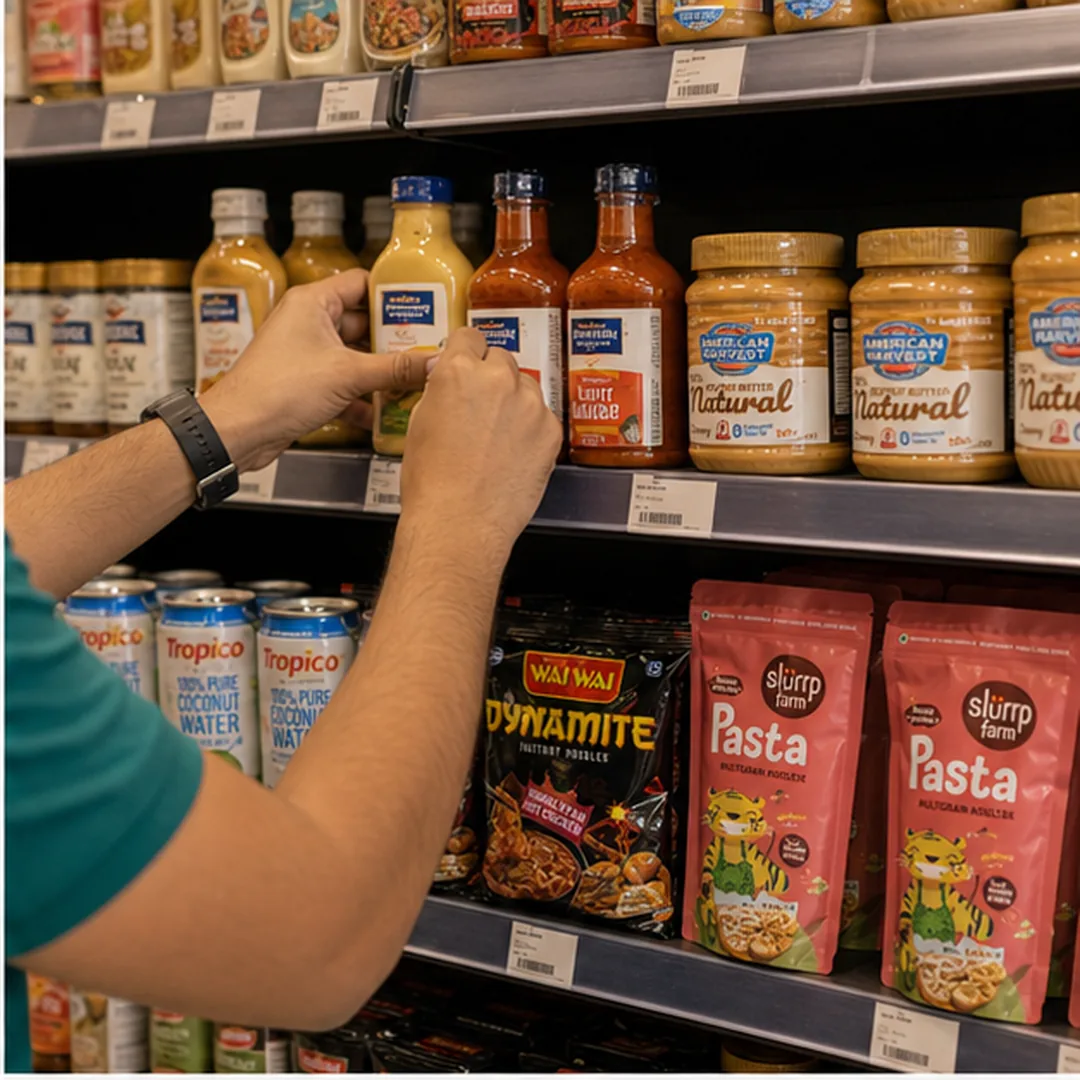
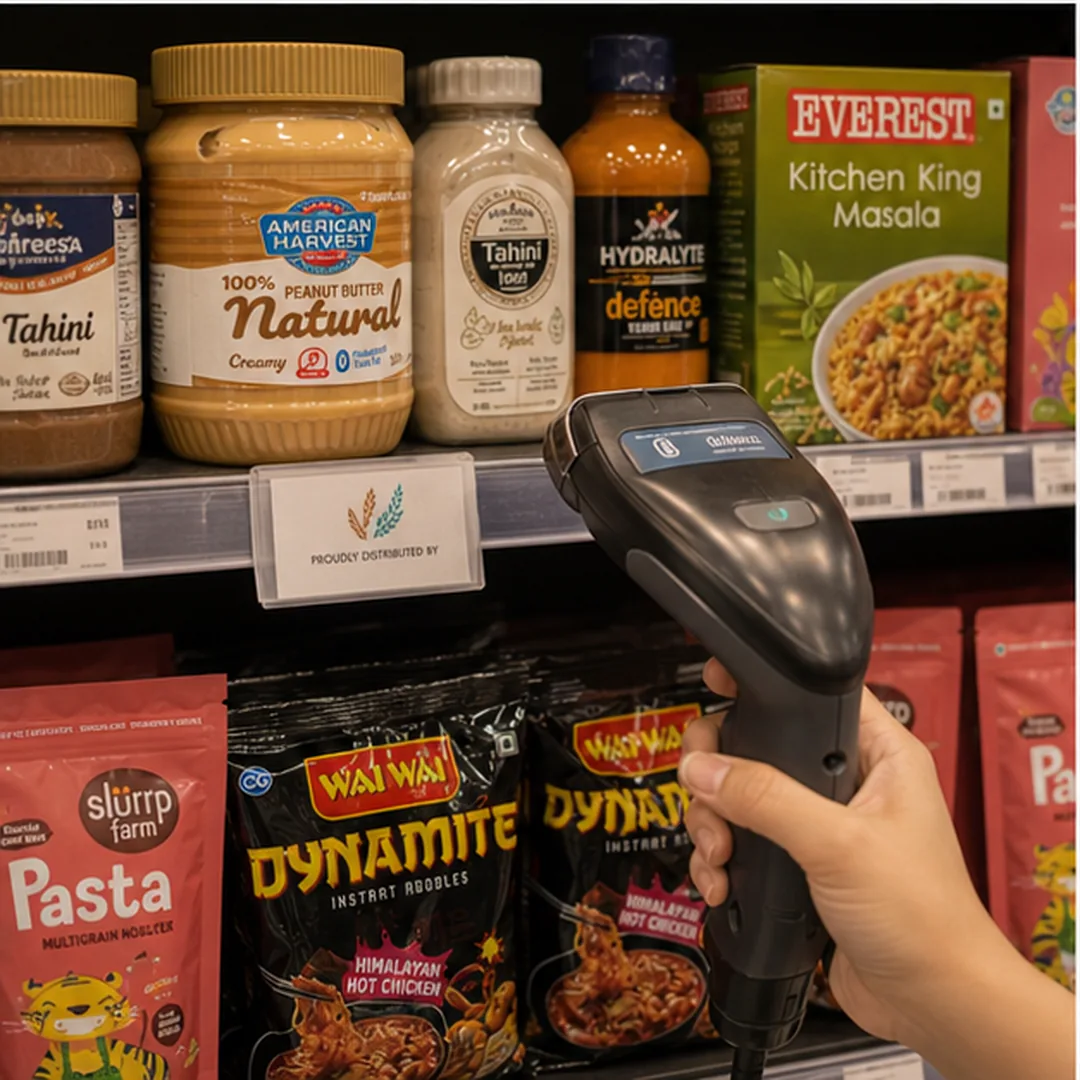
Approval is the beginning, not the end. Once listed, a product must be physically delivered, placed correctly according to the store's planogram, and kept consistently in stock. Out-of-stocks and poor shelf positioning quietly undermine even the best-listed product, which is why merchandising discipline is so important. A shopper who reaches for your product and finds an empty space rarely comes back to check again, and every empty facing is a sale lost that the buyer's data will notice.
This operational layer is where many launches stumble. It is one thing to win a central listing and quite another to ensure the product is present, faced, priced correctly and rotated for freshness in every branch, week after week. Understanding %how listings and merchandising are handled in practice% reveals just how much field execution sits behind a healthy listing, from regular store visits and replenishment to expiry rotation, price-tag accuracy and planogram compliance checks.
The planogram and where you sit on shelf
A planogram is the retailer's map of exactly where each product sits within a category, at what eye level, and with how many facings. Position matters enormously: eye-level and shelf-end positions sell far more than bottom shelves or awkward corners. Negotiating and then defending your planogram position is an ongoing task, because competitors are constantly lobbying for the same prime real estate. A listing that drifts to a poor shelf position over time can wither even if the product is good, so monitoring and maintaining placement is a core part of protecting your investment.
Field execution as a competitive weapon
Strong field teams do more than restock; they fix wrong prices, correct misplacements, set up promotional displays, gather competitor intelligence and feed real store-level insight back to the brand. In a market as branch-heavy as the UAE, the brands that win are frequently those whose products are simply more reliably available and better merchandised than the competition, not necessarily those with the most clever marketing. Consistent execution compounds quietly into rate of sale.
Keeping the listing alive
Retailers review performance continuously, and shelf space is constantly contested. To keep a listing, a product must demonstrate consistent rate of sale and category contribution. Promotional support, seasonal activity and responsiveness to the buyer's feedback all help sustain the relationship. A brand that goes quiet after launch and assumes the listing will look after itself is usually the first to be cut at the next review.
Data tells the story. Brands that monitor sell-out, react quickly to slow performance and invest in the right promotions protect their space. Those that treat a listing as permanent often find it withdrawn at the next category review. Sustained presence in retail is earned month after month, not granted once, and the brands that understand this build durable businesses rather than brief appearances. Many of the products that hold their shelf positions year after year are part of a wider, well-managed stable, and the portfolio of brands already on UAE shelves shows what consistent execution looks like over time, which is exactly the standard new entrants are measured against, as %the portfolio of brands already on UAE shelves% makes clear.
The role of promotions and visibility
Once a product is listed, promotions become one of the most powerful levers for building rate of sale. Introductory offers encourage first trial, while well-timed seasonal and festive activity, around Ramadan, Eid, back-to-school and major shopping events such as the Dubai Shopping Festival, can deliver outsized volume. Secondary displays, gondola ends and in-store sampling lift visibility beyond the standard shelf position and help a new product cut through the noise of a crowded category.
Promotions are not free, however, and they must be planned with discipline. Discounting too deeply or too often erodes margin and can train shoppers to buy only on offer, which is a difficult habit to reverse. The aim is to use promotional investment to build a base of repeat buyers who continue purchasing at full price, not to manufacture short-term spikes that collapse the moment support is withdrawn. A good promotional calendar balances trial-driving deep cuts early on with lighter, visibility-focused activity later that protects the everyday price.
Aligning promotions with the UAE calendar
The UAE's retail rhythm is strongly seasonal. Ramadan transforms grocery buying patterns, with bulk purchasing, gifting and hospitality categories surging. The summer months see a softer market as many residents travel, while the cooler season from autumn onward brings heavy promotional activity and festival shopping. Planning your introductory push and your major promotions to ride these waves, rather than fighting against them, materially improves the return on every dirham of promotional investment.
Reading the category review
Most retailers conduct periodic category reviews, assessing which products earn their space and which should make way for alternatives. For brands, these reviews are both a risk and an opportunity. A product performing well can use the review to argue for additional facings, better positioning or more SKUs in the range. One performing poorly must demonstrate a credible plan to improve or face delisting.
Preparing for a review means arriving with data and a clear narrative: how the product has performed, what has been learned, what worked and what did not, and what specific changes will lift results going forward. Buyers respond to suppliers who take ownership of their numbers and come with solutions rather than excuses. Distributors with strong buyer relationships add real value here, framing performance constructively and advocating for the brand's continued place on shelf, while also having the standing to ask for more space when the numbers justify it.
Beyond the big chains
It is easy to fixate on the flagship hypermarkets, but the UAE retail landscape is broader than the handful of names everyone recognises. Regional supermarket groups, cooperative societies, convenience formats and the vast independent grocery sector all offer routes to the shopper, often with lower barriers to entry and faster decision-making than the largest chains. For many brands, building proof of rate of sale in these outlets first strengthens the case considerably when approaching the biggest buyers later.
A sensible listing strategy therefore sequences its targets rather than chasing every door at once. Securing a foothold where the product can demonstrate genuine demand, then using that evidence to win wider distribution, tends to outperform an expensive scattergun launch that spreads thin support across too many stores. The goal is sustainable, profitable presence, not a flag planted briefly on every shelf before the stock runs dry or the listing lapses.
Traditional trade and quick commerce
The independent baqala sector and the rapidly growing quick-commerce and delivery platforms deserve specific attention. Traditional trade rewards reliable, frequent servicing and competitive everyday pricing, and it can build real volume for the right products. Quick commerce, meanwhile, has reshaped how a meaningful share of urban shoppers buy convenience and top-up groceries, with its own listing, content and availability dynamics. A modern route-to-market plan treats these channels as serious destinations in their own right, not afterthoughts to the hypermarket launch.
Each channel also demands a slightly different commercial model. Traditional trade typically works on simpler terms and faster, more frequent deliveries of smaller quantities, with relationships often built directly with shop owners. Quick-commerce platforms care intensely about product content, availability and the speed of replenishment to their dark stores or partner outlets. Treating all channels with the same blunt approach leaves value on the table; tailoring pricing, pack size and servicing to each channel's logic is what turns broad distribution into profitable distribution.
The role of distribution infrastructure
Behind every product that is reliably available across the Emirates sits a substantial logistics and field operation that shoppers never see. Warehousing, including temperature-controlled storage for chilled and frozen lines, order processing, last-mile delivery to hundreds of outlets, and the field merchandising teams who keep shelves stocked and tidy all have to function together for a listing to translate into consistent on-shelf availability. Underestimating this infrastructure is one of the most common reasons promising brands fail to scale beyond a handful of stores.
For a single brand, building this infrastructure from scratch is rarely feasible or sensible. The capital, the systems and the relationships required take years to assemble. This is precisely why working with an established distributor is so often the pragmatic route to national coverage: the infrastructure already exists, the routes are already running, and your product simply joins a flow that is already reaching the market efficiently. The question for a brand is less whether to build or borrow this capability, and more how to choose a partner whose coverage, categories and standards genuinely fit the product.
Cold chain capability deserves a specific mention given the UAE climate. For chilled and frozen products, an unbroken cold chain from warehouse to shelf is not optional; it is the difference between a compliant, saleable product and a write-off. The ambient temperatures the region experiences for much of the year leave no margin for casual handling, so the strength of a distributor's temperature-controlled logistics is a decisive factor for any brand in these categories.
Understanding the shopper before the buyer
It is easy to become so absorbed in the buyer negotiation that the actual shopper is forgotten, yet the buyer's entire decision is ultimately a proxy for what they believe the shopper will do. A listing succeeds or fails at the moment a real person standing in the aisle decides whether to put your product in their basket. Every argument you make to a buyer is, in truth, an argument about shopper behaviour: who they are, what they want, what they will pay, and why they will choose you over the alternative already on shelf.
The UAE shopper base is unusually diverse, drawn from across South Asia, the Arab world, Europe, East Asia and beyond, and concentrated in cities where competition for the trolley is intense. This diversity is an opportunity and a challenge at once. A product with a clear cultural relevance to a sizeable community can build a loyal base quickly, while a product with no obvious shopper hook struggles to justify its space regardless of how good it is in absolute terms. Knowing precisely which shoppers your product is for, and being able to articulate that to a buyer, is a genuine advantage in the listing conversation.
Practical shopper understanding also informs everything downstream of the listing: which stores to prioritise based on their catchment, how to price for the relevant segment, which festivals and seasons matter most to your target community, and what messaging will resonate on pack and in promotion. Brands that invest in understanding the shopper, rather than assuming the UAE is a single homogeneous market, consistently make sharper decisions about where and how to compete.
Pricing architecture and the maths of a listing
Pricing is the quiet foundation beneath every successful listing, and it is where a surprising number of launches are doomed before the first case ships. A retail price has to do several jobs at once: it must be attractive enough to the shopper relative to the competition, it must leave the retailer a healthy trade margin, it must leave headroom for promotional cuts without selling at a loss, and it must still return an acceptable profit to the brand after listing fees, logistics and field costs. When any one of these is squeezed too hard, the whole structure becomes fragile.
The discipline here is to build your pricing from both ends and meet in the middle. Start from the shelf price the shopper will accept, work backwards through the retailer's margin to your selling price, and then check that this still covers your landed cost and target profit. If the numbers do not work, the answer is rarely to simply raise the shelf price and hope; it is to revisit cost, pack size, case configuration or positioning. A premium product can carry a premium price, but only if the proposition genuinely justifies it in the shopper's eyes.
Pack size and value perception
Pack size is one of the most underused levers in pricing. The same product in a different pack can shift from looking expensive to looking like good value, simply because the price point lands in a more comfortable range for the shopper. Family-size packs, multipacks and entry-level single units each serve different missions and price thresholds. Thinking carefully about which pack architecture suits the UAE shopper, and which channel each pack is aimed at, often unlocks both better margins and stronger rate of sale than tinkering with the headline price alone.
Forecasting, supply reliability and working capital
Once a listing is won, the brand's credibility increasingly rests on something unglamorous: reliable supply. Retailers plan their shelves and their promotions on the assumption that the agreed stock will arrive on time and in full. A brand that cannot keep up with demand during a successful promotion, or that runs dry during the launch window, does more damage to itself than a brand that grows slowly but never disappoints. Out-of-stocks are doubly costly because they cost the sale today and erode the buyer's confidence for tomorrow.
Good forecasting sits at the heart of supply reliability. It means estimating demand realistically, accounting for the long lead times of importing, building appropriate safety stock for temperature-sensitive or long-transit goods, and planning around the seasonal peaks that define the UAE calendar. Underforecasting leads to embarrassing stockouts; overforecasting ties up working capital and risks short-dated stock that must be cleared at a loss. Striking the right balance is a skill that improves with data and experience, and it is one of the clearest areas where an established distributor adds value.
Working capital deserves particular emphasis because it is so often the hidden constraint on growth. A brand can win listings, generate genuine demand and still stall because it lacks the cash to fund the stock, the listing fees and the promotional support all at once. Mapping the cash flow of a launch month by month, and ensuring the funding is in place before committing to a rollout, prevents the painful situation of a brand throttling its own success for want of working capital at the critical moment.
Building the buyer relationship over time
It is tempting to treat the buyer relationship as transactional: pitch, negotiate, list, move on. In reality the most valuable supplier relationships in UAE retail are built patiently over years. Buyers move between categories and retailers, remember who delivered and who let them down, and reward suppliers who make their lives easier. A reputation as a dependable, straightforward partner is a genuine commercial asset that opens doors a cold pitch never could.
Practical relationship-building looks like delivering on every promise, communicating proactively when there is a problem rather than hiding it, bringing the buyer ideas and category insight rather than only asks, and being honest about performance. Buyers are inundated with suppliers who only appear when they want something. The ones who stand out are those who help the buyer grow the whole category, share useful market intelligence, and treat the relationship as a partnership rather than a series of negotiations. Over time, this trust translates into better terms, more space and the benefit of the doubt when something inevitably goes wrong.
Common mistakes that derail listings
Certain errors recur often enough to be worth naming directly. Brands frequently underestimate the working capital a launch requires, running out of money for promotions and stock just as momentum should be building. Others over-promise on support during negotiation and then under-deliver, damaging trust with the buyer. Pricing mistakes are common too, with brands setting a recommended retail price that leaves no room for the retailer's margin or for promotional headroom.
On the operational side, the classic failures are out-of-stocks during the critical launch window, short-dated stock arriving at the warehouse, and inconsistent merchandising that lets the product slip to a poor shelf position. Finally, many brands simply go quiet after launch, providing no fresh activity, no data review and no renewed support, and then wonder why the listing was cut. Almost every one of these mistakes is avoidable with proper planning and the right partner, and brands often find that %answers to the questions brands ask most often% address the very concerns that trip up first-time entrants.
Setting realistic expectations
The retail listing process rewards preparation, patience and partnership. It is rarely fast, and it always involves commercial give and take, but a methodical approach dramatically improves the odds. Brands that understand the costs, respect the buyer's perspective and invest in execution build durable shelf presence rather than fleeting appearances. A useful mindset is to budget not just for getting in, but for the first six to twelve months of staying in and proving the concept.
It is worth being honest with yourself about timelines as well as money. A product that needs three to six months simply to clear compliance, registration and negotiation, and then another two to three quarters to establish a credible rate of sale, has not failed if it has not become a category leader within its first year. Retail success in the UAE compounds slowly at first and then accelerates as availability, repeat purchase and word of mouth reinforce one another. Brands that panic at slow early numbers and either cut support or chase desperate deep discounts often undermine the very momentum they are trying to build. Patience backed by consistent execution beats impatience backed by money almost every time.
It also helps to think in terms of the full journey rather than the single moment of approval. A listing is the door opening; what determines long-term success is everything that follows, from reliable supply and clean merchandising to responsive promotions and honest performance reviews. Brands that go in with this mindset, and with a partner equipped to deliver on it, treat each listing as the beginning of a relationship to be nurtured rather than a box to be ticked. If you want experienced support to navigate listings, fees and in-store execution, %get help bringing your product to shelf% and build a launch plan grounded in how UAE retail actually works.
Frequently Asked Questions
What are listing fees in the UAE?
Listing fees are charges retailers apply for allocating shelf space to a new product. They can include slotting fees, promotional contributions, trade margins, rebates and introductory deals. Costs vary by retailer, category and competition, and should be budgeted from the outset as an investment in building demand rather than a one-off cost of entry.
How long does it take to get a product listed?
It varies, but the process usually takes several weeks to a few months from first buyer contact to shelf presence. Compliance, registration, negotiation, initial stock build and the retailer's own review cycles all add time. Trial listings in a limited number of stores can begin faster, while a full national rollout naturally takes longer, so early preparation is essential.
Do I need a distributor to get listed?
A distributor is not legally required in every case, but it greatly improves your chances. Distributors bring existing buyer relationships, handle import compliance and logistics, and provide the field execution needed to keep products on shelf. Buyers also place more trust in suppliers backed by a partner with a proven delivery track record across the Emirates.
Why might a product get delisted after launch?
Products are typically delisted when they fail to deliver sufficient rate of sale or category contribution. Out-of-stocks, weak merchandising, poor shelf positioning and a lack of promotional support all hurt performance. Retailers review listings regularly and reclaim space from underperforming SKUs, so sustained activity after launch is essential to keep a listing alive.
What is a planogram and why does it matter?
A planogram is the retailer's map of where each product sits within a category, at what eye level and with how many facings. Position has a large effect on sales, with eye-level and shelf-end placements far outperforming bottom shelves. Negotiating a good position and defending it over time is a core part of protecting your listing investment.
How much should I budget for a UAE supermarket launch?
There is no single figure, because it depends on the number of SKUs, the retailers targeted and the depth of promotional support. A sound approach is to budget not only for listing fees, but for the first six to twelve months of stock, promotions and field execution needed to prove rate of sale. Underfunding the period after launch is a frequent cause of failure.
Should I launch in hypermarkets or smaller stores first?
Many brands benefit from building proof of demand in regional supermarkets, cooperatives or the independent grocery sector before approaching the largest hypermarket chains. Demonstrating real rate of sale in these outlets strengthens the negotiating position considerably, and the lower barriers to entry let you test pricing and positioning at lower risk.
How important are promotions for a new listing?
Very important, especially in the early weeks. Introductory offers drive trial, while well-timed seasonal activity around Ramadan, Eid and major shopping festivals can deliver significant volume. The goal is to convert promotional trial into repeat full-price buyers, so promotions should be planned with discipline rather than relied upon as a permanent crutch.
What is a category review and how should I prepare?
A category review is a periodic assessment in which a retailer decides which products keep their space and which are replaced. Prepare by arriving with clear performance data, an honest account of what worked and what did not, and a specific plan to improve. Strong suppliers use reviews to argue for more facings or SKUs when their numbers justify it.