Choosing the right FMCG distributor in the UAE is one of the most consequential decisions a food or grocery brand will make when entering or scaling in the Gulf. The distributor becomes the face of your brand to retailers, the custodian of your stock, and the engine that turns shelf space into repeat sales. Get the choice right and you gain years of compounding momentum; get it wrong and you spend that same time untangling poor listings, thin coverage and frozen receivables.
The UAE is one of the most competitive grocery markets in the world. It is a small geography with extraordinary retail density, a population that is overwhelmingly expatriate and concentrated in cities, and a shopper base drawn from dozens of national cuisines and price expectations. That diversity is an opportunity, but it also means a brand cannot simply be dropped into the market and left to find its own level. It needs a partner who understands which shoppers buy what, where, and at what price.
This guide walks through how serious brands evaluate a potential partner in 2026. It is written from the perspective of distribution itself, so it is candid about where the work is genuinely hard. Whether you are an overseas manufacturer testing the market or a regional brand looking to switch, the same fundamentals apply: coverage, logistics, commercial muscle, financial health, systems and cultural fit. Treat the sections below as a checklist you can carry into every meeting.
Understand what a UAE distributor really is
Before comparing partners, it helps to be precise about what an FMCG distributor in the UAE actually does, because the word covers a wide range of capability. At one end sits a true route-to-market partner: a company that imports or receives your stock, registers and clears it, warehouses it under correct conditions, sells it into every relevant retail and food-service channel, merchandises it on shelf, collects the cash and reports back to you with clean data. At the other end sits little more than a warehouse with a delivery van, moving boxes from A to B and leaving the selling to chance.
The gap between those two is enormous, and it is where most disappointing partnerships go wrong. A brand signs with a company expecting active demand creation and instead gets passive order fulfilment. The way to avoid this is to be explicit from the first meeting about which functions you expect the distributor to own, and to test their answers against evidence rather than enthusiasm.
It is also worth separating the idea of an agent from that of a distributor. An agent typically introduces a brand to retailers and earns commission without taking title to the goods or carrying the working-capital risk, whereas a distributor buys the stock, owns the inventory, extends credit and absorbs the cost of holding and moving product. Most food brands entering the UAE want the latter, because true market development requires a partner whose own capital is at stake. When a distributor has paid for the stock sitting in its warehouse, it has every incentive to sell it through quickly and well. Be clear which model you are buying, because the language in early conversations can blur the two.
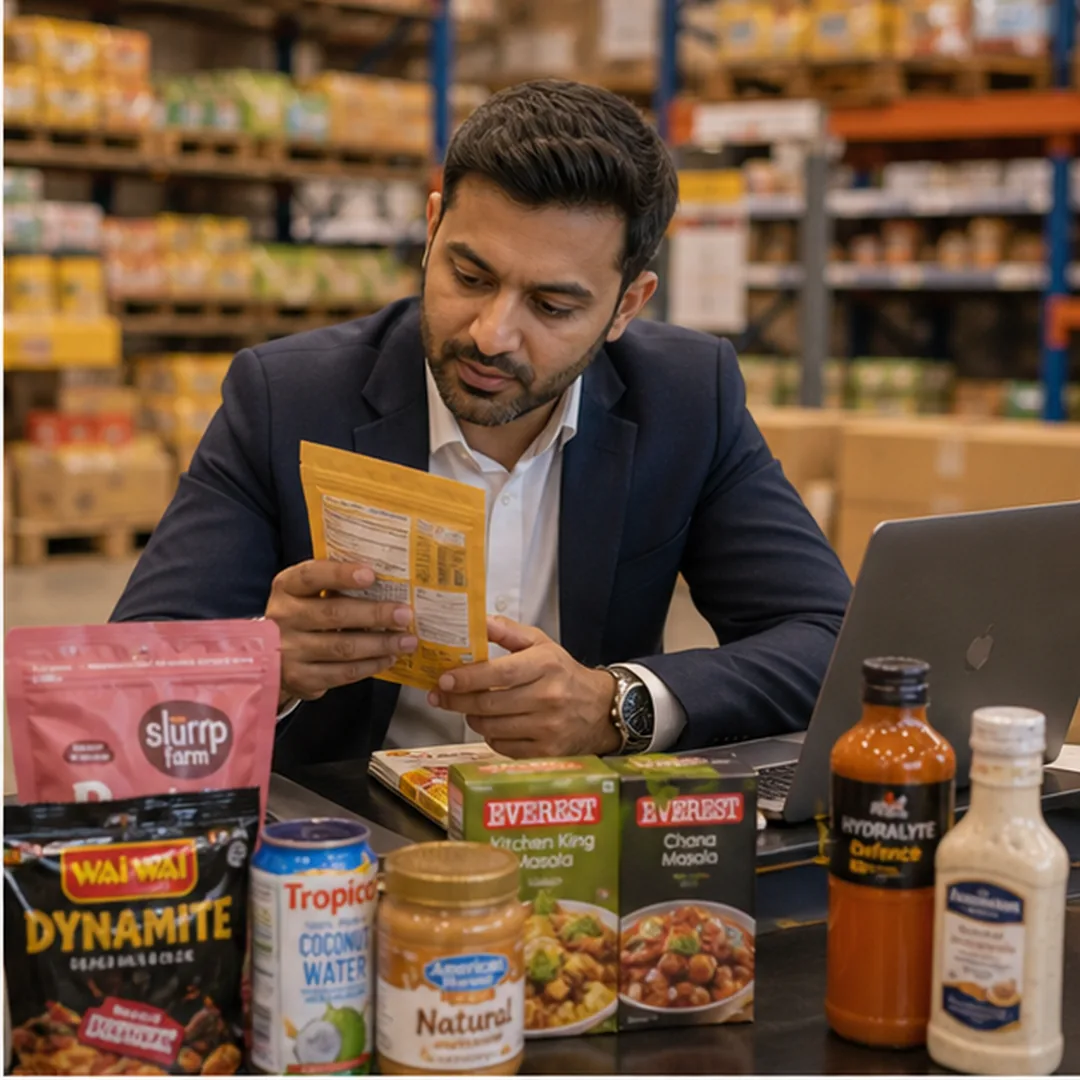
It also helps to look at the portfolio a partner already represents. Studying %the kind of brands a distributor already builds% tells you a great deal about the categories they understand, the retailers they have relationships with, and the standard of brand-building they bring. A distributor whose existing portfolio sits in the same aisle as your product will already have the buyer conversations, the merchandising habits and the pricing instincts you need.
There is a subtlety here worth weighing carefully. A portfolio adjacent to yours brings ready-made expertise, but a portfolio containing a direct competitor can create a conflict of interest, where your brand competes for attention and shelf space with another the distributor also represents. The ideal partner sits in your category but not in direct competition with your specific products, giving you the benefit of their relationships without the risk of being the lower priority in a head-to-head. Ask openly whether they carry anything that competes with you, and how they would manage the tension if they did.
Start with coverage, not promises
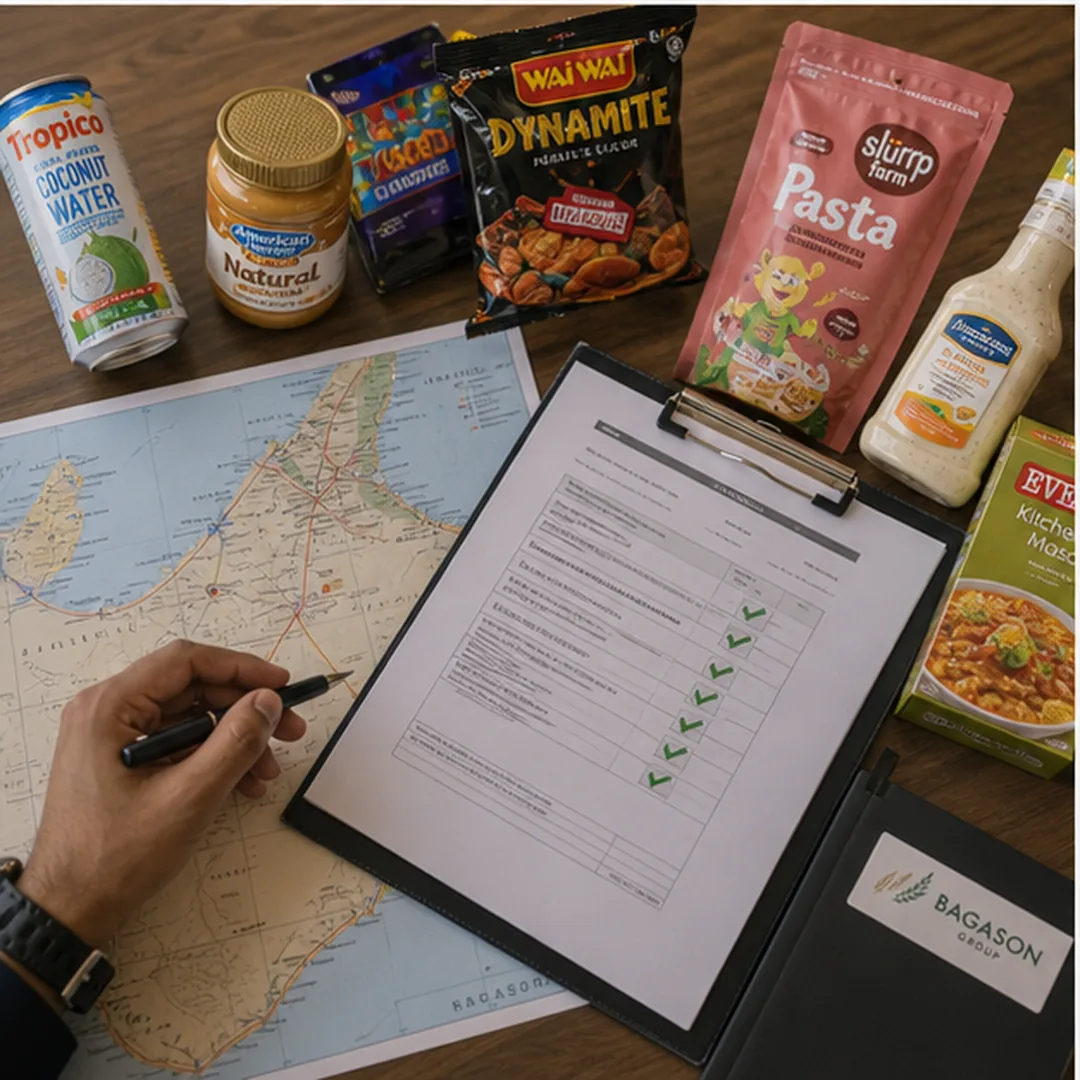
The first question to ask any prospective food distributor in Dubai or the wider Emirates is simple: which stores do you actually service, how often, and with what fill rate? A distributor that claims "national coverage" but visits a hypermarket once a fortnight is not the same as one with structured journey plans across all seven emirates. Ask to see %the breadth of a distributor's retail coverage% mapped by channel and emirate, and look for the difference between modern trade, traditional trade, HoReCa and quick commerce. A genuine partner can name the chains, describe the visit frequency, and explain how they handle the long tail of independent groceries that collectively move enormous volume.
Coverage is also about depth, not just breadth. Being listed in a chain's central system means little if the product is absent from the shelf in individual branches. The strongest distributors invest in merchandising and field execution so that distribution on paper matches distribution in reality. Ask specifically about numeric distribution versus weighted distribution, and how they measure and close the gap between the two.
Consider, as an illustration, a brand that proudly reports being listed in a major chain across the country. On paper the coverage looks complete. In practice, a store-by-store check might find the product present and well-faced in the busiest flagship branches but missing entirely from a third of the smaller outlets, where ordering is patchy and shelf space is contested. That gap between the listing and the lived reality is invisible in a headcount of stores but devastating to sell-out. A serious distributor talks in terms of on-shelf availability and out-of-stock rates, not just the number of doors it has technically entered, and it has a process for spotting and fixing absences quickly.
Coverage across all seven emirates
It is easy to think of the UAE as Dubai and Abu Dhabi, but the other five emirates collectively hold a large and growing shopper base, often with different price sensitivities and shopping habits. Sharjah, Ajman, Ras Al Khaimah, Fujairah and Umm Al Quwain each have their own retail texture, with dense traditional-trade clusters serving residential and labour communities. A partner that genuinely covers the whole country, rather than concentrating on the two biggest cities, gives a brand reach and resilience that is hard to build later.
Press for specifics on how a distributor structures journeys to the northern emirates, how frequently those routes run, and whether the same merchandising standards apply there as in central Dubai. Consistency across the country is a strong signal of operational maturity.
Logistics and cold chain capability
For most food categories, the supply chain is where trust is won or lost. The UAE climate is unforgiving, with summer temperatures regularly exceeding 45 degrees and very high humidity on the coast, and any break in temperature control can compromise quality and shelf life before a product ever reaches the consumer. When you evaluate a distributor's warehousing and last-mile capability, probe for ambient, chilled and frozen handling, temperature monitoring, and how they manage batch traceability and expiry rotation.
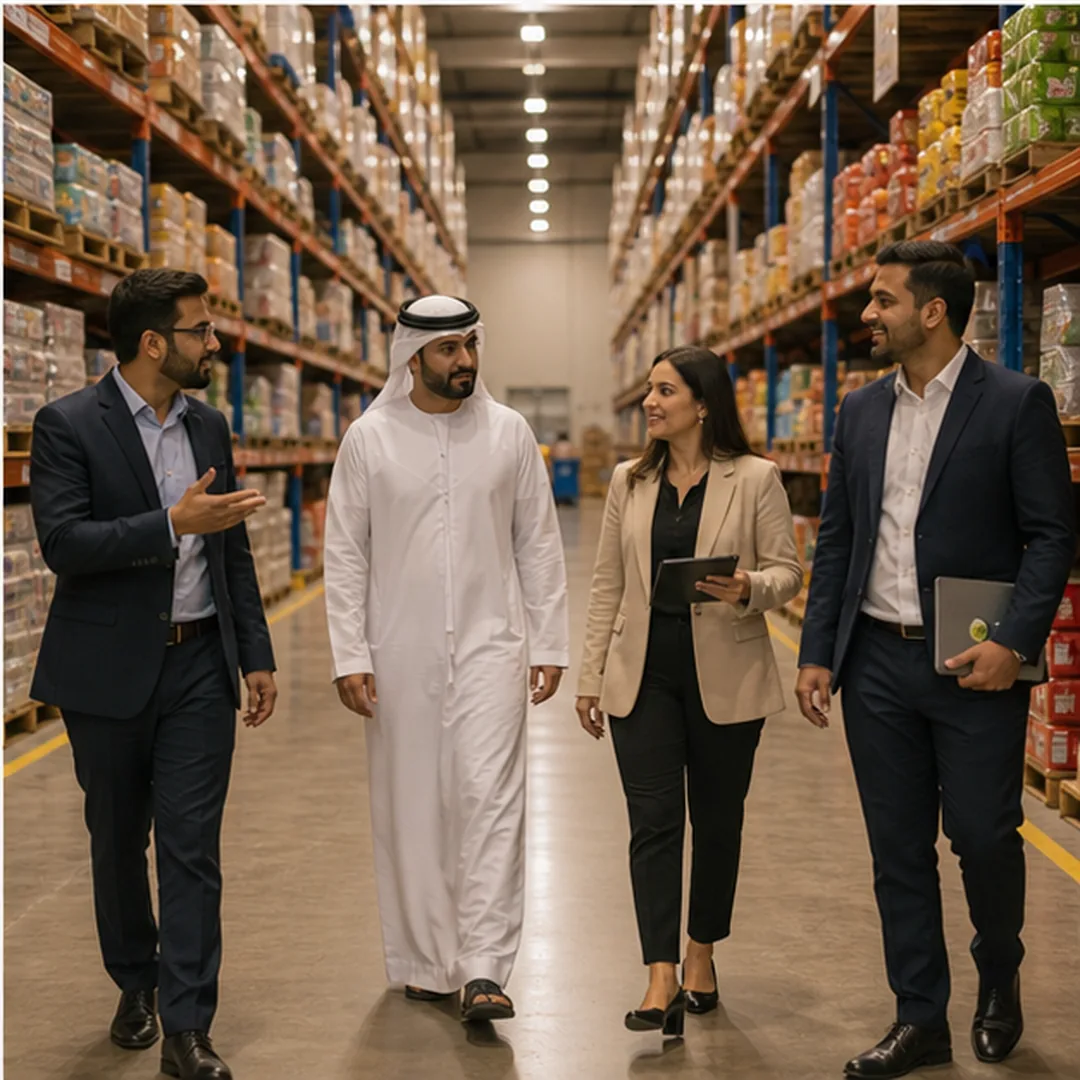
It is worth understanding %how a full-service partner actually works day to day% before you commit, because logistics is rarely visible in a sales pitch. Ask about warehouse locations relative to your key markets, vehicle fleet, and how returns and near-expiry stock are handled. A distributor that can articulate its cold chain discipline in detail is one that takes product integrity seriously.
The challenge is compounded by the country's operating environment. The UAE summer Midday Break Rule bans outdoor work during the hottest hours, roughly from mid-June to mid-September, which shapes how deliveries and loading are scheduled across the peak months. Heat is not merely a comfort issue; for a chilled or frozen product it is a constant threat to quality, and a few minutes on an exposed loading bay at the wrong time of day can undo an entire cold chain. A capable distributor designs routes, vehicle refrigeration and handling procedures around these realities rather than treating them as occasional inconveniences.
Last-mile and the cost of getting it wrong
The final leg of the journey, from warehouse to store shelf, is where most of the cost and most of the risk concentrate. Frequent small drops to scattered independent stores are expensive to serve, and a distributor must balance route efficiency against the need to keep every outlet stocked. Picture a fleet covering several hundred stores a day across a city in August: every extra minute a vehicle door stays open, every detour, every failed delivery erodes both margin and product integrity. The distributors who do this well treat last-mile as an engineering problem, optimising routes, sequencing drops, and measuring delivery success so the brand never quietly disappears from a shelf because the logistics could not keep up.
Importing, registration and compliance
For overseas manufacturers, the practical hurdles of entering the market often begin long before the first shelf. Products must be registered with the relevant authorities, labels must meet local requirements including Arabic content and ingredient declarations, and shelf-life rules at the point of import can be stricter than brands expect. A distributor experienced in food importing into the UAE handles this routinely, but a less experienced one can leave a shipment stuck at the border or a label rejected after production.
Ask how a prospective partner manages registration timelines, who is named as the importer of record, and how they keep you informed if regulations change. Compliance is unglamorous, but mistakes here are expensive and slow to fix, so it deserves genuine scrutiny during selection.
Commercial strength: listings and merchandising
Securing shelf space in UAE retail is a craft. It involves listing negotiations, category fit, promotional planning and ongoing relationship management with buyers. A capable distributor brings existing buyer relationships and a track record of getting products listed, then keeping them listed by delivering rate of sale.
Ask how they approach new product introductions, what support they expect from the brand on trade spend and promotions, and how they measure success after launch. The best partners treat your brand as a category contributor rather than another SKU to warehouse, and they will have a point of view on pricing, pack formats and positioning for the local shopper.
A distributor who knows the UAE shopper intimately can save a brand from expensive misjudgements. The market is unusually diverse, with shoppers from South Asia, the Arab world, the Philippines, Africa, Europe and beyond, each bringing different cuisines, price expectations and brand loyalties. A pack size or flavour that succeeds in the home market may need rethinking for the local audience, and a price that feels premium in one community feels ordinary in another. The right partner brings this nuance to the table early, advising on which products to lead with, how to position them, and where the real demand for your category sits, rather than simply listing whatever you ship and hoping it moves.
Merchandising and field execution
Listings get a product into a store; merchandising keeps it selling. The discipline of facing up shelves, maintaining planogram compliance, rotating stock by expiry, building secondary displays and reacting to out-of-stocks is what separates a brand that grows from one that quietly stalls. Much of this work happens in stores at the start of the day, away from any boardroom, and it is the truest test of a distributor's commitment.
Ask to accompany the field team on a route, or at least to see merchandising reports with photographs. A partner confident in its execution will welcome the scrutiny, and a morning spent watching a merchandiser work tells you more than any presentation slide.
HoReCa and food service
Many food brands overlook the hotel, restaurant and catering channel, yet for the right products it can be substantial and resilient. Serving food service is a different discipline from retail: order patterns are driven by kitchens and procurement teams, pack formats are often larger and bulk-oriented, delivery windows can be tight, and the relationship is built with chefs and purchasing managers rather than shelf buyers. A distributor with a genuine HoReCa capability opens a route that complements retail and smooths demand, since food service often buys steadily through periods when retail is quieter.
If your category suits food service, ask whether the distributor has a dedicated team for it, which establishments they already supply, and how they handle the specific demands of the channel. A partner that treats HoReCa as an afterthought will struggle to serve it well, but one that has invested in it can give your brand a second engine of growth.
Quick commerce and online grocery
Alongside the traditional channels, quick commerce and online grocery have grown into a meaningful route to the shopper in the larger cities. These platforms reward reliable availability, strong product content and pack formats suited to delivery, and they often capture demand created by a brand's visibility in physical stores. A distributor with the systems to keep stock flowing accurately to fulfilment points, and the data discipline to manage online listings, gives a brand an edge in a channel that continues to grow.
When evaluating a partner, ask how they handle this channel today and how they expect it to evolve. A distributor still treating online as a novelty may leave demand on the table, while one that has integrated it into its planning and reporting can help a brand capture shoppers wherever they choose to buy. The point is not that every brand needs to lead with quick commerce, but that a capable partner should be able to serve it competently when your category calls for it.
Financial health and transparency
Distribution is a working-capital business. Your distributor carries your stock, extends credit to retailers, and waits to be paid. If their finances are stretched, that stress flows back to you as delayed payments, reduced ordering and cautious listings. Reputable partners are transparent about payment terms, credit control and reporting cadence.
Equally important is visibility. In 2026, brands rightly expect regular data: sell-in and sell-out figures, stock positions, and channel performance. A distributor that shares clean, timely reporting is signalling both competence and good faith. Be direct in asking how credit is managed across thousands of small accounts in traditional trade, and how large balances are collected on time in modern trade, because uncollected sales help no one.
It is worth understanding the working-capital cycle in concrete terms. When a distributor buys your stock, pays to warehouse and transport it, sells it on credit to a retailer, and then waits thirty, sixty or even ninety days to be paid, it is financing your growth out of its own balance sheet for that entire period. The faster your brand sells through, the healthier that cycle stays; the slower it moves, the more cash is trapped in unsold inventory and unpaid invoices. This is why a distributor's financial strength is not an abstract concern but a direct determinant of how aggressively it can invest behind your brand. A well-capitalised partner can fund deeper listings, larger opening stocks and bolder promotions; a stretched one will hesitate at exactly the moments that matter.
People, systems and execution
Behind every successful distribution relationship is a team that executes consistently. Ask who will actually manage your brand day to day: the key-account managers who sit across the table from buyers, the field force that visits stores, and the supply planners who keep stock flowing. A distributor may have an impressive head office, but it is the salesman walking into a baqala at eight in the morning and the merchandiser facing up a shelf who determine whether your brand sells.
Systems matter just as much as people. Modern distribution runs on technology, from route planning and van sales applications to warehouse management and live reporting. A partner with mature systems can give you accurate, near-real-time visibility of where your stock is and how it is moving. One running on spreadsheets and goodwill may work for a while, but it struggles to scale and offers little transparency when problems arise.
The practical value of good systems shows up in everyday questions. When you ask how much of your stock is sitting in the warehouse versus already in stores, a mature distributor can answer in minutes from live data; a weaker one promises to get back to you and produces a stale number days later. When a batch nears expiry, a good system flags it early so it can be sold through or rotated rather than written off. When a chain queries an invoice, the records are clean and retrievable. These small frictions accumulate, and over a year they are the difference between a partnership that feels effortless and one that feels like a constant negotiation with fog. Ask to see the actual reports a distributor would send you, not a sample dashboard, and judge whether you could run your business from them.
Onboarding and the first hundred days
The early months of a distribution partnership set the tone for everything that follows. A well-prepared distributor will have a clear onboarding plan: completing product registration, agreeing the initial range and pack formats, building opening stock, and sequencing which channels and chains to approach first. Rushing to list everywhere at once often backfires; a phased, deliberate launch tends to build stronger foundations.
During this period, communication should be frequent and honest. Expect a named point of contact, agreed review meetings, and early sharing of sell-out data so both sides can react quickly. Seeing %what a structured partnership looks like from the inside% during a structured onboarding is the clearest preview of the long-term relationship you are signing up for, so pay close attention to how organised those first weeks feel.
The distribution agreement: terms that matter
The contract is where good intentions become enforceable expectations, and brands too often treat it as a formality. A well-constructed UAE distribution agreement should be clear on territory and exclusivity, the product range covered, pricing and margin structure, marketing and trade-spend responsibilities, performance targets, reporting obligations, and the conditions under which either party can exit.
Exclusivity deserves particular thought. Granting a single distributor exclusive rights across the whole country can simplify the relationship and align incentives, but it also concentrates risk if the partner underperforms. Tying exclusivity to clear, measurable performance targets, with the right to review or revoke if they are missed, protects the brand while still giving the distributor the security to invest. Equally, agree the ownership of registrations and listings up front, so that if the relationship ends, the brand is not held hostage by paperwork it cannot retrieve.
Performance targets themselves deserve care. Vague aspirations such as growing the brand are impossible to enforce, while overly rigid volume commitments can punish a distributor for market conditions outside its control. The healthiest agreements set a small number of meaningful, measurable goals, distribution reached, rate of sale achieved, key chains entered, and review them honestly at agreed intervals rather than treating the contract as a weapon. The aim is to align both parties around the same definition of success, not to create grounds for a future dispute.
Planning for growth and the wider GCC
A good agreement also looks forward. Markets evolve, new channels emerge, and a brand that starts in a handful of chains may want to expand its range or its geography over time. Building in a sensible mechanism for adding products, adjusting terms as volumes grow, and revisiting the plan annually keeps the relationship from calcifying. For brands with ambitions beyond the UAE, it is worth discussing early how the partnership might extend across the wider GCC, whether through the same distributor's regional reach or through coordinated relationships, so that success in one market becomes a springboard rather than a dead end.
Questions every brand should ask
Before signing, pressure-test the relationship with concrete questions. The answers reveal far more than a polished deck. Consult %common questions brands ask before they commit% as a starting point, then dig deeper with your own list.
- Which specific chains and channels will carry my product, and at what visit frequency?
- How do you handle cold chain, expiry rotation and product recalls?
- What reporting will I receive, and how often, and in what format?
- What trade spend and marketing support do you expect from me?
- How do you manage credit so my receivables stay healthy across both modern and traditional trade?
- Who owns the product registrations and listings if our relationship ends?
Red flags to watch for
Just as important as spotting strengths is recognising warning signs early. Vague answers about coverage, an inability to name specific chains or visit frequencies, and reluctance to share reporting all suggest a partner who promises more than they deliver. Be wary too of a distributor pushing you to fund heavy listing fees and promotions without a credible plan for sustaining the brand afterwards; spending to get in means little if there is no strategy to stay in.
Other red flags include opaque payment terms, persistent stock-outs in their existing portfolio, and high staff turnover in the sales team that will manage your brand. None of these are necessarily fatal on their own, but together they paint a picture. A short reference call with brands the distributor already represents often tells you more than any presentation, so ask for one and listen carefully to what is said and what is left unsaid.
One particular warning sign deserves emphasis: a distributor that wants to take your stock but offers no plan for selling it. If the conversation centres entirely on order quantities, payment terms and how much you will fund in listing fees, but never touches on rate of sale, merchandising, target chains or how success will be measured, you are likely talking to an order-taker rather than a brand-builder. The right partner is curious about your product, has views on where it will sell and why, and talks about the market in terms of shoppers and demand, not just boxes and margins. Listen for which language dominates the room.
Fit matters as much as scale
The largest distributor is not always the right one. A brand can be lost inside a giant portfolio, while a focused partner gives it genuine attention. Consider whether your category aligns with the distributor's strengths, whether their team understands your brand story, and whether the relationship feels collaborative. Strong GCC food distribution is built on partnerships that share both ambition and accountability.
Think too about where you want to be in three years. If your ambition extends beyond the UAE into the wider GCC, choosing a partner with regional reach or credible regional relationships saves a difficult transition later. If your near-term goal is simply to prove the concept in one market, a focused UAE specialist may serve you better than a sprawling regional group. Match the partner to the plan, not merely to the present.
Making the decision and starting strong
By the time you reach a shortlist, you should be choosing between partners on evidence, not impressions. Score each on coverage, logistics, commercial capability, financial health, systems and fit, and weight those factors according to what your category most needs. A frozen brand will weight cold chain heavily; an everyday staple will weight traditional-trade reach; a premium product will weight modern-trade execution and brand-building.
Once you choose, invest in the relationship as you would any strategic partnership. Set shared targets, meet regularly, share data openly and resolve problems quickly. The brands that succeed in the UAE are rarely the ones with the cleverest packaging; they are the ones with a distributor who treats their growth as a shared mission.
It helps to agree, at the outset, how the relationship will be governed. A quarterly business review that looks honestly at performance against targets, a clear escalation path when something goes wrong, and a shared plan for the year ahead all keep a partnership healthy long after the initial enthusiasm fades. The brands that get the most from their distributors are active partners, not absentee owners: they visit the market, walk the stores, meet the field team, and contribute their own marketing and category knowledge. Distribution is a two-way commitment, and the brands that show up tend to be the ones that get prioritised.
Finally, keep perspective on timescales. Building a brand across a market as dense and competitive as the UAE is a multi-year endeavour, not a quarter's work. Listings take time to mature, rate of sale builds gradually, and reputation with both buyers and shoppers compounds slowly. A distributor who promises overnight success is either inexperienced or overselling; a distributor who lays out a realistic, phased path and then executes it steadily is the one worth backing. If the chemistry and the capabilities are both present, you have found a foundation worth building on. When you are ready, %start a conversation about your brand% and see how the fundamentals translate into a concrete plan for your products.
Frequently Asked Questions
What does a UAE FMCG distributor actually do?
A distributor imports or receives your stock, warehouses it under the right conditions, and sells it into retail and food-service channels across the Emirates. They handle product registration, listings with retailers, merchandising on shelf, last-mile delivery, credit control and reporting. In effect, they act as your complete route to market in the region, taking responsibility for turning shelf space into repeat sales.
How long does it take to launch a brand with a distributor?
Timelines vary by category and channel, but expect several weeks to a few months from agreement to first shelf presence. Registration, listing negotiations and initial stock build all take time, and chilled or frozen products may require extra steps for cold chain readiness. A phased launch across selected channels often works better than trying to list everywhere at once.
Should I choose the biggest distributor available?
Not necessarily. Scale brings reach, but a smaller, focused partner may give your brand more attention and a better category fit. A brand can easily be lost inside a giant portfolio while a specialist gives it genuine priority. The right choice depends on where your products sell best and how well the distributor's strengths align with your goals.
What reporting should I expect from a good distributor?
You should receive regular data on sell-in and sell-out, current stock positions, and performance by channel or chain. Many strong partners now provide near-real-time visibility from their route and warehouse systems. Transparent, timely reporting is a strong indicator that a distributor is both competent and trustworthy.
Should a distribution agreement be exclusive?
Exclusivity can align incentives and simplify the relationship, but it concentrates risk if the partner underperforms. The safest approach is to tie exclusivity to clear, measurable performance targets, with the right to review or revoke if they are missed. This gives the distributor security to invest while protecting the brand from being held back.
How important is cold chain capability?
For chilled and frozen products it is critical, because the UAE climate is harsh and any break in temperature control can ruin quality and shelf life before a product reaches the shopper. Even for ambient products, good warehouse conditions and disciplined expiry rotation matter. Always probe a distributor's temperature monitoring, traceability and handling of near-expiry stock in detail.
What trade spend should I expect to fund?
Modern trade in particular often involves listing fees, promotional support and merchandising investment, and a credible distributor will be clear about what they expect from you. The key is that any spending to get listed must come with a plan to sustain rate of sale afterwards. Be cautious of partners who push heavy upfront fees without a strategy for keeping the brand on shelf.
Can one distributor cover all seven emirates?
Yes, capable partners run structured journey plans across the whole country, not just Dubai and Abu Dhabi. The northern emirates hold a large and growing shopper base, often with dense traditional-trade clusters. Ask specifically how a distributor structures routes to those areas and whether the same merchandising standards apply there as in the major cities.
Who owns my product registrations if the relationship ends?
This should be agreed in writing before you sign. In some arrangements the distributor is named as importer of record and holds registrations, which can make switching partners slow and difficult. Clarifying ownership of registrations and listings up front protects your ability to move your brand if the partnership does not work out.
How do I compare distributors fairly?
Score each shortlisted partner on coverage, logistics and cold chain, commercial capability, financial health, systems and cultural fit, then weight those factors according to your category's needs. A frozen brand prioritises cold chain; an everyday staple prioritises traditional-trade reach; a premium product prioritises modern-trade execution. Decide on evidence such as reference calls and route ride-alongs rather than presentation polish.